Chemical Bull
820
27-Feb-2025
Introduction
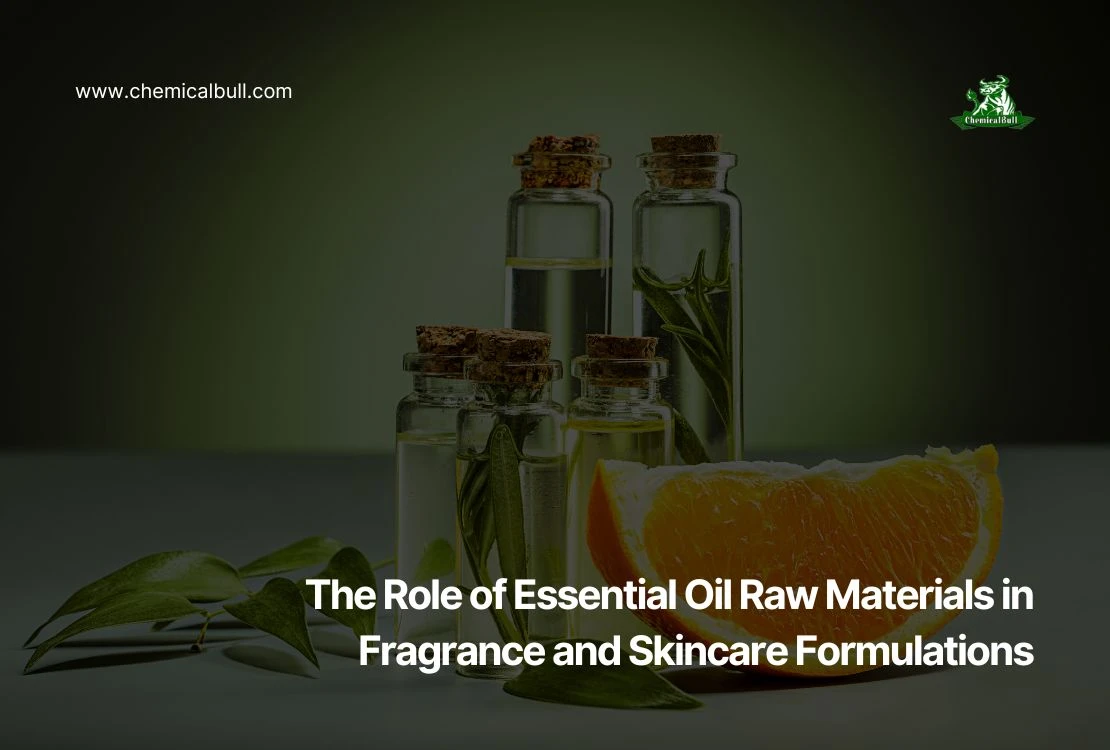
Essential oils and raw materials play a crucial role in shaping the fragrance and skincare industry. From perfumes to creams, lotions to aromatherapy products, the quality and selection of raw materials directly influence aroma, performance, safety, and consumer acceptance.
For B2B buyers, formulators, and sourcing managers, understanding essential oil raw materials is not optional—it is a competitive necessity. Whether you are a fragrance manufacturer, skincare brand, or aroma chemicals supplier, this guide offers a complete, practical overview covering chemistry, applications, market trends, and sourcing best practices.
What Are Essential Oil Raw Materials?
Essential oil raw materials are naturally extracted or synthetically produced aromatic compounds used to provide fragrance, functional benefits, and sensory appeal in perfumes, cosmetics, and personal care products.
They may originate from:
-
Plant sources (flowers, leaves, roots, resins, peels)
-
Natural isolates derived from essential oils
-
Synthetic aroma molecules designed for consistency and stability
In B2B formulations, essential oils are often combined with aroma chemicals to balance authenticity, cost, performance, and regulatory compliance.
Chemistry of Essential Oils
Essential oils are complex mixtures of volatile organic compounds. Their chemical structure determines aroma strength, evaporation rate, skin interaction, and stability.
Key Chemical Groups:
-
Terpenes – Fresh, citrusy, uplifting
-
Alcohols – Soft, floral, skin-friendly
-
Esters – Sweet, fruity, calming
-
Aldehydes – Bright, diffusive, powerful
-
Ketones – Sharp, penetrating (used carefully)
Common Aroma Compounds:
-
Geraniol – Floral, rose-like; widely used in perfumes and skincare
-
Linalool – Fresh, lavender-like; common in cosmetic formulations
-
Citronellol – Soft rose note; soaps, creams, and fragrances
Classification of Essential Oils & Fragrances
Essential oils and fragrance raw materials can be classified in several ways:
By Fragrance Structure:
-
Top Notes: Light, fresh, fast-evaporating (citrus, herbs)
-
Middle Notes: Floral, spicy; core character
-
Base Notes: Woody, musky; depth and longevity
By Origin:
-
Natural: Premium, authentic, variable
-
Synthetic: Stable, scalable, cost-effective
Natural oils are favoured in luxury and clean-label products, while synthetics dominate mass production.
Authenticity of Essential Oils
For B2B buyers, authenticity is critical. Adulterated oils compromise safety, performance, and brand reputation.
Best Practices:
-
Verify GC-MS reports
-
Check the botanical source and extraction method
-
Avoid diluted or falsely labelled oils
Essential Oils vs Fragrance Oils
|
Aspect |
Essential Oils |
Fragrance Oils |
|
Source |
Plant-derived |
Synthetic or blended |
|
Aroma |
Complex, variable |
Consistent, stable |
|
Shelf Life |
Shorter |
Longer |
|
Cost |
Premium |
Cost-effective |
|
Applications |
Luxury, wellness |
Mass-market products |
Top Essential Oils for Perfume Making: A Fragrant Palette
Floral Oils – The Heart
-
Rose: Deep, romantic middle note
-
Jasmine: Intense, sensual, absolute
-
Geranium: Clean floral, excellent fixative
-
Neroli: Fresh green floral
Citrus Oils – The Spark
-
Lemon: Sharp, energising top note
-
Bergamot (FCF): Iconic perfume opening
-
Orange: Sweet and warm
-
Grapefruit: Fresh, modern
Woody Oils – The Fixatives
-
Sandalwood: Creamy, long-lasting base
-
Cedarwood: Dry, structured
-
Vetiver: Smoky, earthy longevity booster
Herbal, Spicy & Resinous
-
Lavender, Clary Sage, Basil
-
Clove, Cinnamon, Frankincense, Myrrh
What Are Essential Oils for Perfume?
Essential oils are the core building blocks of perfume creation, responsible for defining a fragrance’s identity, depth, and emotional impact. Extracted from flowers, leaves, woods, resins, and citrus peels, these natural aromatic materials provide the authentic scent profile that consumers associate with premium perfumes.
In perfumery, essential oils are carefully blended with aroma chemicals, solvents, and fixatives to create a balanced, long-lasting fragrance composition. The percentage of essential oil in perfume plays a crucial role in determining fragrance strength, projection, and classification:
-
Eau de Toilette (EDT): Lower essential oil concentration, light and refreshing
-
Eau de Parfum (EDP): Higher concentration, richer aroma and better longevity
-
Parfum: Highly concentrated, intense scent with long-lasting performance
For B2B manufacturers, selecting the right essential oils and raw materials ensures fragrance consistency, regulatory compliance, and market appeal. High-quality oils not only enhance aroma complexity but also support premium positioning in the competitive fragrance industry.
Beyond the Plant: Extraction Methods
Extraction defines aroma quality and purity:
-
Steam Distillation: Standard for many florals and herbs
-
Solvent Extraction: Produces absolutes for fine perfumery
-
CO₂ Extraction: High-purity, heat-free extracts
-
Cold Pressing: Citrus oils
What Are Essential Oil Notes?
|
Note Type |
Role |
|
Top Notes |
First impression |
|
Middle Notes |
Fragrance body |
|
Base Notes |
Depth and longevity |
Applications in the Fragrance Industry
Essential oils are the backbone of fragrance products. They determine scent quality, longevity, and overall consumer experience.
Primary Applications:
-
Perfumes: Essential oils, raw materials like geraniol, linalool, and citronellol are key components in floral, woody, and citrus perfumes.
-
Candles & Room Fresheners: Aroma chemicals suppliers provide oils that enhance fragrance diffusion and consistency.
-
Soaps & Body Washes: Essential oils impart both scent and skin benefits, making them popular in personal care.
Trends & Comparisons:
-
Natural vs Synthetic Fragrance Raw Materials: Natural oils are preferred for premium products, while synthetic alternatives are used in bulk production due to cost and stability.
-
Market Trends 2025: Increasing demand for organic, eco-friendly, and sustainable essential oils in B2B fragrance applications.
Applications in the Skincare Industry
Skincare products benefit from essential oils not only for aroma but also for therapeutic properties like hydration, anti-inflammatory effects, and antioxidant activity.
Key Applications:
-
Lotions & Creams: Oils like lavender and tea tree add fragrance and functional benefits.
-
Face Masks & Serums: Essential oils enhance product effectiveness while giving a pleasant aroma.
-
Herbal Cosmetics: Role of waxes and essential oils in stabilising formulations.
Safety & Regulatory Considerations
-
Ensure proper percentage of essential oils in formulations.
-
Follow guidelines for hypoallergenic and safe use in cosmetic products.
Commercial & B2B Perspective
For businesses, sourcing high-quality essential oil raw materials is crucial.
Supply Chain Overview:
-
Chemical Manufacturer & Supplier: Provide consistent quality essential oils.
-
Aroma Chemical Reseller: Bridges the gap between manufacturer and B2B buyers.
-
Wholesale Essential Oils Supplier: Bulk supply for industrial fragrance and skincare applications.
B2B Keywords Integration: Aroma chemicals supplier, natural essential oils manufacturer, aroma chemicals manufacturer for B2B, flavour and fragrance raw material supplier.
Market Trends & Innovations
-
Eco-Friendly & Organic Oils: Rising demand for natural, sustainable raw materials.
-
Innovative Aroma Chemicals: Multi-functional raw materials that combine fragrance with therapeutic benefits.
-
Flavour & Personal Care Integration: Many essential oils are used across fragrance, skincare, and aromatherapy products, offering commercial versatility.
-
Research & Insights: Companies are investing in new formulations to meet B2B and consumer trends. Perfume research paper PDF
Market Trends & Innovations
-
Organic and sustainable sourcing
-
Multi-functional aroma chemicals
-
Cross-use in fragrance, skincare, and aromatherapy
Comparison Table: Natural vs Synthetic Essential Oils
|
Feature |
Natural Essential Oils |
Synthetic Essential Oils |
|
Source |
Plant extraction |
Chemical synthesis |
|
Cost |
High |
Low |
|
Stability |
Sensitive to heat/light |
Stable |
|
Fragrance |
Authentic, complex |
Consistent, simpler |
|
B2B Application |
Premium products |
Bulk, industrial products |
Conclusion
Essential oils and fragrance raw materials form the foundation of high-quality perfumes and skincare products. Understanding their chemistry, authenticity, and proper use is crucial for creating formulations that deliver both sensory appeal and functional benefits. Natural essential oils provide complex, authentic aromas, while synthetic and blended fragrance oils offer consistency and scalability for mass production.
At Chemical Bull, we support B2B buyers, manufacturers, and formulators by supplying premium essential oils, aroma chemicals, and fragrance raw materials. Our products help businesses craft safe, effective, and market-ready solutions in both the fragrance and skincare industries, ensuring quality, compliance, and competitive advantage.
Comment Section