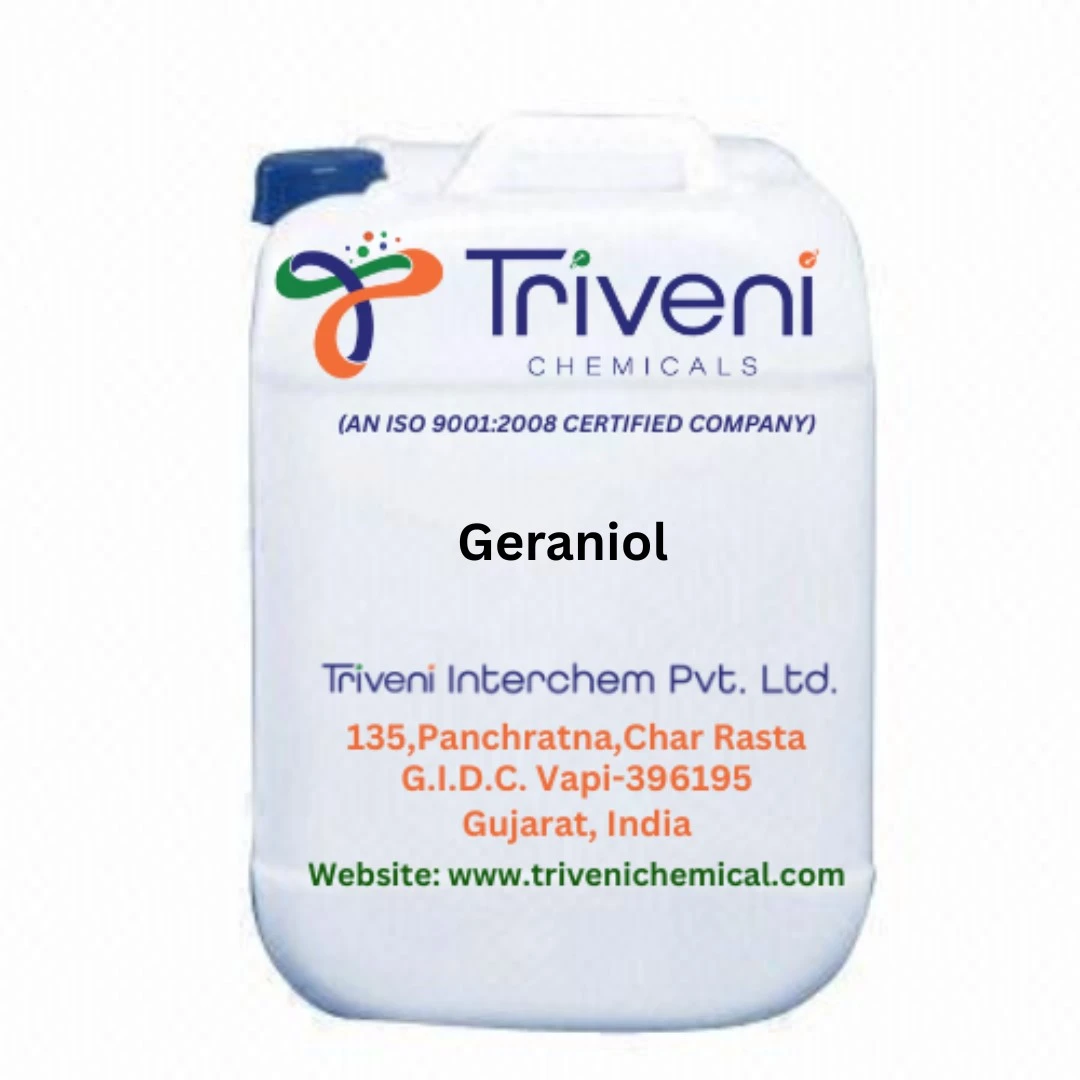
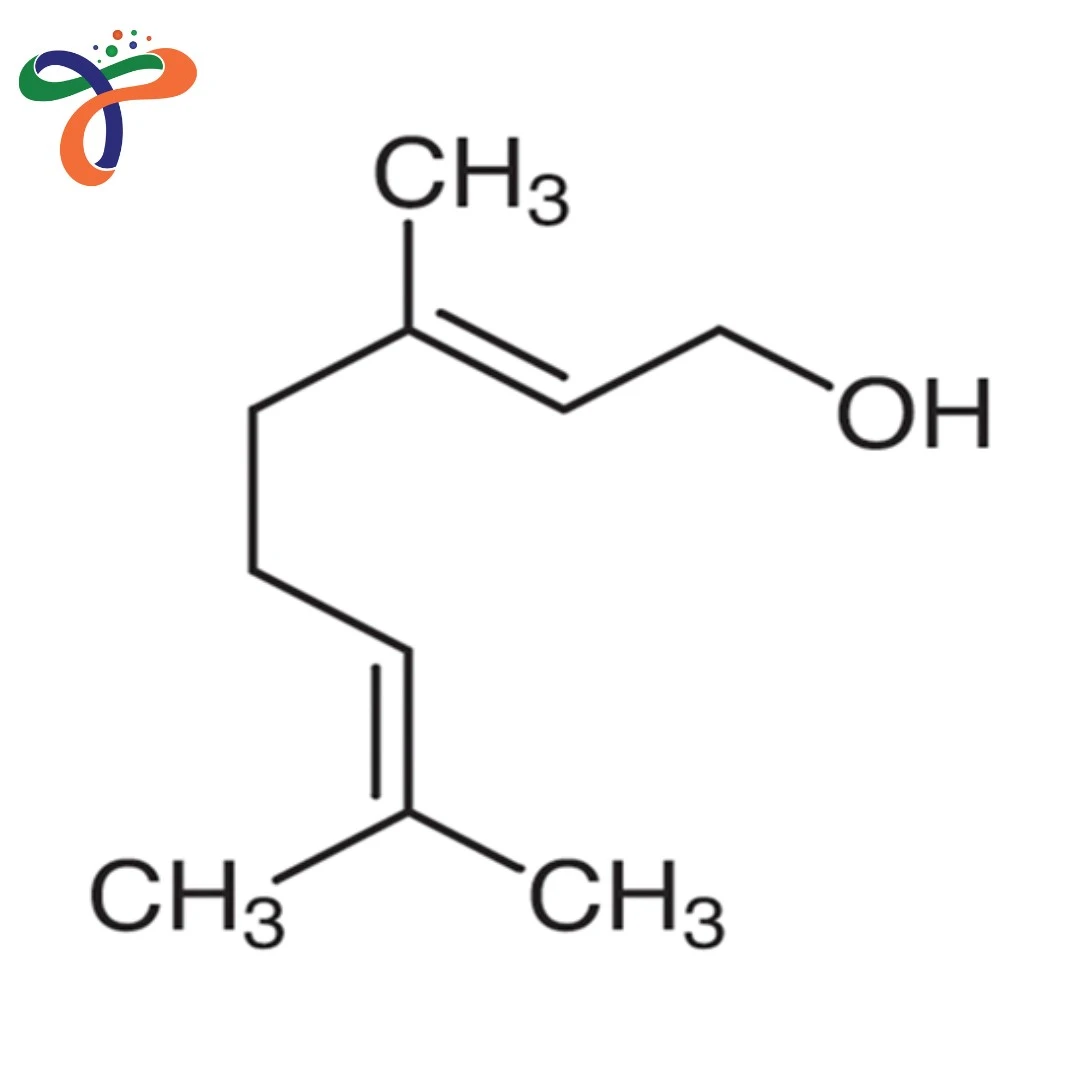
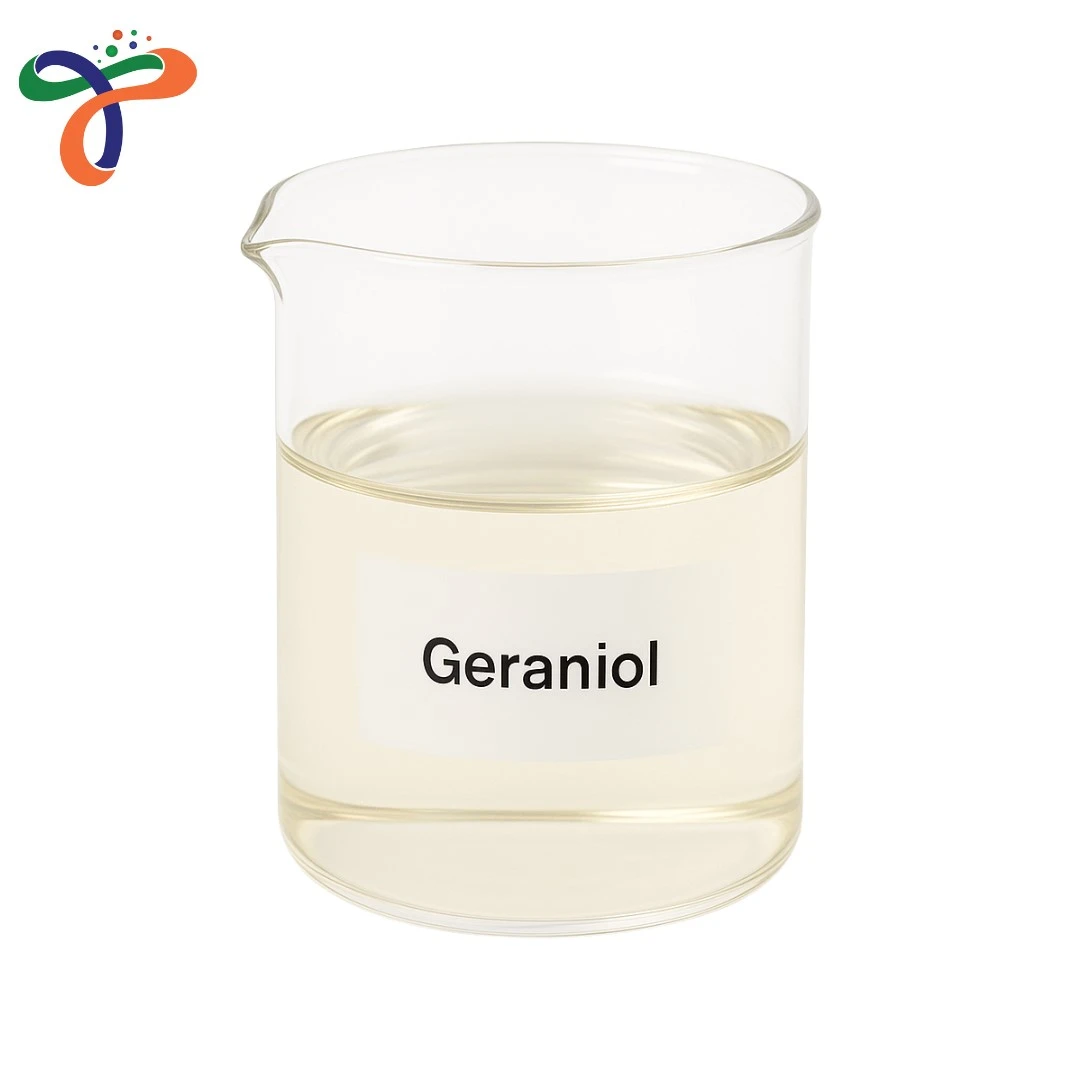
Geraniol | 106-24-1
Cas No :
106-24-1
Synonyms :
Form :
Liquid
Molecular Weight :
154,25 G/mol
Molecular Formula :
C10H18O
Boiling Point :
229 - 230 °c
Melting Point :
-15 °c
Flash Point :
108 °c
Solubility :
Water-0,1 G/l At 25 °c
Description :
Overview of Geraniol
Geraniol is a naturally-occurring terpene alcohol found in many flowers and essential oils that gives their sweet rose-like aroma. Common examples are rose, citronella and palmarosa plants; its use as an aroma chemical in perfumes, cosmetics and personal care products is widespread. Geraniol, best known for its refreshing floral aroma, is widely valued for its extensive use in aromatherapy, skincare formulations, insect repellents and flavoring products. As part of CAS 106-24-1 chemical reference numbers it forms one of the essential natural components in fragrance manufacturing industries worldwide.
Geraniol is widely researched for its potential health benefits, such as cancer prevention due to its antioxidant and anti-inflammatory properties. Additionally, it's used in natural pest control products like Geraniol insecticide for keeping mosquitoes and other bugs at bay.
Applications of Geraniol
Fragrance & Perfume Industry
Geraniol is widely used as a fragrance ingredient in perfumes, body sprays, soaps, and candles. Its fresh, floral aroma adds depth and elegance to fragrance blends and pairs beautifully with Citrus Oils, Woody Notes, and Fruity Aromas.
Cosmetics & Skincare
In skincare products, Geraniol does more than provide a pleasant scent — it may also offer antioxidant and soothing effects. It’s often included in lotions, creams, serums, and hair care formulas for its natural, gentle properties.
Insect Repellents
Because of its plant-based origin, Geraniol is used in natural insect repellent products such as sprays, candles, and lotions. It helps deter mosquitoes and pests without the harsh chemicals found in synthetic repellents.
Food & Flavor Industry
Geraniol is an aromatic flavoring agent widely used in beverages, confectionery, and desserts to impart light, floral, and fruity notes. Naturally found in essential oils like Citronellol and Nerol, Geraniol serves as an effective flavor enhancer and fragrance component in both food and cosmetic formulations.
Health & Research Applications
Recent research has explored Geraniol for its potential role in cancer prevention. Its antioxidant and anti-inflammatory actions are being studied for their possible protective effects on human health.
Safety & Handling Guidelines
Use protective gloves and goggles when handling concentrated Geraniol.
Work in a well-ventilated area to avoid inhalation of vapors.
Store in tightly closed containers, away from heat and direct sunlight.
Follow standard safety procedures and wash thoroughly if skin contact occurs.
Where to Buy Geraniol
Geraniol Manufacturer in India:
ChemicalBull is a trusted Geraniol manufacturer in India, supplying high-purity material for fragrances, cosmetics, insect repellents, and flavor formulations.
Geraniol Supplier & Distributor in Vapi
We offer bulk and small-scale packaging with secure delivery and reliable supply to meet your industrial and commercial needs.
Geraniol MSDS
For more details on toxicity, handling, and environmental information, request the official Material Safety Data Sheet (MSDS) for Geraniol from ChemicalBull.
Frequently Asked Questions
1. Is Geraniol safe for humans?
Yes. Geraniol is generally considered safe when used in appropriate concentrations in cosmetics, fragrances, and food products. Always follow recommended usage levels.
2. Is Geraniol the same as citronella?
Not exactly. Geraniol is one of the main components of citronella oil, but citronella is a mixture of compounds, while Geraniol is a single terpene alcohol.
3. What does Geraniol do to your skin?
Geraniol may provide antioxidant and soothing benefits that can promote healthier skin. Furthermore, its pleasant floral scent makes skincare products even more desirable.
4. What foods are high in Geraniol?
Geraniol is naturally found in foods such as lemons, grapes, blueberries, and peaches, and is present in essential oils like rose and palmarosa.
5. What is Geraniol used for?
Geraniol is used in perfumes, skincare products, insect repellents, flavorings, and research applications. It’s valued for both its scent and its potential health benefits, including possible roles in cancer prevention.
ChemicalBull supplies Geraniol across India, serving customers in Andhra Pradesh, Arunachal Pradesh, Assam, Bihar, Chhattisgarh, Goa, Gujarat, Haryana, Himachal Pradesh, Jharkhand, Karnataka, Kerala, Madhya Pradesh, Maharashtra, Manipur, Meghalaya, Mizoram, Nagaland, Odisha, Punjab, Rajasthan, Sikkim, Tamil Nadu, Telangana, Tripura, Uttar Pradesh, Uttarakhand, and West Bengal, as well as the Union Territories of Andaman & Nicobar Islands, Chandigarh, Dadra & Nagar Haveli and Daman & Diu, Delhi, Jammu & Kashmir, Ladakh, Lakshadweep, and Puducherry. We serve pharmaceutical, chemical, research, academic, laboratory, manufacturing, and industrial customers with reliable nationwide delivery.