Chemical Bull
690
30-Jan-2026
Introduction
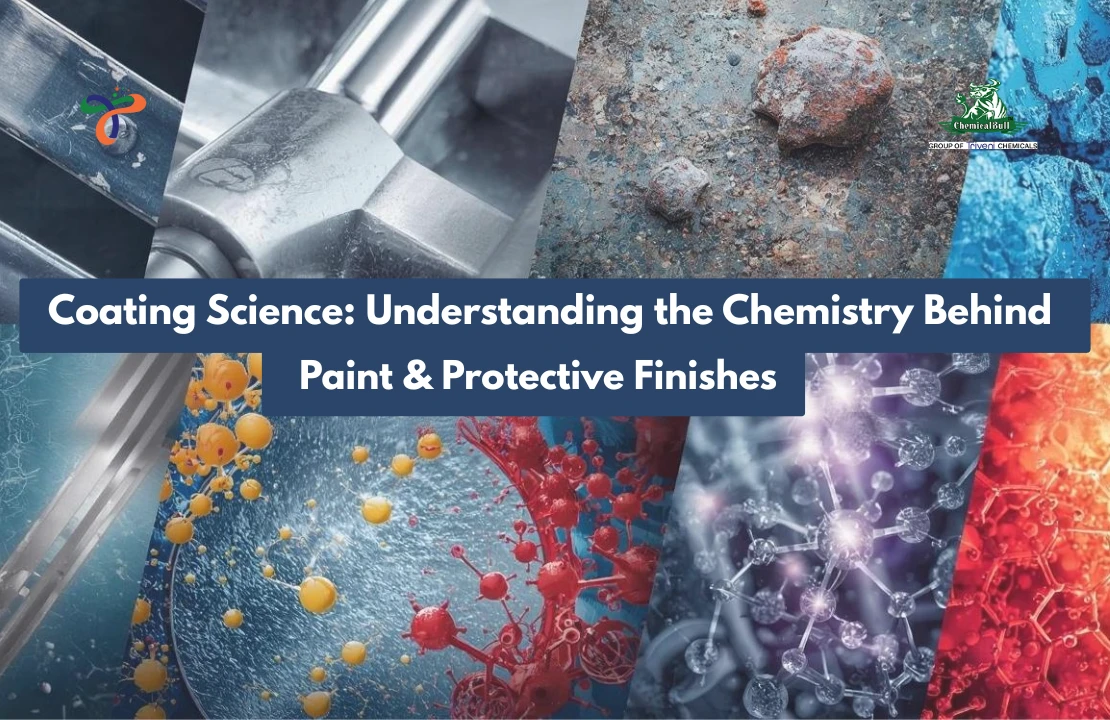
Protective coatings extend the lifespan of surfaces, making them essential in industries where durability, corrosion resistance, and long-term performance matter. Surfaces are constantly exposed to moisture, UV radiation, chemicals, abrasion, and harsh industrial environments, all of which can reduce service life if not properly protected.
At Chemical Bull Pvt. Ltd., a trusted chemical supplier, we provide a wide range of coating raw materials, industrial chemicals, and performance additives that help manufacturers create durable, high-quality finishes across industrial, automotive, construction, and infrastructure applications.
Explore our complete range of Industrial Chemicals for coating, treatment, and surface protection applications.
Importance of Protective Coatings in Industries
Protective coatings are scientifically engineered solutions that safeguard surfaces against environmental, chemical, and mechanical damage.
Key Industries & Benefits:
|
Industry |
Purpose of Coatings |
|
Automotive & Machinery |
Prevent corrosion, abrasion, and chemical damage |
|
Construction |
Protect concrete, steel, and infrastructure |
|
Manufacturing |
Reduce wear & chemical exposure on equipment |
|
Marine & Offshore |
UV, saltwater, and moisture protection |
Primary Benefits:
-
Corrosion Protection – Prevents rust and degradation of metals
-
Wear Resistance – Extends equipment and surface life
-
Environmental Resistance – Shields surfaces from UV rays, moisture, and chemicals
These coating systems are widely used across industrial applications where durability and maintenance reduction are critical.
The Chemistry Behind Protective Coatings
Protective coatings are formulated with polymers, resins, additives, and solvents that work together to create a durable barrier.
Key coating components include:
Polymers and resins
These provide film formation, adhesion, flexibility, and structural strength. Common materials include Epoxy Resin, Nitrocellulose, and Polyvinyl Alcohol for specific coating and binder systems.
Solvents
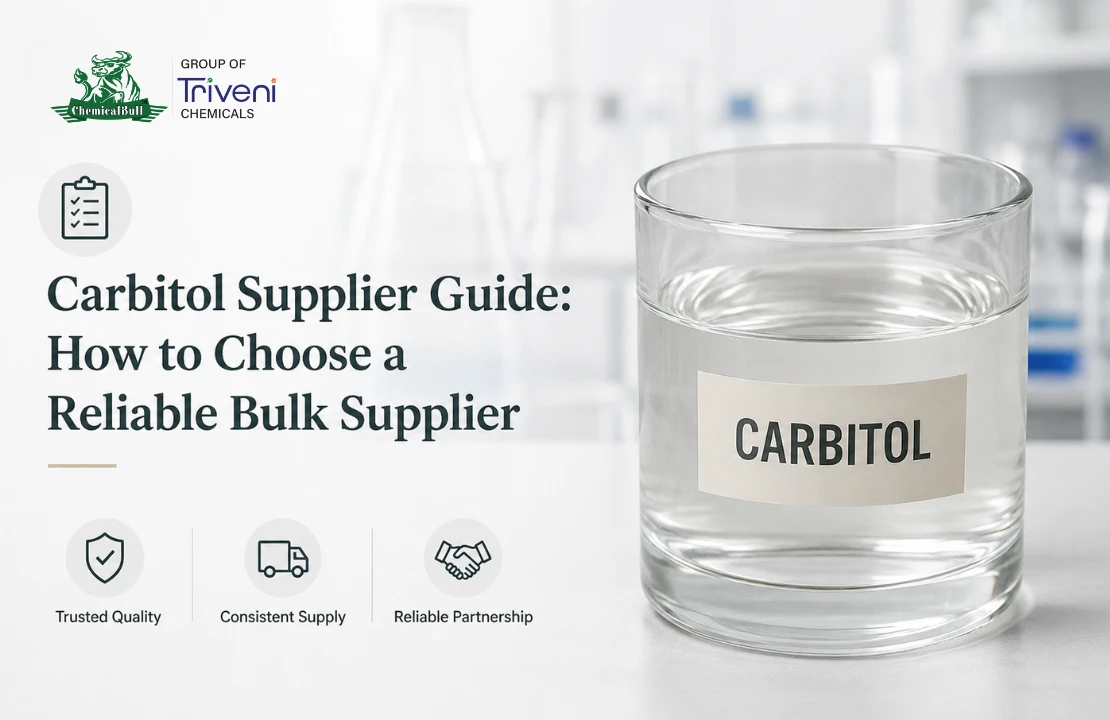
Solvents help control viscosity, improve application, and support proper film formation. Important coating solvents include Acetone, Toluene, Isopropyl Alcohol, and Carbitol.
Pigments and fillers
These improve colour, opacity, surface properties, and durability. Common industrial coating-support chemicals include Barium Sulphate, Calcium Carbonate, Silicon Dioxide, and Chromium Oxide.
Additives
Additives improve flow, curing, anti-corrosion performance, UV stability, and foam control. Examples include Benzotriazole, Tolyltriazole, Silicone Defoamer, and Butylated Hydroxytoluene.
Browse more formulation chemicals in our Industrial Chemicals Category.
Adhesion Mechanisms
-
Mechanical Bonding: Penetrates surface pores to lock the coating physically
-
Chemical Bonding: Covalent or ionic bonding for strong adhesion
-
Electrostatic Attraction: Ensures uniform deposition in powder coatings
Formation of Protective Film
Once applied, coatings cure via air-drying, heating, or UV exposure, forming a solid barrier that protects surfaces from environmental and chemical threats.
Types of Protective Coatings
|
Coating Type |
Purpose |
Product |
|
Anti-Corrosion Coatings |
Protect metals from rust and chemicals |
Zinc Coatings, Epoxy Resin |
|
Heat-Resistant Coatings |
Resist high temperatures in industrial equipment |
High-Temperature Epoxies |
|
UV-Resistant Coatings |
Prevent fading and degradation |
UV Stabilized Industrial Coatings |
|
Waterproof / Moisture-Proof |
Protect concrete, wood, and steel from water damage |
COSTAR Conseal 300 Bitumen Emulsion |
|
Chemical-Resistant Coatings |
Industrial chemical protection |
Specialty Chemical Coatings |
Industrial Applications of Coatings
-
Automotive & Industrial Machinery: Coatings protect surfaces and improve longevity.
-
Construction: Concrete sealers and protective finishes prevent water and chemical damage.
-
Marine & Offshore: Coatings protect vessels, pipelines, and offshore equipment.
Explore full sector-wise use cases on our Applications Page.
Functional Chemicals in Protective Coatings
Industrial chemicals enhance coating performance:
-
UV Stabilisers: Prevent fading
-
Anti-Corrosion Additives: Protect metals from rust
-
Flow & Levelling Agents: Ensure smooth finishes
-
Optical Brighteners: Improve aesthetics
-
Fragrance Chemicals (Geraniol): Optional for speciality coatings
Product Explore:
-
Geraniol → Learn More
Safety & Environmental Considerations
-
Use eco-friendly coatings to reduce environmental impact
-
Ensure proper wastewater treatment for disposal
-
Workers must wear protective gear: gloves, goggles, masks
For more, read: Water Purification Chemistry: How Industrial Chemicals Make Water Clean and Safe
Market Trends & Innovations
-
Eco-friendly, low-VOC coatings are now standard
-
Automation & precise dosing improve efficiency
-
Smart coatings: self-healing, anti-bacterial, UV-protective
-
Digital printing pigments enable complex industrial designs
To understand advanced speciality chemicals used in industrial coatings and protective finishes, read our blog Specialty Chemicals Revolution: High‑Value Solutions for Specific Industrial Needs.
Advantages of Industrial Chemicals in Coatings
-
Enhanced Durability: Resistant to wear, corrosion, and environmental damage
-
Uniform Finish: Smooth, even appearance across surfaces
-
Long-Lasting Protection: Maintain performance over time
-
Special Properties: Flame resistance, UV resistance, chemical resistance
-
Eco-Friendly Options: Reduce environmental footprint
Industrial coatings achieve enhanced durability, adhesion, and chemical resistance with advanced functional chemicals. Agents like Zirconium Octoate provide superior cross-linking, while Benzoguanamine improves hardness and surface performance. For eco-friendly formulations, Lignin enhances UV resistance and adhesion, and Nonylphenol Ethoxylate 20 Mole ensures smooth dispersion of additives. Radical initiators like Tert-butyl Peroxybenzoate aid in curing and polymer network formation, making coatings long-lasting and high-performance.
Why Choose Chemical Bull?
Chemical Bull provides:
-
Industrial-grade protective coatings chemicals
-
Bulk supply for large-scale manufacturing
-
Global shipping and fast delivery
-
Expert guidance on chemical selection
Frequently Asked Questions (FAQs)
- What are the main types of industrial protective coatings?
Anti-corrosion, UV-resistant, chemical-resistant, heat-resistant, waterproof coatings. - How to select the right coating?
Consider environment, substrate, chemical exposure, and desired durability. - How are coatings applied?
Brushing, rolling, spraying, dipping, or electrostatic application. - Why is surface preparation critical?
Ensures adhesion by removing dirt, oil, rust, or old coatings. - How to maintain coatings?
Inspect for damage, clean surfaces, and reapply as needed for maximum protection.
Conclusion
Industrial protective coatings are a blend of science and practical engineering. They protect surfaces from environmental, chemical, and mechanical damage, enhance durability, and maintain aesthetic appeal.
With the right chemical selection and processing, manufacturers can produce surfaces that last longer, perform better, and stay visually appealing.
Whether you are a chemical distributor, industrial manufacturer, or B2B buyer, Chemical Bull provides premium industrial coatings chemicals for every application.
Ready to protect your industrial surfaces? Explore our full range of industrial coating chemicals today!
Comment Section