Chemical Bull
1038
29-Jan-2026
Introduction
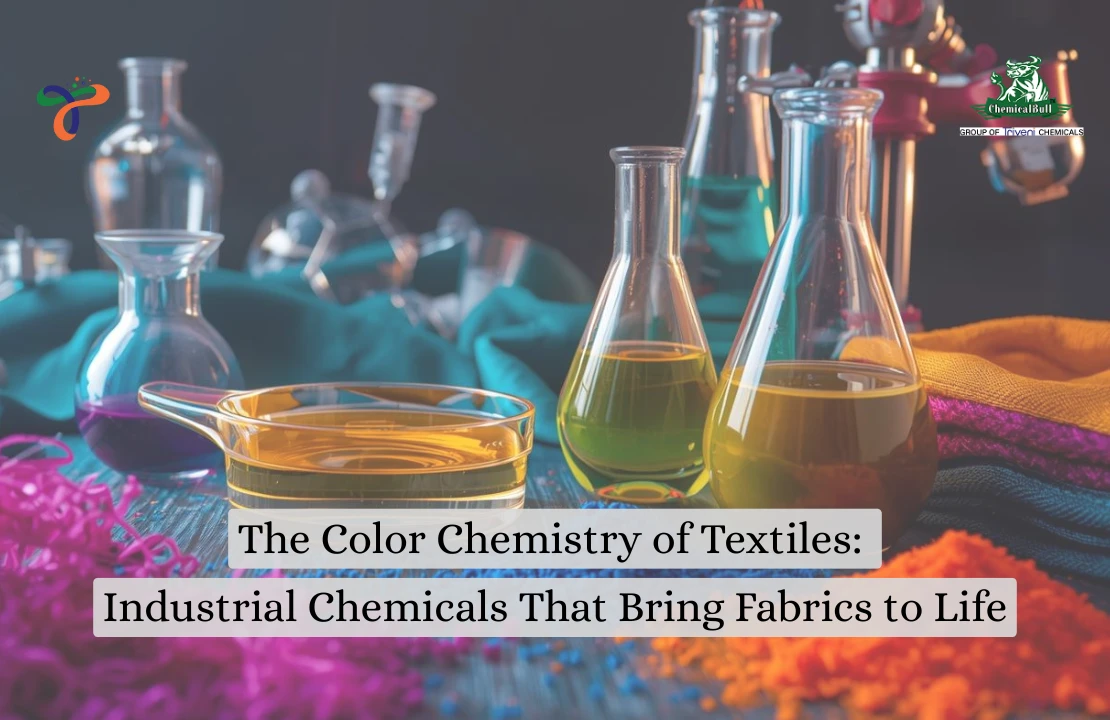
The colour and vibrancy of fabrics do not depend solely on design—they also rely heavily on chemical treatments and precise dyeing processes. Using the right industrial chemicals ensures that fabrics remain vibrant, durable, and of premium quality. For textile manufacturers, having in-depth knowledge of chemical selection, processing, and applications is crucial for producing top-quality fabrics.
As a leading chemical manufacturer, supplier, and distributor, Chemical Bull provides a wide range of industrial chemicals for textile applications, helping businesses create fabrics that stand out globally.
Explore our Textile Chemicals Range for industrial-grade solutions that transform fabrics into vibrant works of art.
Understanding Textile Dyes and Pigments
Textile colouring begins with choosing the right dyes and pigments, depending on the fabric type and desired finish. Proper dyeing ensures color fastness, uniformity, and long-lasting results.
Types of Dyes
Reactive Dyes
-
Ideal for cotton and cellulose-based fabrics. They form covalent bonds with fibers, ensuring long-lasting color.
-
Reactive Dyes → Request a Quote
Acid Dyes
-
Best suited for silk and wool. Acidic conditions allow for vibrant and uniform shades.
Disperse Dyes
-
Designed for synthetic fabrics like polyester, requiring high temperatures for even dyeing.
Pigments
-
Used primarily in textile printing, pigments provide sharp patterns and opacity.
-
Textile Pigments
Textile Chemical Processing
Textile chemical processing covers all steps from pre-treatment to finishing, preparing fabrics for optimal dyeing and functionality.
Key Steps in Chemical Processing
Pre-treatment / Scouring
-
Removes impurities, oils, and waxes.
-
Chemicals: Sodium Hydroxide, Surfactants
Mordanting / Fixing
-
Mordants like alum or metallic salts prepare fibres by creating binding sites for dyes.
-
Alum Chemicals
Dyeing / Colouring
-
Fabrics are immersed in dye solutions to achieve the desired shade.
-
Chemicals: Reactive Dyes, Acid Dyes, Disperse Dyes, Optical Brighteners
-
Reactive Dyes
-
Acid Dyes
-
Optical Brighteners
Printing
-
Patterns are applied using pigments, binders, and thickeners.
-
Textile Pigments
Finishing
-
Enhances fabric properties like softness, wrinkle resistance, and water repellency.
-
Finishing Agents
Drying & Curing
-
Final step to fix chemicals and ensure long-lasting colour and durability.
For more on textile chemical processes, read: Coating Science: Understanding the Chemistry Behind Paint & Protective Finishes
Applications Across Fabric Types
Different fabrics require specific chemical solutions to ensure optimal results:
|
Fabric Type |
Recommended Chemicals |
Key Benefits |
|
|
Cotton |
Reactive Dyes, Optical Brighteners |
Bright, long-lasting colors |
Reactive Dyes |
|
Polyester |
Disperse Dyes, Heat Transfer Agents |
Even color distribution |
Disperse Dyes |
|
Silk |
Acid Dyes, Mild Mordants |
Vibrant shades, soft texture |
Acid Dyes |
|
Wool |
Acid Dyes, Softening Agents |
Smooth, vivid colors |
Acid Dyes |
Geraniol can be used in certain textile fragrance applications to enhance the sensory appeal of fabrics.
To know more about Geraniol and its applications, read our blog: Essential Oils in Textile Applications
Functional Chemicals in Textiles
Beyond color, industrial chemicals provide additional benefits that improve fabric quality:
-
Softening Agents → smoother, more flexible fabric
-
UV Stabilizers → prevent color fading in sunlight
-
Flame Retardants → ensures industrial safety compliance
-
Fragrance Chemicals (Geraniol) → enhances sensory experience
Safety & Environmental Considerations
Handling industrial chemicals safely is critical:
-
Use eco-friendly dyes to reduce environmental impact
-
Wastewater treatment chemicals ensure safe disposal
-
Protective gear is recommended for all workers handling chemicals
For more details, read: Water Purification Chemistry: How Industrial Chemicals Make Water Clean and Safe
Market Trends & Innovations in Textile Chemicals
-
Eco-friendly dyes are now standard in B2B textile manufacturing
-
Automation and precise dosing improve efficiency
-
Digital printing pigments allow for complex patterns
-
Smart textiles with UV protection or antimicrobial properties are emerging
Explore Here:
Advantages of Industrial Chemicals in Textile Manufacturing
Industrial chemicals provide:
-
Enhanced Colour Fastness → fabrics retain vibrant colours after multiple washes
-
Uniform Dyeing → even colour distribution
-
Durability → improved resistance to light, abrasion, and washing
-
Special Effects → Optical Brighteners and fragrance chemicals (Geraniol) enhance appeal
-
Eco-friendly Options → sustainable chemicals reduce environmental impact
Why Choose Chemical Bull?
Chemical Bull is a trusted chemical manufacturer, supplier, and distributor offering:
-
Industrial-grade chemicals for textile dyeing, printing, and finishing
-
Bulk supply for large-scale manufacturing
-
Global shipping and fast delivery
-
Expert guidance on chemical selection for specific fabrics
Key Products:
-
Reactive Dyes → Request a Quote
-
Optical Brighteners → Buy Now
-
Sodium Hydroxide → Check Availability
Frequently Asked Questions (FAQs)
Which chemicals are used in textile dyeing?
Common textile dyes include reactive dyes, acid dyes, disperse dyes, and pigments. The choice depends on fabric type and desired color fastness.
What are the best dyes for different fabrics?
Cotton: Reactive dyes
Polyester: Disperse dyes
Silk & Wool: Acid dyes
How do industrial chemicals improve fabric durability?
Industrial chemicals form strong fiber bonds, ensuring color fastness, resistance to wear, and protection from fading.
Are eco-friendly textile chemicals effective?
Yes, eco-friendly dyes provide high-quality results while reducing environmental impact and meeting regulatory standards.
Can fragrance chemicals be used in textiles?
Yes, chemicals like Geraniol are used to enhance fabric fragrance and sensory appeal.
Why is chemical selection important in textile manufacturing?
The right chemicals ensure consistent quality, durability, and compliance with industry standards.
Conclusion
Textile coloring is a perfect blend of art and chemistry. Industrial chemicals play a crucial role in creating vibrant colours, durability, and commercial appeal. With the right chemical selection and processing, textile manufacturers can produce high-quality fabrics, satisfy clients, and remain competitive in the global market.
Whether you are a chemical distributor, textile manufacturer, or industrial buyer, Chemical Bull provides premium industrial chemicals for every application.
Ready to enhance your fabrics? Explore our full range of textile chemicals today!

Comment Section