Chemical Bull
1969
22-Jan-2026
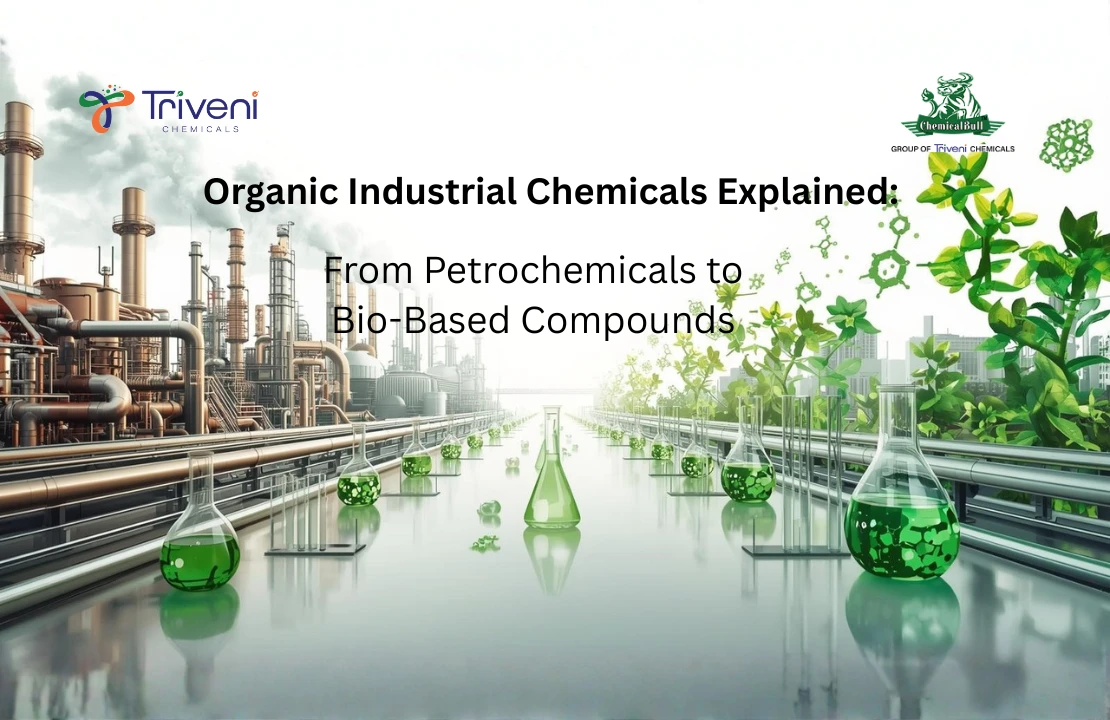
Industrial chemicals form the basis of modern production, providing the base of many products, ranging from textiles and plastics to pharmaceuticals and personal care products. The term "industrial chemicals" usually conjures pictures of huge-scale petrochemical factories, but the industry is fast changing. Nowadays, companies are looking at organic, sustainable, and bio-based chemicals that do not just serve a practical purpose; however, they also adhere to the principles of green chemistry. This blog will look at the various aspects of industrial chemical compounds made from organic materials, which include bio-based chemicals, petrochemicals, as well as their applications, production.
Understanding Industrial Chemicals
Industrial chemicals are those that are manufactured in large quantities for production processes. They are either organic or inorganic, based on their chemical makeup. Organic chemicals are mostly carbon-based substances that include an array of substances such as monomers, solvents, polymers, and special chemicals.
The chemical industry traditionally relies on petrochemicals that are derived from crude oil or natural gas. They are flexible, affordable, efficient, and crucial in the manufacture of numerous everyday items. But environmental issues, as well as sustainability demands, have prompted industries to look into alternative bio-based solutions made from renewable feedstocks, including algae, plants, or Microbial fermentation.
If you want to know more so visit our Understanding Industrial Chemicals: Selection, Properties & Real-World Manufacturing Applications
What Are Petrochemicals?
Petrochemicals are organic chemical compounds that come from natural gas and petroleum. They are the primary raw ingredients for a variety of products that we use every day. Petrochemicals are an essential part of global economic activity, with applications in polymers, synthetic rubber, fertilizers, solvents, detergents, and pharmaceuticals.
Key raw materials in petrochemical production include:
- Ethylene is used in the manufacture of plastics, solvents, and antifreeze.
- Propylene: Essential for polypropylene, a standard plastic.
- Benzene, Toluene, as well as the Xylene (BTX): building blocks for resins, polymers, and synthetic fibres.
Producing petrochemicals typically requires processes like steam cracking, catalytic reforming, and hydrocracking. They convert complex hydrocarbons into smaller molecules that can be used in industrial applications.
Even though petrochemicals have proven to be highly effective, their use and production consume a lot of energy and cause pollution of the environment. This has led to a greater search for sustainable alternatives based on bio-based chemicals.
Organic Chemicals for Industrial Applications
Organic chemicals comprise a broad category of compounds that is composed primarily of hydrogen, carbon, nitrogen, oxygen, as well as sulfur and Halogens. Chemicals are crucial for the production of a variety of goods:
Solvents :
Acetone, ethanol, and ethyl Acetate are widely employed in paints, coatings, or adhesives. They are also used in pharmaceuticals.
Monomers as well as polymers :
Organic chemicals such as styrene, caprolactam, and acrylic acid can be polymerized to create resins, plastics, or fibers.
Specialty Chemicals :
Include flavors and fragrances, along with dyes and intermediates to make the production of fine C chemical compounds.
Organic chemical manufacturing is marked by ingenuity because companies are constantly developing new compounds to enhance performance, lower toxicity, and increase sustainability. When they understand the properties and functions of organic chemical compounds, producers can choose the appropriate chemicals for their specific needs in industry.
Bio-Based Chemicals: A Sustainable Alternative
Bio-based chemicals originate from biological resources that are renewable and not fossil fuels. They are a vital move towards sustainability within the chemical business. The most common feedstocks are corn, sugarcane, and vegetable oils, as well as algae and lignocellulosic biomass.
Benefits of bio-based chemicals:
- Sustainability: Reduced reliance on non-renewable fossil resources.
- Carbon footprint is less: A lot of bio-based processes produce less greenhouse gas.
- Biodegradability: Certain bio-based chemical compounds are easier to recycle or naturally degrade, which reduces environmental impacts.
Some examples of bio-based chemical compounds:
- Itaconic Acid : It is used for coatings, adhesives, and artificial fibers.
- Furfurylamine: a multi-functional intermediate used in polymers and resins.
- Lactic Acid is essential for biodegradable plastics such as Polylactic Acid (PLA).
Production Methods:
- Fermentation microbes transform sugars into organic acids and alcohols.
- conversion to enzymes. The specific enzymes transform feedstocks from renewable sources into functional chemical compounds.
- Chemical Catalysis using Biomass molecules can be chemically altered to make bio-based intermediates.
Bio-based chemicals are being used in sectors that place a high value on environmentally friendly chemical processes and sustainable development in areas such as packaging, cosmetics, and pharmaceuticals.
Petrochemicals vs Bio-Based Chemicals
Understanding the differences between petrochemicals and bio-based chemicals is key for manufacturers and researchers evaluating industrial options.
|
Feature |
Petrochemicals |
Bio-Based Chemicals |
|
Source |
Crude oil, natural gas |
Plants, biomass, microorganisms |
|
Carbon Footprint |
High |
Lower |
|
Renewability |
Non-renewable |
Renewable |
|
Environmental Impact |
Potentially toxic, contributes to pollution |
Generally biodegradable, environmentally friendly |
|
Cost |
Often cheaper due to established infrastructure |
Can be more expensive initially |
|
Applications |
Plastics, solvents, fertilizers, synthetic fibers |
Bioplastics, biodegradable polymers, green solvents, bio-based intermediates |
Green Chemistry within the industrial Sector
Green chemistry is focused on the development of chemicals and chemical products that reduce or eliminate harmful substances, save energy, and use sustainable sources of feedstocks. Integrating green chemistry into manufacturing processes for industrial chemicals can improve environmental sustainability and also increase effectiveness.
The key principles that are used within the industrial sector:
- Utilizing natural raw materials in place of fossil fuels.
- Reduces emissions and waste from reactions.
- Designing biodegradable or recyclable products.
- Reducing energy use through catalysis and process optimization.
Industries that implement environmentally friendly practices typically reap lasting economic advantages, which include lower costs of managing waste and increased conformity to environmental laws.
An application that makes use of Organic Industrial Chemicals
Chemicals used in organic industrial processes, either bio-based or petrochemical, are essential to many industries:
-
Plastics & Polymers :
Polypropylene, polyethene, and polylactic acid (PLA) are commonly employed in construction and packaging. -
Pharmaceuticals :
Organic intermediates facilitate the production of active pharmaceutical components (APIs). -
Cosmetics & Fragrances :
Essential esters, oils and alcohols are utilized in soaps, perfumes as well as in as well as cosmetics. -
Textiles & Coatings :
Pigments, dyes, and polymeric coatings are constructed of organic chemicals to ensure long-term durability, colour stability, and efficiency. -
Agriculture :
Pesticides, fertilizers, and growth regulators for plants depend heavily on chemical organic intermediates.
By being aware of what the characteristics are, as well as the applications and sources, organic chemicals companies can make informed choices that balance cost, performance, and sustainability.
The future of Organic Industrial Chemicals
The chemical industry is rapidly changing thanks to the advancement of technology along with environmental issues and pressures from regulators. Future trends include:
- A rise in the use of bio-based chemical Businesses invest in fermentation and the use of enzymes to make green alternatives.
- Circular Economy initiatives, such as recycling and reusing, make organic chemicals in order to decrease emissions and pollution.
- Innovations in green chemistry in the development of catalysts and reactions which reduce energy use and harmful side-products.
- Integration of AI and automation to optimise chemical processes, forecasting properties of the new substances, and increasing the efficiency of production.
The blend of organic chemical compounds, bio-based substances, and eco-friendly techniques will enable the chemical industry to achieve the global goals of sustainability without degrading efficiency in the industrial sector.
Conclusion
Organic industrial chemicals, which range from bio-based chemicals to petrochemicals, provide the foundation for a variety of contemporary life. Even though petrochemicals are still the dominant choice because of their flexibility and efficiency, the advent of bio-based chemicals as well as green chemical principles are shaping the future of sustainability for the sector. When you understand the source of these chemicals, their applications, and the benefits of these chemical products, companies research institutes, companies, and researchers can make informed decisions that promote industrial growth and sustainability. At the Group of Triveni, We are the Trusted Manufacturer, Supplier and Exporter of the Industrial Chemicals.
Future of industrial chemical is in the areas of sustainability, innovation and responsible manufacturing. organic chemicals are likely to be a key element in changing industries across the globe.


Comment Section