
Chemical Bull
1084
13-Feb-2026
Introduction
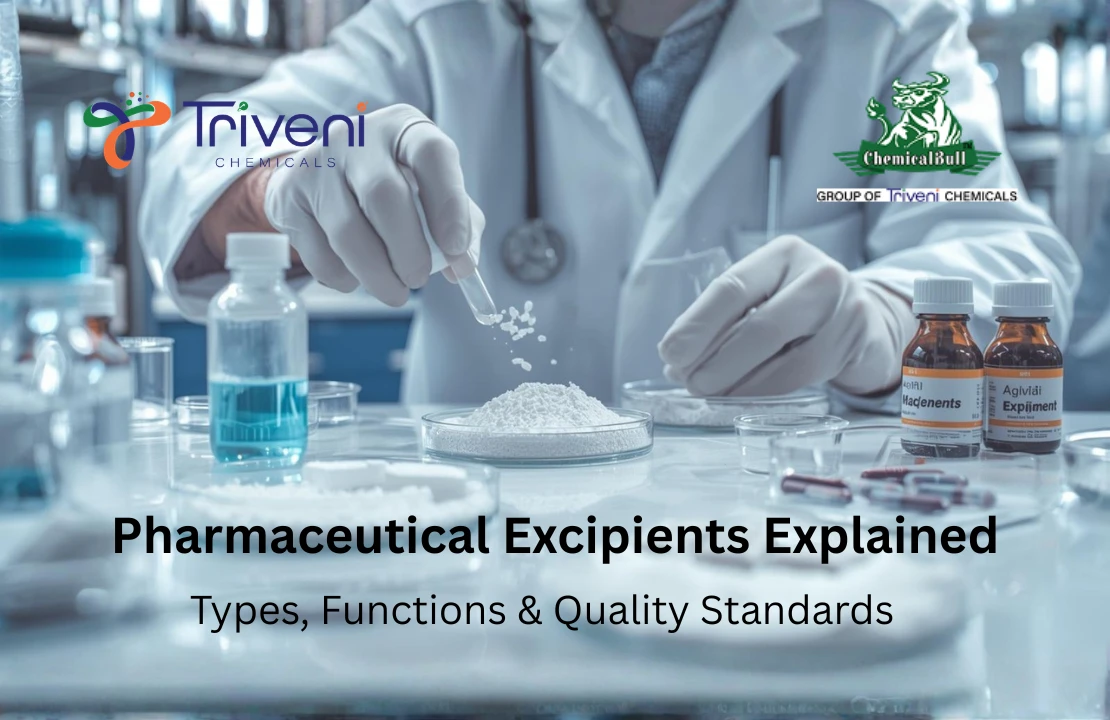
Are you curious about the ingredient that is the main ingredient in the medications you take? Although the active pharmaceutical ingredient (API) is the focus of treatment for your illness, there's another of pharmaceutical excipients operating on the side. Inactive ingredients comprise about 50 to 90% of all medications, but few are aware of their crucial role in the modern world of medicine.
Excipients from pharmaceuticals are the essential ingredients that transform drugs from pure substances into reliable, secure, and safe medications for patients. From the pill you take and the drink you sip, excipients are often the unnoticed protagonists in drug formulation. This guide provides a comprehensive explanation of the inactive pharmaceutical ingredients, why they are important, and what they can do to ensure that your medicines work according to plan.
Looking for more details? Check out our complete guide: Pharmaceutical Chemicals: Complete Guide to Types, Applications, and Quality Standards
What Are Pharmaceutical Excipients?
Excipients for drugs are included in pharmaceutical formulations along with the active drugs. The word "excipient" is derived from the Latin term excipere, which means "to exempt" or "to exclusion," reflecting their non-therapeutic nature. But, to call these substances actually "inactive" isn't accurate. While active ingredients do not directly address your illness, they do perform crucial functions in determining whether the drug is effective at all.
Modern pharmaceuticals contain a variety of excipients, all carefully selected to serve a specific purpose. One tablet may contain several pharmaceutical components that work:
- Send the medication to the correct place within your body
- Guard the medication against light and moisture
- Allow the tablet to take in
- Ensure consistent dosing
- Enhance appearance and taste
- Extend shelf life
The FDA keeps an Inactive Ingredient Database containing all the drug excipients permitted for use in the marketing of drugs, along with the safest concentrations for each method of administration. The understanding of the excipients used in the formulation of drugs is crucial for scientists in the field of pharmaceuticals, as well as manufacturers and everyone else curious about how medications make their way through the process of manufacturing.
for high-end chemical products for pharmaceuticals that include active ingredients and excipients. reliable suppliers guarantee that formulations comply with the highest standards of industry.
Major Types of Pharmaceutical Excipients
Binders: The Glue That Holds It Together
Excipients in tablets, like binders, give physical strength and help hold the ingredients in place in compression. The most common binder types are starch derivatives of cellulose, cellulose derivatives, and polyvinylpyrrolidone (PVP). The binder you choose will affect the hardness of tablets, how fast they split, and, ultimately, how effectively the substance is taken in.
Disintegrants: Breaking Down for Absorption
Disintegrants are binders that work in the opposite direction. They assist tablets in breaking apart the digestive system. Super-disintegrants, like Croscarmellose sodium, expand rapidly after being exposed to water. This allows the drug to dissolve and then be absorbed. This is essential when it comes to oral formulas since the drug must be dissolvable prior to being effective.
Fillers (Diluents): Adding the Right Size
A variety of drugs can be potent even when used in small amounts, sometimes only a few milligrams. Fillers for pharmaceuticals add bulk to produce tablets of a reasonable size that can be taken in and easily swallowed. Microcrystalline cellulose (microcrystalline lactose), microcrystalline cellulose, and mannitol are the most popular fillers that are chosen for their compatibility with drugs and the manufacturing specifications.
Lubricants and Glidants: Smooth Manufacturing
Magnesium stearate is a lubricant that reduces friction when compressing tablets, which prevents them from adhering to the equipment. Glidants increase the flow of powder and ensure that each tablet has exactly the amount of medicine. The pharmaceutical ingredients listed above are crucial to ensure consistent and high-quality production.
Coating Agents: Protection and Targeted Delivery
Coatings have multiple functions for drug delivery systems. They can mask undesirable tastes and protect the drug from acid in the stomach, manage release rates, and enhance appearance. Film coatings make use of polymers such as hydroxypropyl methylcellulose. Enteric coatings focus on delivery to the digestive tract, not the stomach.
Preservatives: Preventing Contamination
Semi-solid and liquid formulations need preservatives in order to avoid the growth of microbes. The inactive ingredients will ensure that medications are safe for the duration of their shelf lives, which is especially essential for multi-dose bottles that are used repeatedly.
Sweeteners and Flavoring Agents: Making Medicine Palatable
Importantly, for medications used by children, sweeteners and flavor enhance flavor and help to increase acceptance. Artificial and natural flavoring agents make bitter ingredients taste pleasant. drugs that patients would actually like to consume.
Key Functions of Excipients in Drug Formulation
Excipients' role in the formulation of drugs goes beyond filling in the space. The advanced materials allow:
Productivity: Proper tablet excipients for tablets ensure a smooth production that has minimal problems with equipment, as well as a constant quality batch from batch to batch.
Drug Stability: A variety of pharmaceutical excipients guard against degradation due to oxygen, moisture, or light variations, thus extending shelf lives between months and years.
Bioavailability Enhancement: Certain excipients increase the amount of drug that gets into the bloodstream. Absorption enhancers and solubility stimulators can significantly increase the effectiveness of a medication.
Patient Satisfaction: By increasing taste, appearance, and the process of administering the inactive components of pharmaceuticals, it aids in ensuring that patients are taking their medications according to their prescriptions, which is a crucial factor for the success of treatment.
Targeted Delivery: The most advanced drug delivery systems employ specific excipients designed to release medication when it is needed at particular times or locations, which improves efficacy and reduces adverse effects.
Excipient Selection Criteria
The selection of the appropriate pharmaceutical excipients can be a complicated process that has an impact on all aspects of pharmaceutical product creation.
Compatible with Active Ingredients
The main concern is to make sure that excipients do not interact with the active pharmaceutical ingredient (API). Studies of compatibility using methods like calorimetry, differential scanning, and stability tests can identify possible issues prior to full-scale production.
Manufacturing Process Requirements
Different manufacturing methods require different characteristics of the excipient. Direct compression demands materials that have outstanding flow and compressibility. Wet granulation needs strong binders. Excipient producers have created specific grades designed to be used in various production methods.
Regulatory Considerations
Making use of well-known pharmaceutical ingredients that have established safety records streamlines the process of approval. New excipients need lengthy testing and documentation, possibly adding years to the development timelines.
Patient-Specific Needs
Specific populations require specific dosages. Lactose-free options serve lactose-intolerant patients. The sugar-free options are beneficial to those with diabetes. The use of alcohol-free oral formulas is essential for kids and some religious communities.
Quality Standards for Pharmaceutical Excipients
Pharmaceutical Excipients have to meet strict quality standards to ensure the safety of their users, purity, and consistency.
Pharmacopeial Standards
Official compendia like the USP-NF (United States Pharmacopeia-National Formulary) and European Pharmacopoeia define quality standards for commonly used drug excipients. These monographs specify:
- Pure and identity tests
- Acceptable impurity limits for impurities
- Physical property specification
- Standardized test procedures
Good Manufacturing Practices
The International Pharmaceutical Excipients Council (IPEC) established guidelines for GMP-E specifically aimed at excipient manufacturing. The guidelines ensure that manufacturers of excipients have quality control systems that are comparable to those employed for active drugs.
Supplier Qualification
Pharmaceutical companies have to qualify suppliers of excipients through inspections, review of documents, and ongoing monitoring of quality. Supply chain oversight is essential to ensure that each ingredient is in line with specifications.
Quality medical chemicals, as well as excipients that are supplied by certified vendors, form the base of dependable drug formulations.
Emerging Trends in Excipient Technology
The area of pharmaceutical excipients keeps evolving with new and exciting developments:
Multifunctional Excipients: New materials combine multiple properties—acting as binders, disintegrants, and fillers simultaneously — simplifying formulations and reducing costs.
Co-Processed excipients: The co-processed excipients combine complementary materials in order to improve the performance of each excipient.
Alternatives that are sustainable and natural: The increasing demand for organic, biodegradable alternatives for excipients made from petroleum reflects growing concern for the environment within the pharmaceutical industry.
Advanced Drug Delivery: Innovative excipients can be used to create sophisticated drug delivery systems that include liposomes, nanoparticle implants, and other devices that enhance the ability to target and control release.
Conclusion
Pharmaceutical excipients are far more than simple inactive ingredients—they're sophisticated materials essential to modern medicine. These carefully selected Active pharmaceutical ingredients transform pure drugs into stable, manufacturable, and patient-friendly dosage forms.
Understanding excipients in drug formulation reveals the complexity behind every tablet, capsule, and liquid medication. From ensuring proper drug release to enabling large-scale manufacturing, drug excipients make modern pharmaceuticals possible.
Success in pharmaceutical development requires expertise in excipient selection, quality control, and formulation science. By choosing appropriate tablet excipients and partnering with reputable excipient manufacturers, pharmaceutical companies create robust oral formulations that deliver consistent therapeutic benefits. At the Group of Triveni, we are the supplier and Global exporter of Active pharmaceutical ingredients chemical products.
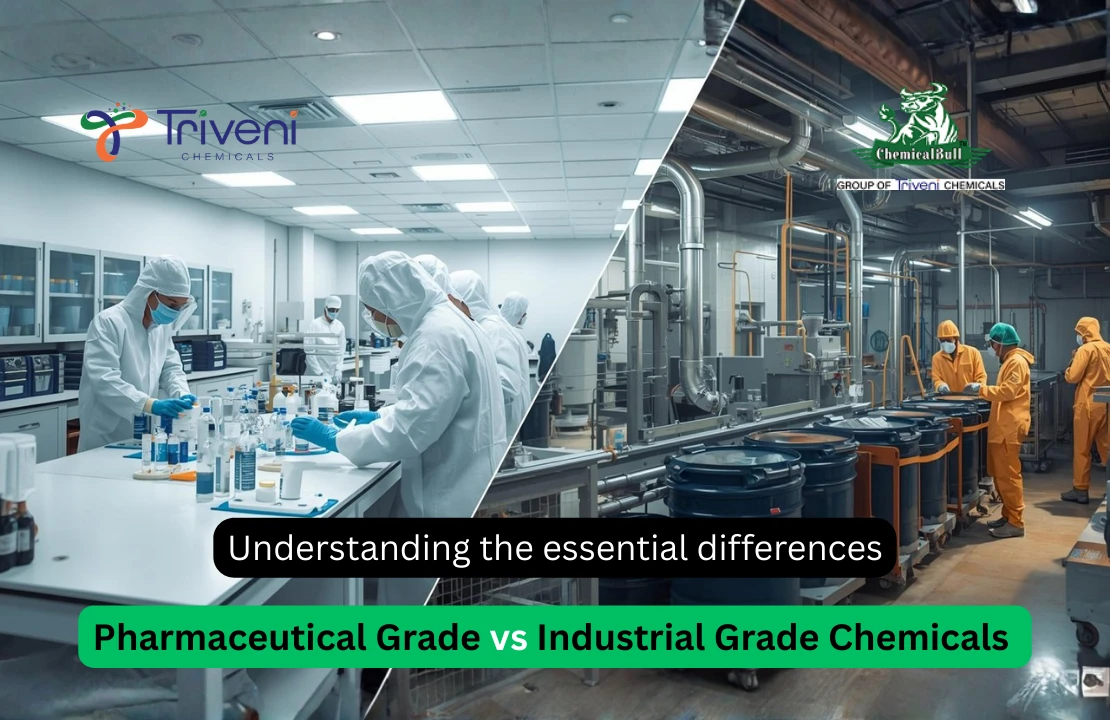
Pharmaceutical Grade Vs Industrial Grade Chemicals: Understanding The Essential Differences
14-Feb-2026
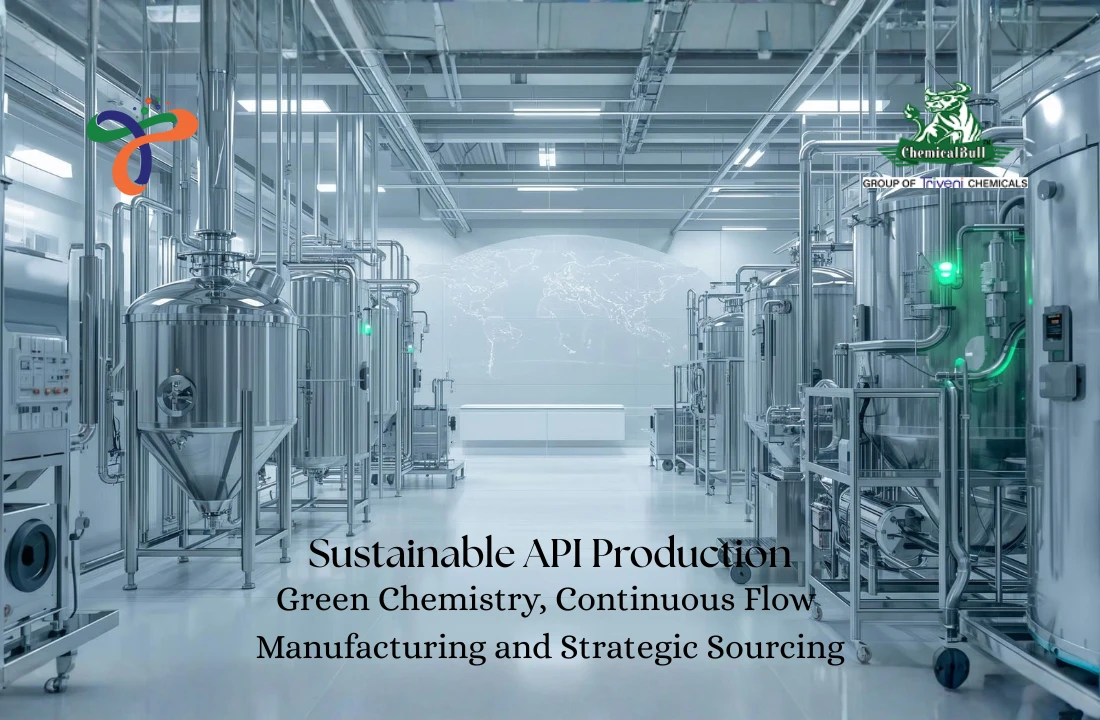
Sustainable Api Production: Green Chemistry, Continuous Flow Manufacturing And Strategic Sourcing
12-Feb-2026

Comment Section