Lactic Acid | 50-21-5
Cas No :
50-21-5
Synonyms :
Form :
Liquid
Molecular Weight :
90.08 G/mol
Molecular Formula :
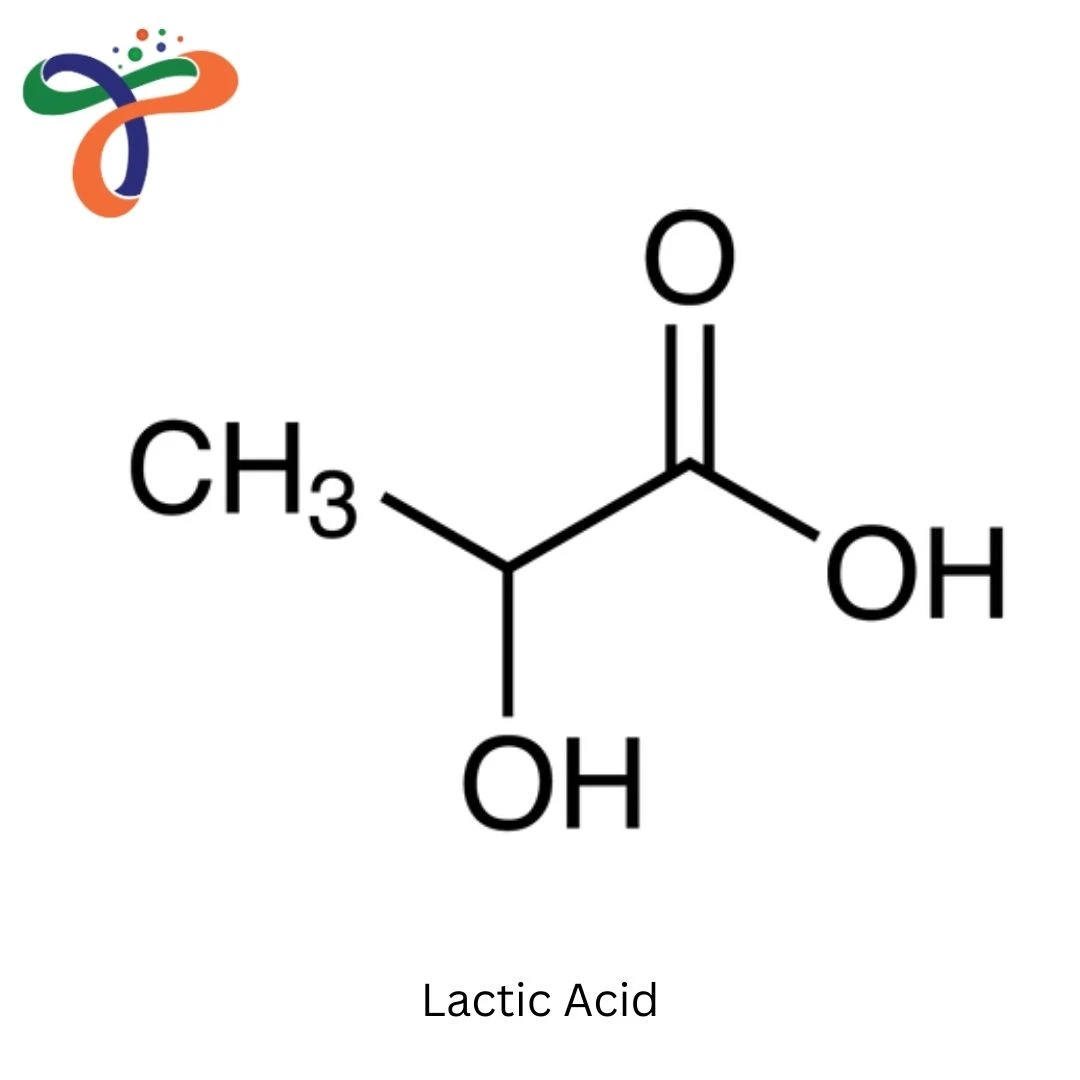
C₃H₆O₃
Boiling Point :
122 °c
Melting Point :
17 °c
Flash Point :
113 °c
Solubility :
Miscible With Water, Ethanol, Acetone
Description :
Lactic Acid Suppliers, Manufacturers & Distributors in India
Overview
Chemical Bull is one of the trusted Lactic Acid suppliers, manufacturers, and distributors in India, providing high-purity Lactic Acid in bulk to cosmetic formulators, personal care brands, pharmaceutical companies, and chemical distributors across India and globally.
Lactic Acid (CAS No. 50-21-5) is a powerful Alpha Hydroxy Acid (AHA) naturally derived through the fermentation of carbohydrates. It is a cornerstone ingredient in modern skincare, prized for its exceptional ability to exfoliate, hydrate, and brighten the skin. As leading Lactic Acid manufacturers in India, we supply premium-grade material that meets rigorous quality standards, ensuring consistent performance for high-end cosmetic and dermatological formulations.
Explore our Personal Care Chemicals category to discover other essential ingredients for your advanced cosmetic and skincare formulations.
Why Choose Chemical Bull as Lactic Acid supplier and distributor?
-
Trusted B2B Partner: An established supply chain serving premium cosmetic brands, skincare formulators, and pharmaceutical companies globally.
-
Bulk Supply for Industrial Needs: Flexible packaging solutions tailored to your production volume, from medium-scale batches to large industrial shipments.
-
Verified Quality: High-purity Lactic Acid supplied with consistent performance metrics suitable for sensitive cosmetic and dermatological applications.
-
Global Reach: As a recognized Lactic Acid global exporter, we provide reliable international logistics and export-ready documentation.
-
Competitive Pricing: Transparent, volume-based pricing structures for manufacturers, Lactic Acid wholesalers, and distributors.
-
Complete Documentation: We provide comprehensive technical support, including Lactic Acid msds, Certificates of Analysis (CoA), and TDS upon request.
Applications in Personal Care & Cosmetics
Lactic Acid is a multifunctional ingredient, valued for its gentle effectiveness and versatility in beauty and health formulations.
1. Skincare & Cosmetic Formulations
As a gentle AHA, it is the gold standard for skin rejuvenation.
-
Applications: Anti-aging creams, skin-brightening serums, exfoliating toners, lotions, and chemical peels.
-
Benefits: Promotes cell turnover, gently exfoliates dead skin cells, enhances natural skin hydration (humectant properties), and helps improve skin texture and tone.
2. Pharmaceutical & Dermatological Applications
Used as a pH regulator and active excipient in medicated products.
-
Applications: Topical treatments for acne, dermatological ointments, and medicinal gels.
-
Benefits: Helps maintain the ideal acidic pH of the skin barrier, enhances the absorption of other active ingredients, and supports therapeutic efficacy.
3. Hair Care
Utilized for scalp health and hair conditioning.
-
Applications: Scalp treatment serums and pH-balanced shampoos.
-
Benefits: Helps regulate scalp pH and improves the overall condition and manageability of hair fibers.
B2B Buyers We Serve as Lactic Acid supplier
Chemical Bull is a preferred sourcing partner for:
-
Personal care and cosmetic product manufacturers
-
Skincare, haircare, and color cosmetics formulators
-
Pharmaceutical API and formulation companies
-
Specialty chemical distributors, Lactic Acid suppliers, and traders
-
Contract Manufacturing Organizations (CMOs)
Frequently Asked Questions (FAQ)
-
What is Lactic Acid used for in personal care?
It is primarily used as an exfoliant (AHA) to improve skin texture, brighten the complexion, and boost hydration in lotions, serums, and peels. -
Are you certified Lactic Acid manufacturers in India?
Yes, Chemical Bull is one of the leading Lactic Acid manufacturers and suppliers, maintaining strict quality control for all our chemical outputs. -
Can I get technical documents like the MSDS?
Yes, we provide the Lactic Acid msds, along with CoA and TDS, to support your regulatory and quality assurance needs. -
Do you offer bulk supply for export?
Yes, as a leading Lactic Acid distributor, we support both domestic clients and international importers with professional export-ready packaging and logistics. -
How can I request a quote?
Contact our sales team today to discuss your volume requirements, and we will provide competitive wholesale pricing.
Need a reliable, high-purity Lactic Acid supplier for your production lines?
Contact Chemical Bull today to request a quote, confirm grade availability, or download technical documentation. Our team ensures consistent quality, competitive pricing, and on-time delivery for every bulk order.
Related Products from Personal Care Chemicals
ChemicalBull supplies Lactic Acid across India, serving customers in Andhra Pradesh, Arunachal Pradesh, Assam, Bihar, Chhattisgarh, Goa, Gujarat, Haryana, Himachal Pradesh, Jharkhand, Karnataka, Kerala, Madhya Pradesh, Maharashtra, Manipur, Meghalaya, Mizoram, Nagaland, Odisha, Punjab, Rajasthan, Sikkim, Tamil Nadu, Telangana, Tripura, Uttar Pradesh, Uttarakhand, and West Bengal, as well as the Union Territories of Andaman & Nicobar Islands, Chandigarh, Dadra & Nagar Haveli and Daman & Diu, Delhi, Jammu & Kashmir, Ladakh, Lakshadweep, and Puducherry. We serve pharmaceutical, chemical, research, academic, laboratory, manufacturing, and industrial customers with reliable nationwide delivery.