

Chemical Bull
1819
19-Aug-2025
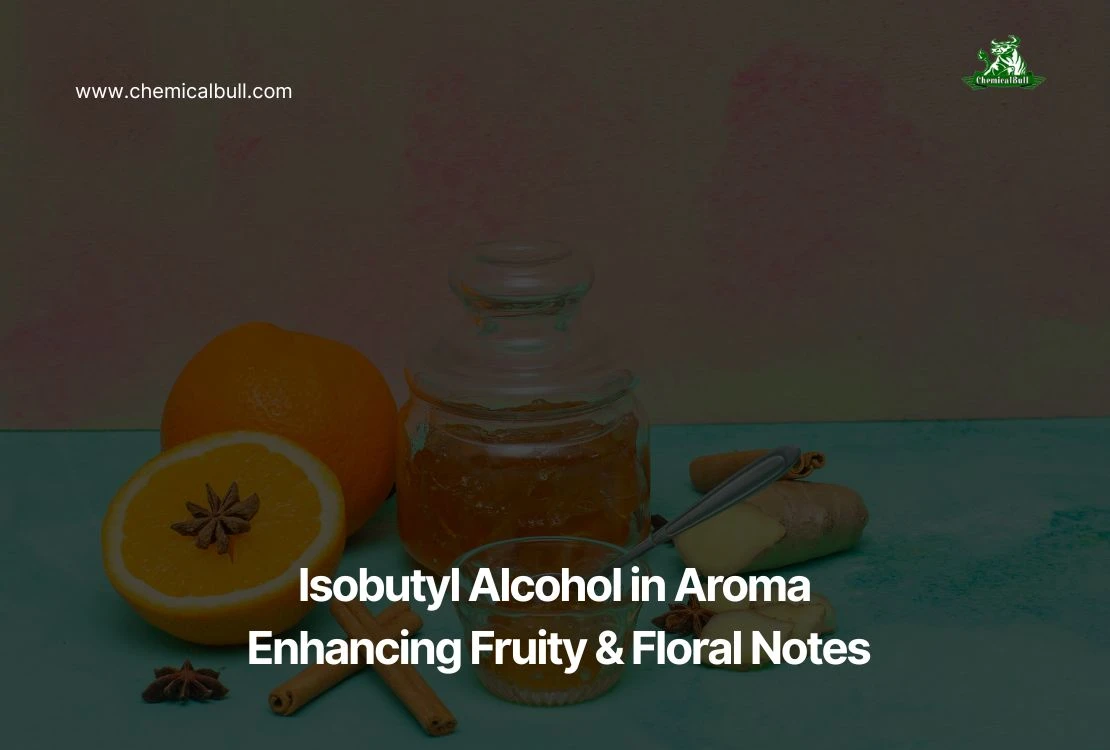
In the wide world of perfumery, where science is a part of chemistry, each ingredient has a unique contribution. One of the unsung hero elements in the creation of fragrances can be Isobutyl Alcohol. The odorless and colorless alcohol serves not only a functional purpose but also enhances the fragrances' smell, experience, and overall effectiveness.
The compound can be beneficial in the context of fruity fragrance chemicals as well as floral scent raw materials. This makes it an essential ingredient for professionals in the perfume industry. In this blog, we'll look at the definition of Isobutyl Alcohol, what it is, how it improves scent profiles, and the best way to get the best perfume ingredient supplier.
What is Isobutyl Alcohol?
Isobutyl alcohol (IBA), also referred to as 2-methyl-1-propanol, is a branched-chain alcohol that is used widely across a variety of sectors. Within the realm of fragrance and scent, it functions as a carrier, solvent, and blending agent. It's prized for its ability to dissolve complex fragrance ingredients, subtly altering their fragrance throw and duration.
While it's not an aroma in its own right, it plays an essential function in the way that the skin absorbs a fragrance. It's a tinier but vital part of the toolkit of perfume makers.
Aroma Performance: Why Isobutyl Alcohol Matters
Much of the attention in perfume formulation is paid to essential oils, absolutes, and aroma molecules. Isobutyl alcohol lets the star shine.
Solubility & Stability
Isobutyl Alcohol is impermeable to most aromatic organic solvents as well as other oils, which allows seamless integration of the ingredients. It also ensures the stability of fragrance throughout time and minimises the possibility of phase separation and sedimentation in the final product.
Evaporation & Volatility
The moderate rate of evaporation in IBA facilitates the better carrying of light, middle, and top notes. For a floral and fruity blends, the diffusion is enhanced, and the sillage is notable. This is particularly true in environments with high humidity or open air.
Improved Olfactory Balance
It serves in the role of a "bridging agent," helping diverse scent molecules mix smoothly. The result is a more cohesive, elegant scent structure--particularly beneficial in floral scent raw materials where multiple flower notes need to harmonise.
Isobutyl Alcohol in Fruity Fragrance Chemicals
Fruity fragrances usually use synthetic esters as well as aldehydes to reproduce the sweet and ripe nature of the fruits. But, these substances tend to be volatile and could be destroyed or overpowering if they are not treated with appropriate control.
How IBA Helps Fruity Scents:
-
It balances sweetness by softening sharp and harsh esters.
-
Enhances blendability by blending the top notes of citrus or green to create a more authentic flavour.
-
Enhances the life of notes of fruit, such as apple, peach, strawberry, and mango, that otherwise quickly fade.
It is an effective ingredient in formulations that need clarity and durability in perfumes with fruity scents, such as body mists, perfumes, and home fragrances.
Isobutyl Alcohol in Floral Scent Raw Materials
Flowers are notoriously complicated and require delicate layers of notes to recreate their rich, soft, powdery, or green nature. Isobutyl alcohol is a key ingredient in an olfactory and technical function.
Applications in Floral Perfume Creation:
-
Increases the clarity of delicate florals such as lily-of-the-valley or freesia.
-
Prevents florals with heavy scents from cloying by improving diffusion.
-
Helps fix delicate floral aldehydes, enabling a fresher, more modern floral character.
-
Allows for uniform mixing of natural substances and synthetic scent molecules.
If used correctly, IBA can give florals with a slight "lift," improving both the first impression and dry-down.
Broader Applications in the Fragrance Industry
Alongside a delicate fragrance, it is utilized in the following areas:
-
Deodorants and body sprays are used because of their speedy drying and mixing characteristics.
-
Fresheners for the room and fabrics allow for even distribution without obstructing the air.
-
Soap and detergent fragrance bases maintain the integrity of fragrances even in environments with high pH.
Its versatility across both water-based and alcohol-based systems makes it indispensable to formulators.
Sourcing Isobutyl Alcohol: Why Supplier Choice Matters
If you are choosing a perfume ingredient provider, quality and consistency are the most critical factors. Not all Isobutyl Alcohols are acceptable for use in the perfumery or personal care industries. This is why choosing an aroma chemical supplier that specializes in this area is crucial.
What to Look for in a Supplier:
-
It is a cosmetic and fragrance-grade alcohol.
-
Technical assistance for formula guidelines
-
The compliance with IFRA REACH, IFRA, and international safety requirements
-
Transparent documentation (SDS, COA, allergen declarations)
A reliable supplier will often also carry other ingredients in addition, which allows perfume makers to get their fragrances, floral and fruity fragrance chemicals, from a single trusted supplier.
FAQs About Isobutyl Alcohol in Fragrance
Q: Is isobutyl alcohol acceptable to be used in perfumes?
It is commonly used in perfumery, provided it is employed within the limits of IFRA's recommended guidelines and sourced from a reliable manufacturer.
Q: Do they have the scent that is its own?
A: It's got an extremely mild alcohol smell; however, it isn't usually detectable in the final fragrances.
Q What is the best way to use it for clean-label or natural products?
A: Although it is not regarded as "natural," it can be utilised in formulations that are clean according to the definition of the brand and the regulatory position.
Final Thoughts: Small Ingredient, Big Impact
Though it's not able to carry the glamour of jasmine absolute and oud oil, it plays a crucial, but sometimes invisible, role in how perfumes smell and function. It increases the intensity of scents, facilitates the blending process, and supports delicate floral and fruity fragrances in ways that few other ingredients can.
For perfumers and brands looking for high-end formulations, purchasing top-quality isobutyl alcohol from a trusted aroma chemical supplier is an excellent choice. You're investing in quality fragrance as well as performance and customer experiences.
Looking to buy isobutyl alcohol or explore floral scent raw materials and fruity fragrance chemicals?
Partner with a knowledgeable perfume ingredient supplier who understands the needs of your formulation. When you're creating a refreshing fragrance for summer or an elegant floral arrangement, choosing the right ingredients and the perfect partner can make all the difference.
Pharmaceutical Grade Vs Industrial Grade Chemicals: Understanding The Essential Differences
14-Feb-2026

Sustainable Api Production: Green Chemistry, Continuous Flow Manufacturing And Strategic Sourcing
12-Feb-2026

Comment Section