Chemical Bull
12719
19-Aug-2025
Understanding Isoamyl Acetate: The Science Behind Banana Oil
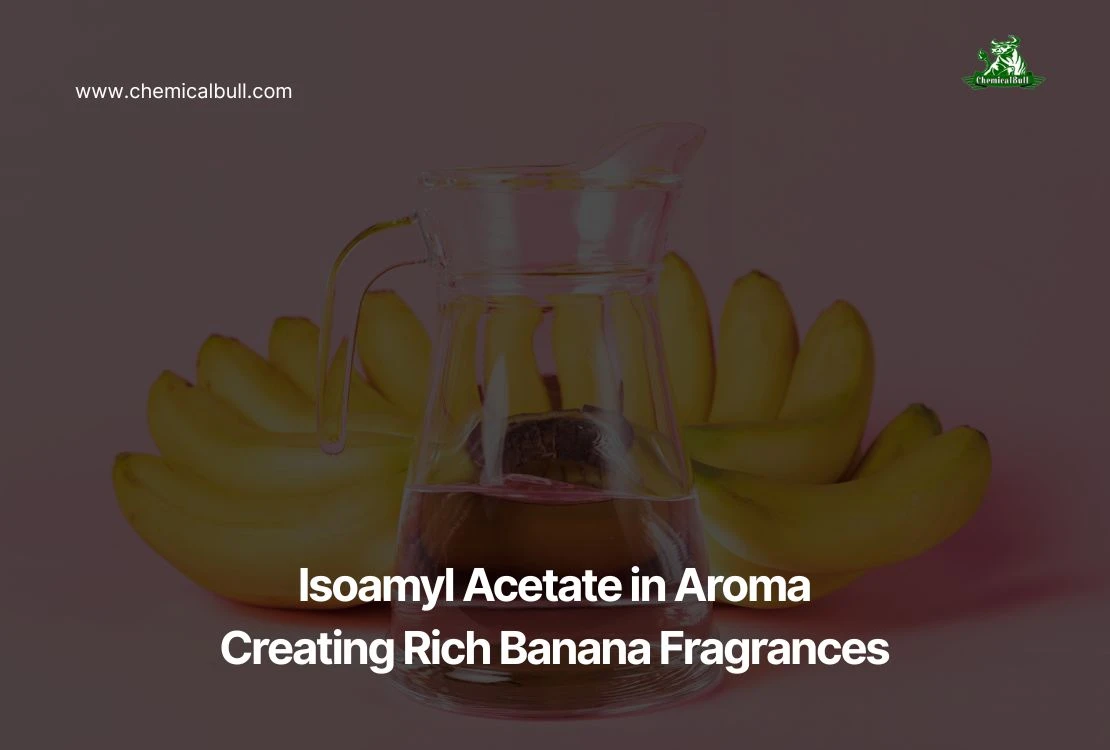
Isoamyl Acetate is an ester that's formed from isoamyl acetic acid. It is an uncoloured liquid which is only marginally water-soluble, yet easily dissolves in all organic solvents. It is a strong smell described as similar to pears and bananas, making it a valuable resource for perfume raw material suppliers seeking genuine fruity aromas.
Pure isoamyl Acetate, or the mixture of isoamyl acetate, amyl acetate, and various flavours found in ethanol, can be described as pear oil, or even pear oil. This variety in terminology reflects the wide acceptance of its use across a wide range of industries, including when it comes to creating a distinctive banana scent for perfumes.
Natural Origins and Synthetic Production
Nature's Banana Essence
Isoamyl Acetate can be found in all plants, including bananas, apples, and grapes. It is also found in coffee and Lychee. It's also found in peach, guava, and papaya fruit, demonstrating its broad presence within the natural scent spectrum. It is a natural product derived from maturing fruits. This is the reason it's gained immense recognition as a true fruit fragrance.
The natural process provides bulk fragrance ingredients with the opportunity to sell isoamyl acetate in the form of a natural substance, appealing to those looking for natural aromas, without losing performance or quality.
Industrial Synthesis and Production
In the industrial sector, isoamyl Acetate is produced by the reaction of isoamyl alcohol with Acetic acid. This allows for an efficient, consistent production that meets the needs of commercial fragrance production. This method of the synthetic output ensures stable distribution chains for perfume raw material suppliers, as well as preserving the precise scent profile required by perfumers.
The process of industrial production allows cost-effective scaling and makes the isoamyl acetate aroma chemical available to mass and luxury scent applications.
Olfactory Profile and Sensory Characteristics
Complex Fruity Character
Isoamyl Acetate is a clear, colored liquid. It has an appealing fruity smell and taste, reminiscent of pears or bananas. It's a clear oily liquid, with some sweet pear or banana scent. It offers perfumers the ability to create a variety of aromatic tools.
Professional perfumers have described isoamyl acetate, an aroma chemical, as having multiple features that extend beyond just bananas. It has sweet, fruity banana traits, along with solvents, drops of pear, as well as estery properties and scents of mulberry, melon, and lemon. It also has notes of pear, strawberries, pineapple, and vanilla—milk, butter, rum, as well as apple and cherry.
Versatility in Fragrance Compositions
This unique olfactory pattern can be utilised in the development of sophisticated fruity ester fragrances that exceed basic fruit imitations. Thanks to its ability to stir multiple memories simultaneously, perfumers are empowered to create complex fragrances with long-term skin-reacting scent profiles.
Professional Applications in Perfumery
Industry Recognition and Standards
Isoamyl acetate is a key ingredient in synthetic perfumes, known for its distinctive fruity fragrance. Industry professionals value this essential component for its role in modern perfumery.
It is highly used in commercial fragrances, which gives buyers confidence in the quality, safety, and regulatory compliance of their products.
Blending Techniques and Formulation Strategies
Professional perfumers utilize isoamyl acetate in various ways:
Top Notes: The volatile character of the fragrance is ideal for creating instant fruity scents that grab interest and define the scent's nature from the first time you apply it.
Construction of Accords: The compound's complex profile enables it to serve as a foundation for creating intricate fruit accords that blend diverse tropical and temperate fruit notes.
Notes for Bridges: The dual banana-pear adolescence helps make effortless transitions between the various fragrances, which is crucial in the creation of gourmand and oriental compositions.
Commercial Applications and Market Demand
Cross-Industry Versatility
Isoamyl acetate gives off a distinctive scent that is fruity and sweet. It's a banana or pear fragrance that is widely used in food preparation to draw honeybees. They also enhance the smell of many objects, such as perfumes and shoes. The wide range of uses illustrates the potential commercial value of aroma chemicals like isoamyl-acetate as well as the traditional scents that are used.
It is used for cosmetics, personal care products, and food manufacturing, offering perfume suppliers a wide range of opportunities for market expansion and steady demand across multiple areas.
Bulk Supply and Industrial Scale
Established production techniques, combined with the broad demand in the market, make isoamyl acetate readily available as a bulk fragrance ingredient, ensuring a reliable supply for large-scale fragrance production. It is a resource that can be used by established perfume houses as well as emerging companies that require a reliable supply of high-quality aromatic ingredients.
Quality Control and Safety Considerations
Low Toxicity Profile
Isoamyl Acetate is used in the field of low-toxicity solvents that demonstrate its excellent safety rating for products for personal care and fragrance. This makes it desirable for those formulating products that target the sensitive segment of consumers.
Regulatory Compliance
Isoamyl Acetate is used in the field of low-toxicity solvents that demonstrate its excellent safety rating for products for personal care and fragrance. This makes it desirable for perfume raw material suppliers to formulate products that target the sensitive segment of consumers.
Innovation in Banana Fragrance Development
Contemporary Fragrance Trends
Modern perfumery has adopted the banana scent for perfumes in new ways, going beyond conventional fruit salad formulations to develop modern versions that capture the exquisite tropical qualities of bananas without being overtly gourmand.
The most recent applications include:
-
Tropical Luxury: Mixing isoamyl Acetate with exotic flowers and rare woods to make sophisticated tropical designs
-
Gourmand Evolution: Uses banana notes as a supporting element in complex dessert-inspired scents
Sustainable Production Considerations
As the fragrance industry tends to be more sustainable, the production of synthetic isoamyl acetate aroma chemical has advantages over extract-dependent natural alternatives. The effective process of the synthetic output reduces environmental impacts while ensuring constant quality and supply.
Technical Applications for Perfumers
Concentration Guidelines
Professional perfumers usually employ isoamyl acetate with concentrations that vary between 0.1% and 22% for their finished scents, based on the intended intensity as well as use. Higher concentrations can be found in concentrates and technical oils designed to be used for dilution.
Stability and Storage
The chemical stability of the substance allows it to be stored for a long time in bulk fragrance ingredients. Still, proper storage conditions, including shielding from heat and light, will ensure optimal olfactory properties throughout the years.
Blending Compatibility
Isoamyl acetate aroma chemical demonstrates excellent compatibility with:
-
Aldehydes and other fruit esters.
-
Vanilla and sweet notes of the base
-
The light woody elements include sandalwood and cedar
Future Directions in Fruity Fragrance Development
Market Evolution
A growing appreciation among consumers for genuine, well-known fruit scents places fruity ester fragrance ingredients, such as isoamyl acetate, to maintain their importance in the future of fragrance development. The immediate recognition of its scent and the positive associations make it an ideal choice for brands seeking to evoke emotions in their customers.
Innovation Opportunities
The latest applications involve the development of formulations with slow release that prolong the life of fruity notes that are volatile, and also the creation of fruity accords with complex flavours, which blend traditional banana notes and exotic tropical fruits to create modern fragrances.
Conclusion: The Enduring Appeal of Banana Fragrance
Isoamyl acetate provides the perfect blend of aromatic nature and the latest technology in fragrance. Its distinctive banana scent for perfumes, coupled with the complex secondary notes of fruit, gives perfumers the ability to create unique, successful commercial scents.
The consumer preferences continue to evolve towards authentic, distinct fragrances, and isoamyl acetate, an aroma chemical, will remain the main ingredient. It creates delicious, unforgettable scents from bananas, capturing the luxury and exotic settings of childhood, as well as the reminiscences of fruits.

Comment Section