Chemical Bull
1460
16-Oct-2023
Table of Contents
- Understanding Agricultural Chemicals
- Ammonium Polyphosphate
- Ammonium Sulfate
- Environmental Impact of Agricultural Chemicals
- Challenges in Balancing Agricultural Chemicals and the Environment
- Sustainable Agriculture: An Overview
- Implementing Integrated Pest Management
- Organic Farming: A Natural Approach
- Cover Crops and Crop Rotation
- Precision Farming Techniques
- Using Biotechnology for Sustainable Solutions
- Soil Health and Nutrient Management
- Water Conservation Strategies
- Biodiversity in Agriculture
- Agroforestry: A Holistic Approach
- Sustainable Livestock Farming
- Reducing Food Waste in the Supply Chain
- Technology and Innovation in Agriculture
- Policy and Regulation for Sustainable Agriculture
- Community Engagement and Education
- Economic Viability of Sustainable Agriculture
- Case Studies of Successful Sustainable Farming
- Conclusion
Understanding Agricultural Chemicals
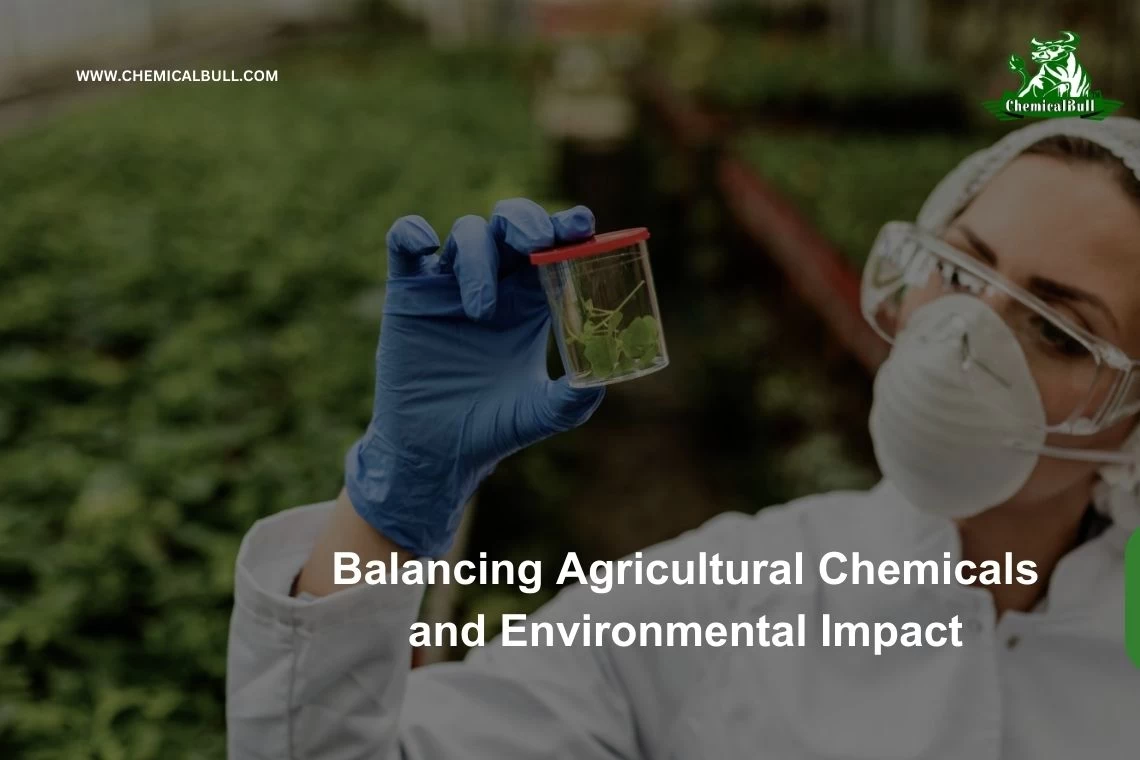
Agricultural chemicals encompass a range of substances used to enhance crop growth, protect against pests and diseases, and improve soil fertility. These chemicals include pesticides, herbicides, fungicides, and synthetic fertilizers. The widespread use of these chemicals has raised concerns about their impact on the environment and human health.
Ammonium Polyphosphate
Ammonium polyphosphate is a widely used compound in agriculture, particularly as a source of phosphorus for plant growth. It is a soluble fertilizer that provides essential nutrients to crops, promoting healthy root development and overall plant vigor. Additionally, ammonium polyphosphate is known for its role in enhancing the water-holding capacity of the soil, which is crucial in regions prone to drought. This compound offers a sustainable solution by improving nutrient uptake efficiency and reducing the need for excessive chemical fertilizers.
Ammonium Sulfate
Ammonium sulfate is another important agricultural chemical commonly used as a nitrogen fertilizer. It provides a readily available source of nitrogen to plants, supporting their growth and development. This compound is particularly beneficial for crops that require higher nitrogen levels during specific growth stages. Ammonium sulfate is water-soluble and quickly dissolves in the soil, making it an effective choice for promoting healthy foliage and maximizing yield. When used responsibly, ammonium sulfate contributes to sustainable agriculture by optimizing nutrient delivery and reducing the risk of nutrient runoff.
Environmental Impact of Agricultural Chemicals
The excessive use of agricultural chemicals has led to environmental issues such as soil degradation, water pollution, and loss of biodiversity. These chemicals can leach into water bodies, affecting aquatic ecosystems, and disrupting the balance of the ecosystem. Additionally, pesticide residues on crops can have adverse effects on human consumers.
Challenges in Balancing Agricultural Chemicals and the Environment
Achieving a balance between agricultural chemical usage and environmental preservation poses several challenges. Farmers must optimize productivity while minimizing the negative impact of chemicals. Finding methods that reduce chemical runoff, soil contamination, and harm to non-target organisms is essential for sustainable agriculture.
Sustainable Agriculture: An Overview
Sustainable agriculture is an integrated approach that seeks to optimize productivity while conserving natural resources. It aims to minimize negative environmental impacts and promote long-term viability. Farmers can achieve economic stability by adopting sustainable practices while safeguarding the environment.
Implementing Integrated Pest Management
Integrated Pest Management (IPM) is a holistic approach to pest control that combines various strategies. These include biological control, crop rotation, and the judicious use of pesticides. IPM aims to reduce chemical usage while effectively managing pest populations.
Organic Farming: A Natural Approach
Organic farming eliminates the use of synthetic chemicals and focuses on natural alternatives. This method enhances soil health, reduces pollution, and promotes biodiversity. Organic practices prioritize sustainability and provide consumers with chemical-free produce.
Cover Crops and Crop Rotation
Cover crops and crop rotation are techniques that promote soil health and fertility. Cover crops protect the soil from erosion and improve its structure, while crop rotation disrupts pest and disease cycles. These methods reduce the need for chemical inputs and enhance sustainability.
Precision Farming Techniques
Precision farming employs technology to optimize resource use and increase efficiency. GPS-guided equipment, remote sensing, and data analytics enable the precise application of chemicals, minimizing waste and environmental impact.
Using Biotechnology for Sustainable Solutions
Biotechnology offers innovative solutions for sustainable agriculture. Genetically modified crops can resist pests and diseases, reducing the need for chemical interventions. Biotechnology also plays a role in developing drought-resistant varieties and improving crop yields.
Soil Health and Nutrient Management
Maintaining soil health is vital for sustainable agriculture. Cover cropping, composting, and reduced tillage enhance soil structure and nutrient content. Proper nutrient management reduces the reliance on synthetic fertilizers.
Water Conservation Strategies
Water scarcity is a global concern, and agriculture is a significant consumer of water resources. Sustainable practices such as drip irrigation, rainwater harvesting, and efficient water management reduce wastage and environmental stress.
Biodiversity in Agriculture
Biodiversity is crucial for ecosystem resilience and agricultural sustainability. Introducing diverse plant species, companion planting, and creating habitats for beneficial organisms promote natural pest control and enhance ecosystem health.
Agroforestry: A Holistic Approach
Agroforestry integrates trees and crops to achieve multiple benefits. Trees provide shade, prevent soil erosion, and offer habitat for wildlife. This approach contributes to carbon sequestration and supports sustainable agricultural practices.
Sustainable Livestock Farming
Livestock farming can be made more sustainable through improved management practices. Rotational grazing, organic feed, and waste recycling minimize environmental impact. Sustainable livestock farming reduces methane emissions and conserves resources.
Reducing Food Waste in the Supply Chain
Food waste is a significant issue in modern agriculture. Addressing waste at every stage of the supply chain, from production to consumption, reduces resource wastage and environmental strain.
Technology and Innovation in Agriculture
Advancements in technology play a crucial role in promoting sustainable agriculture. Drones, sensors, and AI-driven analytics enable real-time monitoring and decision-making. These innovations optimize resource use and increase efficiency.
Policy and Regulation for Sustainable Agriculture
Government policies and regulations can incentivize sustainable practices in agriculture. Support for organic farming, restrictions on harmful chemicals, and subsidies for eco-friendly practices encourage farmers to adopt sustainable methods.
Community Engagement and Education
Raising awareness and educating communities about sustainable agriculture fosters positive change. Workshops, training programs, and outreach efforts empower farmers and consumers to make informed choices.
Economic Viability of Sustainable Agriculture
Sustainable agriculture not only benefits the environment but also has economic advantages. It can lead to reduced input costs, increased market demand for eco-friendly products, and long-term profitability.
Case Studies of Successful Sustainable Farming
Examining real-world examples of successful sustainable farming provides valuable insights. Case studies highlight the benefits of adopting various strategies and showcase their positive impact on both agriculture and the environment.
Conclusion
In conclusion, achieving a balance between agricultural chemicals and environmental impact is vital for the future of agriculture. Sustainable solutions offer a path toward productive, environmentally friendly farming practices. By embracing methods such as integrated pest management, organic farming, and precision techniques, farmers can contribute to a healthier planet while ensuring food security for generations to come.



Comment Section