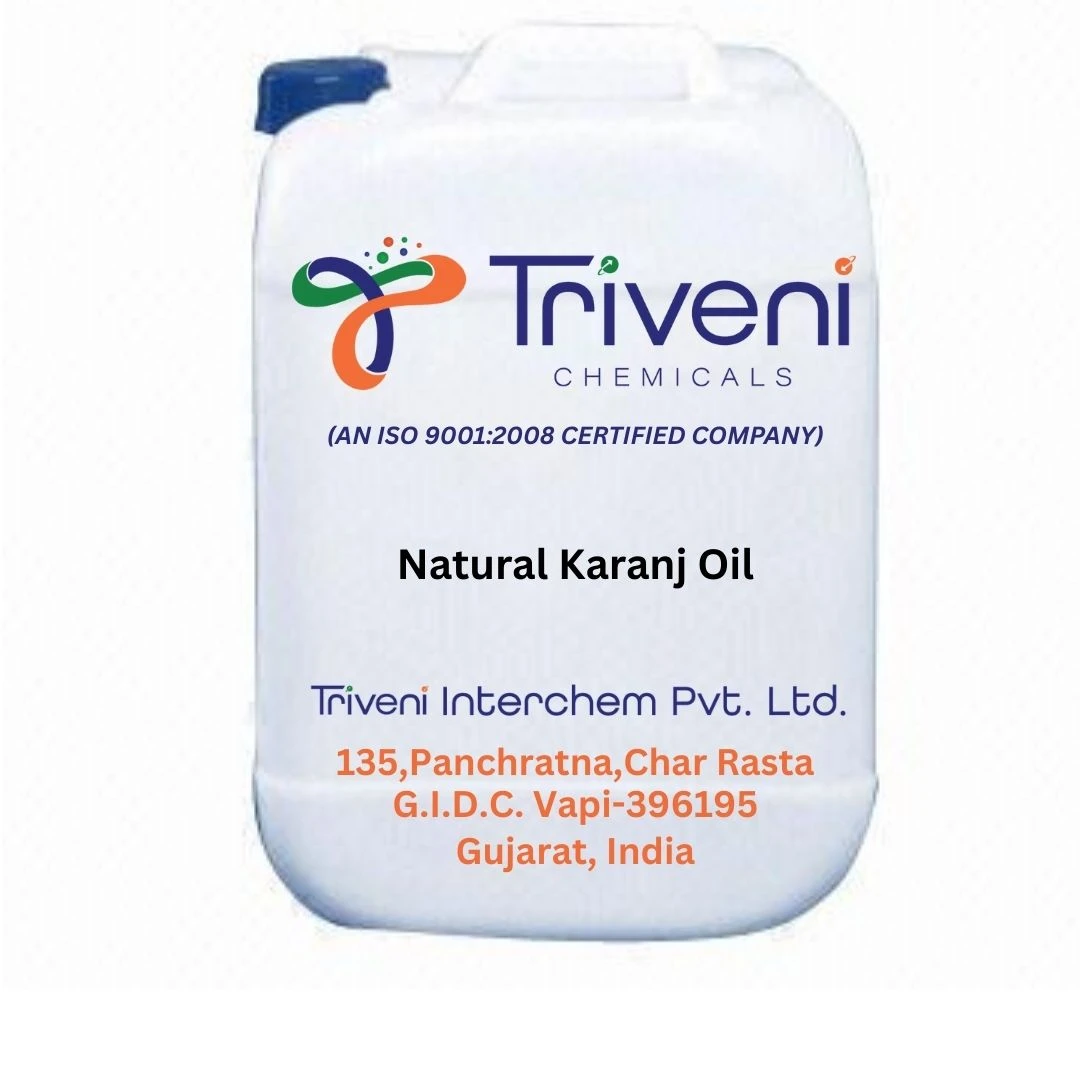
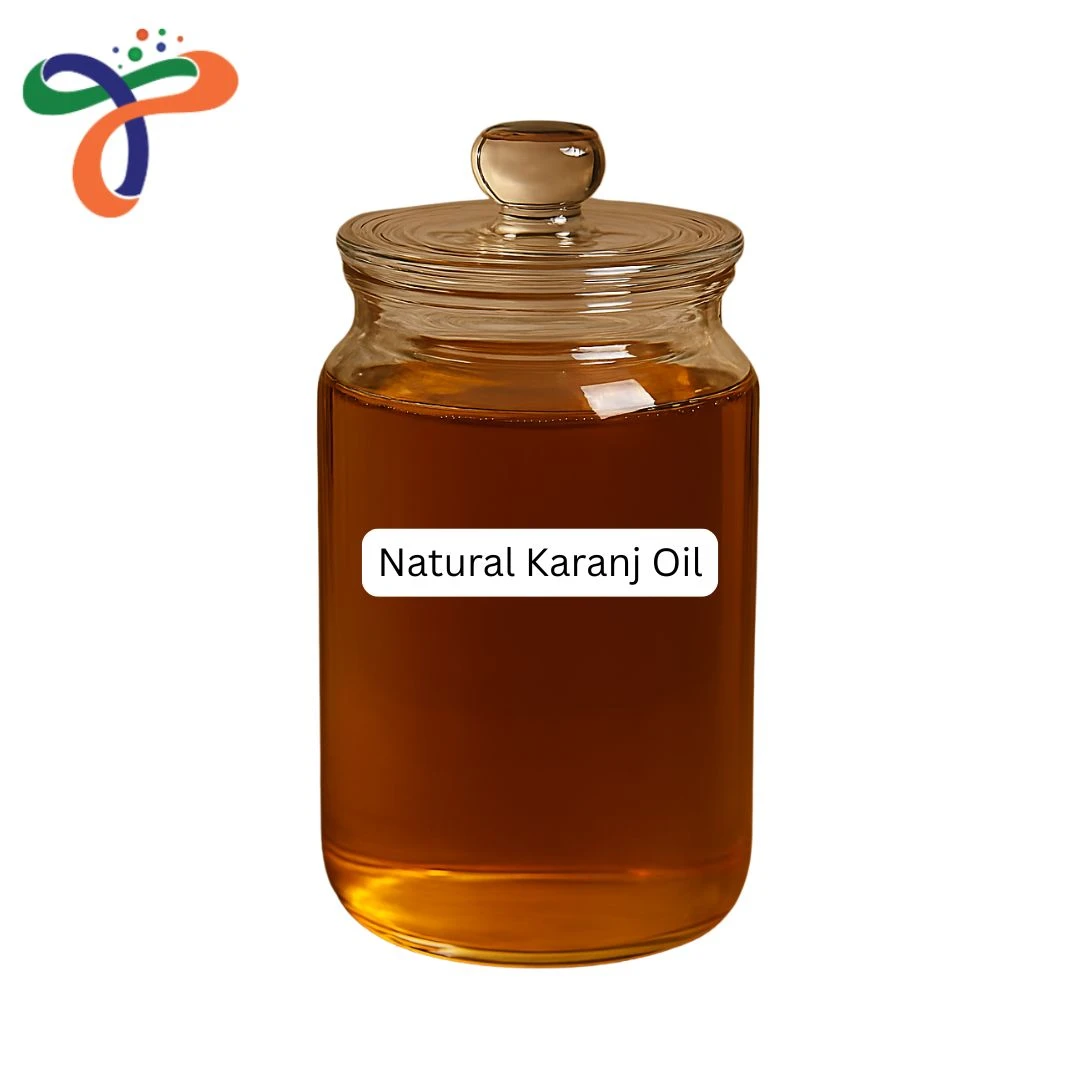
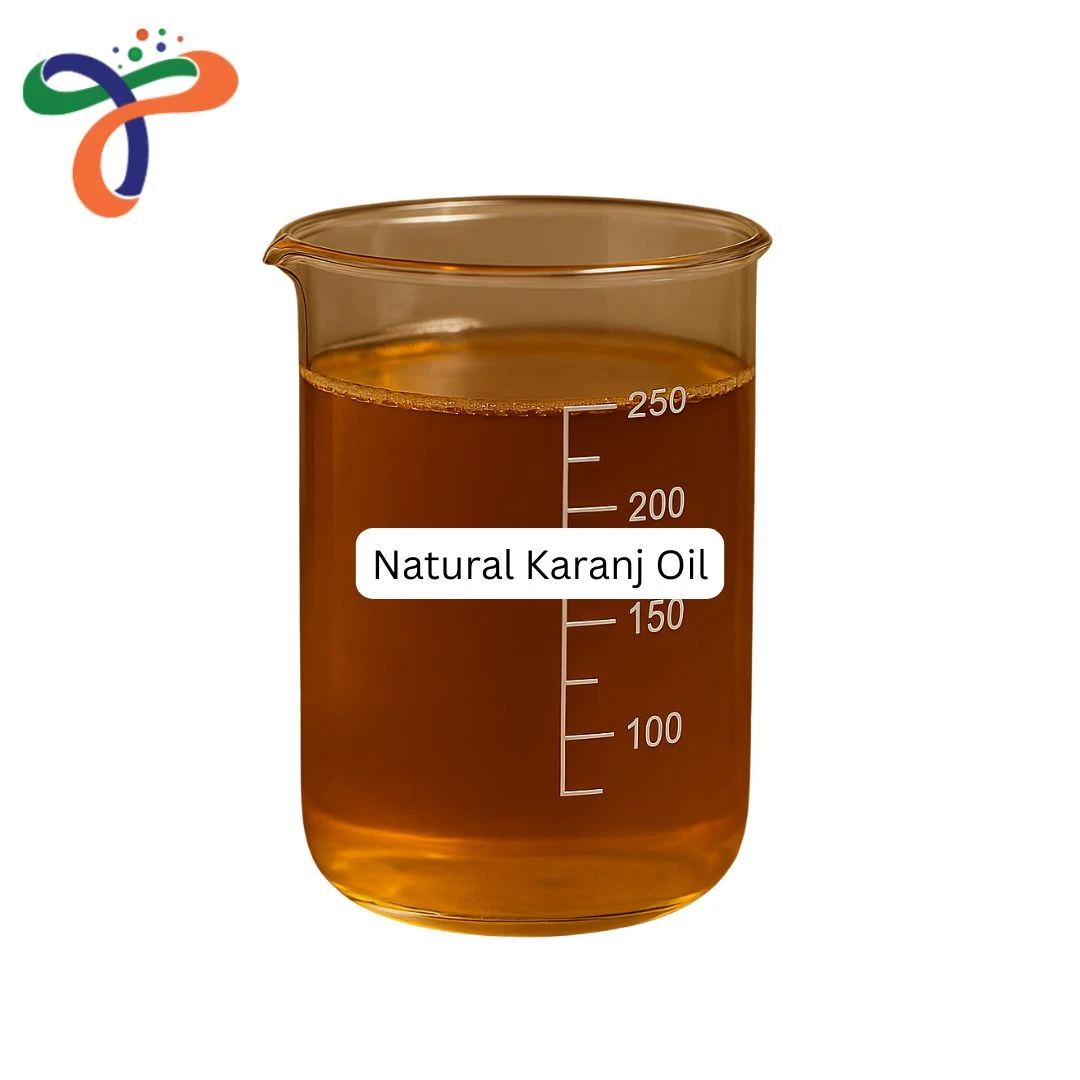
Natural Karanj Oil
Form :
Liquid
Molecular Weight :
860.0 G/mol
Boiling Point :
320 °c
Flash Point :
230 °c
Solubility :
Insoluble In Water; Soluble In Nonpolar Solvents
Description :
Overview of Natural Karanj Oil
Natural Karanj Oil is an organic biopesticide made from Pongamia pinnata (Karanja) seeds. It contains 1.2-4% karanjin and pongamol, offering broad pest control. This thick brown liquid has a nutty smell and is a certified organic alternative to neem oil for sustainable farming.
Natural Karanj Oil works by killing pests on contact and when they eat treated plants. It also helps plants stay healthy, making it a good choice for organic farming and integrated pest management programs.
Applications of Natural Karanj Oil
Organic Pest Control
Natural Karanj Oil controls sucking pests, caterpillars, and leaf miners on crops.
- It is especially effective against aphids, jassids, thrips, and whiteflies.
- Essential for Agriculture Industry organic protection.
- Complements Rock Phosphate soil nutrition programs.
Seed Treatment & Soil Drench
Karanja Oil protects seeds from soil-borne diseases and nematodes.
- Enhances seed germination and seedling vigor.
- Works with Cyanamide growth stimulation.
- Supports Tributyltin Oxide specialty applications.
Foliar Spray & Plant Tonic
It acts as a natural growth promoter and helps keep chewing insects from feeding on plants.
- It boosts plant immunity and increases chlorophyll levels.
- Essential for Fertilizer Industry organic amendments.
- Safe for vegetables, fruits, pulses, and cotton crops.
Livestock & Veterinary Uses
Natural Karanj Oil repels external parasites on animals.
- Ectoparasite control for cattle, poultry, and pets.
- It also supports wound healing and has antifungal properties.
Safety & Handling Guidelines
Follow normal safety steps when handling Natural Karanj Oil, just like you would with other plant-based pesticides.
- Store Natural Karanj Oil in a cool, dark place, away from sunlight and heat.
- Wear gloves, goggles, and protective clothing when mixing and spraying.
- Keep Natural Karanj Oil out of reach of children and away from places where food is prepared.
- Shake the oil well before using it. If needed, mix it with a mild soap to help it blend with water.
- Check the Material Safety Data Sheet (MSDS) for detailed safety instructions for organic use.
Natural Karanj Oil MSDS
The MSDS for Natural Karanj Oil gives detailed information about active ingredients (karanjin, pongamol), botanical composition, safe handling, organic certification, phytotoxicity limits, and environmental safety. This information is important for organic farmers and certification bodies.
ChemicalBull provides the MSDS, organic certificates, and application guidelines with every order.
Natural Karanj Oil Manufacturer, Supplier & Distributor
Natural Karanj Oil Manufacturer
Natural Karanj Oil is cold-pressed from organic Karanja seeds for sustainable pest control in the Agriculture Industry.
Natural Karanj Oil Supplier & Distributor
ChemicalBull is a trusted manufacturer, supplier, and distributor of Natural Karanj Oil. You can find it at chemicalbull in pure cold-pressed form.
- The oil is 100% pure, certified organic, and contains at least 1.2% karanjin.
- It is available in bulk drums, 1-liter bottles, and spray-ready packaging.
- Each order includes full documentation, such as an organic Certificate of Analysis (COA).
Frequently Asked Questions (FAQs)
-
How to apply karanja oil?
To use karanja oil, apply 2-5 ml per liter of water as a foliar spray (mix with soap), 10-20 ml per kg of seed for seed treatment, or 5 ml per liter of water as a soil drench every 7-15 days when pests are present. -
What is karanja oil used for in farming?
Farmers use karanja oil for organic pest control (such as aphids, thrips, and caterpillars), seed treatment, soil drenching to fight nematodes, and as a plant growth tonic for vegetables, fruits, and pulses. -
What is the benefit of karanja oil?
Karanja oil offers broad pest control, helps plants grow, has antifungal properties, improves nutrient uptake, and leaves no residue, making it suitable for organic export crops. -
What does karanja oil smell like?
Karanja oil has a smell similar to roasted peanuts or bitter almonds, with earthy notes. Its strong scent comes from the karanjin and pongamol compounds. -
How to use karanja oil for plants?
Mix 3-5 ml of karanja oil per liter of water with 1 ml of mild soap as an emulsifier. Spray both sides of the leaves thoroughly in the early morning or evening, and repeat every 10-15 days.
ChemicalBull supplies Natural Karanj Oil across India, serving customers in Andhra Pradesh, Arunachal Pradesh, Assam, Bihar, Chhattisgarh, Goa, Gujarat, Haryana, Himachal Pradesh, Jharkhand, Karnataka, Kerala, Madhya Pradesh, Maharashtra, Manipur, Meghalaya, Mizoram, Nagaland, Odisha, Punjab, Rajasthan, Sikkim, Tamil Nadu, Telangana, Tripura, Uttar Pradesh, Uttarakhand, and West Bengal, as well as the Union Territories of Andaman & Nicobar Islands, Chandigarh, Dadra & Nagar Haveli and Daman & Diu, Delhi, Jammu & Kashmir, Ladakh, Lakshadweep, and Puducherry. We serve pharmaceutical, chemical, research, academic, laboratory, manufacturing, and industrial customers with reliable nationwide delivery.