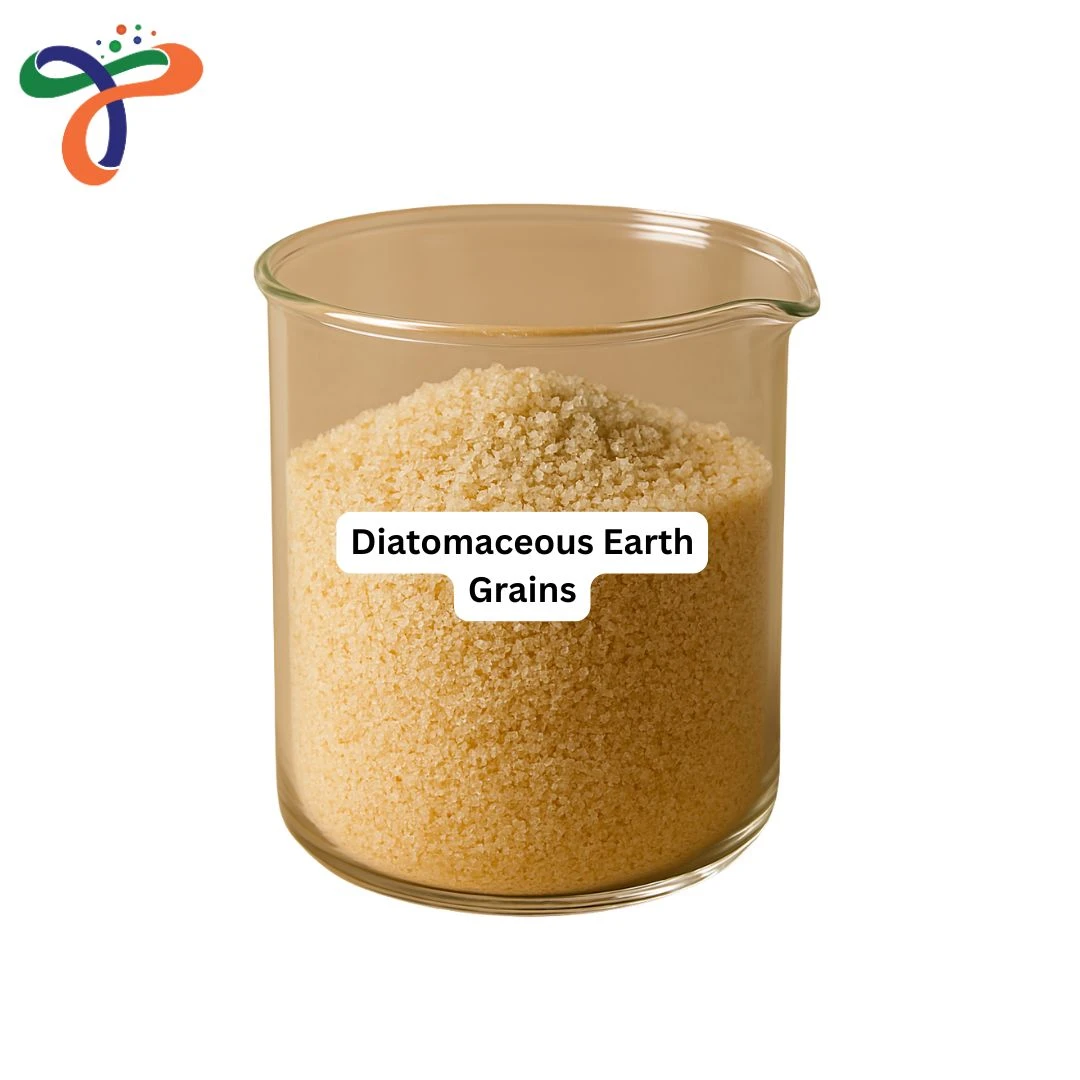
Diatomaceous Earth Grains
Description :
Overview of Diatomaceous Earth Grains
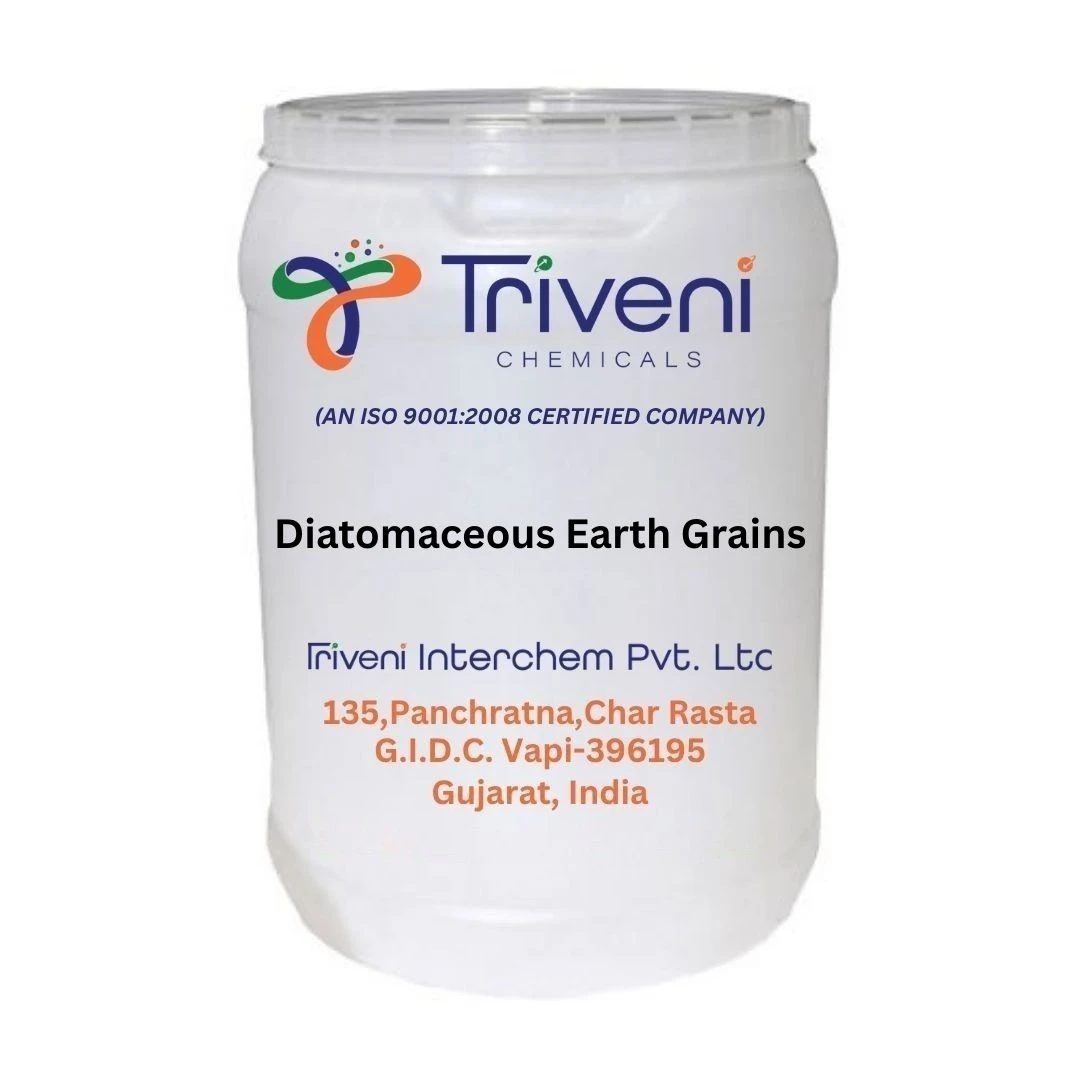
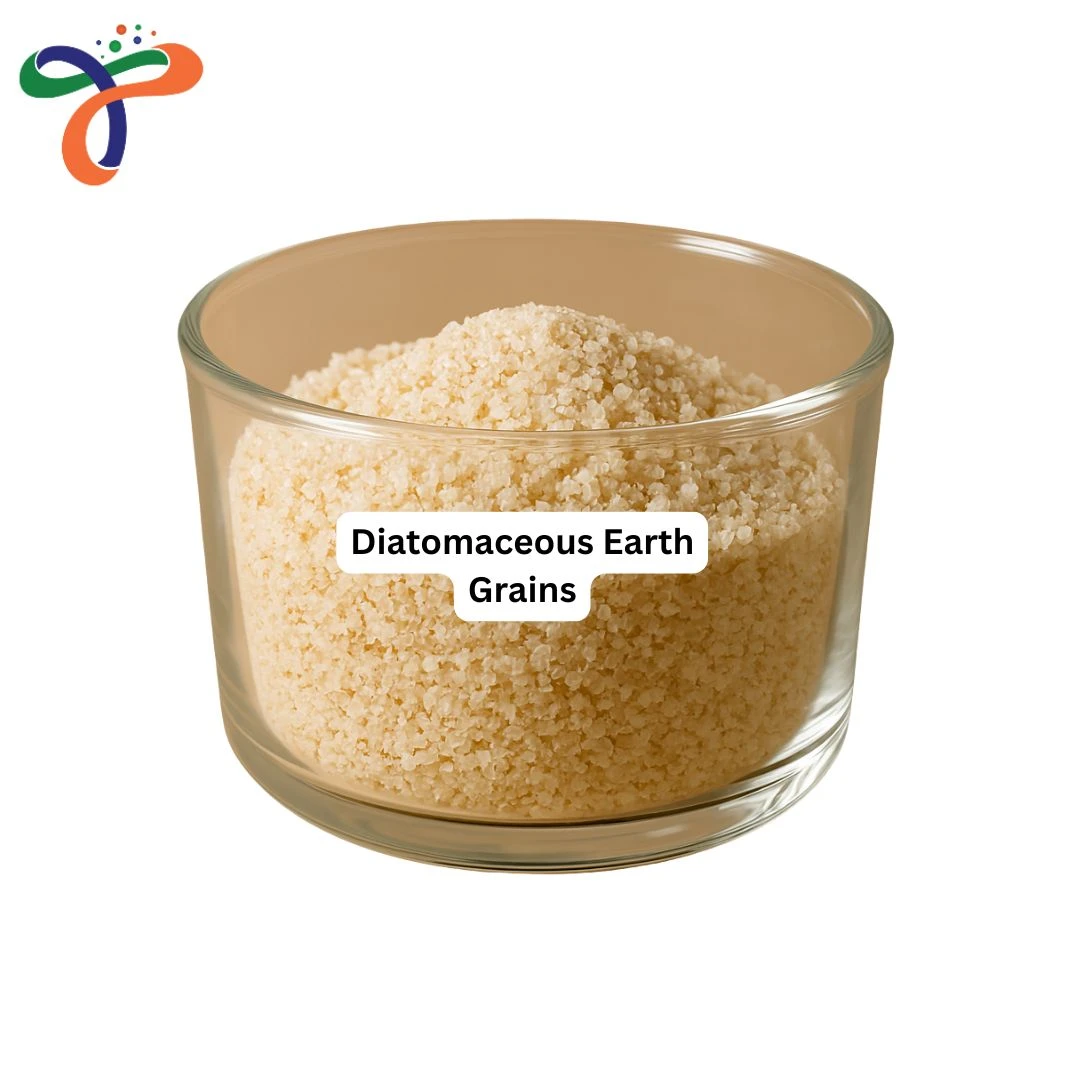
Diatomaceous earth grains are derived of diatoms that have been fossilized and then made into granules of coarse size (0.5-2mm) to aid in effective insect control as well as soil enhancement. These granules are white, and have a amorphous silica content of 85-92 % with sharp edges which dry insects using physical processes.
Simply put, Diatomaceous Earth Grains kill crawling insects through physical abrasion while improving soil drainage and structure at chemicalbull.com.
Applications of Diatomaceous Earth Grains
Organic Insect Control
Diatomaceous Earth Grains kill crawling insects by absorbing the waxy layer on their bodies.
- Controls ants, cockroaches, bedbugs, fleas, and silverfish.
- Essential for Agriculture Industry organic IPM.
- Complements Tebuconazole fungal control.
Soil Amendment & Drainage
The granules create air pockets in the soil, which improves aeration and drainage.
- They help reduce soil compaction in heavy clay and potting mixes.
- Works with Tricyclazole rice systems.
- Supports Metribuzin weed programs.
Stored Product Protection
Diatomaceous Earth Grains help protect stored grains, nuts, and seeds from weevils and beetles.
- They provide long-lasting protection and do not leave any chemical residues.
- Essential for Fertilizer Industry storage.
- Safe around food processing facilities.
Greenhouse & Nursery Use
The dust-free granules help stop insects from moving between pots.
- They improve water penetration in soilless growing media.
- They provide mechanical pest control and can be used with biological agents.
Safety & Handling Guidelines
Follow standard safety precautions when handling Diatomaceous Earth Grains, just as you would with other silica dusts.
- Store it in a dry place away from moisture to maintain effectiveness.
- Wear a dust mask, gloves, and protective eyewear when applying the product.
- Keep Diatomaceous Earth Grains away from strong air currents and water to maintain their effectiveness.
- The product is completely non-toxic to humans, pets, and plants.
- Refer to the Material Safety Data Sheet (MSDS) for information on inhalation precautions.
Diatomaceous Earth Grains MSDS
The MSDS for Diatomaceous Earth Grains provides detailed information on amorphous silica content, particle size, safe handling, how it works, and how long it lasts in the environment. This is important for organic farmers and IPM practitioners.
ChemicalBull includes the MSDS, granule analysis, and application guidelines with every order.
Diatomaceous Earth Grains Manufacturer, Supplier & Distributor
Diatomaceous Earth Grains Manufacturer
Diatomaceous Earth Grains are processed from natural diatomite deposits for organic pest control in the Agriculture Industry.
Diatomaceous Earth Grains Supplier & Distributor
ChemicalBull is a trusted manufacturer, supplier, and distributor of Diatomaceous Earth Grains. You can find it at chemicalbull.com in coarse granular form.
- The grains contain 85-92% amorphous silica and are food-grade pure.
- You can order in bulk super sacks, 25kg bags, or shaker bottles.
- Each order includes full documentation, such as a silica analysis.
Frequently Asked Questions (FAQs)
-
How does Diatomaceous Earth Grains kill insects?
Diatomaceous Earth Grains pierce the exoskeletons of insects and absorb their protective waxes. This causes them to dry out and die within 24 to 72 hours by mechanical action. -
Is Diatomaceous Earth Grains safe for organic farming?
Yes, Diatomaceous Earth Grains are OMRI-listed for organic use. They leave no chemical residues and are safe for the soil food web. -
How long does Diatomaceous Earth Grains last?
Diatomaceous Earth Grains stay effective for 3 to 6 months outdoors, or indefinitely indoors, unless they are exposed to moisture or oils. -
Can Diatomaceous Earth Grains be used with fungicides?
Diatomaceous Earth Grains are compatible with Tebuconazole, Tricyclazole, and Metribuzin. Using them together can improve integrated pest and disease management. -
What grain size is best for soil amendment?
Diatomaceous Earth Grains 0.5-2mm size optimal for soil aeration while 50-100 micron powder better for insect contact.
ChemicalBull supplies Diatomaceous Earth Grains across India, serving customers in Andhra Pradesh, Arunachal Pradesh, Assam, Bihar, Chhattisgarh, Goa, Gujarat, Haryana, Himachal Pradesh, Jharkhand, Karnataka, Kerala, Madhya Pradesh, Maharashtra, Manipur, Meghalaya, Mizoram, Nagaland, Odisha, Punjab, Rajasthan, Sikkim, Tamil Nadu, Telangana, Tripura, Uttar Pradesh, Uttarakhand, and West Bengal, as well as the Union Territories of Andaman & Nicobar Islands, Chandigarh, Dadra & Nagar Haveli and Daman & Diu, Delhi, Jammu & Kashmir, Ladakh, Lakshadweep, and Puducherry. We serve pharmaceutical, chemical, research, academic, laboratory, manufacturing, and industrial customers with reliable nationwide delivery.