Cyanamide | 0420-04-02
Cas No :
0420-04-02
Synonyms :
Form :
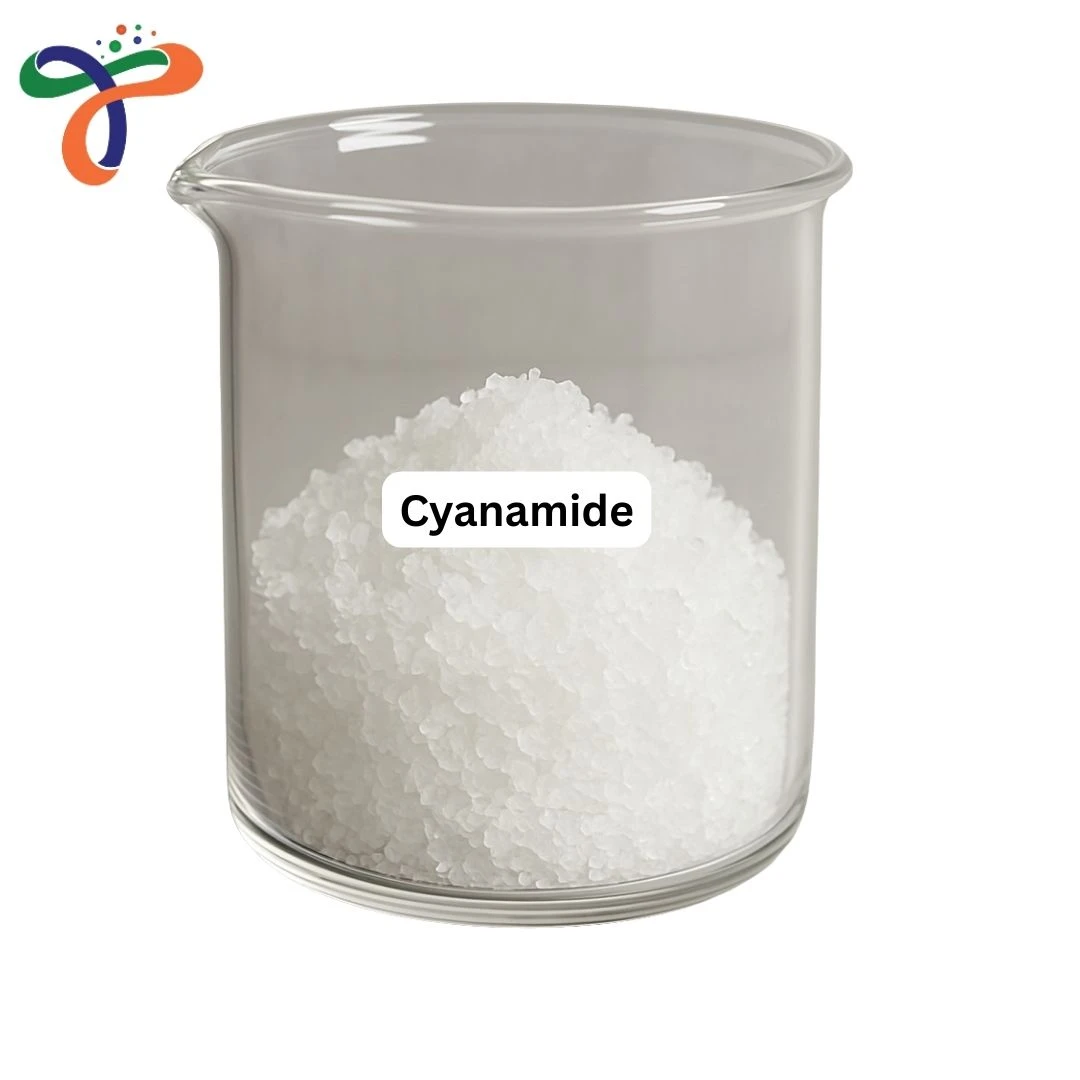
Solid
Molecular Weight :
42.04
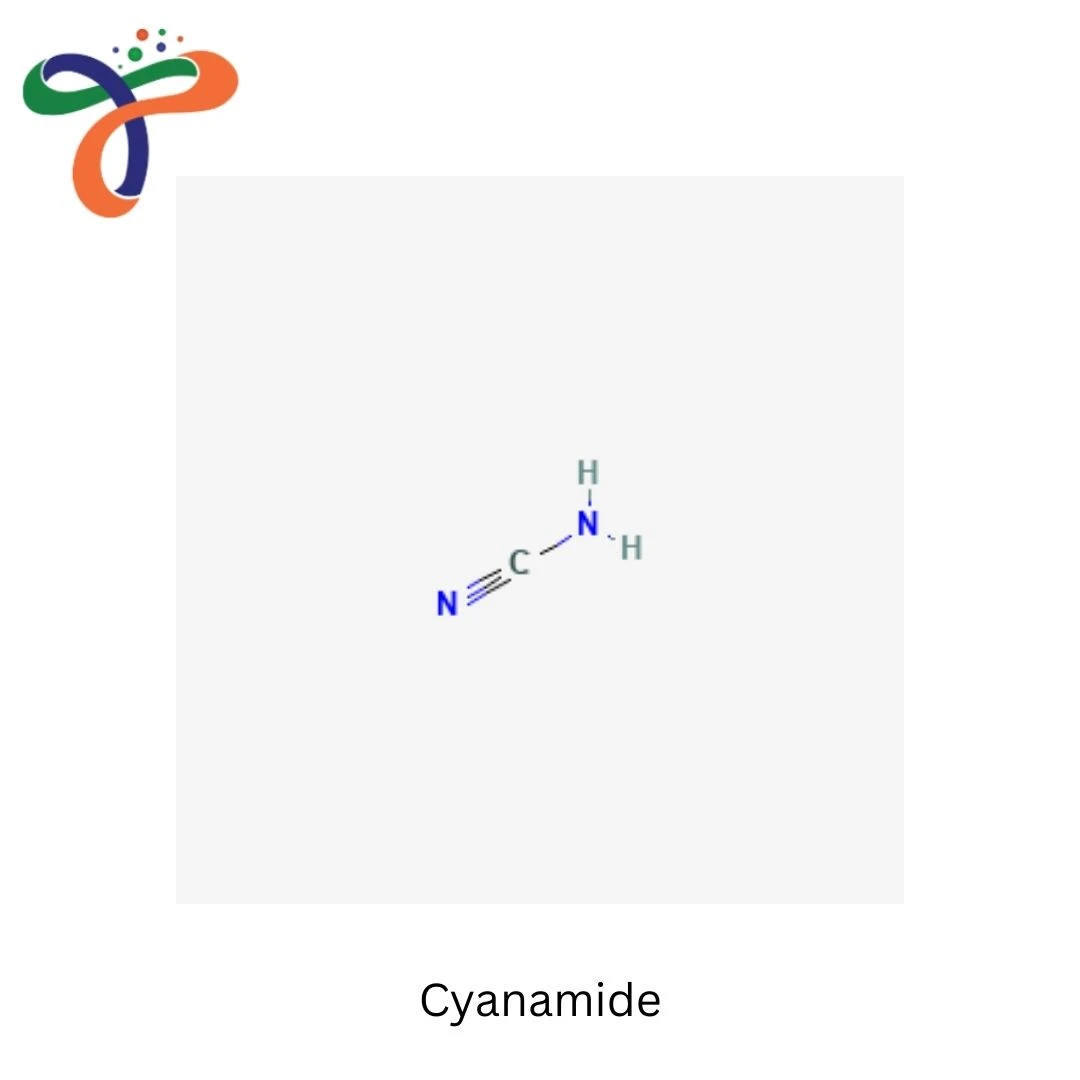
Molecular Formula :
CH2N2
Boiling Point :
83 °c
Melting Point :
45 - 46 °c
Solubility :
Dmso (soluble), Ethyl Acetate (slightly), Methanol (sparingly)
Description :
Overview of Cyanamide
Cyanamide (CaCN2 or H2NCN) is an agrochemical that can be used in a variety of ways. It's mostly used for control of plant growth, a dormancy breaker, as well as a nitrogen source in agriculture. It is available as a off-white or white powder, or 50 percent water solution. It works great for defoliation, buds pushing, and helping plants establish in the early stages of.
In short, cyanamide speeds up plant growth, helps fruit trees come out of winter dormancy, and quickly supplies nitrogen. It is important for modern orchards, grape growing, and farms that need careful control over plant growth.
Applications of Cyanamide
Dormancy Breaking & Bud Forcing
Cyanamide is sprayed on fruit trees and vines during late winter to break dormancy.
-
Enables 2-4 weeks earlier harvest for grapes, kiwifruit, and apples.
-
Promotes uniform bud break and flowering synchronization.
-
It is a key product for intensive farming in the agriculture industry.
Defoliation & Harvest Aid
-
Rapidly defoliates cotton, soybeans, and potatoes for mechanical harvest.
-
Improves harvest efficiency and reduces labor costs.
-
Complements growth regulators like 1-Naphthaleneacetic Acid.
Nitrogen Fertilization & Growth Stimulation
Cyanamide provides quick nitrogen uptake for early-season growth boost.
-
Supports vegetative development in cereals and vegetables.
-
Enhances root development alongside Zinc Sulphate Anhydrous.
-
Works with Zinc Sulphate Heptahydrate for micronutrient balance.
Integrated Pest & Soil Management
-
Supports clean harvest with pest control products like Diatomaceous Earth.
-
Complements fumigation programs using 1,2-Dibromoethane.
-
Enhances overall crop management systems.
Safety & Handling Guidelines
Always use caution when handling cyanamide because it is very reactive and toxic.
-
Store cyanamide in a cool, dry, and well-ventilated place, away from acids, metals, and moisture.
-
Wear full protective gear, including chemical-resistant gloves, goggles, a respirator, and protective clothing.
-
Do not mix cyanamide with acids or ammonium compounds.
-
Keep cyanamide away from children, food, and water sources.
-
Check the Material Safety Data Sheet (MSDS) for detailed safety steps, antidote details, and what to do in case of a spill.
Cyanamide MSDS
The MSDS for cyanamide gives important details about toxicity, hazards, safe handling, exposure limits, first aid, and disposal. It is a must-have for farm workers, safety staff, and meeting regulations.
ChemicalBull supplies Cyanamide MSDS, safety data sheets, and application guidelines with all shipments.
Where to buy Cyanamide ?
Cyanamide Manufacturer
Cyanamide is made for professional farming uses where reliable dormancy breakers and growth regulators are needed in the fertilizer industry.
Cyanamide Supplier & Distributor
ChemicalBull is a trusted manufacturer, supplier, and distributor of Cyanamide, available at chemicalbull in technical powder and liquid formulations.
-
Both 50% water solution and crystalline powder forms are available.
-
Bulk packaging is offered for commercial orchards, vineyards, and cotton farms.
-
Full regulatory documents and application support are provided.
-
We have over 35 years of experience serving various industries.
Frequently Asked Questions (FAQs)
-
What is the use of cyanamide in agriculture?
Cyanamide helps fruit trees and vines come out of winter dormancy for earlier harvests, removes leaves from crops like cotton for machine harvesting, and quickly supplies nitrogen for fast growth. -
Is cyanamide a fertilizer?
Yes, cyanamide works as both a nitrogen fertilizer (30% N) and a plant growth regulator, giving two benefits in one use for intensive farming. -
Where is cyanamide found?
Cyanamide is made for agriculture and sold by specialized suppliers like ChemicalBull. It is found in small amounts in some plants, but most of what is used in farming is synthetic.
ChemicalBull supplies Cyanamide across India, serving customers in Andhra Pradesh, Arunachal Pradesh, Assam, Bihar, Chhattisgarh, Goa, Gujarat, Haryana, Himachal Pradesh, Jharkhand, Karnataka, Kerala, Madhya Pradesh, Maharashtra, Manipur, Meghalaya, Mizoram, Nagaland, Odisha, Punjab, Rajasthan, Sikkim, Tamil Nadu, Telangana, Tripura, Uttar Pradesh, Uttarakhand, and West Bengal, as well as the Union Territories of Andaman & Nicobar Islands, Chandigarh, Dadra & Nagar Haveli and Daman & Diu, Delhi, Jammu & Kashmir, Ladakh, Lakshadweep, and Puducherry. We serve pharmaceutical, chemical, research, academic, laboratory, manufacturing, and industrial customers with reliable nationwide delivery.