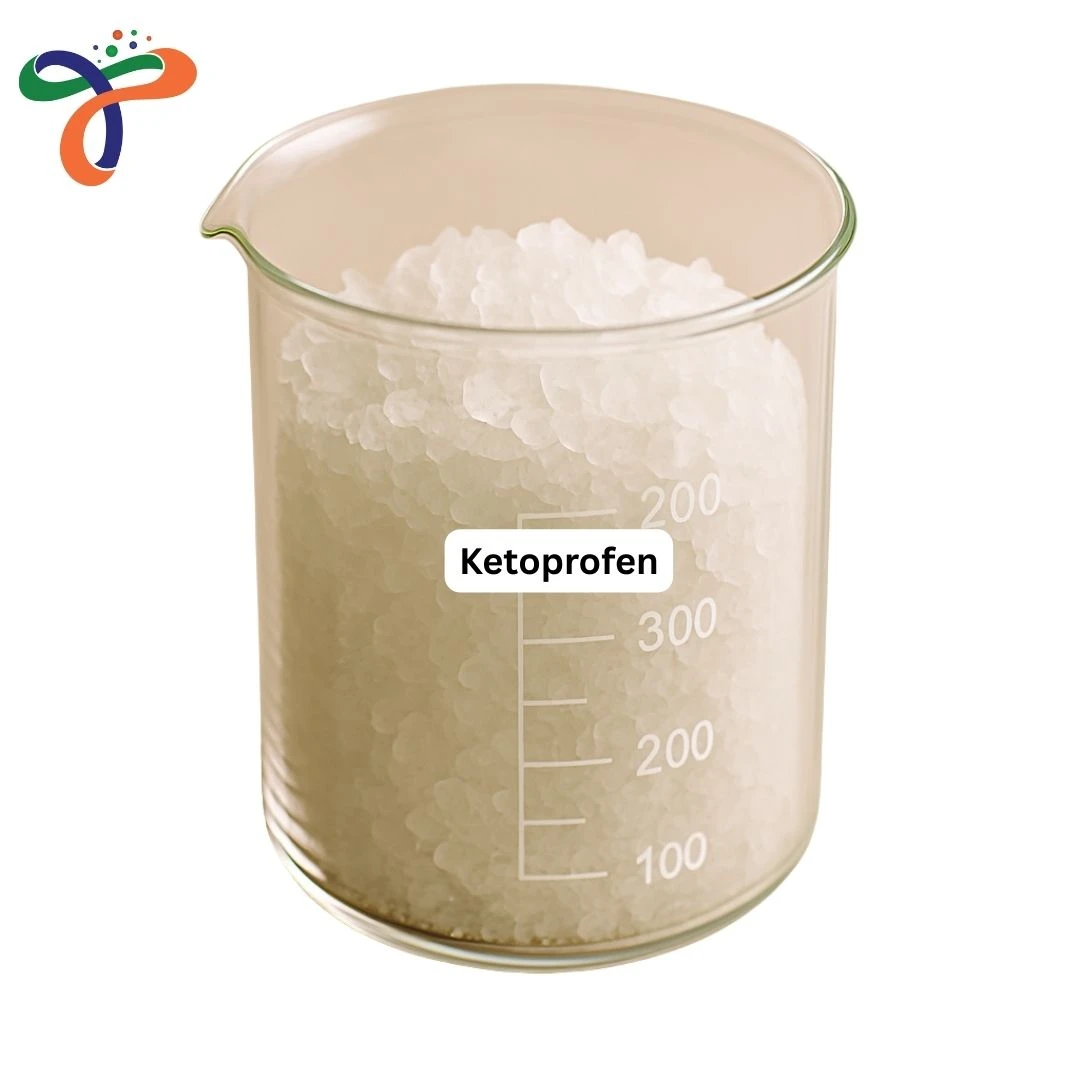
Ketoprofen | 22071-15-4
Cas No :
22071-15-4
Form :
Powder
Molecular Weight :
254.27 G/mol
Molecular Formula :
C16H14O3
Boiling Point :
260 °c
Melting Point :
52 °c
Flash Point :
210 °c
Solubility :
Sparingly Soluble In Water; Soluble In Ethanol And Acetone
Description :
Overview of Ketoprofen
Ketoprofen is a pharmaceutical-grade non-steroidal anti-inflammatory drug (NSAID) widely used for its analgesic, anti-inflammatory, and antipyretic properties. It belongs to the propionic acid class of NSAIDs and is commonly used in the management of pain and inflammatory conditions.
In the pharmaceutical industry, Ketoprofen is valued for its rapid onset of action and effectiveness in relieving musculoskeletal pain, arthritis, and postoperative discomfort. Pharmaceutical-grade Ketoprofen is manufactured under controlled conditions to meet regulatory and therapeutic standards.
As a pharmaceutical chemical, Ketoprofen plays an important role in pain management therapies.
Applications of Ketoprofen
Pain Management & Anti-Inflammatory Use
Ketoprofen is utilized for treating mild to moderate pain, swelling, inflammation, and pain caused by conditions like osteoarthritis and rheumatoid arthritis, and sports-related injuries. It reduces prostaglandin synthesis, which can cause inflammation and pain.
In pain-relief formulations, Ketoprofen is often compared with Ibuprofen to evaluate potency and duration of action.
Pharmaceutical Chemistry & Mechanism of Action
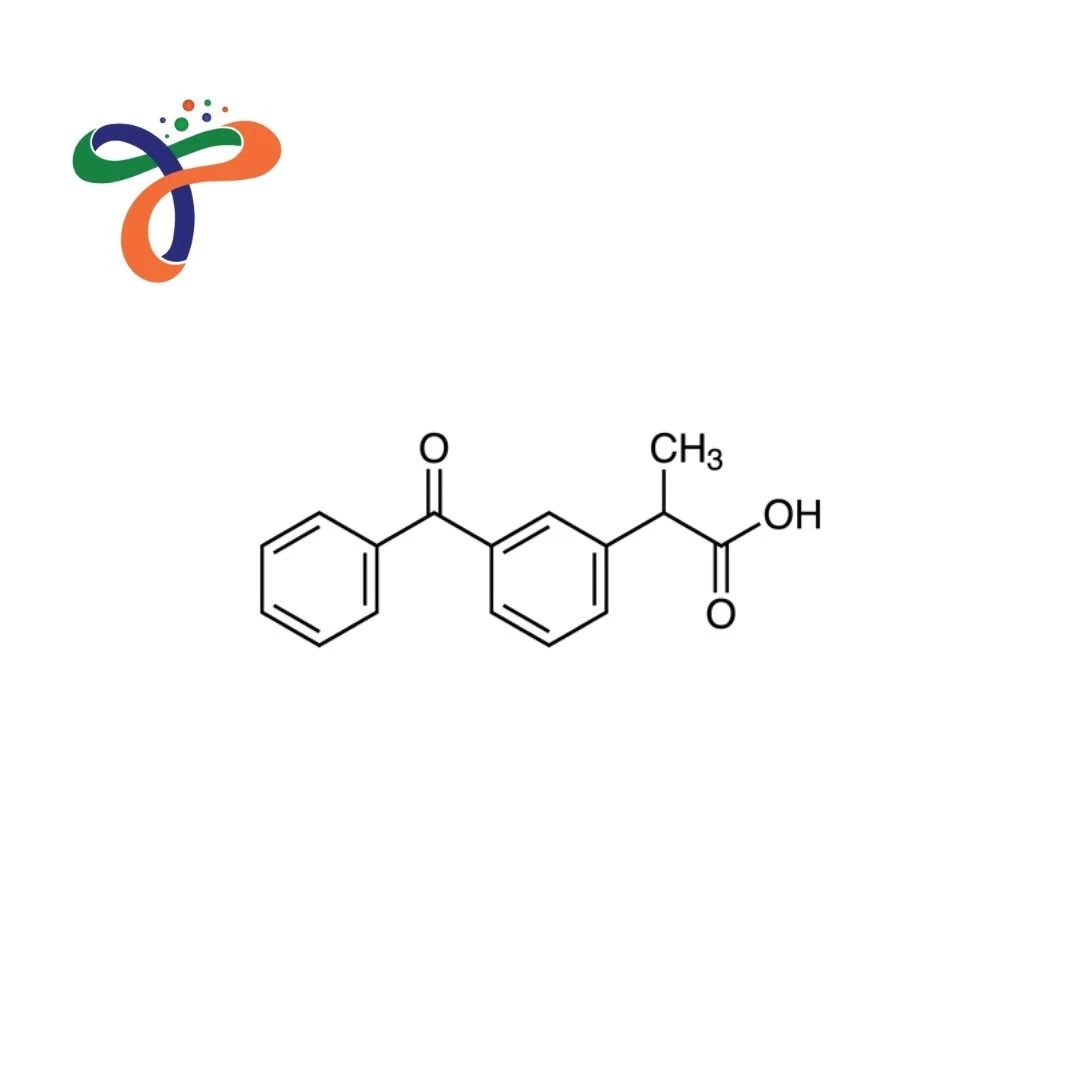
From a chemistry standpoint, Ketoprofen works by inhibiting the cyclooxygenase enzymes, which reduces the production of inflammation-related mediators. The ketoprofen structure comprises benzophenone as the core and propionic acid as a side chain that contributes to its NSAID function.
It is also studied in relation to Dexketoprofen, the active enantiomer of Ketoprofen, for improved pharmacological efficiency.
Clinical & Pharmaceutical Use
Ketoprofen is used in oral, topical, and injectable dosage forms under medical supervision. It is widely prescribed in hospital and outpatient settings and may be included in pain-management regimens alongside agents such as Paracetamol for combination therapy.
Safety & Handling Guidelines
- Keep it in a cool, clean, controlled space
- Seal containers well and keep them clearly labeled
- Beware of inhaling dust while handling
- Avoid direct contact with skin and eyes
- Use protective gloves and pharmaceutical-grade protective clothing
- Handle under controlled pharmaceutical manufacturing conditions
- Dispose of waste according to regulatory guidelines
Where to Buy Ketoprofen?
Ketoprofen Manufacturer
Ketoprofen is manufactured for pharmaceutical applications where high purity, consistent potency, and compliance with NSAID drug standards are essential.
Ketoprofen Supplier & Distributor
Ketoprofen is supplied in pharmaceutical-grade packaging for formulation manufacturers and healthcare institutions. As a pharmaceutical chemicals supplier and distributor, Chemicalbull Pvt. Ltd. supports customers with reliable sourcing and standard documentation.
MSDS for Ketoprofen
The MSDS for Ketoprofen includes detailed information about the dangers, safe handling procedures, exposure control, storage conditions, first-aid measures, and emergency responses. Always read the MSDS prior to using any pharmaceutical.
Frequently Asked Questions (FAQs)
-
What is Ketoprofen used for?
Ketoprofen is used to relieve pain, inflammation, and swelling in conditions such as arthritis, muscle injuries, and postoperative pain. -
What are the common side effects of Ketoprofen?
Ketoprofen side effects may include gastrointestinal discomfort, nausea, dizziness, headache, and, in rare cases, stomach irritation. -
Ketoprofen vs Ibuprofen – what is the difference?
Ketoprofen and Ibuprofen are both NSAIDs, but Ketoprofen may offer stronger anti-inflammatory effects in some cases, while Ibuprofen is more commonly used for mild pain. -
What is the structure of Ketoprofen?
Ketoprofen structure features a benzophenone moiety with a propionic acid group, characteristic of propionic acid NSAIDs. -
Dexketoprofen vs Ketoprofen – how are they related?
Dexketoprofen is the active enantiomer of Ketoprofen and may provide faster pain relief at lower doses.
ChemicalBull supplies Ketoprofen across India, serving customers in Andhra Pradesh, Arunachal Pradesh, Assam, Bihar, Chhattisgarh, Goa, Gujarat, Haryana, Himachal Pradesh, Jharkhand, Karnataka, Kerala, Madhya Pradesh, Maharashtra, Manipur, Meghalaya, Mizoram, Nagaland, Odisha, Punjab, Rajasthan, Sikkim, Tamil Nadu, Telangana, Tripura, Uttar Pradesh, Uttarakhand, and West Bengal, as well as the Union Territories of Andaman & Nicobar Islands, Chandigarh, Dadra & Nagar Haveli and Daman & Diu, Delhi, Jammu & Kashmir, Ladakh, Lakshadweep, and Puducherry. We serve pharmaceutical, chemical, research, academic, laboratory, manufacturing, and industrial customers with reliable nationwide delivery.