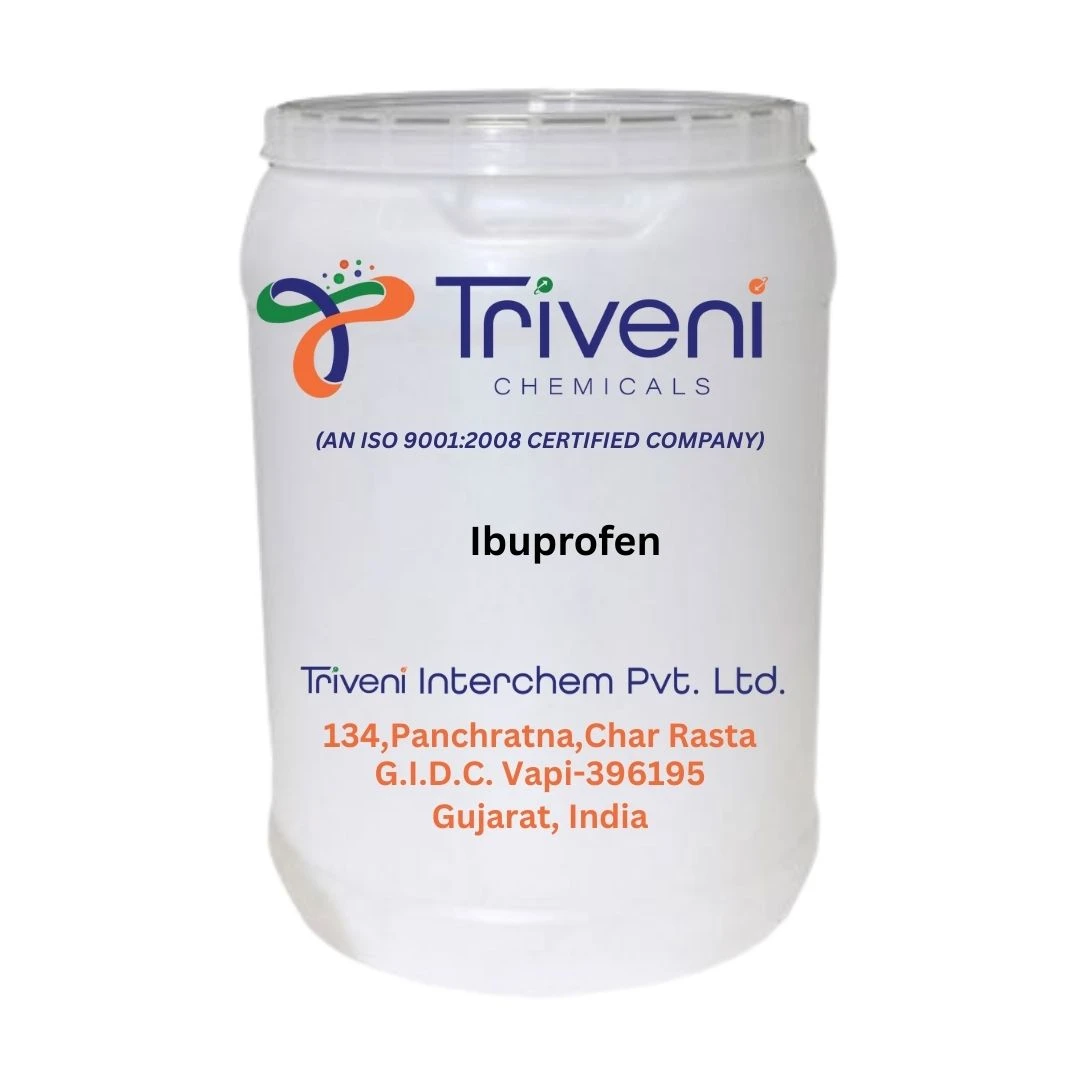
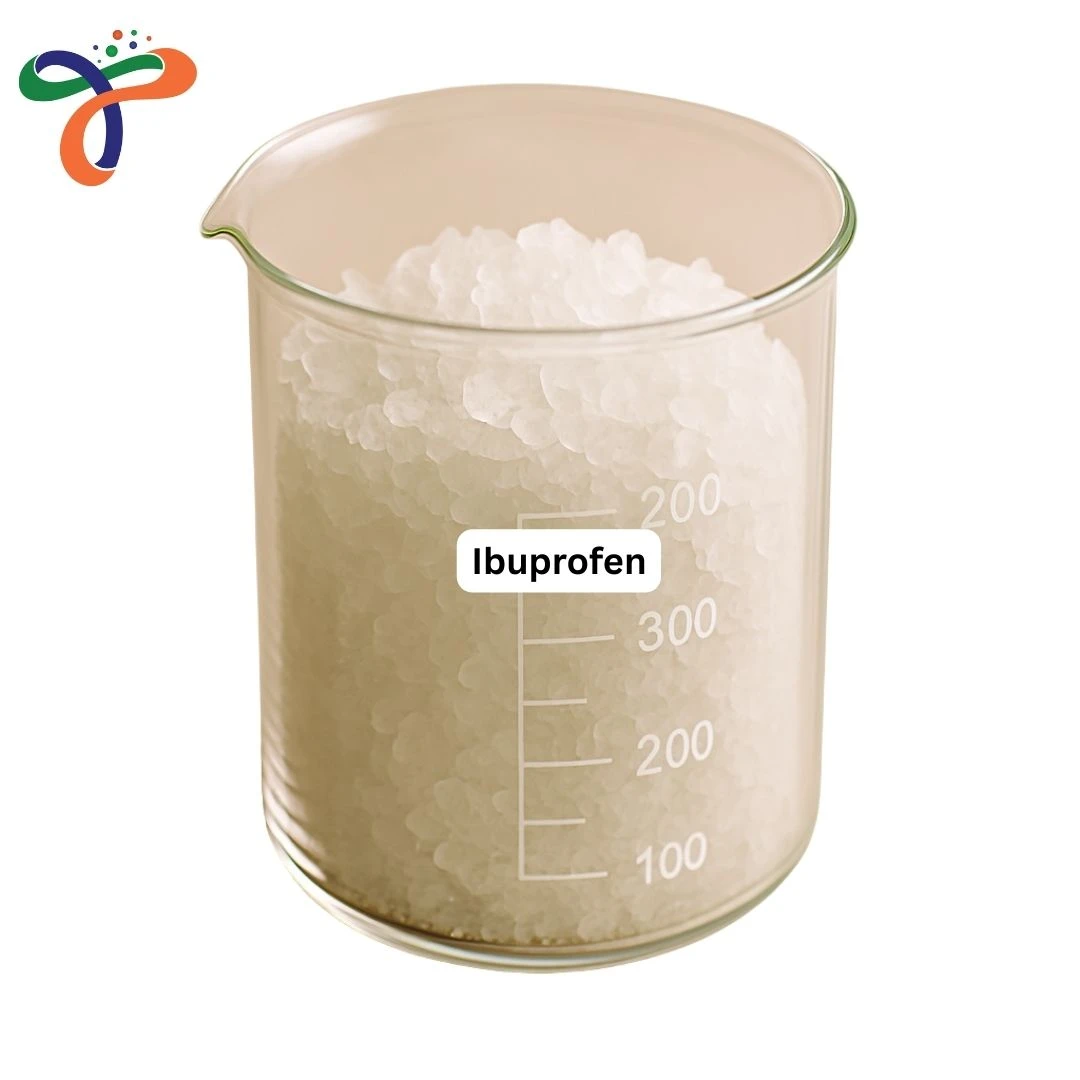
Ibuprofen | 15687-27-1
Cas No :
15687-27-1
Form :
Solid
Molecular Weight :
206.29 G/mol
Molecular Formula :
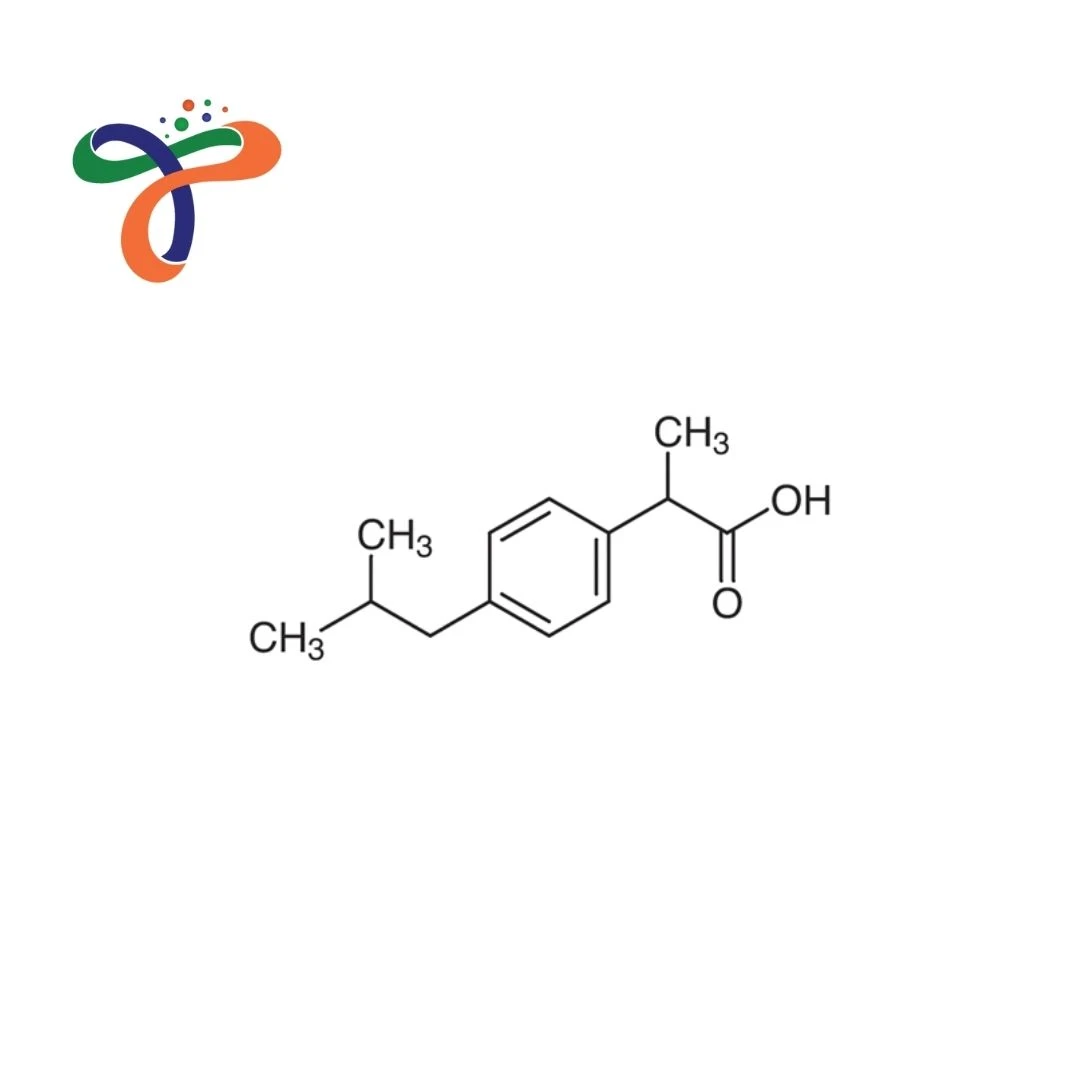
C13H18O2
Boiling Point :
157 °c
Melting Point :
76 °c
Flash Point :
170 °c
Solubility :
Sparingly Soluble In Water; Soluble In Ethanol And Acetone
Description :
Overview of Ibuprofen
Ibuprofen is a non-steroidal pharmaceutical-grade anti-inflammatory medication (NSAID) extensively utilized as an ingredient in pharmaceuticals due to its analgesic, anti-inflammatory, and antipyretic effects. It is part of the propionic acids class of NSAIDs, and is an API that is widely produced in APIs around the world.
In the pharmaceutical industry, Ibuprofen is valued for its well-characterised chemical profile, consistent therapeutic performance, and suitability for multiple dosage forms. Ibuprofen India manufacturing facilities supply this API under GMP conditions for domestic and international regulated markets.
As a pharmaceutical chemical, Ibuprofen is a core API in pain management and anti-inflammatory drug formulations.
Applications of Ibuprofen
Pharmaceutical API & Therapeutic Use
Ibuprofen uses in pharmaceuticals include the manufacture of oral solid dosage forms, suspensions, and topical preparations for pain, inflammation, and fever management. It is commonly formulated as tablets, capsules, syrups, and gels.
In analgesic formulation planning, it is often evaluated alongside Paracetamol for combination and comparative pain-relief strategies.
Pharmaceutical Chemistry & Mechanism of Action
From a pharmaceutical chemistry perspective, the ibuprofen structure consists of a substituted phenyl ring with a propionic acid side chain, which is essential for its NSAID activity.
The ibuprofen mechanism of action involves inhibition of cyclooxygenase enzymes, leading to reduced prostaglandin synthesis and decreased pain and inflammation.
Ibuprofen synthesis typically involves isobutylbenzene as a key starting material, followed by controlled acylation and oxidation steps under industrial conditions.
Industrial & Regulated Manufacturing Use
Ibuprofen is made as an API of high purity with strict control of impurity forms and size distribution. It is ideal for manufacturing large-scale pharmaceuticals and fixed-dose combinations.
In NSAID research and formulation development, it may be referenced alongside Ketoprofen and Diclofenac Sodium for comparative efficacy and safety profiling.
Safety & Handling Guidelines
- Store in a cool, dry, and controlled environment
- Protect from moisture and excessive heat
- Keep containers tightly sealed and clearly labelled
- Avoid inhalation of dust during handling
- Avoid direct contact with skin and eyes
- Wear appropriate PPE, including protective eyewear and gloves
- Controlled pharmaceutical manufacturing conditions
- Waste disposal is governed by the regulations.
Where to Buy Ibuprofen?
Ibuprofen Manufacturer
Ibuprofen is manufactured for pharmaceutical applications where high purity, controlled synthesis, and compliance with pharmacopeial standards are essential. Ibuprofen India manufacturers supply regulated-grade API for global pharmaceutical markets.
Ibuprofen Supplier & Distributor
Ibuprofen is available in pharmaceutical-grade packaging that is suitable for formulation makers. As a pharmaceutical chemicals distributor, Chemicalbull Pvt. Ltd. assists its customers with reliable sourcing as well as the most common regulatory documents.
MSDS for Ibuprofen
The MSDS for Ibuprofen provides detailed information on chemical hazards, safe handling practices, storage requirements, exposure controls, and emergency response procedures. Always review the MSDS before pharmaceutical manufacturing use.
Frequently Asked Questions (FAQs)
-
What is Ibuprofen used for?
Ibuprofen is used as an API in pharmaceutical formulations for pain relief, inflammation control, and fever reduction. -
What are the side effects of Ibuprofen?
Ibuprofen side effects are dose- and duration-dependent and may include gastrointestinal irritation and renal effects if not properly formulated or administered. -
What is the mechanism of action of Ibuprofen?
Ibuprofen works by inhibiting COX enzymes, reducing prostaglandin production responsible for pain and inflammation. -
How is Ibuprofen synthesised?
Ibuprofen synthesis involves a multi-step chemical process that begins with isobutylbenzene. It then proceeds to acylation, rearrangement, and purification under controlled conditions in the industrial sector. -
Ibuprofen vs Aceclofenac – what is the difference?
Ibuprofen is a non-selective NSAID commonly used for mild to moderate pain, while aceclofenac is a phenylacetic acid derivative often selected for chronic inflammatory conditions due to its different pharmacokinetic profile.
ChemicalBull supplies Ibuprofen across India, serving customers in Andhra Pradesh, Arunachal Pradesh, Assam, Bihar, Chhattisgarh, Goa, Gujarat, Haryana, Himachal Pradesh, Jharkhand, Karnataka, Kerala, Madhya Pradesh, Maharashtra, Manipur, Meghalaya, Mizoram, Nagaland, Odisha, Punjab, Rajasthan, Sikkim, Tamil Nadu, Telangana, Tripura, Uttar Pradesh, Uttarakhand, and West Bengal, as well as the Union Territories of Andaman & Nicobar Islands, Chandigarh, Dadra & Nagar Haveli and Daman & Diu, Delhi, Jammu & Kashmir, Ladakh, Lakshadweep, and Puducherry. We serve pharmaceutical, chemical, research, academic, laboratory, manufacturing, and industrial customers with reliable nationwide delivery.