Lauric Acid | 0143-07-07
Cas No :
0143-07-07
Synonyms :
Form :
Solid
Molecular Weight :
200.32 G/mol
Molecular Formula :
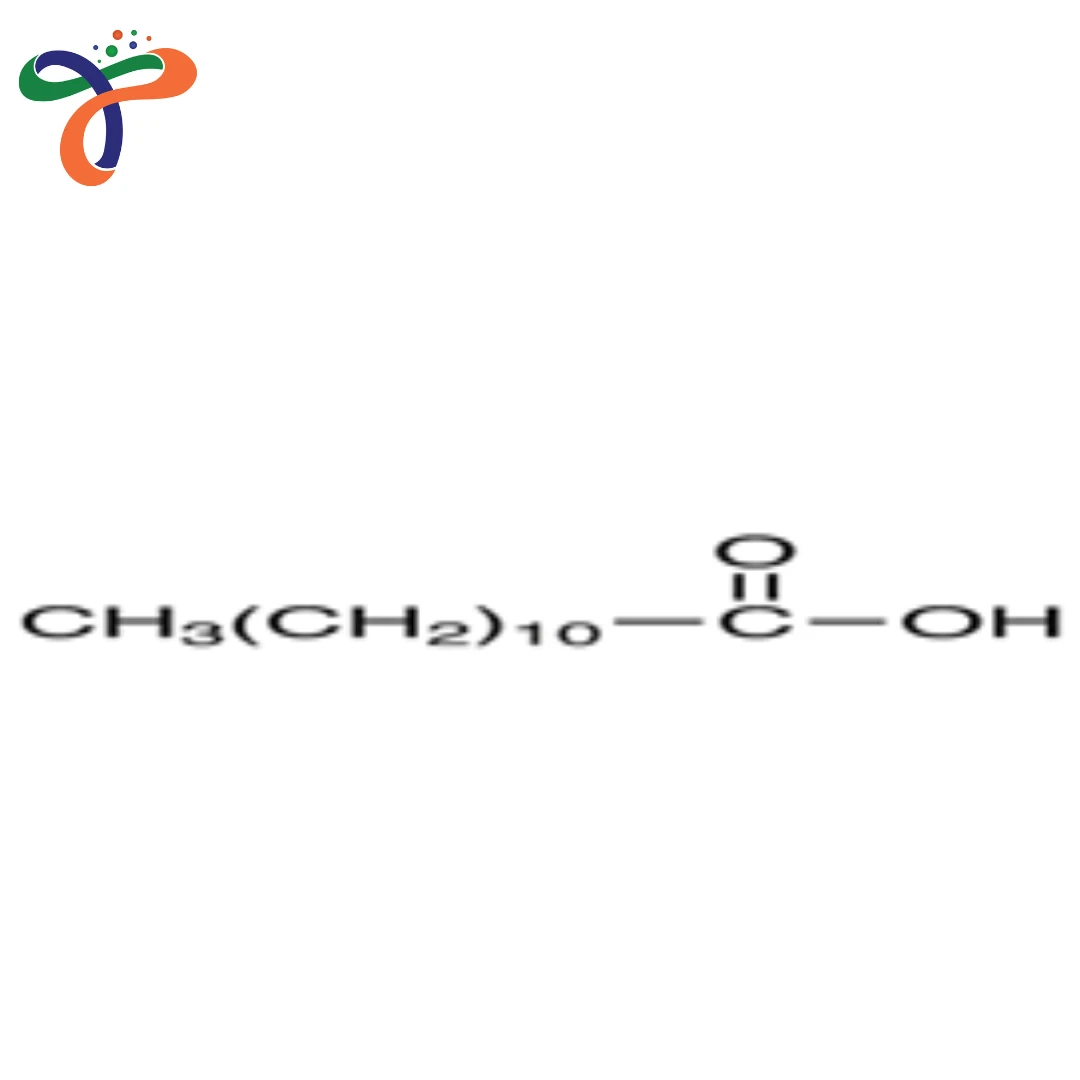
C12H24O2
Boiling Point :
225 °c At 100 Mmhg
Melting Point :
43–46 °c
Flash Point :
168 °c
Solubility :
Insoluble In Water; Soluble In Ethanol, Chloroform, Ether, Oils
Description :
Lauric Acid Suppliers, Manufacturers & Distributors in India
Overview
Chemical Bull is one of the leading Lauric Acid suppliers, manufacturers, distributors, wholesalers, and global exporters in India, offering high-quality material for personal care, cosmetics, soaps, detergents, pharmaceuticals, and industrial applications.
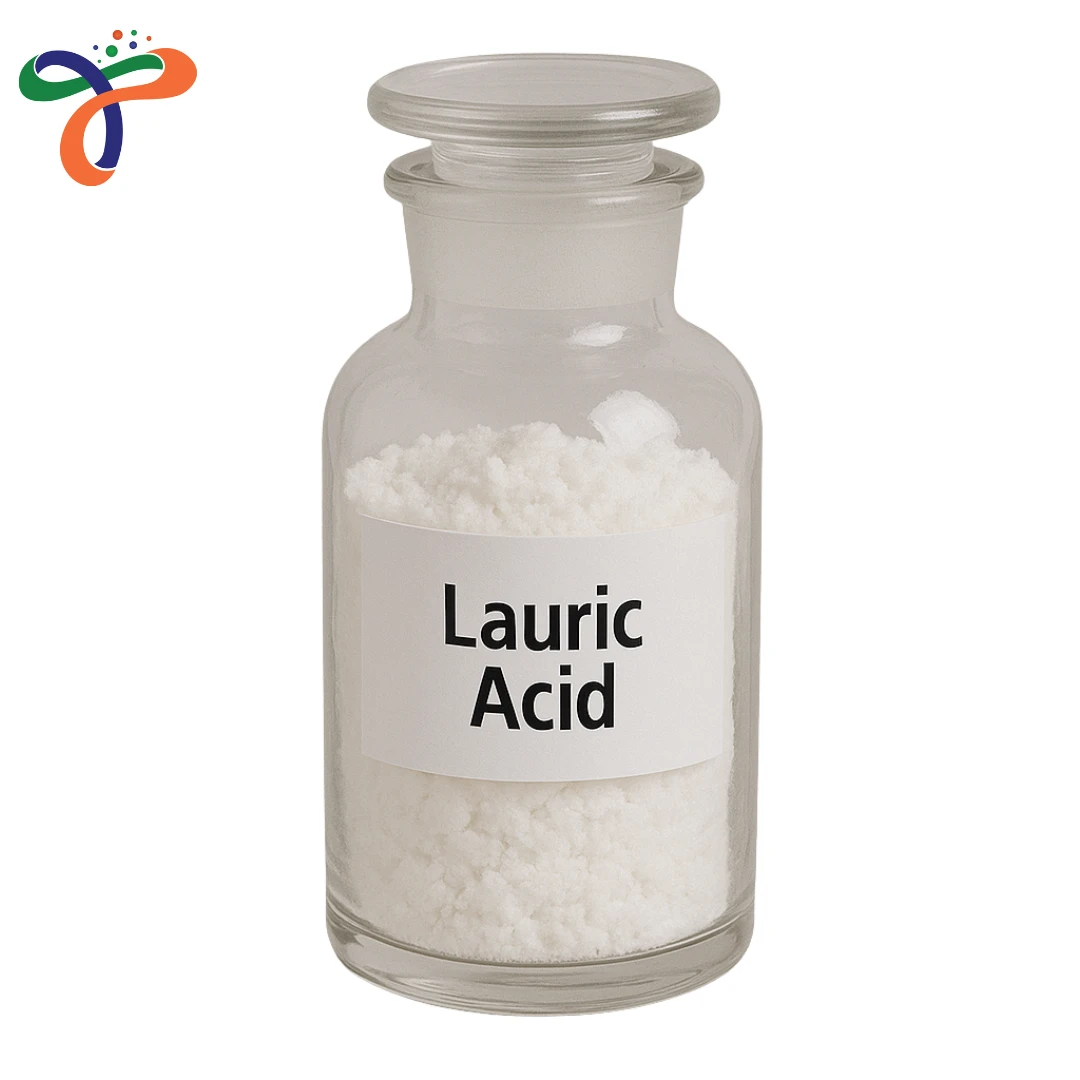
Lauric Acid (CAS No. 143-07-7) is a saturated medium-chain fatty acid primarily derived from coconut oil and palm kernel oil. It appears as a white crystalline solid and is widely valued for its excellent cleansing, foaming, emulsifying, and antimicrobial properties.
As one of the leading Lauric Acid manufacturers in India, Chemical Bull ensures consistent purity, stable supply, and industrial-grade quality suitable for global personal care and cleaning industries.
Explore our Personal Care Chemicals category for more fatty acids, surfactants, and cosmetic raw materials.
Why Choose Chemical Bull as a Lauric Acid supplier and manufacturer?
Trusted B2B Supplier & Exporter
We serve cosmetic manufacturers, soap producers, detergent industries, pharmaceutical companies, and chemical distributors across domestic and international markets.
Bulk Supply Capability
Available in flexible packaging options suitable for small-scale production, pilot batches, and large industrial manufacturing.
High Purity & Consistent Quality
Supplied under strict quality control to ensure reliable performance in formulation and industrial applications.
Competitive Pricing
Cost-effective bulk pricing designed for manufacturers, traders, wholesalers, and exporters.
Global Export Support
Efficient logistics and export documentation support for shipments across Asia, Europe, Africa, and the Middle East.
Complete Documentation
Lauric Acid MSDS, Certificate of Analysis (CoA), and technical data sheets available upon request.
Applications of Lauric Acid
Lauric Acid is a highly versatile fatty acid widely used in personal care and industrial applications due to its cleansing, foaming, and emulsifying properties.
1. Soap & Detergent Industry
Lauric Acid is widely used in soap manufacturing where it contributes to:
- High foam generation
- Strong cleansing action
- Hard bar formation
- Improved lather stability
It is a key raw material in toilet soaps and detergent formulations.
2. Personal Care & Cosmetic Products
In cosmetics, Lauric Acid is used as a:
- Emollient
- Emulsifier
- Cleansing agent
It is commonly used in:
- Face washes
- Body washes
- Creams and lotions
- Shaving products
3. Pharmaceutical Applications
Lauric Acid is used in pharmaceutical formulations due to its antimicrobial properties and role as an excipient in topical preparations.
4. Industrial Applications
It is used in various industrial formulations including lubricants, plasticizers, and surfactant production.
5. Surfactant & Intermediate Production
Lauric Acid is a key raw material for producing lauryl-based surfactants such as sodium lauryl sulfate (SLS) and other ester derivatives.
6. Antimicrobial & Functional Applications
It exhibits natural antimicrobial properties, making it useful in hygiene and skincare formulations.
B2B Buyers We Serve as Lauric Acid manufacturers in india
Chemical Bull is a preferred sourcing partner for:
- Soap manufacturers
- Cosmetic product companies
- Personal care formulators
- Detergent manufacturers
- Pharmaceutical companies
- Industrial chemical distributors
- Export-import traders
- Global manufacturers
Frequently Asked Questions (FAQ)
Q1: What is Lauric Acid used for?
Lauric Acid is used in soaps, detergents, cosmetics, personal care products, pharmaceuticals, and industrial chemical applications.
Q2: Is Lauric Acid natural?
Yes. Lauric Acid is naturally derived from coconut oil and palm kernel oil.
Q3: Does Chemical Bull provide Lauric Acid MSDS?
Yes. Lauric Acid MSDS, CoA, and technical documentation are available upon request.
Q4: Can Lauric Acid be purchased in bulk?
Yes. Chemical Bull supplies Lauric Acid in bulk quantities for manufacturers and industrial users.
Q5: Does Chemical Bull export Lauric Acid internationally?
Yes. We export Lauric Acid globally with complete documentation and logistics support.
Need a Reliable Lauric Acid Supplier in India?
Contact Chemical Bull today to request a quotation, check availability, or obtain Lauric Acid MSDS and technical support. We ensure consistent quality, competitive pricing, and dependable global supply for all bulk requirements.
Related Products from Personal Care Chemicals Category:
ChemicalBull supplies Lauric Acid across India, serving customers in Andhra Pradesh, Arunachal Pradesh, Assam, Bihar, Chhattisgarh, Goa, Gujarat, Haryana, Himachal Pradesh, Jharkhand, Karnataka, Kerala, Madhya Pradesh, Maharashtra, Manipur, Meghalaya, Mizoram, Nagaland, Odisha, Punjab, Rajasthan, Sikkim, Tamil Nadu, Telangana, Tripura, Uttar Pradesh, Uttarakhand, and West Bengal, as well as the Union Territories of Andaman & Nicobar Islands, Chandigarh, Dadra & Nagar Haveli and Daman & Diu, Delhi, Jammu & Kashmir, Ladakh, Lakshadweep, and Puducherry. We serve pharmaceutical, chemical, research, academic, laboratory, manufacturing, and industrial customers with reliable nationwide delivery.