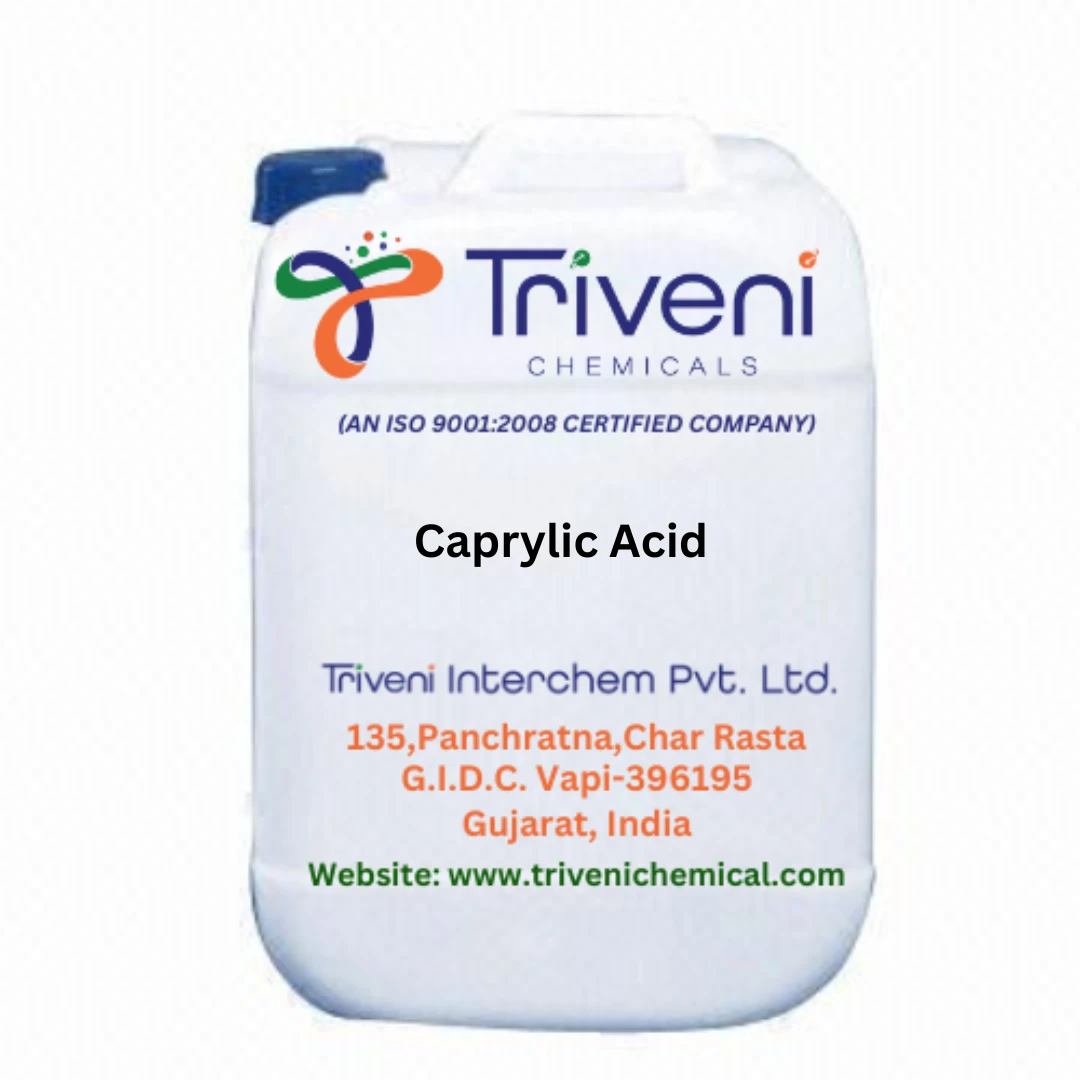
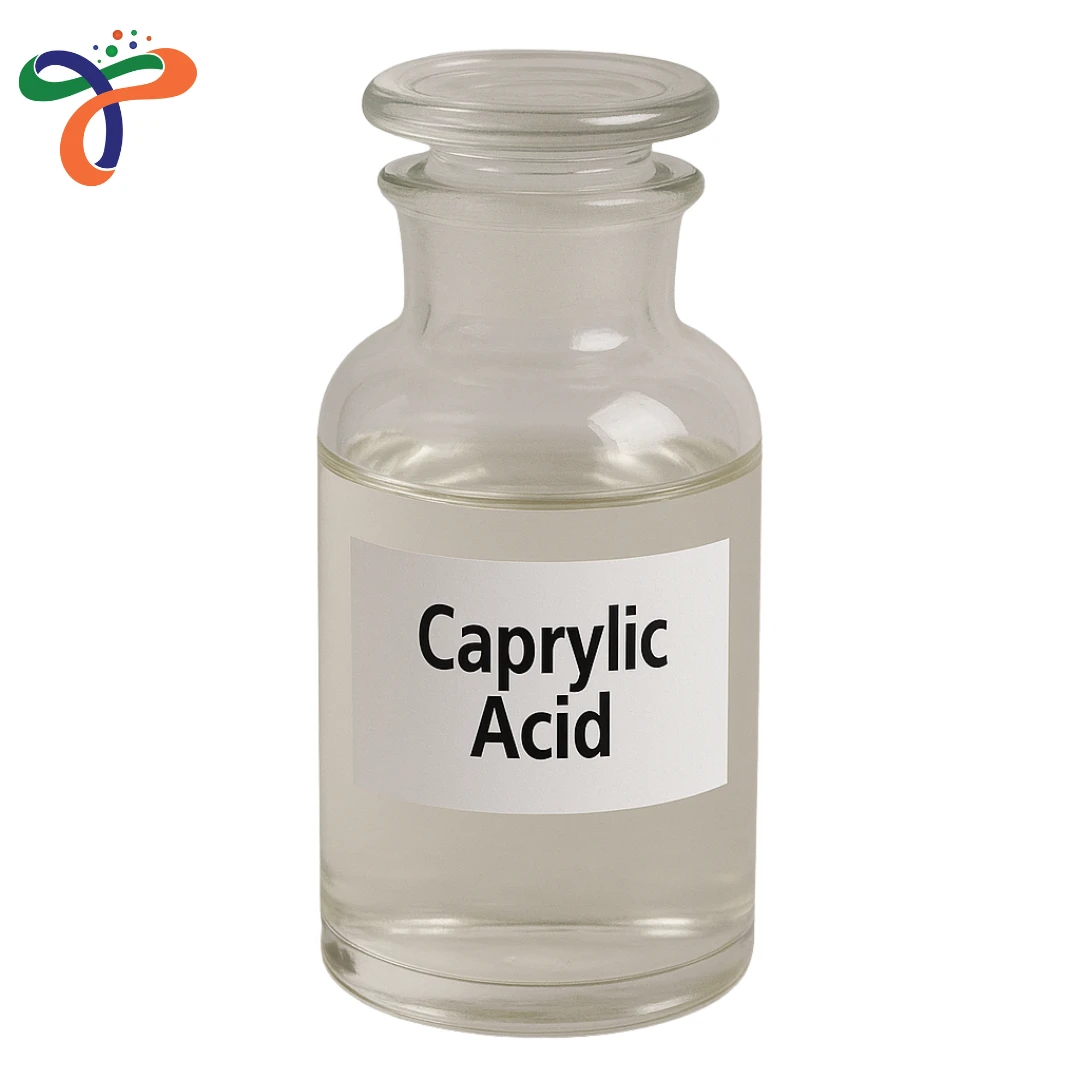
Caprylic Acid | 0124-07-02
Cas No :
0124-07-02
Synonyms :
Form :
Liquid
Molecular Weight :
144.21 G/mol
Molecular Formula :
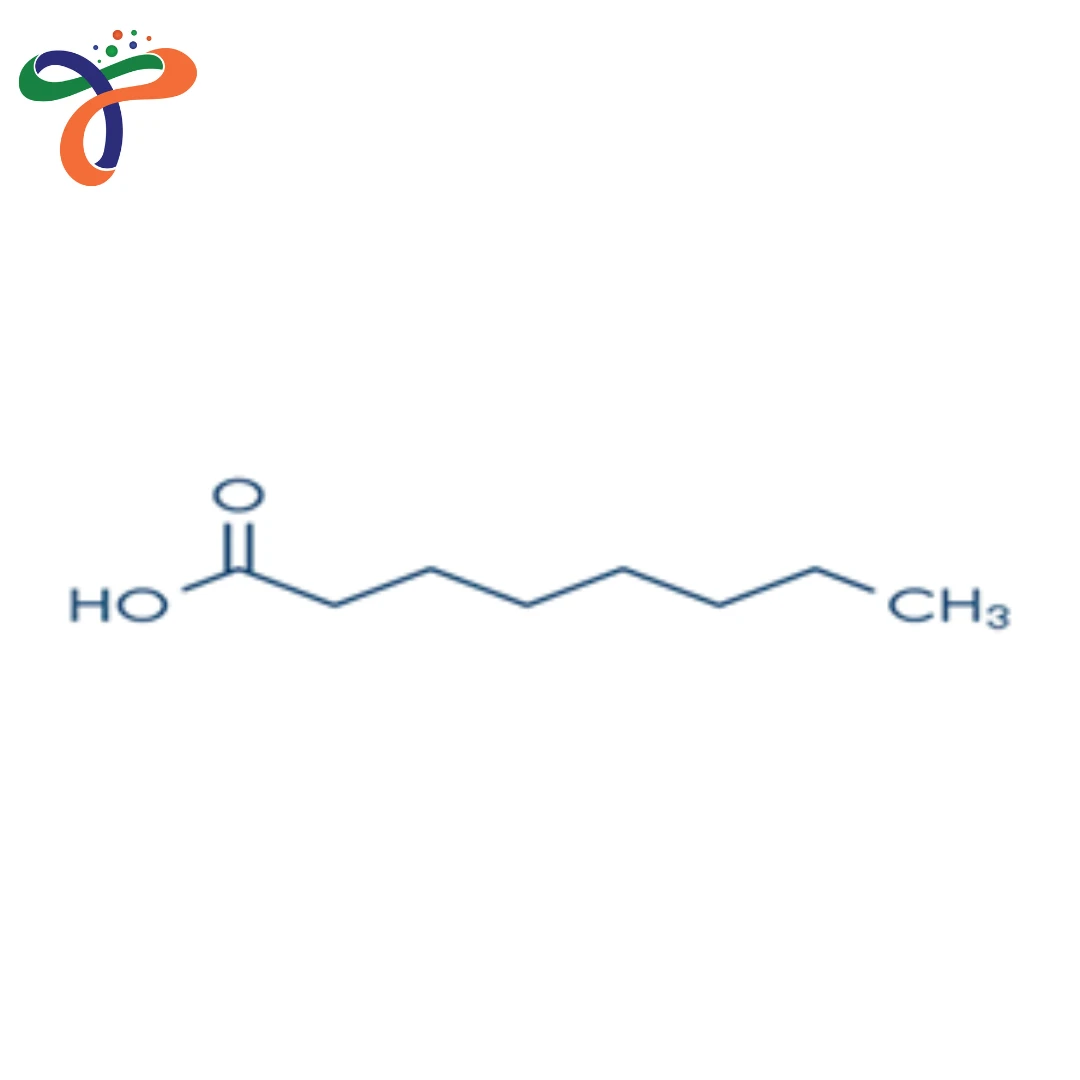
C8H16O2
Boiling Point :
237 °c
Melting Point :
15–17 °c
Flash Point :
109 °c
Solubility :
Alcohol, Ether
Description :
Caprylic Acid Suppliers & Manufacturers In India
ChemicalBull is one of the trusted Caprylic Acid suppliers, manufacturers, distributors, wholesalers, and exporters in India. ChemicalBull supplies Caprylic Acid CAS 124-07-2 in bulk for pharmaceutical, nutraceutical, personal care, cosmetic, food, fragrance, industrial, and global export buyers. Caprylic Acid is mainly used in dietary supplements, skincare formulations, antimicrobial products, ester manufacturing, perfumery intermediates, and industrial chemical processing.
Request Bulk Caprylic Acid Price, MSDS, TDS, COA, and export documentation from ChemicalBull today.
Overview of Caprylic Acid
Caprylic Acid, also known as Octanoic Acid, is a saturated medium-chain fatty acid with the chemical formula C8H16O2. It is naturally found in coconut oil and palm kernel oil and is widely used in pharmaceutical, nutraceutical, cosmetic, personal care, food, fragrance, and industrial applications.
Caprylic Acid is valued for its use in MCT oil production, dietary supplements, topical formulations, antimicrobial products, emollient systems, ester synthesis, and specialty chemical manufacturing.
ChemicalBull supplies Caprylic Acid for bulk commercial and industrial requirements, helping buyers with product availability, documentation, packaging support, and export-focused procurement.
Applications of Caprylic Acid
Caprylic Acid is a multifunctional reagent used in diverse high-value manufacturing processes.
-
Personal Care & Cosmetics: Acts as a mild emollient and thickening agent in creams and lotions, providing a non-greasy feel while improving the spreadability of the formulation.
-
Antimicrobial Formulations: Utilized for its natural ability to inhibit the growth of bacteria and fungi, making it ideal for topical antifungal treatments and medicated cleansers.
-
Dietary Supplements & MCTs: A primary component of Medium Chain Triglyceride (MCT) oils, favored in the health and wellness industry for its metabolic efficiency.
-
Chemical Intermediates: Used in the production of esters for perfumery and as a precursor in the synthesis of specialized dyes and lubricants.
-
Disinfectants and Sanitizers: Employed in the formulation of food-grade sanitizers due to its effectiveness against various pathogens.
-
Emollient & Skin Conditioner: Used to create esters like Ethyl Lactate or caprylic/capric triglycerides, providing a smooth, non-greasy feel to lotions and creams.
-
Antimicrobial Booster: Enhances the efficacy of preservative systems in "preservative-free" marketing claims. It pairs excellently with Propylene Glycol to improve skin penetration of active ingredients.
Related Chemicals
Buyers sourcing Caprylic Acid may also explore related pharmaceutical, nutraceutical, cosmetic, personal care, solvent, and industrial chemicals from ChemicalBull.
Safety, Handling & Professional Storage
Technical compliance ensures the longevity and safety of your bulk supply:
-
Handling: Caprylic Acid is corrosive in its concentrated form and can cause skin irritation. Use appropriate PPE (Personal Protective Equipment), including chemical-resistant gloves and safety goggles, during transfer.
-
Storage: Store in a cool, dry, and well-ventilated area in original stainless steel or high-density polyethylene (HDPE) containers. Keep away from strong bases and oxidizing agents to prevent chemical instability.
-
Regulatory Compliance: Our Caprylic Acid is derived from vegetable sources, is non-GMO, and is supplied with a comprehensive COA and updated MSDS.
Where to Buy Caprylic Acid ?
Caprylic Acid Suppliers & Manufacturers
Chemical Bull offers the technical expertise and global logistics required for the distribution of high-purity fatty acids.
-
High C8 Content: We guarantee a high-assay product with minimal C10/C6 impurities, ensuring maximum metabolic efficiency for MCT producers.
-
Sustainable Sourcing: We prioritize vegetable-derived (Coconut/Palm) sources and support eco-friendly, vegan product labels.
-
Bulk Supply Stability: We maintain a robust inventory to support large-scale nutraceutical and cosmetic manufacturing cycles.
Caprylic Acid Supplier & Distributor
As a trusted provider in the chemical sector, we offer bulk quantities with assured quality and competitive wholesale pricing. We also maintain a robust inventory of related products like Lactic Acid and other medium-chain triglycerides.
Caprylic Acid should be reviewed through proper technical documentation before procurement, storage, handling, or manufacturing use.
Why Choose ChemicalBull As Your Caprylic Acid Supplier?
ChemicalBull helps B2B buyers source Caprylic Acid with a procurement-focused approach. The goal is to support buyers with product availability, documentation, packaging, bulk pricing, and export support.
Advantages
- Trusted Caprylic Acid supplier in India
- Bulk Caprylic Acid supply support
- Manufacturer, distributor, wholesaler, and exporter positioning
- Suitable for pharmaceutical, nutraceutical, cosmetic, and industrial buyers
- MSDS, TDS, COA, and specification support
- Export-focused chemical sourcing
- Wholesale and distributor-level enquiry support
- Buyer-friendly quotation process
- Support for repeat procurement
ChemicalBull helps procurement teams reduce sourcing delays by supporting Caprylic Acid price enquiries, technical documentation, packaging details, and bulk supply coordination.
Get Caprylic Acid Bulk Supply Support
Need Caprylic Acid for pharmaceutical, nutraceutical, cosmetic, personal care, fragrance, food, or industrial production?
ChemicalBull supports bulk Caprylic Acid sourcing for manufacturers, formulators, distributors, wholesalers, exporters, procurement teams, and global chemical buyers.
Caprylic Acid MSDS And Technical Documents
ChemicalBull can support buyers with:
- Caprylic Acid MSDS
- Caprylic Acid Technical Data Sheet
- Certificate of Analysis
- Product specification
- Packaging information
- Handling information
- Storage details
- Export documentation, where applicable
Buyers should review the latest Caprylic Acid MSDS before industrial handling or formulation use.
Frequently Asked Questions (FAQ)
-
Who is a reliable Caprylic Acid supplier in India?
ChemicalBull is one of the trusted Caprylic Acid suppliers in India, serving pharmaceutical, nutraceutical, cosmetic, personal care, food, fragrance, and industrial buyers. -
What are the main uses of Caprylic Acid?
Caprylic Acid is mainly used in dietary supplements, MCT oil production, cosmetics, personal care products, antimicrobial formulations, ester manufacturing, fragrances, disinfectants, and fine chemical production. -
How can I get Caprylic Acid price?
To get Caprylic Acid price, share your required quantity, grade, packaging size, delivery location, and documentation needs with ChemicalBull for a bulk quotation. -
What are the available grades?
We offer Caprylic Acid in multiple grades, including Food Grade and Technical Grade, to suit various pharmaceutical and industrial applications. -
Can I buy bulk Caprylic Acid?
Yes, Chemical Bull is a trusted supplier of bulk Caprylic Acid. We offer various packaging options with full technical documentation, including COAs and MSDSs.
ChemicalBull supplies Caprylic Acid across India, serving customers in Andhra Pradesh, Arunachal Pradesh, Assam, Bihar, Chhattisgarh, Goa, Gujarat, Haryana, Himachal Pradesh, Jharkhand, Karnataka, Kerala, Madhya Pradesh, Maharashtra, Manipur, Meghalaya, Mizoram, Nagaland, Odisha, Punjab, Rajasthan, Sikkim, Tamil Nadu, Telangana, Tripura, Uttar Pradesh, Uttarakhand, and West Bengal, as well as the Union Territories of Andaman & Nicobar Islands, Chandigarh, Dadra & Nagar Haveli and Daman & Diu, Delhi, Jammu & Kashmir, Ladakh, Lakshadweep, and Puducherry. We serve pharmaceutical, chemical, research, academic, laboratory, manufacturing, and industrial customers with reliable nationwide delivery.