Polyethylene Glycol Monooleate | 9004-96-0
Cas No :
9004-96-0
Form :
Liquid
Molecular Weight :
664.00 G/mol
Boiling Point :
320 °c
Flash Point :
210 °c
Solubility :
Slightly Soluble In Water; Soluble In Most Organic Solvents
Description :
Overview of Polyethylene Glycol Monooleate
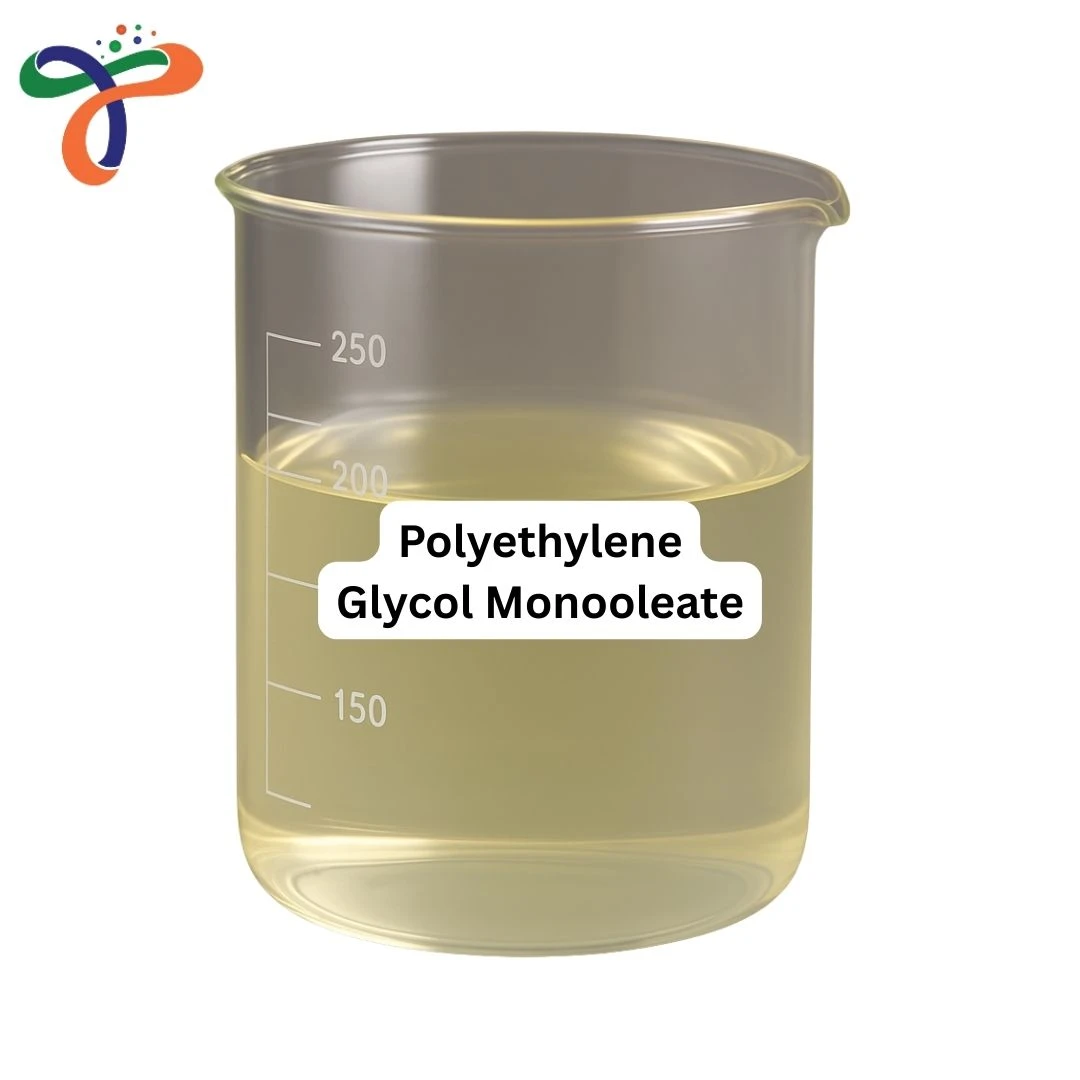
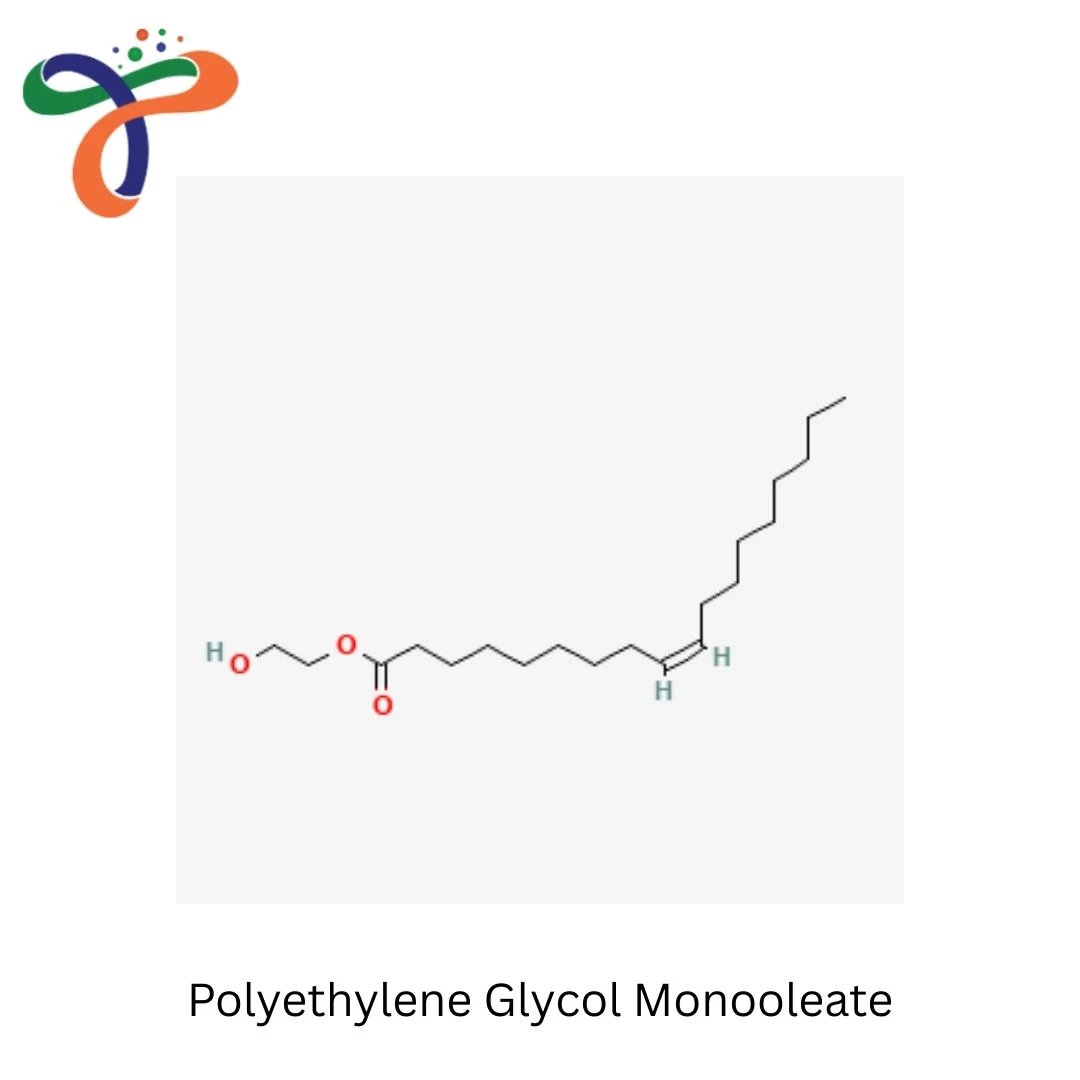
Polyethylene Glycol Monooleate (PEG Monooleate) is a non-ionic surfactant and emulsifier derived from oleic acid and polyethylene glycol, widely used in personal care and home care formulations for its emulsifying, solubilizing, and wetting properties. It typically appears as a viscous liquid or semi-solid, depending on PEG chain length.
In personal care products, Polyethylene Glycol Monooleate is valued for its ability to stabilise oil-in-water emulsions, improve spreadability, and enhance product clarity. It is commonly used in creams, lotions, cleansing products, shampoos, conditioners, bath oils, and makeup removers. It works well with ingredients such as PEG-7 Glyceryl Cocoate, Polysorbates, Sorbitan Esters, and Fatty Alcohol Ethoxylates to build stable and mild formulation systems.
In home care applications, Polyethylene Glycol Monooleate is used in liquid detergents, dishwashing liquids, surface cleaners, and degreasers, where effective emulsification of oily soils and formulation stability are required. Its non-ionic nature ensures good performance across a wide pH range and varying water hardness.
ChemicalBull supplies quality-grade Polyethylene Glycol Monooleate suitable for personal care and home care manufacturing, ensuring consistent ethoxylation, reliable emulsification, and dependable bulk supply.
Applications of Polyethylene Glycol Monooleate
Skin Care & Cosmetic Products
-
Used in creams, lotions, and cleansing emulsions
-
Acts as an effective emulsifier and solubiliser
-
Improves texture and product stability
Shampoos & Bath Products
-
Applied in shampoos, bath oils, and shower products
-
Enhances oil dispersion and mild cleansing
-
Improves the after-wash skin and hair feel
Makeup Removers & Cleansers
-
Used in makeup removers and facial cleansers
-
Helps dissolve makeup and oily residues
-
Supports gentle and effective cleansing
Home Care & Cleaning Products
-
Used in liquid detergents and surface cleaners
-
Emulsifies greasy soils for easy removal
-
Maintains formulation clarity and stability
Safety & Handling Guidelines
-
Store Polyethylene Glycol Monooleate in tightly closed containers
-
Keep in a cool, dry, and well-ventilated area
-
Avoid prolonged exposure to excessive heat
-
Use appropriate protective equipment during bulk handling
-
Follow standard industrial and cosmetic safety practices
Where to Buy Polyethylene Glycol Monooleate?
Polyethylene Glycol Monooleate Manufacturer
ChemicalBull supplies Polyethylene Glycol Monooleate for personal care, cosmetic, and home care applications, meeting consistent quality and performance standards.
Polyethylene Glycol Monooleate Supplier & Distributor
-
Bulk and customized packaging options available
-
Suitable for cosmetic, detergent, and cleaning product manufacturers
-
Reliable sourcing for domestic and international markets
-
Technical specifications and documentation provided
Polyethylene Glycol Monooleate MSDS
The Material Safety Data Sheet (MSDS) for Polyethylene Glycol Monooleate provides detailed guidance on safe handling, storage conditions, exposure controls, and emergency response measures. Users should always consult the official MSDS before handling or using the product in manufacturing and formulation processes.
Frequently Asked Questions (FAQs)
-
What is Polyethylene Glycol Monooleate used for?
It is used as a non-ionic emulsifier and solubiliser in personal care and home care formulations. -
Is Polyethylene Glycol Monooleate suitable for skin care products?
Yes, it is widely used in creams, lotions, and cleansers for stable emulsification and improved skin feel. -
Can Polyethylene Glycol Monooleate be used in detergents?
Yes, it is used in liquid detergents and cleaners to emulsify oily soils effectively. -
Is Polyethylene Glycol Monooleate compatible with other surfactants?
Yes, it is compatible with anionic, cationic, and amphoteric surfactants. -
Is Polyethylene Glycol Monooleate safe for cosmetic use?
When used according to recommended cosmetic guidelines, it is considered safe for personal care applications.
ChemicalBull supplies Polyethylene Glycol Monooleate across India, serving customers in Andhra Pradesh, Arunachal Pradesh, Assam, Bihar, Chhattisgarh, Goa, Gujarat, Haryana, Himachal Pradesh, Jharkhand, Karnataka, Kerala, Madhya Pradesh, Maharashtra, Manipur, Meghalaya, Mizoram, Nagaland, Odisha, Punjab, Rajasthan, Sikkim, Tamil Nadu, Telangana, Tripura, Uttar Pradesh, Uttarakhand, and West Bengal, as well as the Union Territories of Andaman & Nicobar Islands, Chandigarh, Dadra & Nagar Haveli and Daman & Diu, Delhi, Jammu & Kashmir, Ladakh, Lakshadweep, and Puducherry. We serve pharmaceutical, chemical, research, academic, laboratory, manufacturing, and industrial customers with reliable nationwide delivery.