Chemical Bull
4536
28-May-2025
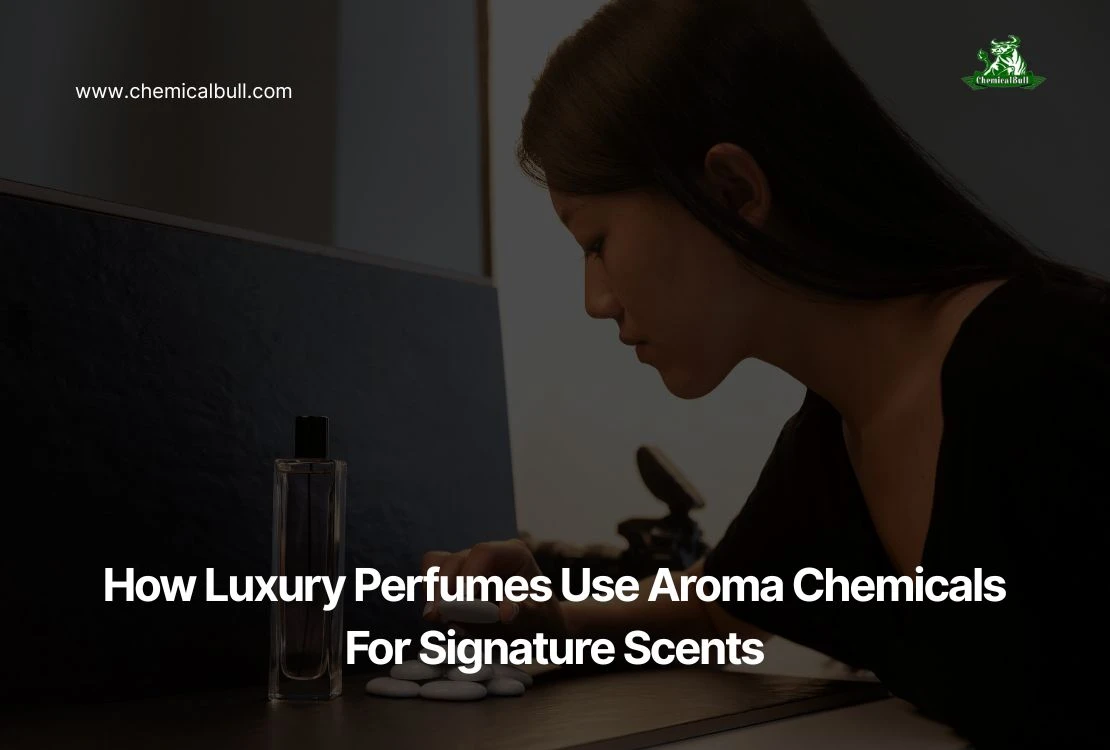
Luxury perfumes have been hailed as the ultimate in natural elegance, infused with exotic spices, woods, rare flowers, or precious oils. Aroma chemicals are the secret behind many of these iconic fragrances. Synthetic molecules, far from being a compromise or a shortcut, are sophisticated tools that help perfumers achieve unparalleled olfactory consistency, longevity, and complexity.
Learn how luxury fragrances are created by using aroma chemicals.
Aroma chemicals can be described as the individual molecules that make up perfumes. Aroma chemicals can include:
- Naturally derivable Extracted from animals or plants
- Nature-identical synthetics (lab-made copies of natural molecules)
- Synthetic Man-made and unnatural
The chemicals used by perfumers allow them to create new, unique scents that are difficult to obtain from nature.
Why luxury perfumes use aroma chemicals
Even the best-known brands use synthetics in large quantities despite the appeal of perfumes that claim to be "100% natural". Here's why:
- Consistency, Stability and Reliability: Natural ingredients are subject to seasonal variations due to climate, soil, and harvesting methods. Aroma chemicals provide consistent performance and scent quality.
- Source with Ethical and Sustainability: Historically, many natural ingredients, such as musk and sandalwood, that we love were harvested unethically or unsustainably. Synthetic substitutes protect ecosystems and endangered species.
- Cost Efficiency: Some materials, such as natural stones and wood, are extremely expensive or scarce. It takes more than 8,000 jasmine blossoms to make just one ml of absolute jasmine. Aroma chemicals provide similar profiles of olfactory notes at a lower cost.
- Creative Freedom: With aroma chemicals, perfumers can push the boundaries of creativity by designing new notes (like "clean skin" or "metallic rain") that nature doesn't provide.
Commonly used Aroma Chemicals.
Luxury perfumers often use aroma chemicals to create modern signature scents. A handful of stars dominate the synthetic fragrance industry.
- Iso E Super: An amber-woody scent that is transparent. Many niche and designer perfumes contain this ingredient.
- Hedione: Jasmine-like flower with a fresh, luminous radiance. Used in Dior’s Eau Sauvage.
- Ambroxan: An ambergris-like substitute that lasts for a long time. It has a salty-musky, skin-like aroma.
- Calone is a synthetic marine note often used to create oceanic or fresh aquatic scents.
- Cashmeran: An aromatic, musky, spicy scent with a woody undertone.
- Galaxolide: A soft, clean musk commonly used in perfumes to prolong freshness.
Blending: Crafting Signature Scents
The creation of signature scents is not an accident. Aroma chemicals are used to create them.
- Creating Accords: Perfumers often build "accords"--combinations of 2-5 aroma chemicals that mimic a specific scent, such as "rose," "leather," or "amber." These can then be layered to create a unique perfume composition.
- Balance Naturals and Synthetics: Natural essences are often blended with synthetic molecules in luxury fragrances to highlight certain aspects, enhance radiance, or extend wear. Natural jasmine could be softened by hedione or a citrus note extended with aliphatic alcohols.
- Longevity: Aroma chemicals like ambroxan or iso E super add depth and long-lasting performance, which is essential for signature perfumes that are meant to leave a lasting impression.
Case studies: Iconic scents made with synthetics
Let's look at some legendary perfumes in which aroma chemicals were a significant component:
- Chanel No. 5 (1921): It was often hailed by many as "the first modern" perfume. This is because it contained a revolutionary dose of aldehydes, which added an effervescent, soapy note. This perfume redefined the luxury of fragrance.
- Escentric Molecules 01 (2006): This minimalist scent is based on Iso E Super and features a single synthetic fragrance note. It adapts the smell to each wearer, creating an intimate yet avant-garde aroma.
- Dior Sauvage (2015): Blends Ambroxan combines spicy and citrus tones for a masculine scent that is a worldwide bestseller.
- Le Labo Santal 33: Synthetic sandalwood molecules evoke creamy and smoky heat without destroying endangered sandalwood trees.
Myths vs. Facts: Are Aroma Chemicals "Fake"?
It's still a common misconception that synthetic perfumes are inferior. But this is not the case.
MYTH: Synthetics can be harmful.
FACT: Synthetics can be safer than natural. Naturals may contain allergens such as limonene and eugenol.
MYTH: All-natural perfumes are the best.
FACT: Aroma chemicals are used in nearly all fragrances to refine, stabilize, and improve performance.
MYTH: Aroma chemicals lack depth or soul.
FACT: They can create new smell experiences and evoke powerful feelings when used creatively.
Future of Luxury Perfumery & Synthetic Innovation
Aroma chemicals are becoming more critical as luxury brands increasingly prioritize sustainability. The world's leading perfume companies are investing in biotechnology and green chemistry, such as:
-
Lab-grown natural molecules using yeast or bacteria fermentation
-
Techniques for carbon capture production of aroma molecules using CO2
-
Recycled waste materials New scent compounds
The innovations presented here offer an eco-conscious, luxurious perfumery without compromising ethics or creativity.
Conclusion
Aroma chemicals are the key to luxury perfumes' magic. They not only come from exotic resins and rare flowers but also combine art and science. The potent molecules perfumers use allow them to create complex scents with emotional resonance.
Far from being fake synthetics, aroma chemicals are modern perfumers' muse. They help redefine the true meaning of luxury.

Comment Section