Chemical Bull
2496
25-Mar-2025
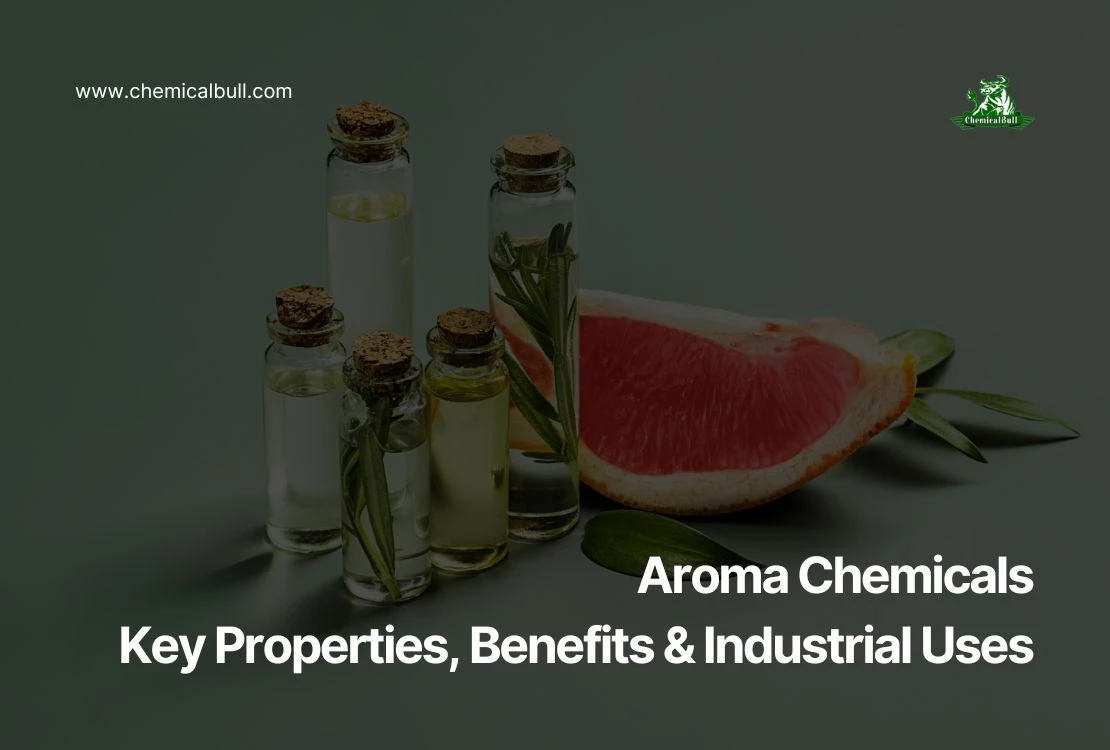
Aroma chemicals form the backbone of the flavour and scent business. They are essential to creating the aromas and flavours that make up the majority of our daily things, from food to perfumes to cosmetics, cleaners, and other products. These chemicals are vital to a variety of industries and provide us with the flavours and aromas that go with many different items.
In this post, we will explore the main characteristics, advantages, and benefits of the industrial application of aromatic chemical substances, shining a spotlight on their importance for the everyday life of the average person.
What Are Aroma Chemicals?
Aroma chemicals, which are also known as perfume chemicals or fragrance chemicals, are aroma chemical compounds that are either natural or synthetic and can be used to impart scent or flavour to food or perfume items. These chemicals are present in perfumes, cosmetics, drinks, foods, and even pharmaceuticals. The aroma chemicals can be natural, derived from animal or plant items, or created through the utilization of chemicals in laboratories.
It is often used in combination to make sophisticated tastes and smells that are long-lasting, stable, reliable, and not as susceptible to fluctuation as counterparts found in nature.
Key Properties of Aroma Chemicals
The characteristics of aromatic compounds are heavily influenced by the structure and chemical composition of their compound, along with their sources and the reason for which they were designed. The essential characteristics include:
- Volatility: Volatile chemicals are usually volatile. That means they release their vapours at temperatures that are lower than temperatures at room temperature. This allows the aroma or flavour to be detected by our nose as well as the taste sense. The nature of volatile chemicals utilized to create aroma will determine the rate at which the aroma can be released into the air.
- Characteristics of smell: Aroma chemicals have distinct characteristic smells that give them a distinctive smell profile. It can be flowery, fruity, or woody. Some are musky or even smoky, depending on the molecular shape of the chemical.
- Solubility: Many aromatic chemical compounds are water-soluble, and they dissolve both oil and alcohol, which can be employed to make scents by using solvents. The fact that they are soluble ensures the aroma or flavour is dispersed evenly and lasts longer once the fragrance has been finished.
- Stability: Aroma chemicals are made to resist a range of environments, including sunlight, temperatures, and even air. They are able to maintain the scent or flavour you want over an extended amount of duration. Stability is among the main qualities that are especially important when it comes to items such as perfumes as well as food products and products that require maintaining their aroma for a long duration.
- Safety: Since scent chemicals are used in products that come into contact with food, skin, or any other food products, they must meet strict guidelines for safe use. The safety of aroma chemicals is checked to ensure they're safe and non-irritating when used in the right quantities.
Benefits of Aroma Chemicals
Aroma chemicals possess a variety of advantages that make the chemicals in use across all industries.
- Constance and Quality: One of the most significant benefits of aromatic chemicals is that they provide identical fragrances or flavours for every batch. In contrast to natural sources, which tend to change due to environmental factors, chemicals guarantee high quality and consistency of the final product.
- Cost-effective: Synthetic aroma chemicals are more affordable than natural substances and are the ideal choice to cut costs for large-scale production. These chemicals can aid businesses in reducing production costs while still maintaining top quality.
- Sustainability: In view of the growing demand for environmentally sustainable products, synthesized aroma chemicals are a green alternative to natural compounds, which use a large amount of energy in agriculture. In addition, they're manufactured using a method that minimizes the impact on the environment.
- Customization: Aroma Chemicals can be modified to produce unique and distinctive flavours and smells that are difficult to achieve with natural ingredients. This opens the door to unlimited creativity and flexibility that is essential for areas like fragrances as well as food manufacturing.
- Long Lastic: The aroma chemicals marvellously have a longer shelf-life than other natural scents or other artificially extracted compounds. This is for food products, packaging such as cleaning supplies, food items, and cosmetics.
Industrial Uses of Aroma Chemicals
The use of aroma chemicals is essential to diverse industries. They can be employed in a myriad of ways, ranging from improving the appearance of goods for customers as well as enhancing the performance of industrial machinery. Some of the most popular industrial applications are:
- The Fragrance industry: The fragrance industry is the biggest consumer of chemical fragrances. These chemicals are mixed into colognes, perfumes, air fresheners, scents, and candles that contain fragrances. Mixing various fragrance chemicals permits perfume makers to make stylish and elegant fragrances that appeal to different tastes and trends.
- Food and Flavour Industry: The Flavor Industrial Aroma chemicals are frequently used in food and beverage items to boost the natural flavour. From fruity to spicy, these chemicals are essential to produce flavours that are found in cakes, candies, baked products, drinks, and many other products. They are also used for nutritional supplements, in which pleasing flavour or scent is essential in gaining the trust of customers.
- Household Products and Domestic Use: Cleaning and household products are used within the home and cleaning industries. Aroma chemicals are commonly added to disinfectants, cleaning products, and air fresheners that provide pleasing smells. They can also mask the bad smells of cleaning products. Chemicals can enhance impressions of cleanliness, such as the cleanliness of your house.
- Pharmaceutical uses: Pharmaceutical chemicals include aroma chemicals. They are utilized along with other chemicals in the medicine business, particularly in the production of lozenges, syrups, and other oral supplements. The chemicals used are utilized to mask the undesirable flavour or odour of certain active ingredients, making the products more palatable for the consumer to consume.
- Agriculture: Aroma chemicals are employed in agriculture as insect repellents and grow the regulators. These chemicals can influence pollination in plants or repel pests, providing a natural alternative to control insects.
Conclusion
Aroma chemicals are a crucial part of the contemporary environment that give us the distinct scents and tastes we're exposed to daily. For food products, perfumes, and other products, such as cleaning or pharmaceuticals, these substances are crucial to increase the appeal of the product while maintaining its consistency in quality, efficiency, and consistency.
Technology is constantly improving. The future for fragrance chemicals is promising due to the progress of sustainable manufacturing, more advanced chemical blends, and new applications. The role of aroma chemicals in impact industries is poised to increase, and it is expected that they will become the primary ingredient for many products every day.


Comment Section