
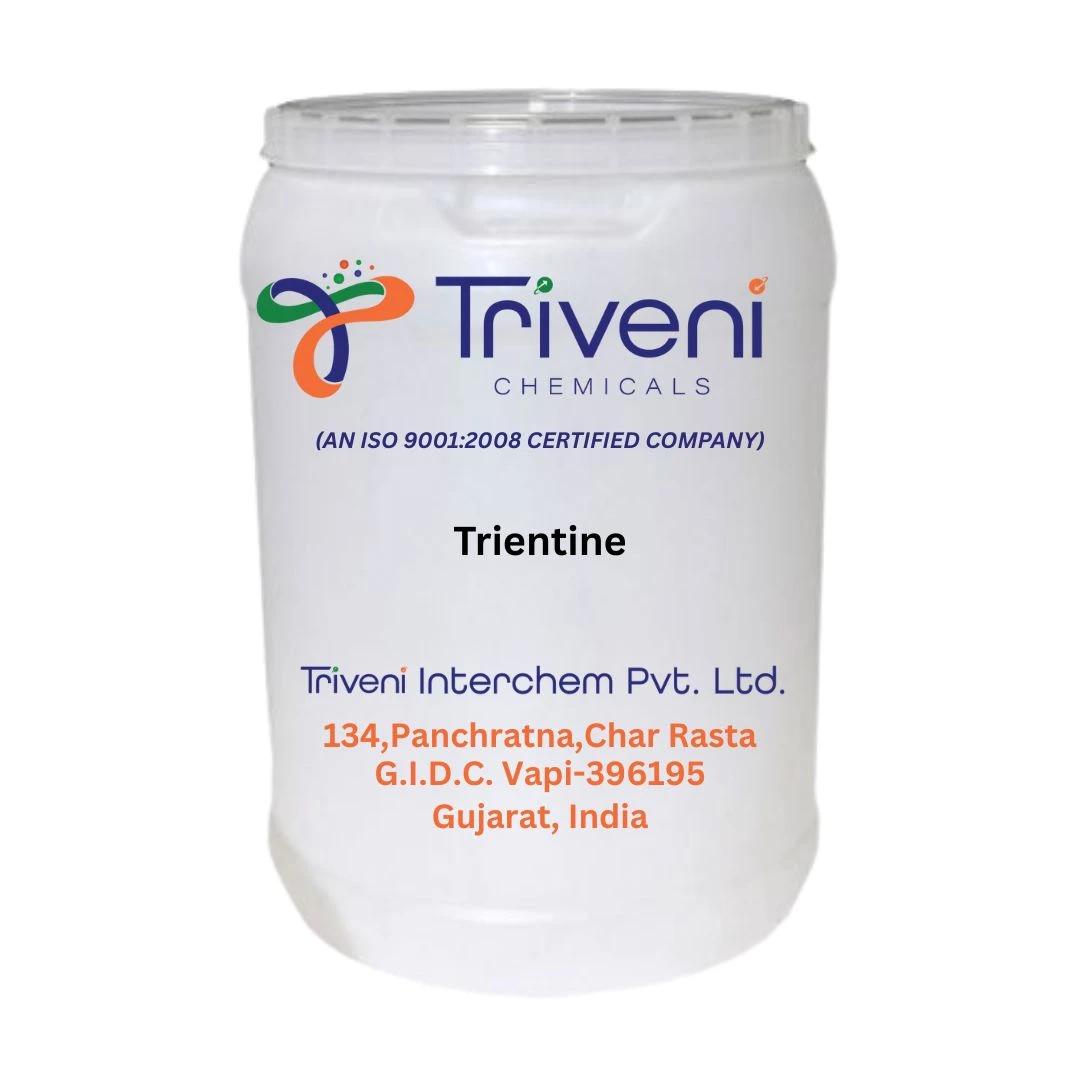
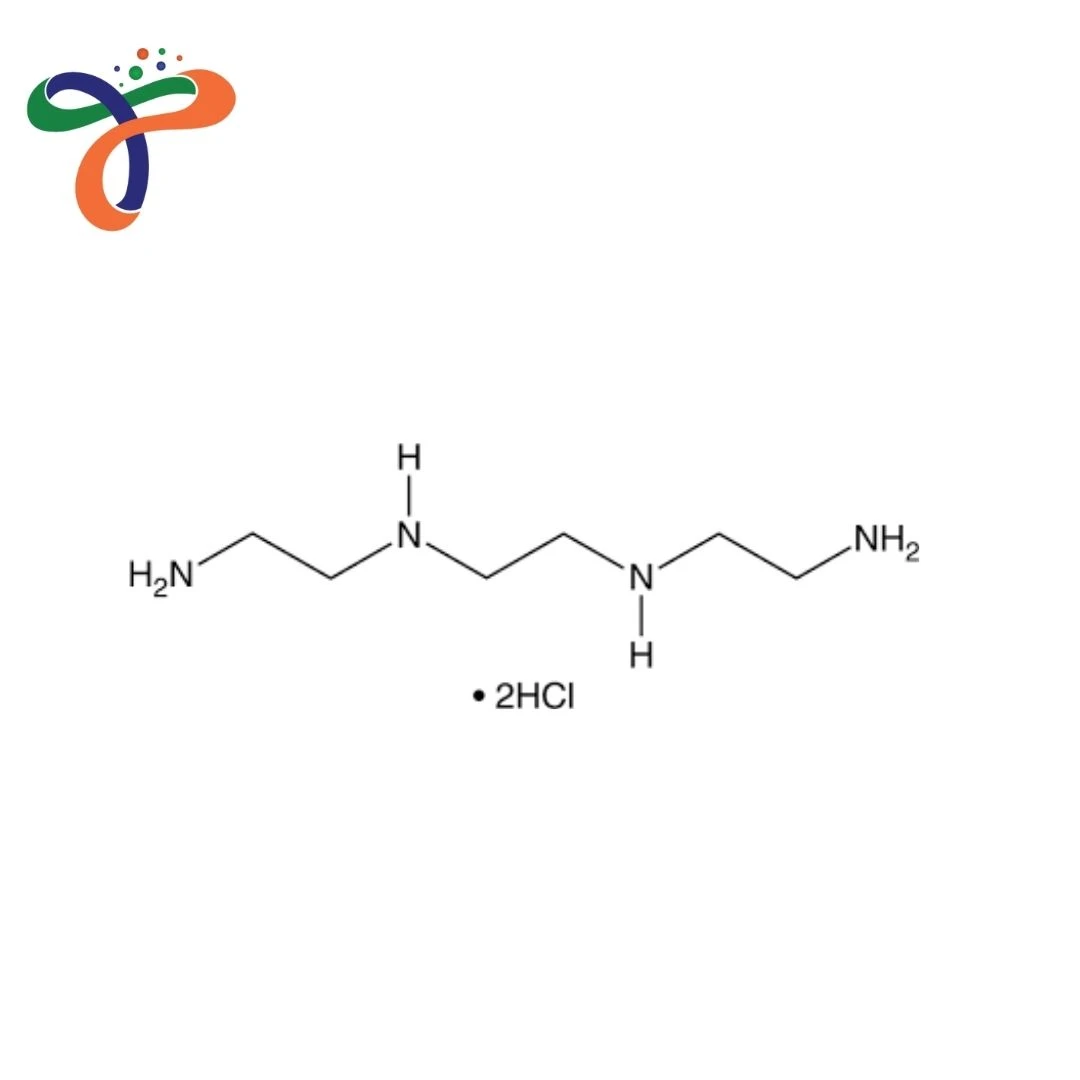
Trientine | 112-24-3
Cas No :
112-24-3
Form :
Powder
Molecular Weight :
146.24 G/Mol
Molecular Formula :
C6H18N4
Boiling Point :
300 °C
Melting Point :
176 °C
Flash Point :
140 °C
Solubility :
Soluble In Water; Soluble In Ethanol
Description :
Overview of Trientine
Trientine is a pharmaceutical-grade chelating agent, which is an active drug ingredient for metal overload treatment. It is typically utilized in controlled formulations created to enhance copper chelation.
In pharmaceutical manufacturing, Trientine is valued for its selective metal-binding properties, controlled therapeutic performance, and compatibility with oral dosage forms. It is produced under GMP-compliant conditions to meet stringent pharmacopeial standards for purity, assay, and impurity control.
As a pharma chemical, Trientine is used in specialised therapeutic formulations targeting metabolic disorders involving metal accumulation.
Applications of Trientine
Copper Chelation Therapy Formulations
Trientine is widely used in pharmaceutical products developed for copper chelation. It binds excess copper in the body, allowing its elimination and supporting long-term metabolic management strategies.
Wilson’s Disease Treatment Products
Trientine is integrated into oral formulations to manage the symptoms of Wilson's disease. Pharmaceutical manufacturers depend on its constant chelating action to provide controlled therapeutic benefits.
Alternative Chelation Therapy Development
Trientine is used in formulations developed as an alternative to other chelating agents when improved tolerability or different safety profiles are required. It supports diversification of chelation-based treatment portfolios.
Regulated Pharmaceutical Manufacturing Use
Trientine is manufactured as a high-purity pharmaceutical raw material with strict control over moisture content, residual solvents, and impurity levels. It is suitable for GMP-compliant production of specialised metabolic disorder medications.
In chelation-focused portfolios, it is often evaluated alongside Penicillamine, Deferoxamine, and Zinc Acetate for therapeutic comparison and formulation planning.
Safety & Handling Guidelines
- Keep it in a cool, humid, dry, and well-controlled area
- Be sure to protect yourself from contamination and moisture
- Make sure containers are tightly sealed and clearly labeled
- Beware of inhaling powders during handling
- Use appropriate personal protective equipment
- Handle under controlled pharmaceutical manufacturing conditions
- Dispose of waste according to regulatory guidelines
Where to Buy Trientine?
Trientine Manufacturer
Trientine is manufactured for pharmaceutical applications where controlled purity, consistent chelating activity, and regulatory compliance are essential.
Trientine Supplier & Distributor
Pharmaceutical-grade Trientine is available in appropriate packaging to allow formulation manufacturers to make their own. As a pharmaceutical chemicals provider and distributor Chemicalbull Pvt. Ltd. provides the reliability of sourcing by providing standard documentation.
MSDS for Trientine
The MSDS for Trientine provides detailed information on hazards, safe handling practices, storage conditions, exposure controls, and emergency response procedures. It should be reviewed before use in pharmaceutical manufacturing.
Frequently Asked Questions (FAQs)
-
What is Trientine used for?
Trientine is used in pharmaceutical formulations for the management of copper overload conditions. -
What is the mechanism of action of Trientine?
Trientine mechanism of action involves binding excess copper ions to form complexes that can be eliminated from the body. -
What are the side effects of Trientine?
Trientine side effects may include gastrointestinal discomfort and, in some cases, iron deficiency with long-term use. -
What is another name for Trientine?
Trientine is also known as triethylenetetramine dihydrochloride. -
What is the difference between penicillamine and trientine?
Both are copper-chelating agents, but they differ in chemical structure, tolerability profile, and specific clinical use considerations.