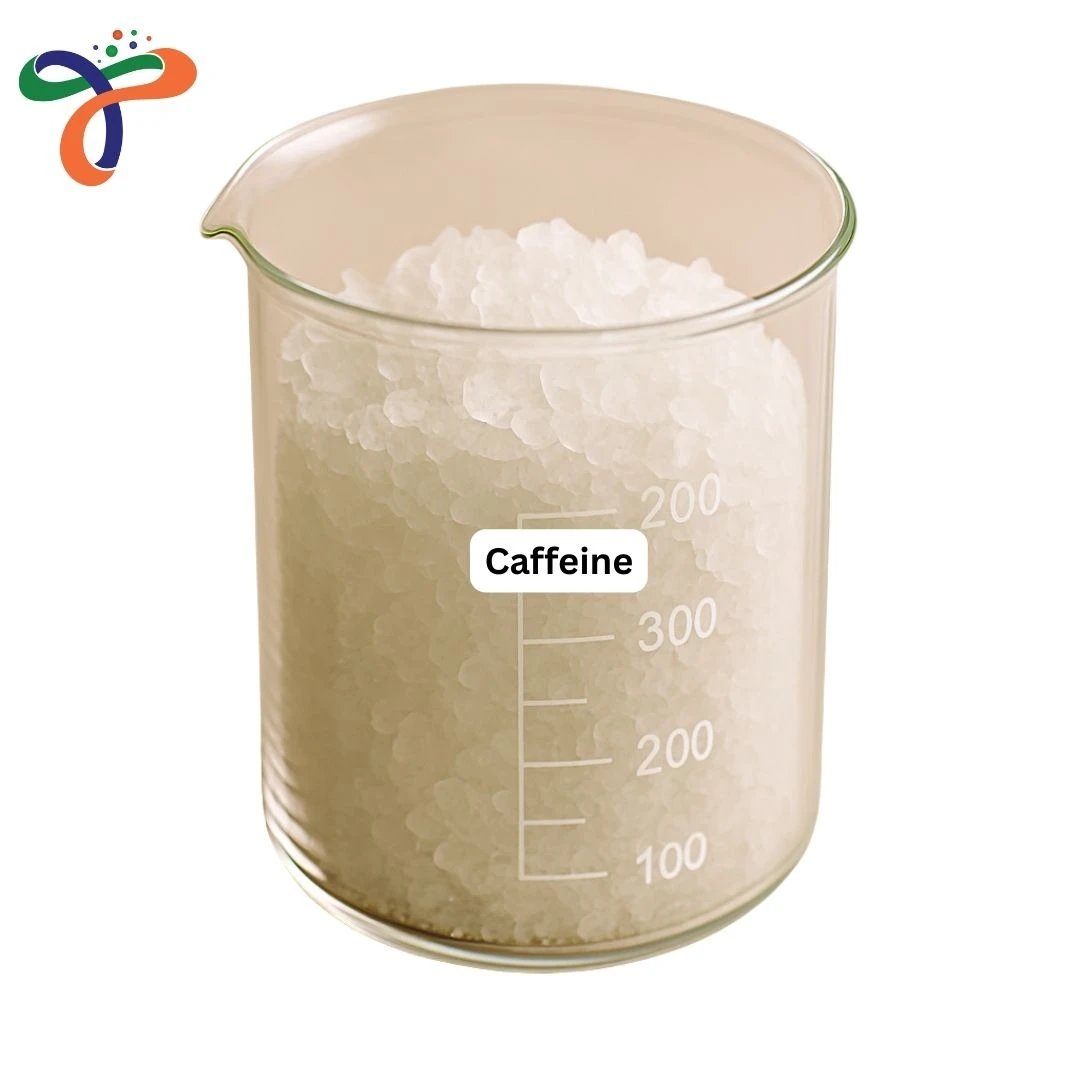
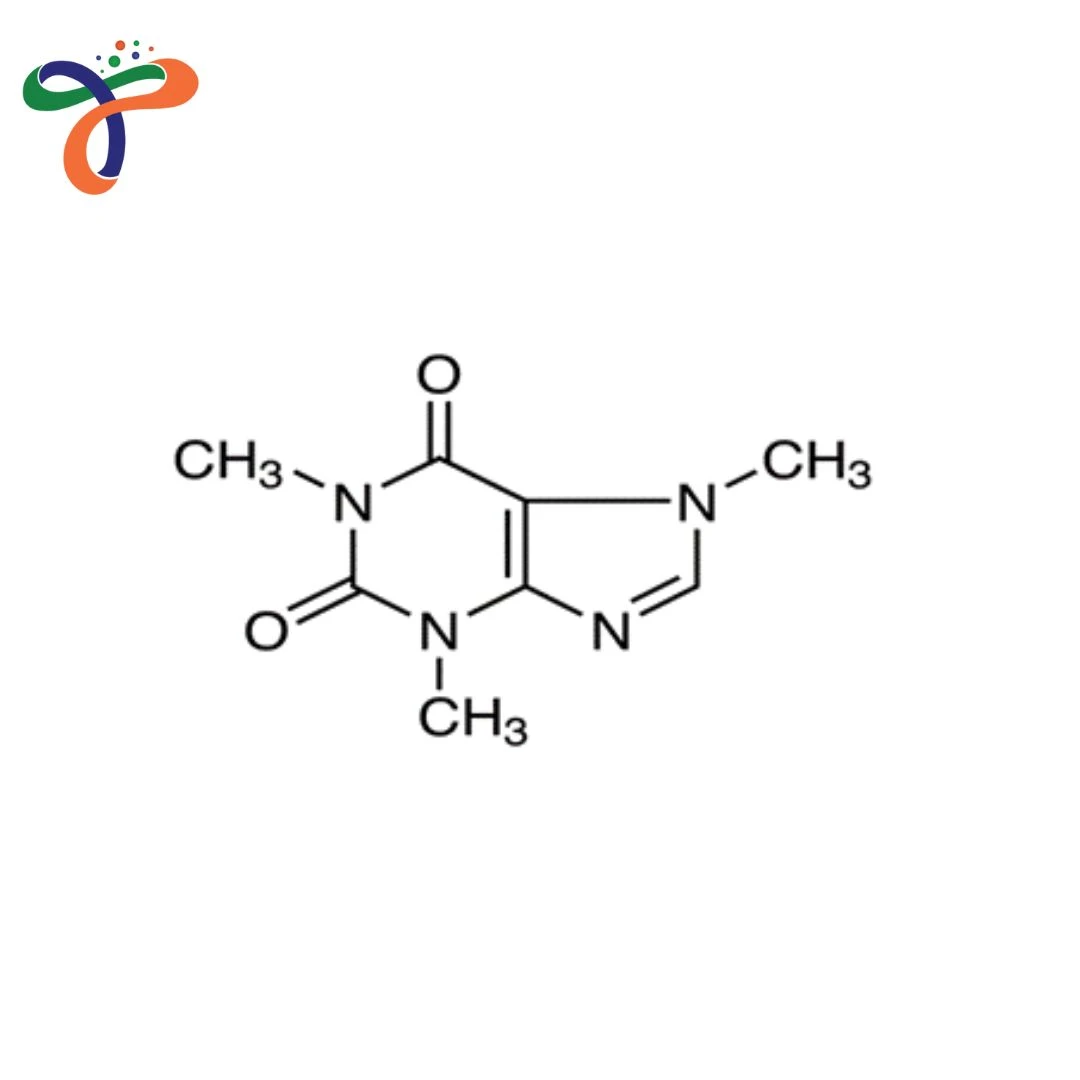
Caffeine | 58-08-2
Cas No :
58-08-2
Form :
Powder
Molecular Weight :
194.19 G/mol
Molecular Formula :
C8H10N4O2
Boiling Point :
178 °c
Melting Point :
238 °c
Flash Point :
178 °c
Solubility :
2 G/100 Ml At 25 °c
Description :
Overview of Caffeine
Caffeine is a pharmaceutical-grade methylxanthine substance that is widely employed in medical, pharmaceutical, and clinical formulations to enhance its central nervous system stimulation properties. It is well-known due to its steady pharmacological action and ability to control doses, and well-documented therapeutic properties.
In the pharmaceutical industry, Caffeine is valued for its capacity to boost alertness, stimulate the respiratory system, and enhance specific therapeutic outcomes when utilised under controlled conditions. Pharma-grade Caffeine is manufactured to meet the strict purity and quality standards that are required for use in medicine.
As a pharmaceutical chemical, Caffeine plays an important role in stimulant therapies, combination drug products, and clinical research formulations.
Applications of Caffeine
Pharmaceutical & Clinical Use
Caffeine pharma grade uses include central nervous system stimulation, respiratory support, and adjunct therapy in specific medical treatments. It is commonly used in hospital and clinical settings where precise dosing and predictable response are required.
In stimulant-based formulations, Caffeine is often evaluated alongside Caffeine Citrate and Dicaffeine Malate, depending on the required solubility and onset of action.
Pharmaceutical Chemistry & Formulation Applications
In pharmaceutical chemistry, Caffeine is used in oral solid dosage forms, liquid formulations, and combination products. Its stable chemical nature supports reproducible formulation performance and consistent pharmacological effects.
It is also studied in comparison with related methylxanthines such as Theobromine for therapeutic and formulation development purposes.
Research & Specialty Pharmaceutical Processing
Caffeine is extensively utilized in research conducted by pharmaceutical companies to study the effects of stimulants, as well as metabolic activity and interaction between drugs under certain conditions. Its well-studied profile allows it to be used for lab and clinical use.
Safety & Handling Guidelines
-
Store in a cool, dry, and well-ventilated area
-
Keep containers tightly sealed and properly labelled
-
Avoid inhalation of dust during handling
-
Avoid direct contact with the eyes and prolonged skin exposure
-
Use gloves that are protective or goggles, and wear clothes that are pharmaceutical grade
-
Control the handling of pharmaceuticals under controlled conditions.
-
The disposal of waste should be in line with the guidelines of the regulatory authorities.
Where to Buy Caffeine?
Caffeine Manufacturer
Caffeine is manufactured for pharmaceutical applications where high purity, consistent potency, and regulatory compliance are essential for medical and clinical use.
Caffeine Supplier & Distributor
Caffeine is supplied in pharmaceutical-grade packaging for hospitals, formulation manufacturers, and research institutions. As a pharmaceutical chemicals supplier and distributor, Chemicalbull Pvt. Ltd. supports customers with reliable sourcing and standard documentation.
MSDS for Caffeine
The MSDS for Caffeine contains detailed information about the dangers, safe handling methods, the storage environment, the exposure control, first-aid measures, and emergency procedures for responding. Always check the MSDS prior to using any pharmaceuticals.
Frequently Asked Questions (FAQs)
-
What is the chemical formula of Caffeine?
The chemical formula of Caffeine is C₈H₁₀N₄O₂. -
What are the pharmaceutical uses of Caffeine?
Caffeine pharma grade uses include central nervous system stimulation, respiratory support, and use as an adjunct in specific therapeutic formulations. -
What are the side effects of Caffeine?
Caffeine side effects may include restlessness, increased heart rate, nervousness, gastrointestinal discomfort, and sleep disturbances, especially at higher doses.
ChemicalBull supplies Caffeine across India, serving customers in Andhra Pradesh, Arunachal Pradesh, Assam, Bihar, Chhattisgarh, Goa, Gujarat, Haryana, Himachal Pradesh, Jharkhand, Karnataka, Kerala, Madhya Pradesh, Maharashtra, Manipur, Meghalaya, Mizoram, Nagaland, Odisha, Punjab, Rajasthan, Sikkim, Tamil Nadu, Telangana, Tripura, Uttar Pradesh, Uttarakhand, and West Bengal, as well as the Union Territories of Andaman & Nicobar Islands, Chandigarh, Dadra & Nagar Haveli and Daman & Diu, Delhi, Jammu & Kashmir, Ladakh, Lakshadweep, and Puducherry. We serve pharmaceutical, chemical, research, academic, laboratory, manufacturing, and industrial customers with reliable nationwide delivery.