Description :
Overview of Tetrabutylammonium Cyanide
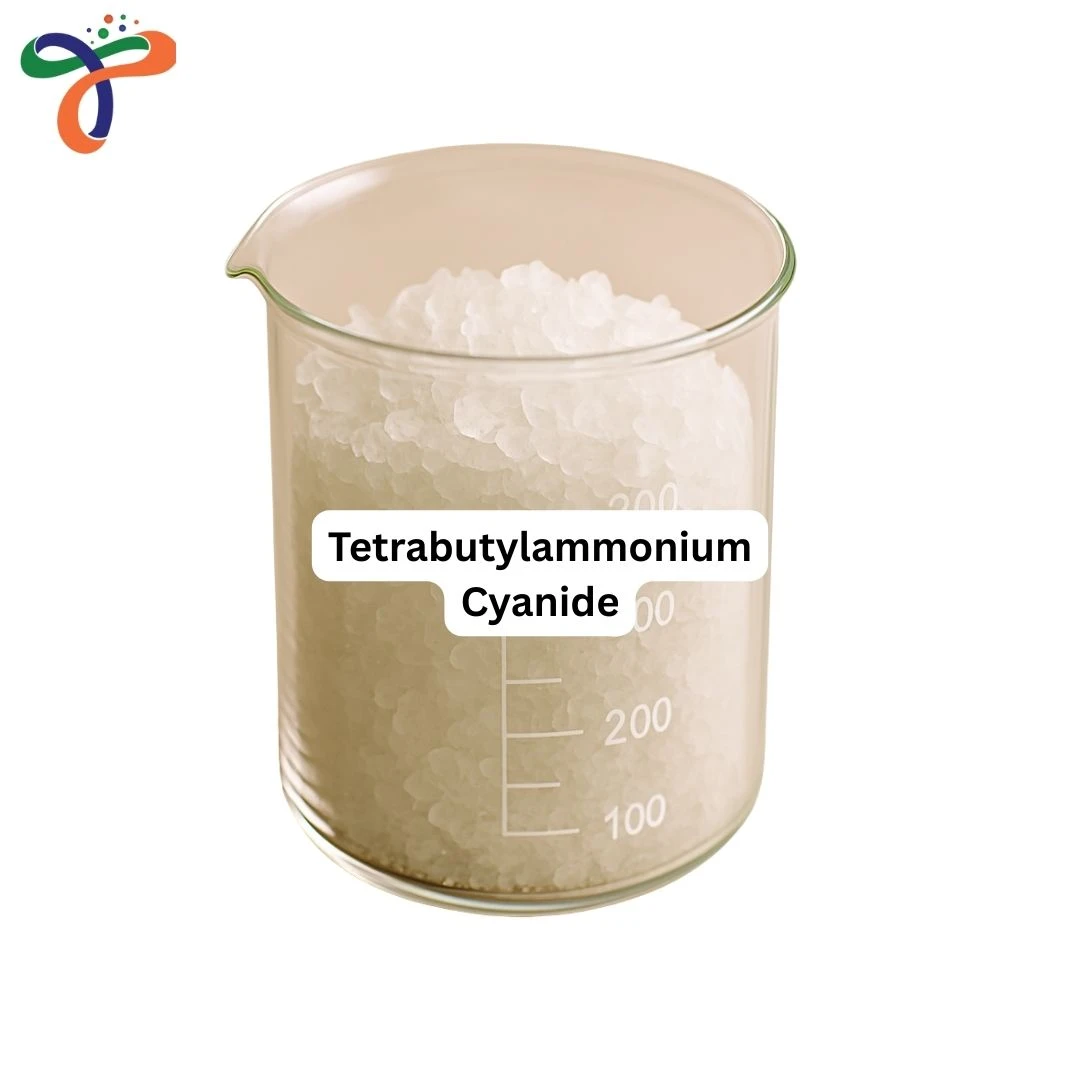
Tetrabutylammonium Cyanide (CAS: 111-67-5) is a quaternary ammonium cyanide salt widely used in organic synthesis, pharmaceutical intermediates, and specialty chemical manufacturing. It typically appears as a white to off-white crystalline solid and is valued for its ability to provide a reactive cyanide source in phase-transfer reactions and nucleophilic substitutions.
Due to its strong nucleophilic properties, Tetrabutylammonium Cyanide is frequently used in nitrile formation, carbon–carbon bond formation, and catalytic organic transformations. It is particularly useful in phase transfer catalysis systems, allowing reactions between organic and aqueous phases to proceed efficiently. This makes it a valuable reagent in fine chemical synthesis, research laboratories, and industrial chemical production.
In advanced organic synthesis, reagents such as Tetramethylammonium Bromide, Trimethylsulfonium Iodide, and Potassium Hexafluorophosphate are also commonly used in catalytic reactions, phase-transfer processes, and specialty intermediate synthesis.
Applications of Tetrabutylammonium Cyanide
Pharmaceutical & API Intermediate Synthesis
Tetrabutylammonium Cyanide plays an important role in pharmaceutical organic chemistry.
-
Used for introducing nitrile functional groups into organic molecules
-
Supports synthesis of drug intermediates and biologically active compounds
-
Important reagent in carbon–carbon bond forming reactions
Fine Chemical & Specialty Chemical Manufacturing
The compound is widely applied in high-value chemical production.
-
Used in manufacturing nitrile intermediates and specialty reagents
-
Suitable for organic transformations and catalytic reactions
-
Supports development of advanced aromatic and aliphatic compounds
Phase Transfer Catalysis
Tetrabutylammonium salts are widely used in phase transfer chemistry.
-
Facilitates reactions between aqueous and organic phases
-
Enhances reaction efficiency and selectivity
-
Commonly used in industrial organic synthesis
Agrochemical Intermediate Production
Cyanide reagents play a role in agrochemical synthesis.
-
Used in production of herbicide and pesticide intermediates
-
Supports synthesis of nitrile-containing agro actives
-
Important for crop protection chemical development
Laboratory & Research Applications
Extensively used in academic and industrial research laboratories.
-
Applied in nucleophilic substitution reactions
-
Useful for method development and organic synthesis studies
-
Supports research in synthetic chemistry and catalysis
Safety & Handling Guidelines
-
Highly toxic due to cyanide content
-
Avoid ingestion, inhalation, and skin contact
-
Use gloves, goggles, and chemical protective clothing
-
Handle only in well-ventilated areas or chemical fume hoods
-
Store in tightly sealed containers away from acids and oxidizing agents
-
Follow COA and MSDS instructions carefully
Where to Buy Tetrabutylammonium Cyanide?
Tetrabutylammonium Cyanide Manufacturer
ChemicalBull supplies high-purity Tetrabutylammonium Cyanide suitable for organic synthesis, pharmaceutical intermediates, and specialty chemical production.
Tetrabutylammonium Cyanide Supplier & Distributor
-
Available in laboratory and industrial packaging
-
Ideal for phase transfer catalysis and nitrile synthesis
-
COA, MSDS, and technical specifications provided
Tetrabutylammonium Cyanide MSDS
-
Toxic if inhaled, swallowed, or absorbed through skin
-
May release hydrogen cyanide gas when exposed to acids
-
Causes irritation to eyes, skin, and respiratory system
-
Handle under strict laboratory safety procedures
-
Refer to full MSDS for emergency procedures and spill management
Frequently Asked Questions (FAQs)
-
What is the molecular formula of Tetrabutylammonium Cyanide?
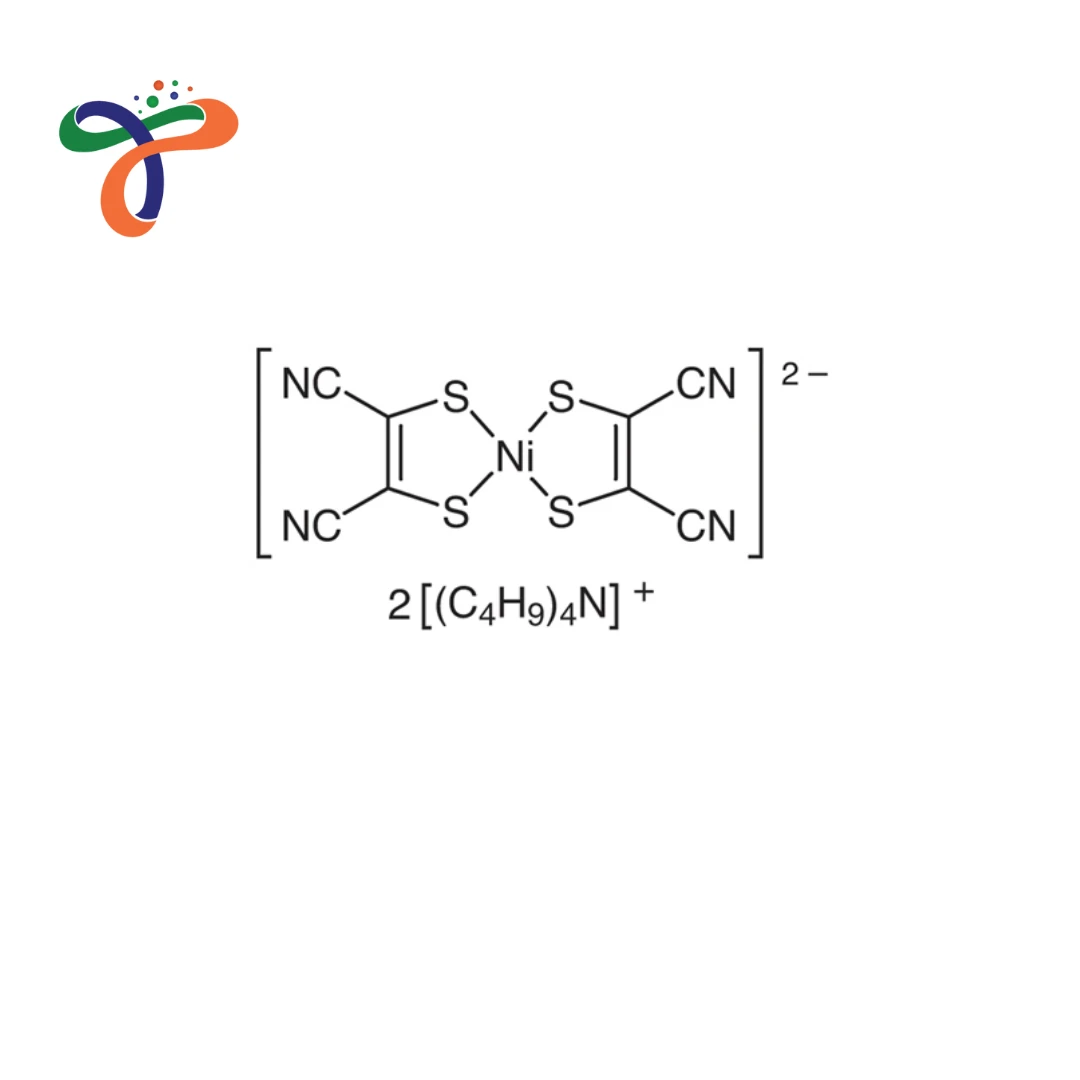
Molecular Formula: C₁₇H₃₆CN
Molecular Weight: 281.48 g/mol
-
What is Tetrabutylammonium Cyanide used for?
It is mainly used in organic synthesis, nitrile formation, pharmaceutical intermediates, and phase transfer catalysis reactions.
-
Why is Tetrabutylammonium Cyanide used in phase transfer reactions?
The tetrabutylammonium ion allows the cyanide ion to transfer between aqueous and organic phases, improving reaction efficiency and yield.
-
Is Tetrabutylammonium Cyanide hazardous?
Yes. It is toxic and cyanide-containing, requiring strict handling precautions and appropriate PPE.
-
Which industries use Tetrabutylammonium Cyanide?
It is used in pharmaceuticals, agrochemicals, fine chemicals, specialty chemicals, and research laboratories.
ChemicalBull supplies Tetrabutylammonium Cyanide across India, serving customers in Andhra Pradesh, Arunachal Pradesh, Assam, Bihar, Chhattisgarh, Goa, Gujarat, Haryana, Himachal Pradesh, Jharkhand, Karnataka, Kerala, Madhya Pradesh, Maharashtra, Manipur, Meghalaya, Mizoram, Nagaland, Odisha, Punjab, Rajasthan, Sikkim, Tamil Nadu, Telangana, Tripura, Uttar Pradesh, Uttarakhand, and West Bengal, as well as the Union Territories of Andaman & Nicobar Islands, Chandigarh, Dadra & Nagar Haveli and Daman & Diu, Delhi, Jammu & Kashmir, Ladakh, Lakshadweep, and Puducherry. We serve pharmaceutical, chemical, research, academic, laboratory, manufacturing, and industrial customers with reliable nationwide delivery.