Isopropyl 2-bromoisobutyrate | 51368-55-9
Cas No :
51368-55-9
Form :
Liquid
Molecular Weight :
208.97 G/mol
Molecular Formula :
C7H13BRO2
Boiling Point :
126 °c
Melting Point :
-40 °c
Flash Point :
-5 °c
Solubility :
Slightly Soluble In Water; Soluble In Organic Solvents
Description :
Overview of Isopropyl 2-Bromoisobutyrate
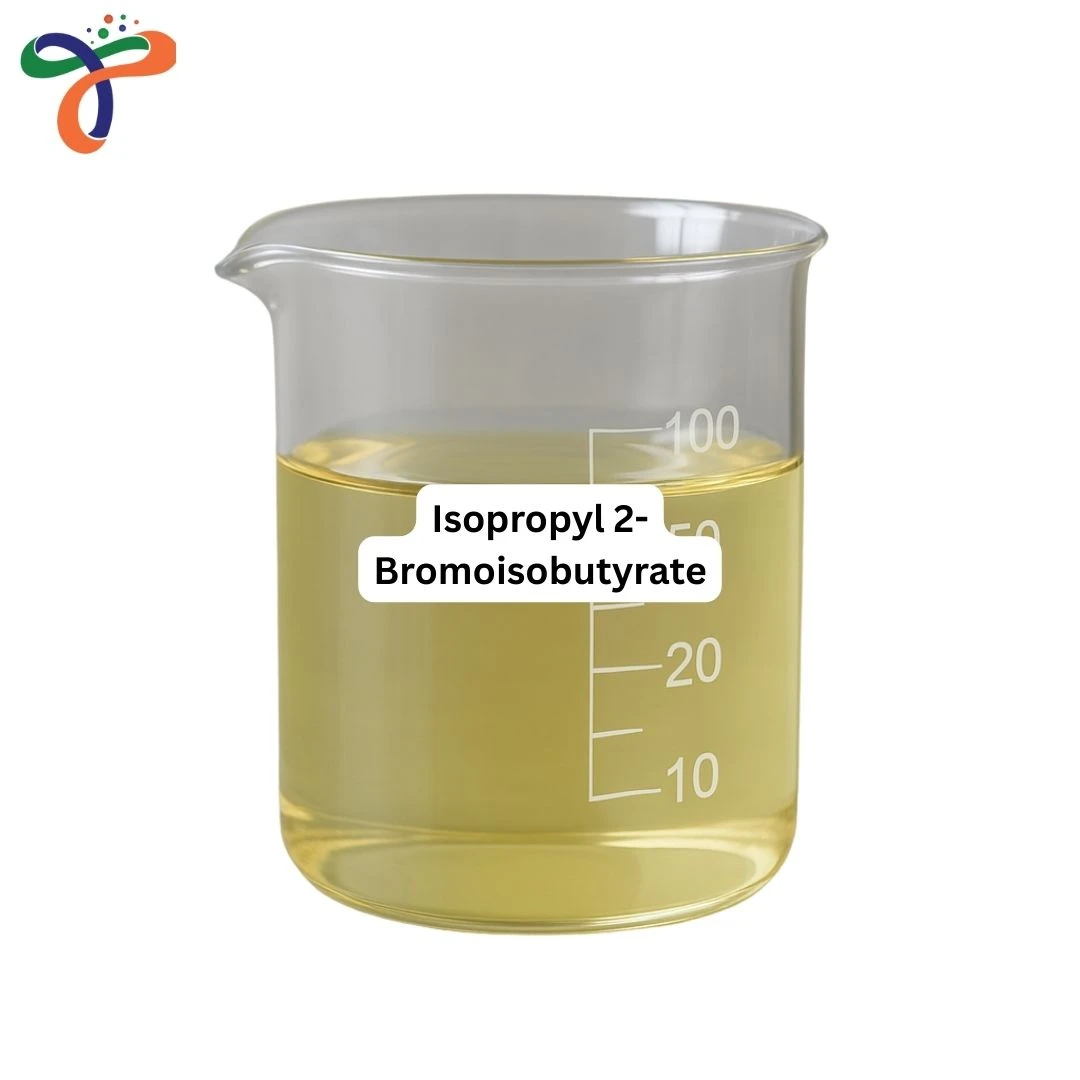
Isopropyl 2-Bromoisobutyrate is an industrial organobromine ester that is widely utilized as an initiator as well as an intermediate in polymer chemistry and special organic synthesis. It is a transparent or pale yellow-colored liquid, containing two functional groups: an ester as well as a tertiary carbon brominated, making it extremely sensitive in systems of controlled radical polymerization.
As an industrial chemical, Isopropyl 2-Bromoisobutyrate is particularly valued in Atom Transfer Radical Polymerization (ATRP) and advanced polymer manufacturing processes. It is supplied in regulated industrial-grade packaging for chemical production and R&D applications.
Applications of Isopropyl 2-Bromoisobutyrate
ATRP & Controlled Radical Polymerization
Isopropyl 2-Bromoisobutyrate is widely used as an initiator in ATRP (Atom Transfer Radical Polymerization). It enables controlled polymer growth and molecular weight distribution in specialty polymer systems.
It may be processed alongside Acrylic Acid, Styrene, and Copper Bromide in structured industrial polymerization systems.
Specialty Polymer Manufacturing
The compound plays a critical role in synthesizing functional polymers used in coatings, adhesives, biomedical materials, and advanced composites.
It supports high-performance industrial polymer development.
Chemical Intermediate in Organic Synthesis
Isopropyl 2-Bromoisobutyrate is used as a building block in fine chemical and pharmaceutical intermediate production due to its reactive brominated ester structure.
It contributes to regulated industrial organic synthesis processes.
Surface Modification & Functional Materials
In materials science, the compound is applied for grafting polymer chains onto surfaces, enabling advanced coating and nanomaterial development.
Safety & Handling Guidelines
- Keep it in a cool, dry, well-ventilated location
- Seal containers tightly and keep them shielded from moisture
- Beware of inhaling the vapors
- Avoid contact with eyes and skin
- Use chemical-resistant gloves and safety goggles
- Handle under controlled industrial conditions
- Dispose of waste according to hazardous material regulations
Always consult the MSDS before industrial handling.
Where to Buy Isopropyl 2-Bromoisobutyrate?
Isopropyl 2-Bromoisobutyrate Manufacturer
Isopropyl 2-Bromoisobutyrate is manufactured under controlled industrial standards to ensure consistent purity and reactivity for polymer and chemical industries.
Isopropyl 2-Bromoisobutyrate Supplier & Distributor
Isopropyl 2-Bromoisobutyrate is available in bulk industrial packaging formats. Buy Isopropyl 2-Bromoisobutyrate from Chemicalbull Pvt. Ltd., a trusted industrial chemicals supplier and distributor in India, ensuring reliable sourcing and compliant logistics support.
MSDS for Isopropyl 2-Bromoisobutyrate
The MSDS for Isopropyl2-Bromoisobutyrate offers complete information on hazards and safe handling practices as well as the storage environment, exposure control, and emergency response procedures. It is required to be read prior to use in industry.
Frequently Asked Questions (FAQs)
-
What is Isopropyl 2-Bromoisobutyrate used for?
It is primarily used as an initiator in ATRP polymerization and as an intermediate in specialty organic synthesis. -
What is the formula of Isopropyl 2-Bromoisobutyrate?
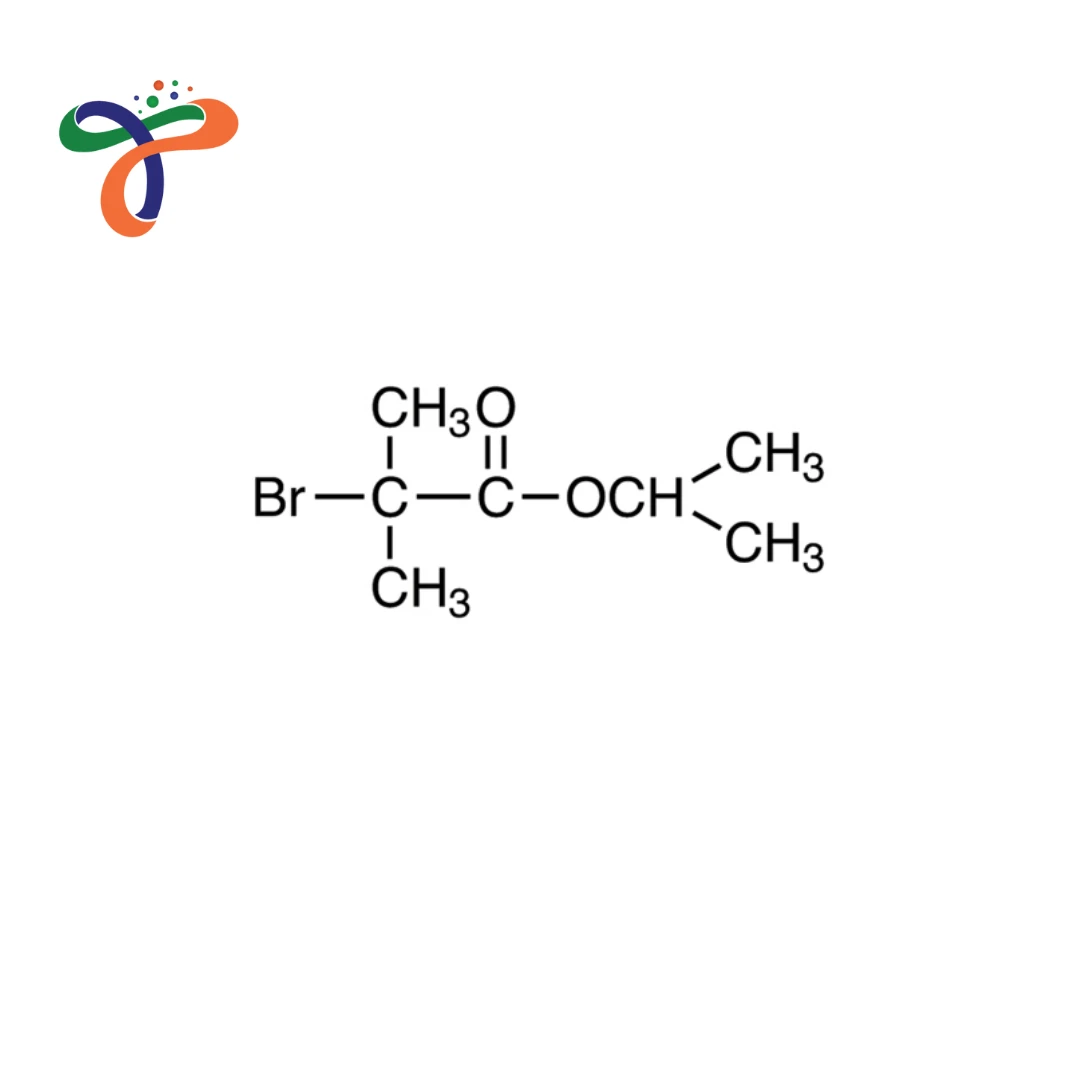
The chemical formula is C₇H₁₃BrO₂. -
What is the structure of Isopropyl 2-Bromoisobutyrate?
It contains a brominated tertiary carbon attached to an ester functional group, with an isopropyl ester moiety. -
How is Isopropyl 2-Bromoisobutyrate synthesized?
The most common industrial synthesis involves the isomerization of 2-bromoisobutyric acid with isopropanol using controlled reaction conditions. -
Is Isopropyl 2-Bromoisobutyrate hazardous?
It should be handled under industrial safety guidelines, as it may cause irritation upon contact or inhalation. Always follow MSDS recommendations.
ChemicalBull supplies Isopropyl 2-bromoisobutyrate across India, serving customers in Andhra Pradesh, Arunachal Pradesh, Assam, Bihar, Chhattisgarh, Goa, Gujarat, Haryana, Himachal Pradesh, Jharkhand, Karnataka, Kerala, Madhya Pradesh, Maharashtra, Manipur, Meghalaya, Mizoram, Nagaland, Odisha, Punjab, Rajasthan, Sikkim, Tamil Nadu, Telangana, Tripura, Uttar Pradesh, Uttarakhand, and West Bengal, as well as the Union Territories of Andaman & Nicobar Islands, Chandigarh, Dadra & Nagar Haveli and Daman & Diu, Delhi, Jammu & Kashmir, Ladakh, Lakshadweep, and Puducherry. We serve pharmaceutical, chemical, research, academic, laboratory, manufacturing, and industrial customers with reliable nationwide delivery.