Glycine | 56-40-6
Cas No :
56-40-6
Synonyms :
Form :
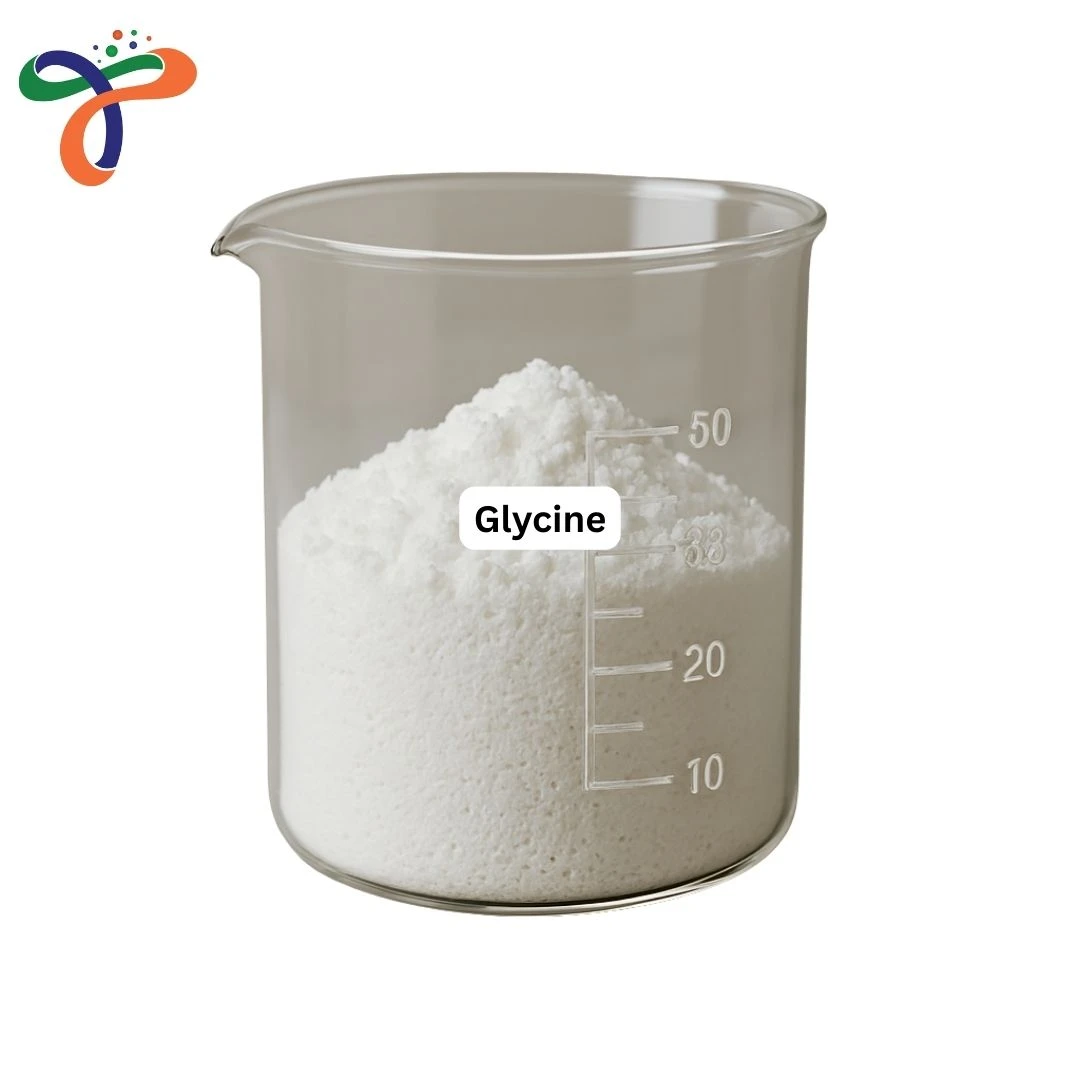
Powder
Molecular Weight :
75,07 G/mol
Molecular Formula :
C2H5NO2
Boiling Point :
236 °c
Melting Point :
233 °c
Flash Point :
250 °c
Solubility :
Highly Soluble In Water; Soluble In Ethanol; Insoluble In Ether
Description :
Overview of Glycine
Glycine is a natural amino acid that is not essential and extensively used in the field of nutraceuticals, pharmaceuticals, or special chemical ingredients. It is the simplest amino acid in structure. It plays a significant role in the synthesis of proteins as well as metabolic pathways and neurological functions.
In the manufacture of pharmaceuticals and nutraceuticals, Glycine is valued for its purity, high quality, buffering capability, solubility and compatibility with a vast assortment of formulations. Glycine is manufactured under controlled conditions in order to comply with pharmacopeial and food grade standards for purity, identity and security.
As a pharma chemical, Glycine is handled within regulated pharmaceutical, nutraceutical, and speciality manufacturing environments.
Applications of Glycine
Pharmaceutical & Healthcare Applications
Glycine is used in pharmaceutical formulations as an active ingredient, buffering agent, and stabiliser. It plays a role in injectable preparations, amino acid infusions, and formulations requiring pH control and isotonicity adjustment.
In pharmaceutical ingredient portfolios, Glycine is often referenced alongside Gamma-Aminobutyric Acid (GABA), Glutamic Acid, and L-Alanine for amino acid-based formulation development.
Nutraceutical & Functional Formulation Use
Glycine is extensively used in nutraceutical products to improve the balance of metabolism, neurohealth and the function of muscles. It is included in capsules, tablets, powders, and functional blends because of its pleasant taste and high compatibility.
Its favourable safety profile and multifunctional benefits make it suitable for long-term supplementation formulations.
Industrial & Speciality Chemical Use
Other than pharmaceuticals, glycine has been used for industrial processes like electroplating, finishing of metals, and chemical synthesis. It acts as a compounding agent as well as an intermediate in a variety of special chemical processes.
In industrial chemistry, it may be compared with Citric Acid and Ethylenediaminetetraacetic Acid (EDTA) for chelation and buffering properties.
Safety & Handling Guidelines
- Keep it in a cool, dry, well-ventilated environment
- Be sure to protect yourself from contamination and moisture
- Make sure containers are tightly sealed and clearly labelled
- Avoid inhaling fine powder
- Use appropriate personal protective equipment
- Handle under controlled pharmaceutical or industrial conditions
- Dispose of waste according to regulatory guidelines
Where to Buy Glycine?
Glycine Manufacturer
Glycine is produced for pharmaceutical, nutraceutical, and industrial use under quality control methods to guarantee the purity, consistency and compliance with regulatory requirements.
Glycine Supplier & Distributor
Pharma-grade and nutraceutical-grade Glycine is supplied in compliant packaging suitable for licensed manufacturers. As a reliable pharmaceutical and speciality chemical supplier, Chemicalbull Pvt. Ltd. supports consistent sourcing with proper documentation and quality assurance.
MSDS for Glycine
The MSDS for Glycine provides detailed information on safe handling practices, storage requirements, exposure controls, and emergency response measures. It should be reviewed prior to pharmaceutical, nutraceutical, or industrial handling.
Frequently Asked Questions (FAQs)
-
What is Glycine?
Glycine is a non-essential amino acid used as a pharmaceutical, nutraceutical, and speciality chemical ingredient due to its role in protein synthesis and metabolic functions. -
What is Glycine used for?
Glycine is used in pharmaceutical formulations as an active ingredient and buffering agent, in nutraceutical products for metabolic and neurological support, and in industrial applications as a chemical intermediate. -
What are the benefits of Glycine?
Glycine benefits include support for protein synthesis, metabolic balance, neurological function, and formulation stability when used as a pharmaceutical or nutraceutical ingredient. -
What is the chemical formula of Glycine?
The chemical formula of Glycine is C₂H₅NO₂. -
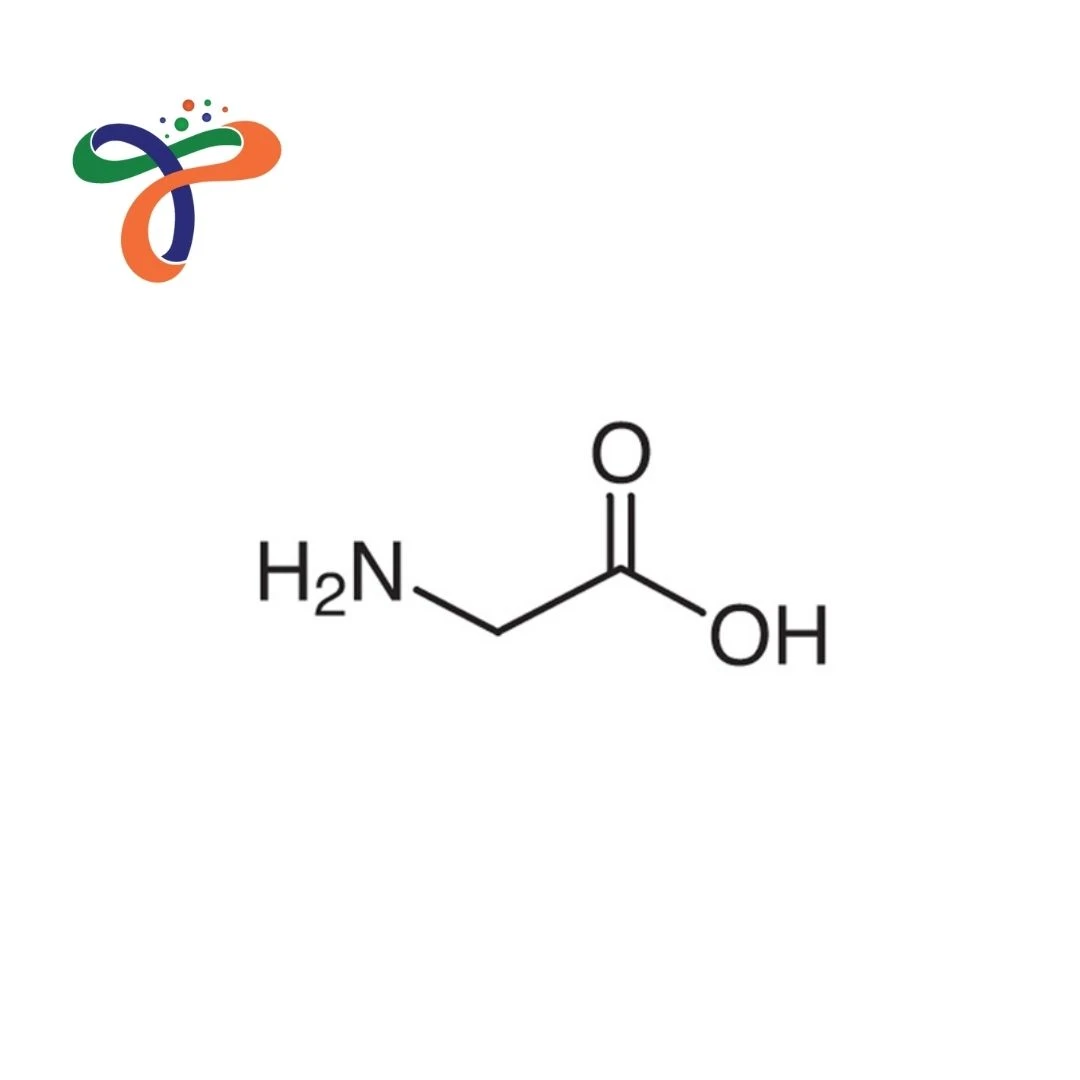
What is the structure of Glycine?
Glycine has the simplest amino acid structure, consisting of an amino group, a carboxylic acid group, and a hydrogen atom as its side chain, which contributes to its high flexibility and solubility.
ChemicalBull supplies Glycine across India, serving customers in Andhra Pradesh, Arunachal Pradesh, Assam, Bihar, Chhattisgarh, Goa, Gujarat, Haryana, Himachal Pradesh, Jharkhand, Karnataka, Kerala, Madhya Pradesh, Maharashtra, Manipur, Meghalaya, Mizoram, Nagaland, Odisha, Punjab, Rajasthan, Sikkim, Tamil Nadu, Telangana, Tripura, Uttar Pradesh, Uttarakhand, and West Bengal, as well as the Union Territories of Andaman & Nicobar Islands, Chandigarh, Dadra & Nagar Haveli and Daman & Diu, Delhi, Jammu & Kashmir, Ladakh, Lakshadweep, and Puducherry. We serve pharmaceutical, chemical, research, academic, laboratory, manufacturing, and industrial customers with reliable nationwide delivery.