Glimepiride | 93479-97-1
Cas No :
93479-97-1
Form :
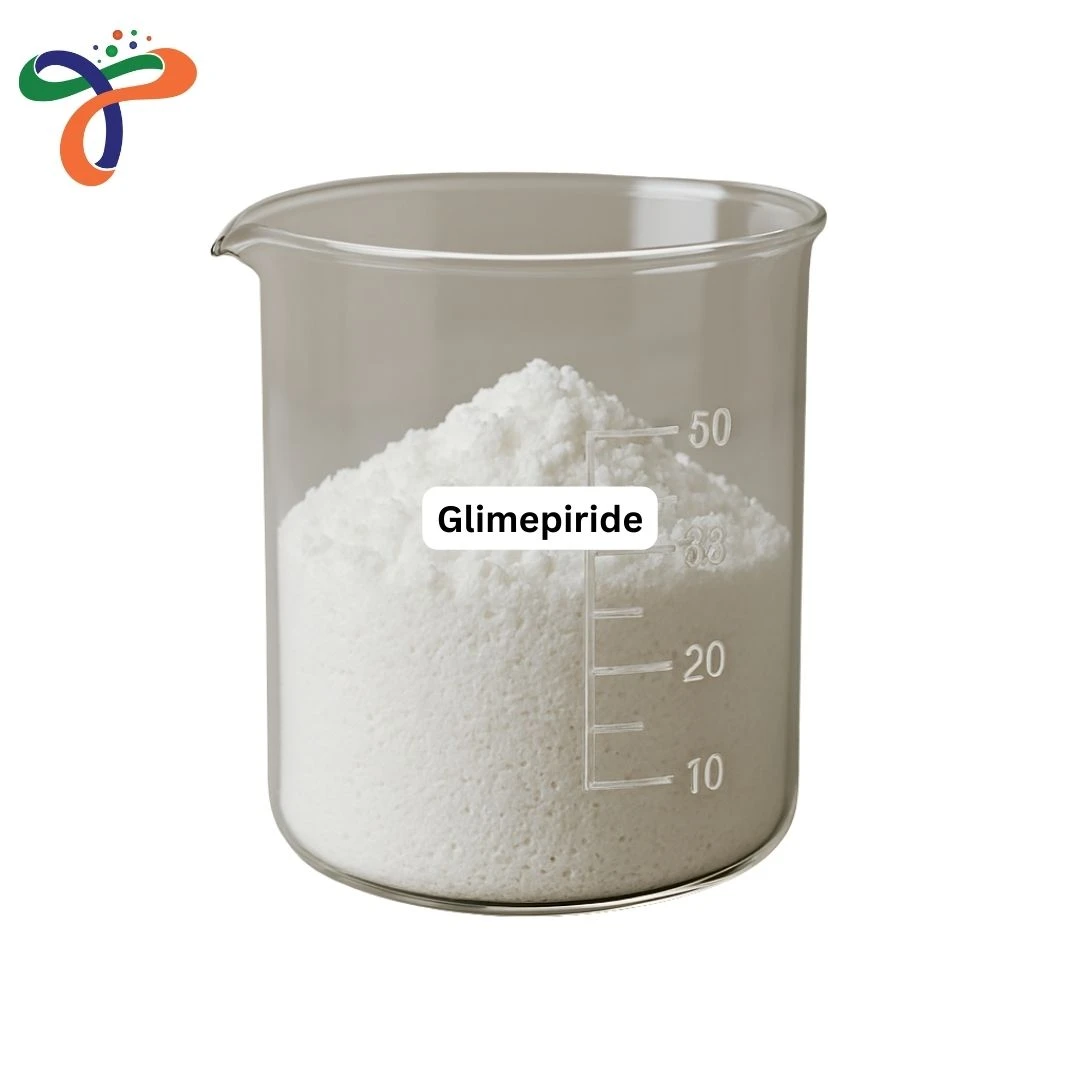
Powder
Molecular Weight :
490.56 G/mol
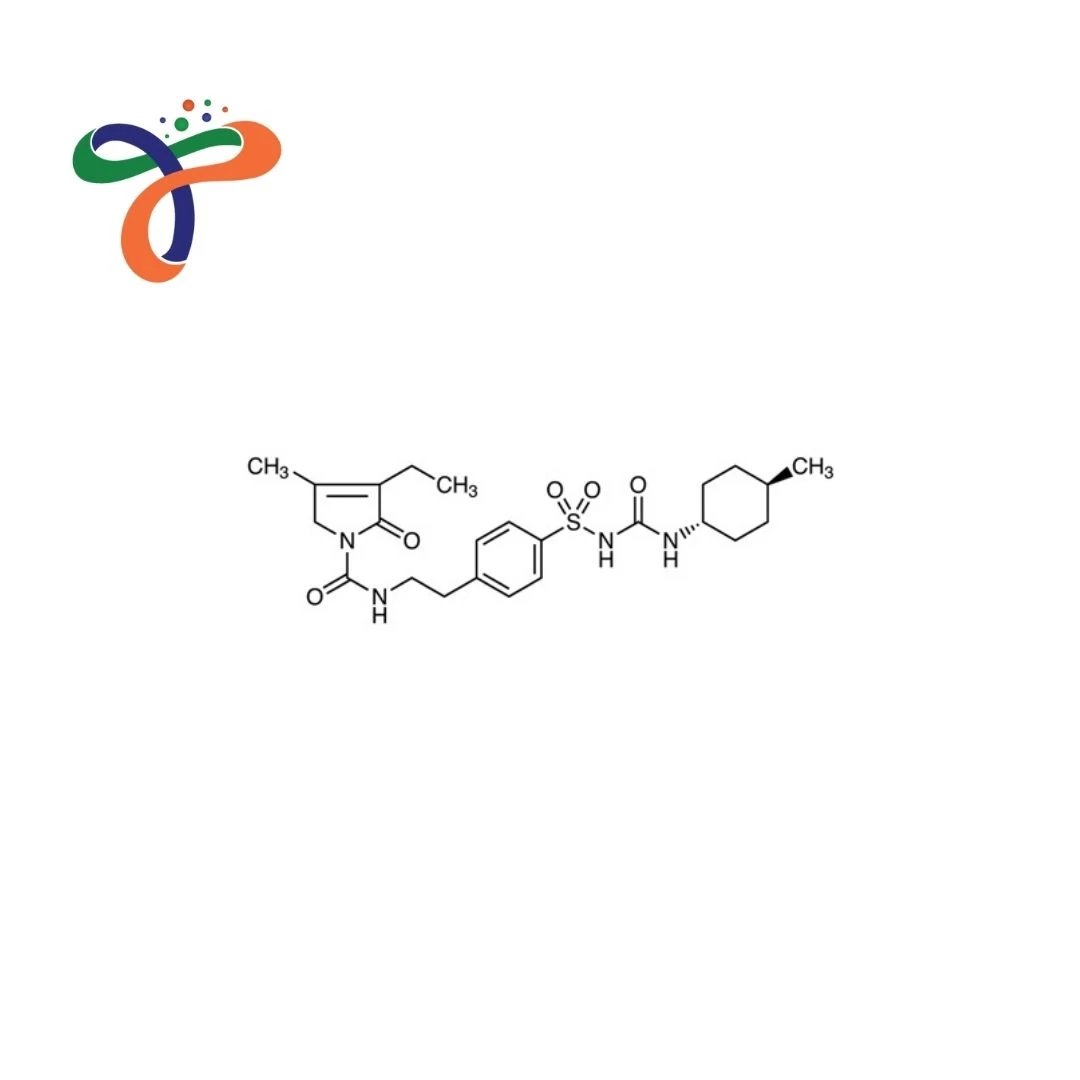
Molecular Formula :
C24H34N4O5S
Boiling Point :
500 °c
Melting Point :
170 °c
Flash Point :
250 °c
Solubility :
Sparingly Soluble In Water; Soluble In Acetone And Methanol
Description :
Overview of Glimepiride
Glibenclamide is a synthetic, pharmaceutical-grade chemical available as the active pharmaceutical ingredient (API) and classified as a sulfonylurea antidiabetic agent. It is widely used in the manufacture of hypoglycaemic oral drug products for controlling glycaemic levels.
In pharmaceutical manufacturing, Glimepiride is valued for its high potency, consistent chemical profile, and suitability for low-dose oral solid dosage forms. It is produced under strict GMP-compliant conditions to meet pharmacopeial standards for purity, potency, and identity.
As a pharma chemical, Glimepiride is handled exclusively within licensed pharmaceutical manufacturing, formulation, and research environments.
Applications of Glimepiride
Pharmaceutical API Use
Glimepiride is used as an active pharmaceutical ingredient in the manufacture of oral antidiabetic formulations, primarily tablets. Due to its high potency, it is formulated at low dose strengths while maintaining effective glycaemic control.
In antidiabetic API portfolios, Glimepiride is commonly positioned alongside Metformin Hydrochloride, Gliclazide, and Glibenclamide for diabetes-focused product development.
Finished Dosage Form Manufacturing
Glimepiride is extensively used in solid oral dosage form manufacturing where precise dose uniformity and content consistency are critical. It is also formulated in fixed-dose combination products with other antidiabetic agents.
Manufacturing is carried out under controlled GMP conditions due to its pharmacological activity and regulatory classification.
Pharmaceutical Research & Reference Use
Glimepiride is utilised as a reference compound in pharmaceutical research, quality control testing, and analytical method development. It is employed in dissolution profiling, stability studies, and comparative sulfonylurea evaluation.
In research environments, it may be referenced alongside Tolbutamide and Chlorpropamide for sulfonylurea class comparison.
Safety & Handling Guidelines
- Keep it in a cool, humid, dry, and well-controlled space
- Guard against moisture and light
- Make sure containers are tightly sealed and clearly labelled
- Avoid contact with the air or direct contact with API powder
- Use appropriate personal protective equipment
- Handle only in regulated pharmaceutical manufacturing areas
- Dispose of waste according to pharmaceutical regulatory guidelines
Where to Buy Glimepiride?
Glimepiride Manufacturer
Glibenclamide is produced for pharmaceutical use under rigorous GMP conditions to ensure consistency, high quality, purity, and regulatory compliance.
Glimepiride Supplier & Distributor
Pharmaceutical-grade Glimepiride API is supplied in compliant packaging suitable for licensed pharmaceutical manufacturers and formulation units. As a pharmaceutical chemicals supplier and distributor, Chemicalbull Pvt. Ltd. supports reliable sourcing with COA, MSDS, and regulatory documentation.
MSDS for Glimepiride
The MSDS for Glimepiride provides detailed information on chemical hazards, safe handling practices, storage requirements, exposure controls, and emergency response procedures. It should be reviewed prior to manufacturing or laboratory handling.
Frequently Asked Questions (FAQs)
-
What is Glimepiride?
Glimepiride is a third-generation sulfonylurea compound supplied as an active pharmaceutical ingredient and used in the manufacture of oral antidiabetic drug formulations. -
What is Glimepiride used for?
Glimepiride is used as an API in pharmaceutical manufacturing for formulations intended to support blood glucose control in diabetes-related therapies. -
Which one is better, Metformin or Glimepiride?
Metformin and Glimepiride differ in chemical class and formulation role. Metformin is a biguanide compound, while Glimepiride is a sulfonylurea derivative. The choice between them depends on formulation strategy and therapeutic positioning, as they act through different biochemical mechanisms.
ChemicalBull supplies Glimepiride across India, serving customers in Andhra Pradesh, Arunachal Pradesh, Assam, Bihar, Chhattisgarh, Goa, Gujarat, Haryana, Himachal Pradesh, Jharkhand, Karnataka, Kerala, Madhya Pradesh, Maharashtra, Manipur, Meghalaya, Mizoram, Nagaland, Odisha, Punjab, Rajasthan, Sikkim, Tamil Nadu, Telangana, Tripura, Uttar Pradesh, Uttarakhand, and West Bengal, as well as the Union Territories of Andaman & Nicobar Islands, Chandigarh, Dadra & Nagar Haveli and Daman & Diu, Delhi, Jammu & Kashmir, Ladakh, Lakshadweep, and Puducherry. We serve pharmaceutical, chemical, research, academic, laboratory, manufacturing, and industrial customers with reliable nationwide delivery.