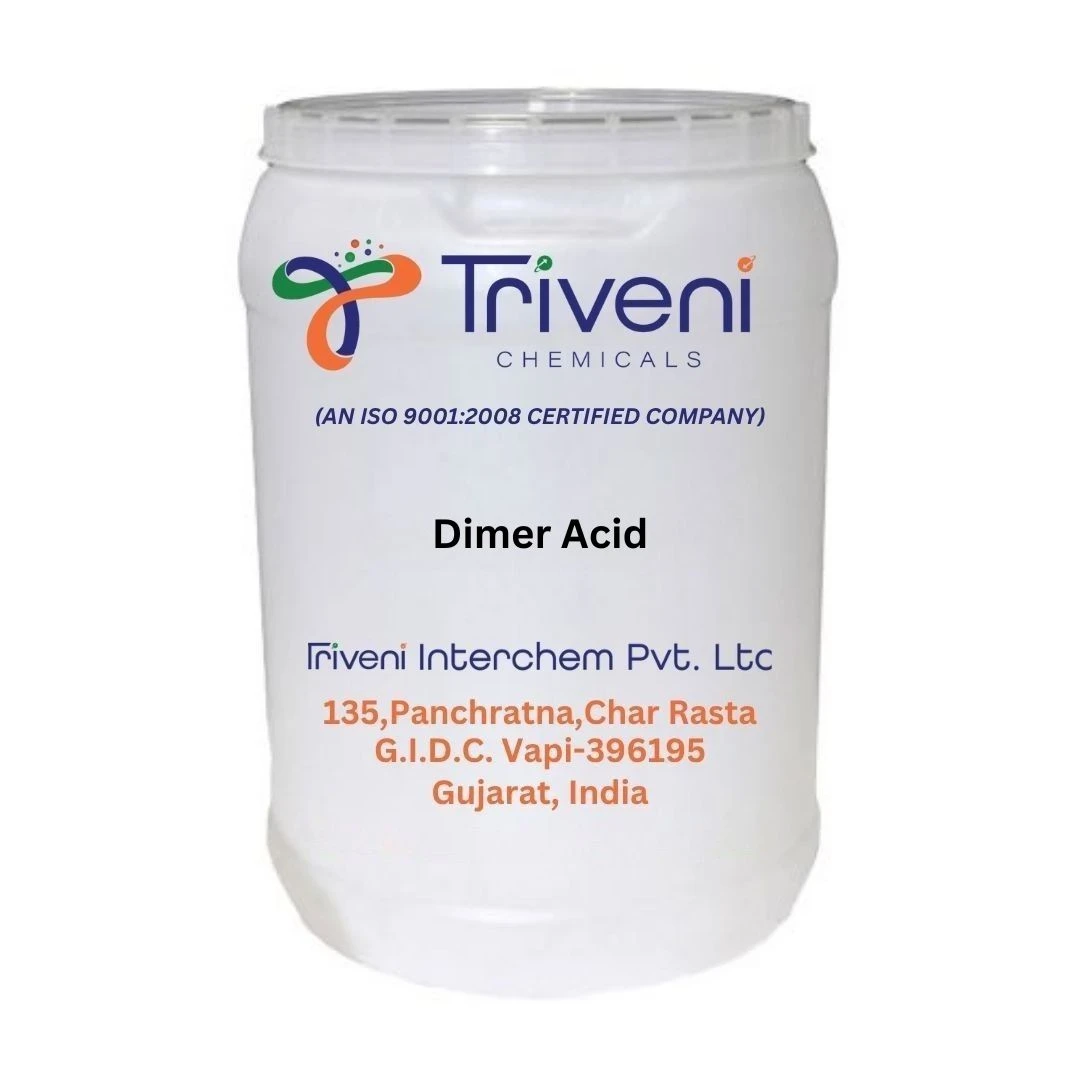
Dimer Acid | 61788-89-4
Cas No :
61788-89-4
Form :
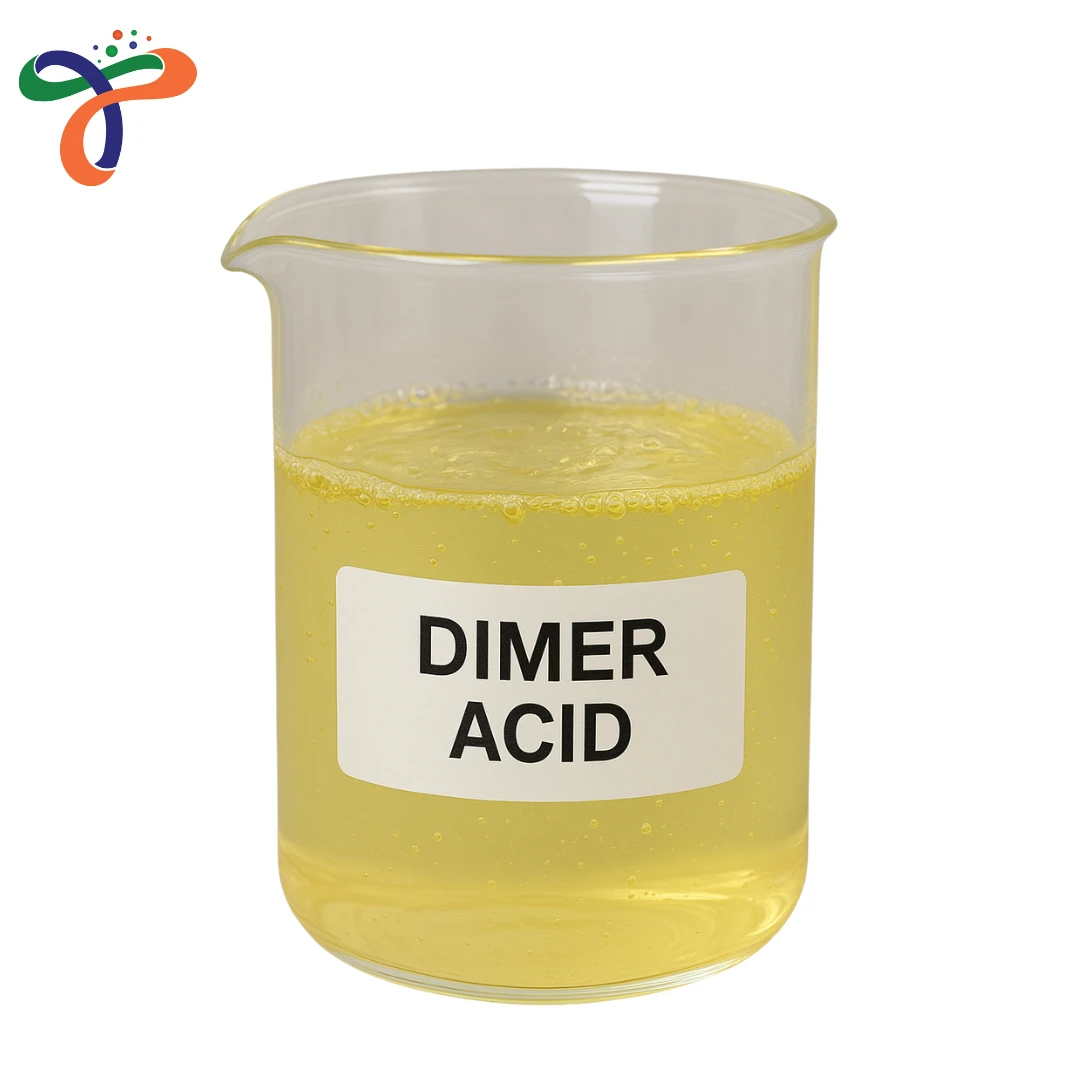
Liquid
Molecular Weight :
564.9 G/mol
Molecular Formula :
C36H68O4
Boiling Point :
360 °c
Flash Point :
215 °c
Solubility :
Insoluble In Water; Soluble In Toluene, Xylene And Chlorinated Solvents
Description :
Dimer Acid Suppliers & Manufacturers in India
Chemical Bull is one of the leading Dimer Acid manufacturers and suppliers in India, offering CAS 61788-89-4 in bulk with reliable quality, competitive pricing, and timely delivery.
Dimer acid is bio-based dicarboxylic acid that is made of fat acids. It is used extensively in the production of polymers, resins and plastics, particularly for adhesives, polyamide resins coatings, as well as Flexible polymer system. The most common formula is C36 dicarboxylic acid that is created through the joining of fatty acids.
For those without a technical background, dimer acid is a special chemical that helps make plastics and resins more flexible, tough, and resistant to chemicals. Its structure gives polymers more elasticity and durability than regular acids.
Dimer acid is important in the plastic and rubber industry because it performs well in many uses and helps create flexible, long-lasting materials. Many polymer products use dimer acid for these reasons.
Applications of Dimer Acid
Polyamide Resin Manufacturing
This is the primary global application for Dimer Acid. It is reacted with diamines to produce two distinct types of resins:
-
Non-Reactive Polyamides: Used extensively in Hot-Melt Adhesives (HMA) and flexographic printing inks. Dimer Acid provides the low-temperature flexibility and strong adhesion required for packaging films and footwear.
-
Reactive Polyamides: These serve as curing agents for Epoxy resins. Unlike standard amines, Dimer Acid-based hardeners reduce brittleness, improve impact resistance, and enhance the "internal lubrication" of the cured epoxy.
PVC & Vinyl-Based Applications
In plastics, dimer acid helps process systems with polyvinyl chloride and makes specialty plastic blends more flexible and stable.
Adhesives & Laminated Products
Dimer acid is often used in adhesives with polyvinyl butyral to make laminated products stronger, more elastic, and longer-lasting.
High-Performance Surface Coatings
Dimer Acid is a "secret weapon" for formulators looking to improve the durability of industrial coatings:
-
Corrosion Resistance: Its hydrophobic (water-hating) nature creates a superior moisture barrier, making it ideal for marine and heavy-duty industrial primers.
-
Substrate Wetting: It allows coatings to adhere better to "difficult" surfaces like oily steel or low-polarity plastics (PP/PE).
-
Coil & Can Coatings: Used in polyester resins to provide the flexibility needed for metal sheets that are coated first and bent into shape later.
Safety & Handling Guidelines
-
Store in a cool, dry, and well-ventilated area
-
Keep containers tightly closed when not in use
-
Avoid prolonged skin and eye contact
-
Prevent inhalation of vapours or fumes
-
Use protective gloves, goggles, and suitable clothing
-
Keep away from heat and incompatible materials
-
Follow standard industrial chemical handling procedures
Why Choose ChemicalBull as your Dimer Acid supplier in India?
Dimer Acid Manufacturers in India
Chemical Bull is one of the leading Dimer Acid Manufacturers and suppliers in India. Dimer acid is made for use in polyamide resins, adhesives, coatings, and plastics that need to be flexible, tough, and stable against chemicals.
Dimer Acid Supplier & Distributor
Dimer acid is supplied in bulk and industrial-grade packaging for resin manufacturers, adhesive producers, and polymer processors. It is available for both domestic and international markets.
Chemical Bull is a trusted supplier that provides steady quality, reliable delivery, and consistent results for industrial uses.
See our full product range on the Home Page:
You can also explore related product categories through the Categories Page and end-use industries via the Application Page available on the website.
Dimer Acid MSDS
The Material Safety Data Sheet (MSDS) that is provided for dimer acid provides specific guidelines for safe handling of storage, exposure limitations as well as first aid and the emergency procedures. It is highly recommended that you go through the MSDS before using dimer acids for industrial use.
Frequently Asked Questions (FAQs)
-
What is the use of dimer acid?
Dimer acid applications include the production of polyamide resins as well as adhesives, coatings Elastomers and flexible plastics system. -
What is the dimer acid formula?
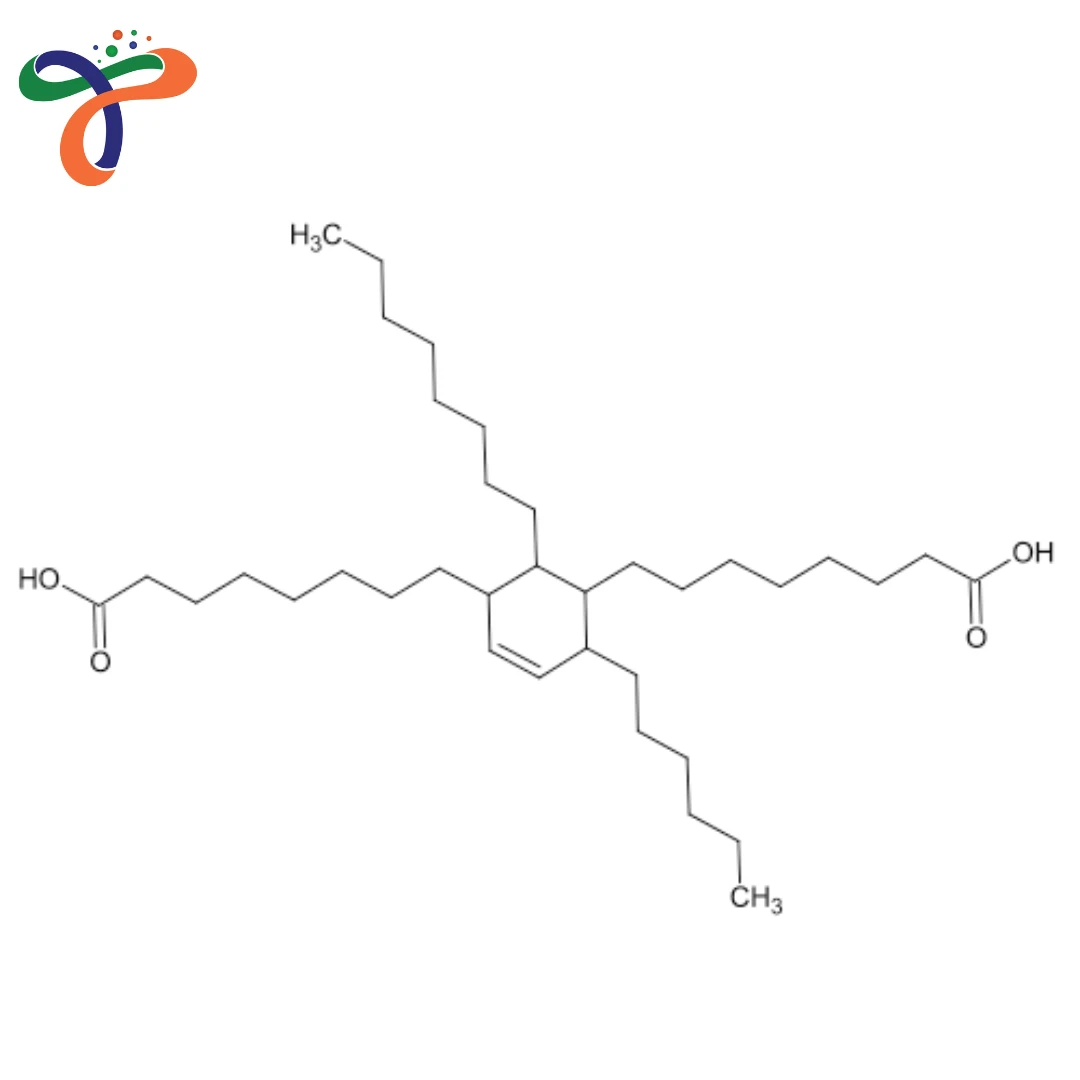
The Dimer acid formula typically represents a C36 dicarboxylic fatty acid derived from natural fatty acids. -
What is the dimer acid structure?
The Dimer acid structure consists of long-chain hydrocarbon backbones with two carboxylic acid functional groups. -
What are common dimer acid examples?
Dimer acid examples include applications in hot-melt adhesives, printing inks, coatings, and flexible polymer formulations. -
Is dimer acid bio-based?
Yes, dimer acid is derived from natural fatty acids, making it a partially bio-based industrial chemical.
ChemicalBull supplies Dimer Acid across India, serving customers in Andhra Pradesh, Arunachal Pradesh, Assam, Bihar, Chhattisgarh, Goa, Gujarat, Haryana, Himachal Pradesh, Jharkhand, Karnataka, Kerala, Madhya Pradesh, Maharashtra, Manipur, Meghalaya, Mizoram, Nagaland, Odisha, Punjab, Rajasthan, Sikkim, Tamil Nadu, Telangana, Tripura, Uttar Pradesh, Uttarakhand, and West Bengal, as well as the Union Territories of Andaman & Nicobar Islands, Chandigarh, Dadra & Nagar Haveli and Daman & Diu, Delhi, Jammu & Kashmir, Ladakh, Lakshadweep, and Puducherry. We serve pharmaceutical, chemical, research, academic, laboratory, manufacturing, and industrial customers with reliable nationwide delivery.