
2,5-Dihydroxy-1,4-Benzoquinone
Description :
Overview of 2,5-Dihydroxy-1,4-Benzoquinone
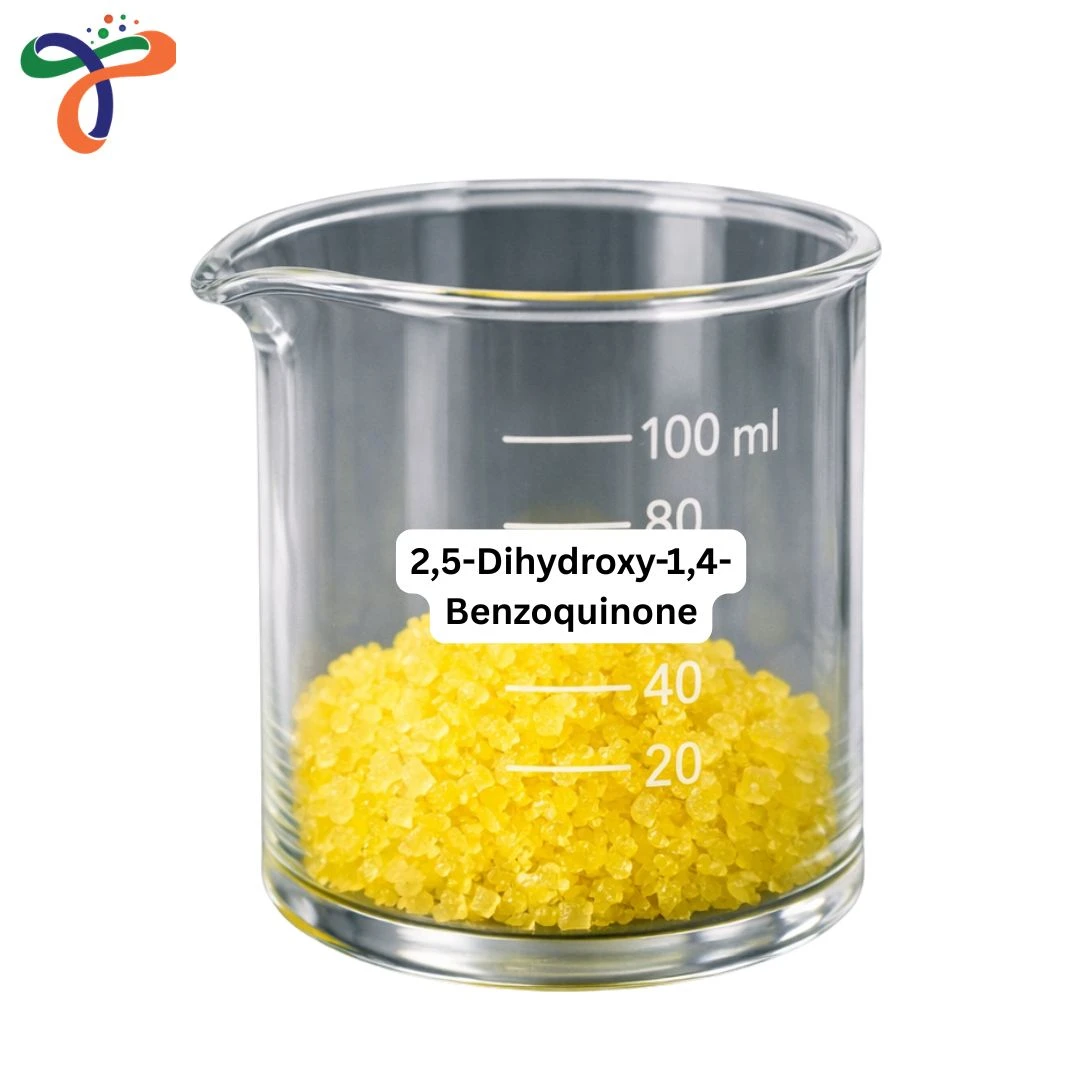
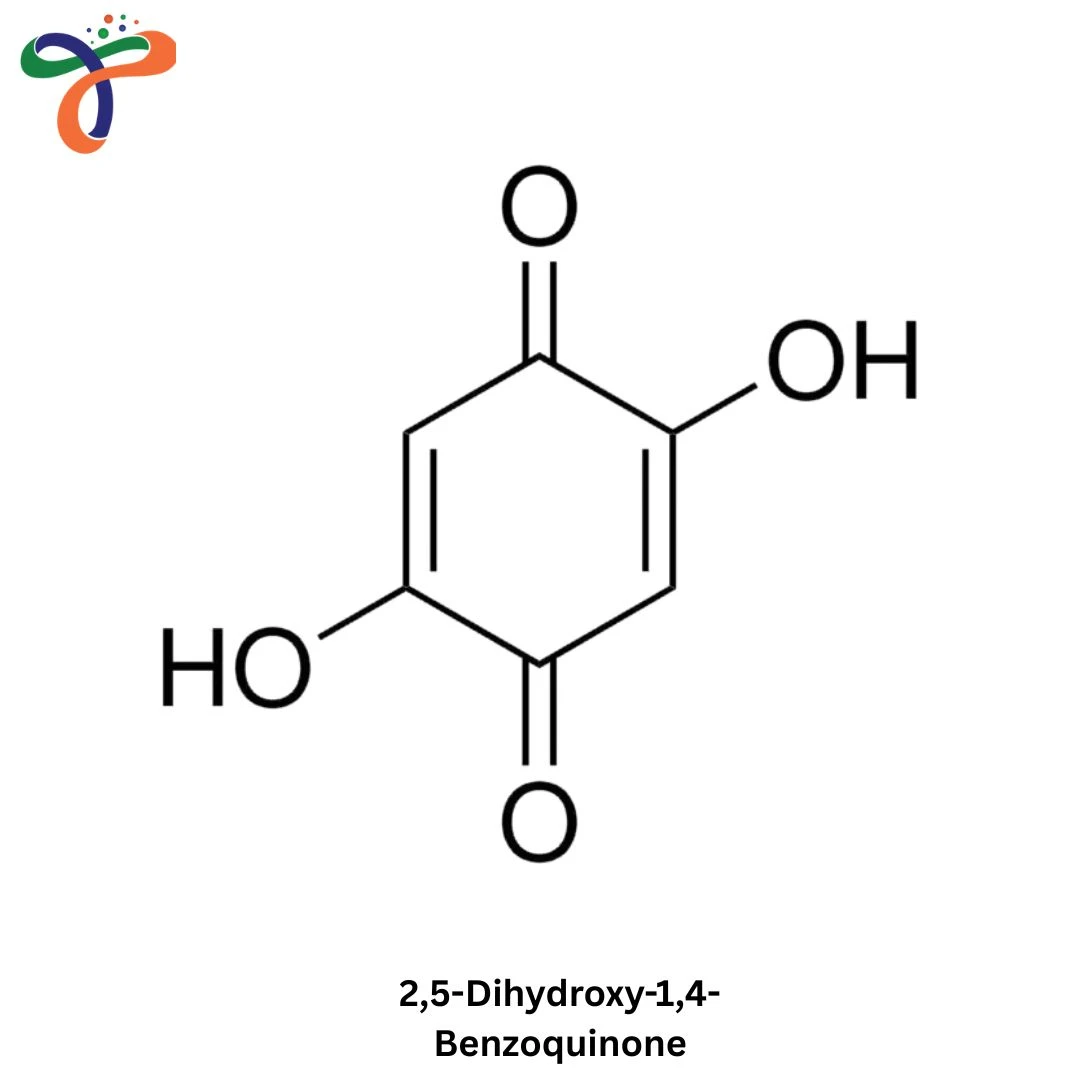
2,5-Dihydroxy-1,4-Benzoquinone is an important organic compound commonly used in various industrial applications, including the manufacturing of dyes, pigments, and as a reagent in chemical synthesis. This compound, also known as DHBQ, plays a key role in the production of intermediates for pharmaceuticals and other fine chemicals. Its strong oxidizing properties make it an essential component in polymerization processes and oxidation reactions.
In industrial settings, 2,5-Dihydroxy-1,4-Benzoquinone is often used in the preparation of specialized chemicals and in the formulation of high-performance materials. It is frequently used alongside chemicals such as Methylmagnesium Chloride and Sulfuric Acid AR to optimize reactions and improve overall efficiency in synthetic processes. This versatility has made it a valuable chemical in industries such as pharmaceuticals, materials science, and environmental management.
At ChemicalBull Pvt. Ltd., we offer premium-quality 2,5-Dihydroxy-1,4-Benzoquinone for various industrial and chemical applications, ensuring the best performance in chemical synthesis and production.
Applications of 2,5-Dihydroxy-1,4-Benzoquinone
Dye and Pigment Production
2,5-Dihydroxy-1,4-Benzoquinone is commonly used as a precursor in the synthesis of dyes and pigments.
It is utilized in creating high-performance colorants with excellent stability and color quality.
Pharmaceutical Synthesis
This compound serves as an intermediate in the synthesis of pharmaceutical products and fine chemicals.
Its oxidation properties are harnessed to facilitate various chemical transformations in drug manufacturing.
Polymerization Reactions
In polymer chemistry, 2,5-Dihydroxy-1,4-Benzoquinone is used as a polymerization initiator and crosslinking agent.
It plays a critical role in creating polymers with enhanced durability and performance.
Chemical Synthesis and Reactions
The compound is widely used as a reagent in chemical synthesis, particularly in oxidation reactions.
It helps facilitate the conversion of other compounds in industrial chemical processes.
Environmental Management
Due to its strong oxidizing properties, it is also used in environmental applications for the treatment of wastewater and waste management.
It aids in breaking down harmful compounds in industrial waste, making it an important tool in sustainable chemical management.
Safety & Handling Guidelines
- Store in a cool, dry place, away from moisture and heat.
- Handle with appropriate personal protective equipment (PPE), including gloves, goggles, and a lab coat.
- Avoid inhalation and contact with eyes and skin.
- Follow proper disposal methods as outlined in the safety data sheet (SDS).
- Handle with care, as it is a strong oxidizing agent.
Where to Buy 2,5-Dihydroxy-1,4-Benzoquinone?
2,5-Dihydroxy-1,4-Benzoquinone Manufacturer
Produced by reputable manufacturers to ensure high quality and consistent performance in various industrial applications.
2,5-Dihydroxy-1,4-Benzoquinone Supplier & Distributor
ChemicalBull Pvt. Ltd. is a trusted supplier of 2,5-Dihydroxy-1,4-Benzoquinone for chemical synthesis, pharmaceutical production, and other industrial uses. Contact us today for bulk pricing and fast delivery.
2,5-Dihydroxy-1,4-Benzoquinone MSDS
Available on request, detailing proper handling, storage, and safety precautions.
Frequently Asked Questions
-
What is the primary use of 2,5-Dihydroxy-1,4-Benzoquinone?
It is mainly used as a precursor in dye production, pharmaceutical synthesis, and polymerization reactions. -
How does 2,5-Dihydroxy-1,4-Benzoquinone contribute to chemical synthesis?
Its strong oxidizing properties enable it to act as a reagent in various oxidation reactions. -
Is 2,5-Dihydroxy-1,4-Benzoquinone safe to handle?
Yes, but it should be handled with caution, using appropriate PPE to avoid direct contact with the compound.