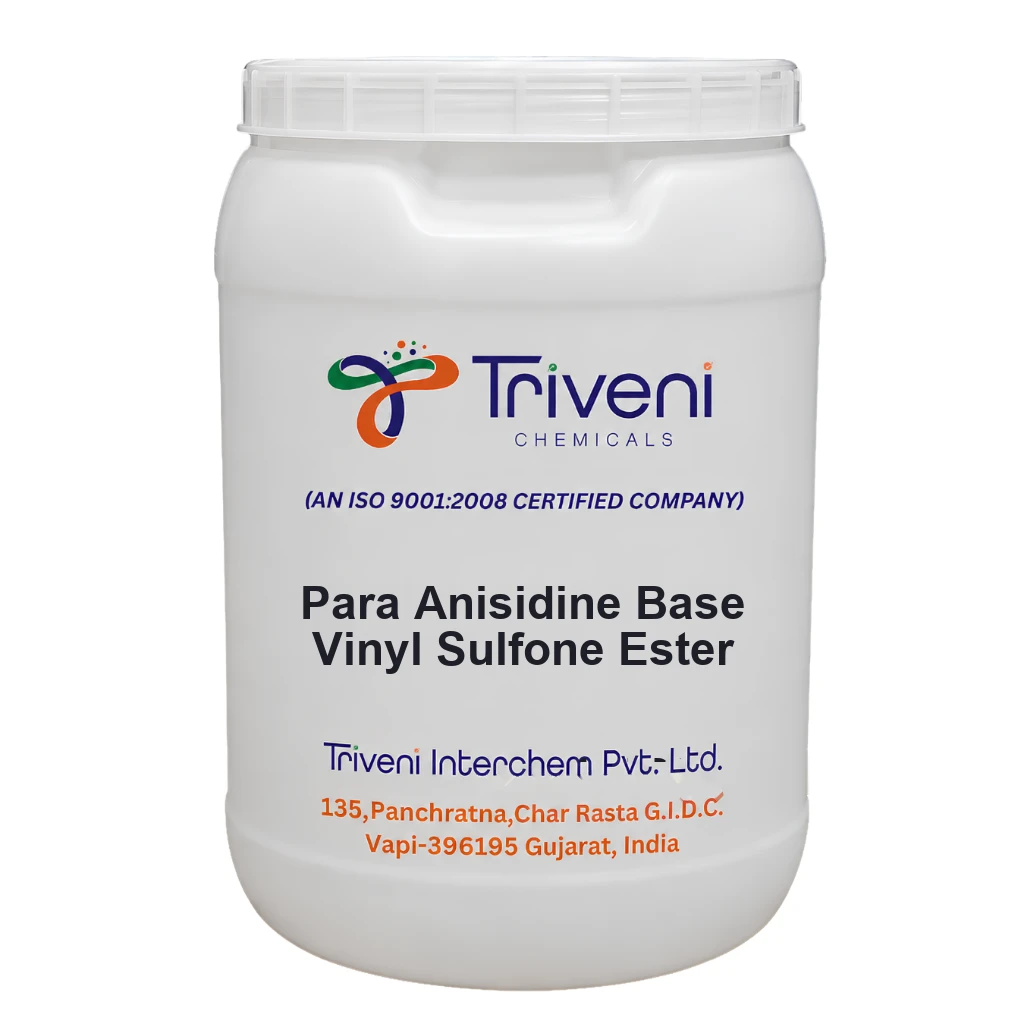
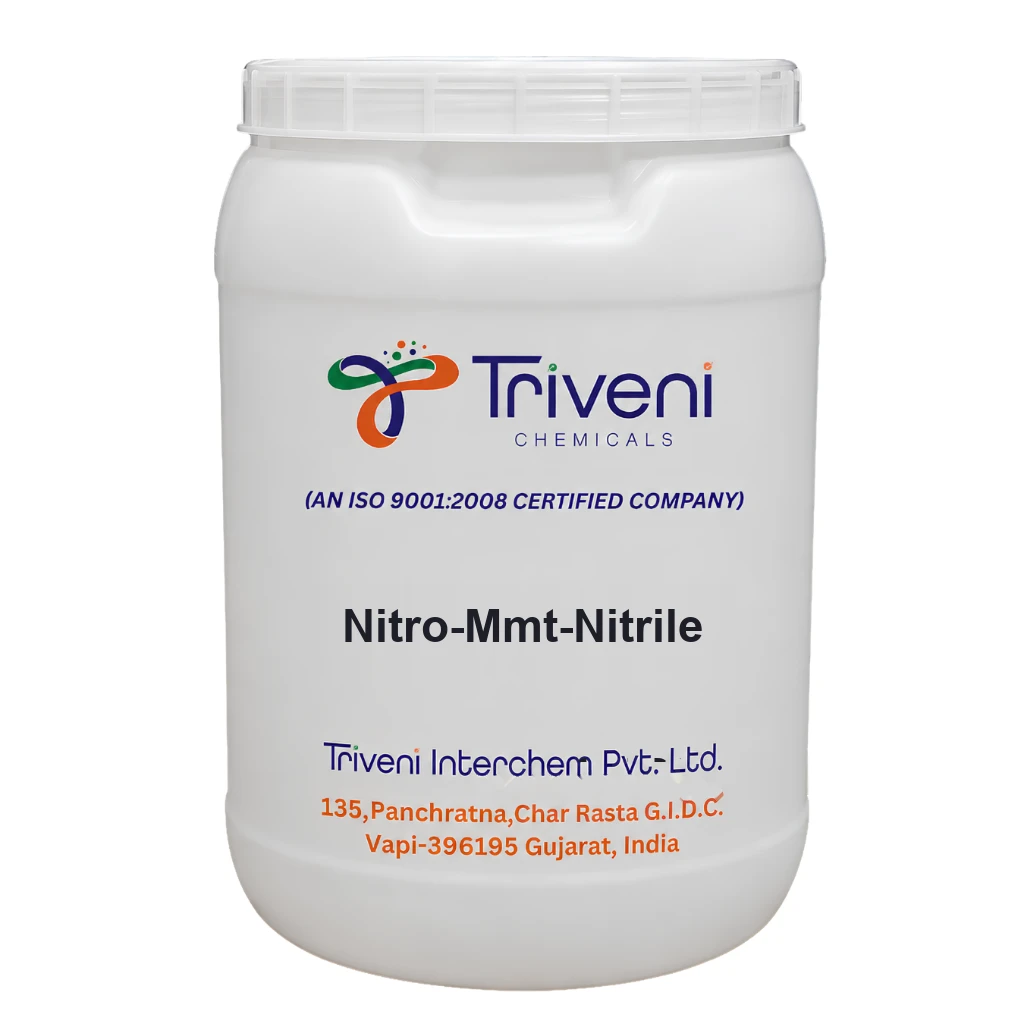
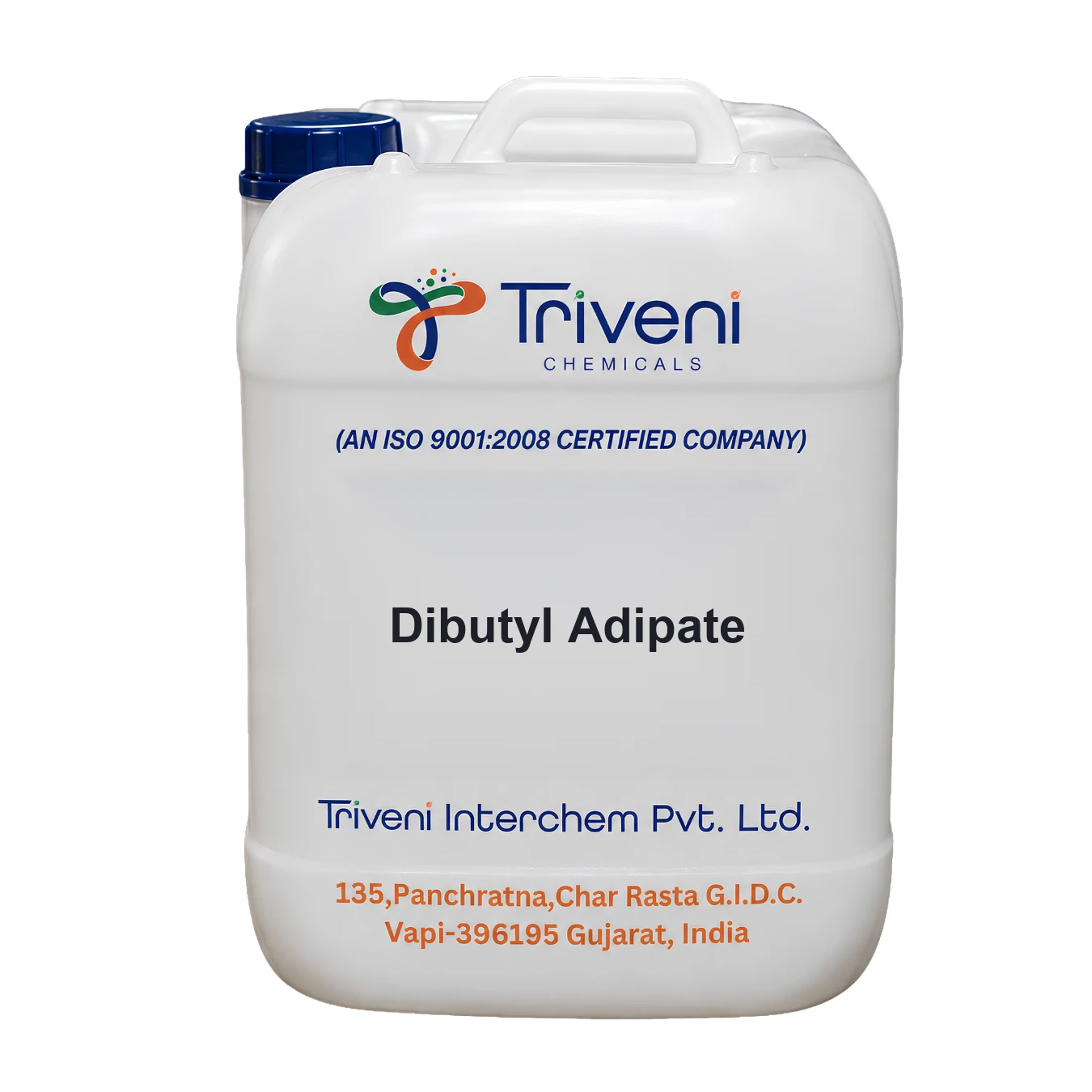
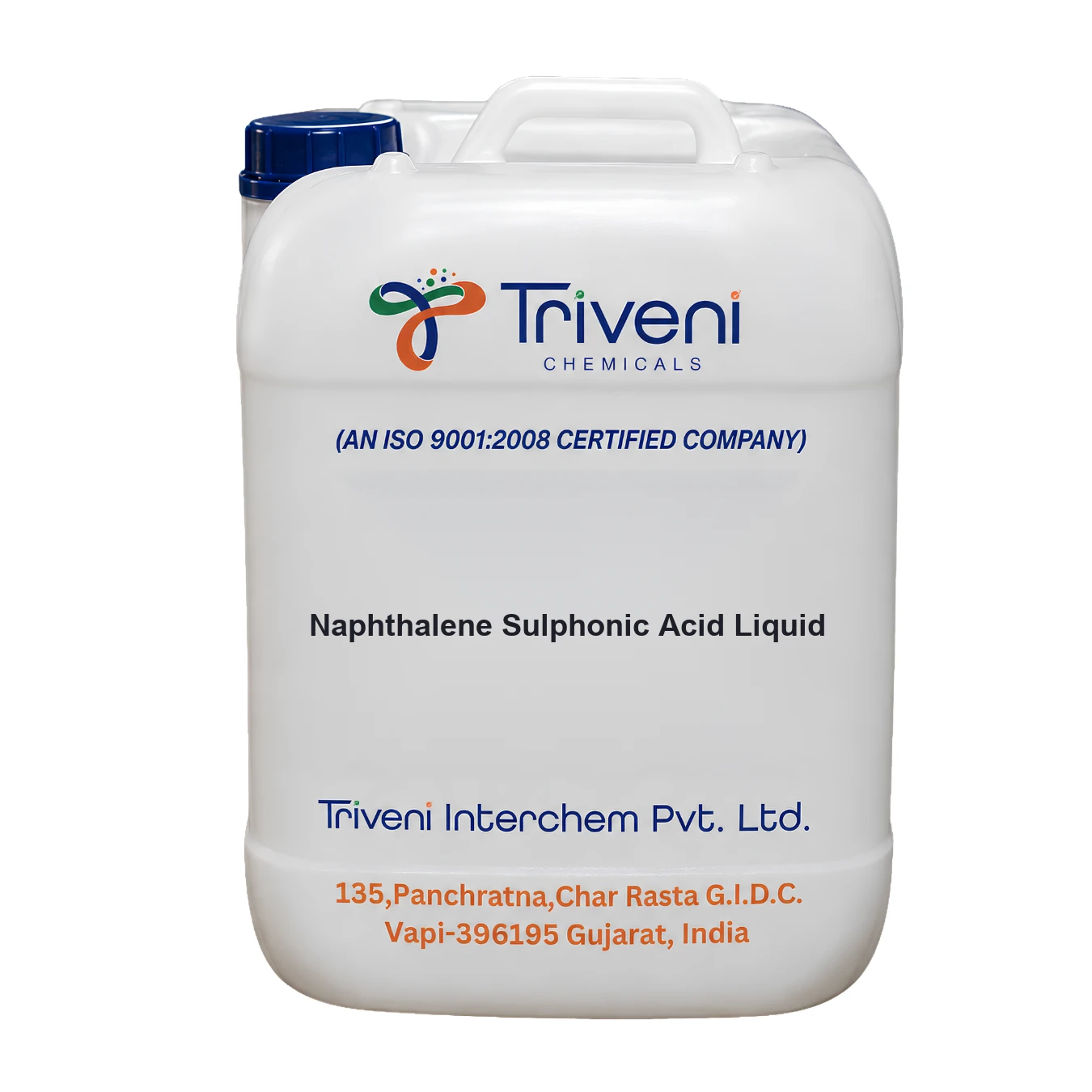
Textile Processing Chemicals for Efficient Fabric Treatment & Finishing
In textile manufacturing, raw fibers cannot be directly converted into high-quality fabrics without chemical processing. Issues such as uneven dyeing, poor fabric strength, low absorbency, and inconsistent finishing are common when proper treatment is not applied.
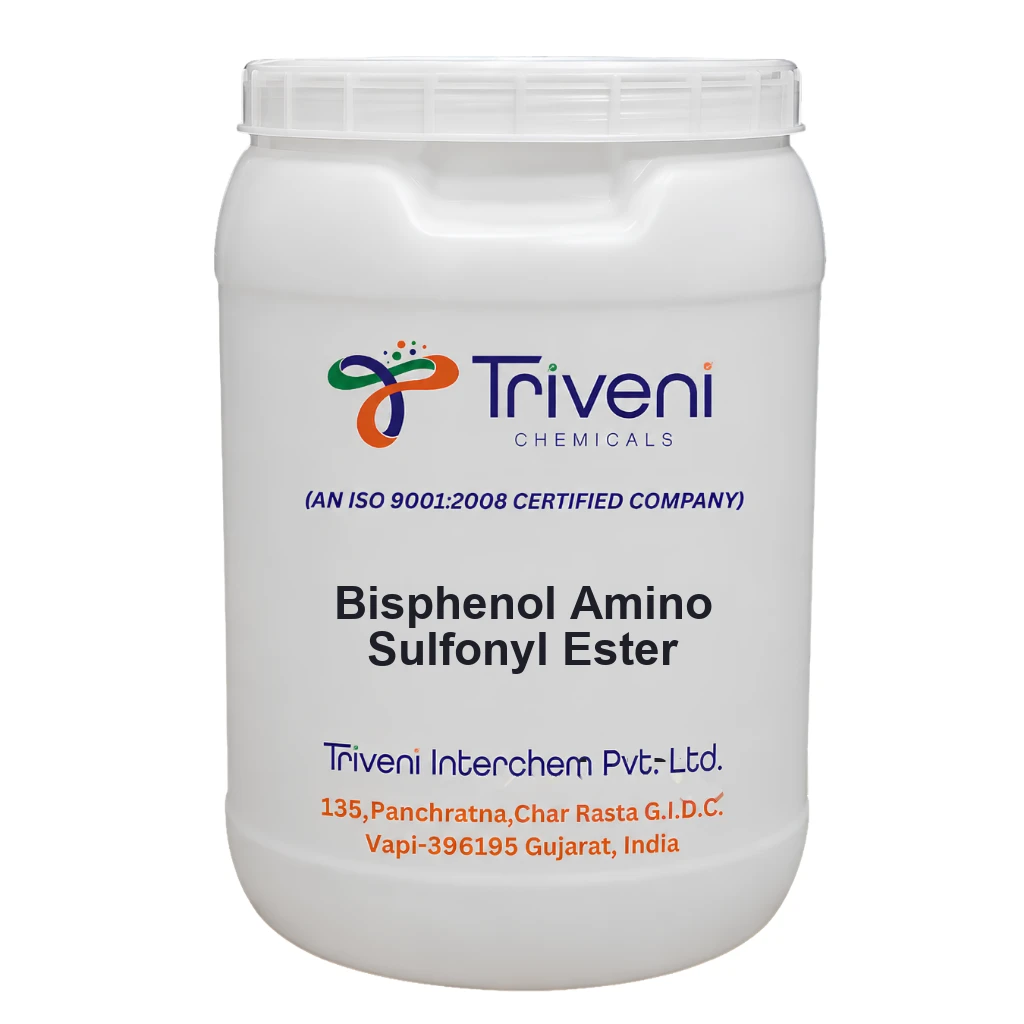
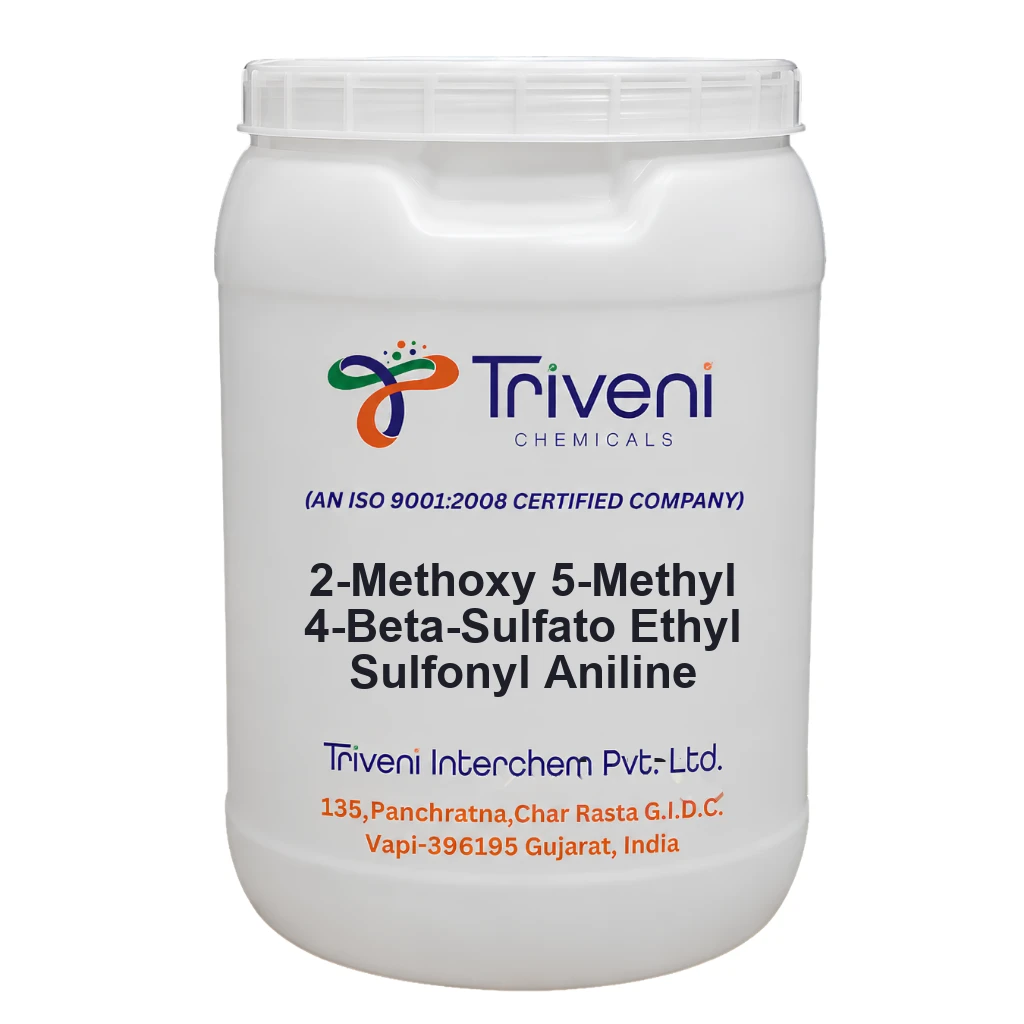
Textile processing chemicals are used to improve fabric quality, durability, appearance, and performance at every stage—from pre-treatment to dyeing and finishing. As a textile processing supplier, ChemicalBull provides reliable solutions to ensure consistent production quality.
Role of Chemicals in Textile, Leather, Paper & Ceramic Industries
Textile processing chemicals are part of a broader group of industrial chemicals used across textile, leather, paper and ceramic industries, where controlled processing and material performance are critical. These chemicals help achieve better surface treatment, durability, and product consistency across industrial applications.
Key Chemical Systems in Textile Processing
Textile processing involves multiple stages, and each stage requires specific chemical systems to achieve the desired fabric performance.
Pre-Treatment Stage
At the initial stage, chemicals are used to remove impurities, oils, and contaminants from fibers, ensuring proper absorption and uniform processing.
· Caustic Soda (CAS: 1310-73-2) – removes impurities and prepares fabric
· Hydrogen Peroxide (CAS: 7722-84-1) – bleaching and whitening agent
Dyeing & Processing Stage
This stage ensures uniform color application and proper dye fixation across the fabric.
· Acetic Acid (CAS: 64-19-7) – maintains pH balance during dyeing
· Sodium Sulphate (CAS: 7757-82-6) – improves dye penetration
Finishing Stage
Finishing chemicals enhance the final fabric properties such as softness, durability, and wrinkle resistance.
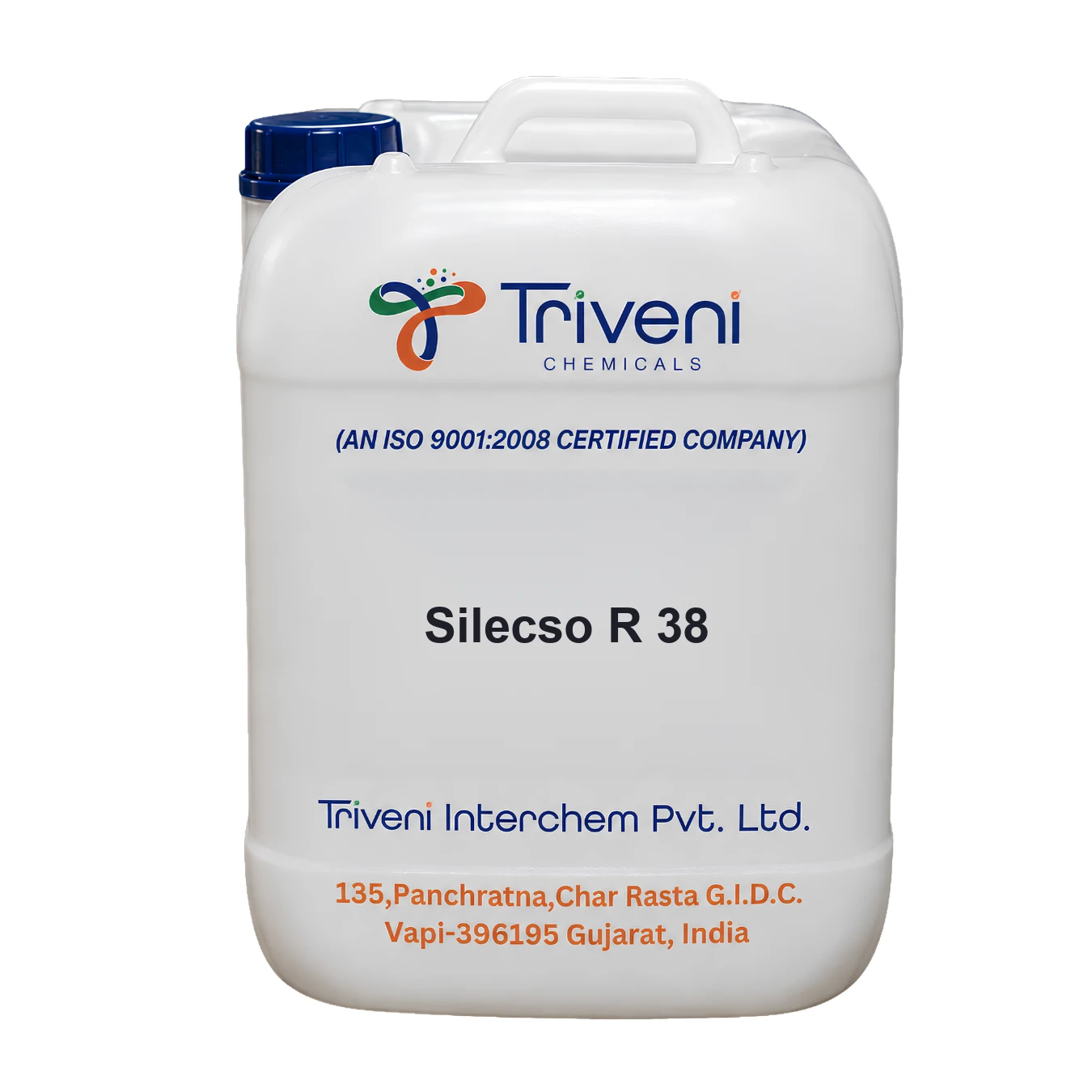
· Silicone Softener (PDMS) – improves softness and smoothness
· Resin Finishing Agents – enhance wrinkle resistance
· Urea (CAS: 57-13-6) – helps in moisture retention during printing
· Formaldehyde Resin – improves crease resistance and fabric stability
How Textile Chemicals Improve Fabric Performance
Textile processing chemicals help manufacturers achieve:
· Uniform and consistent color development
· Improved fabric strength and durability
· Better absorbency and texture
· Enhanced resistance to washing and environmental conditions
· Desired finishing properties such as softness and wrinkle resistance
These improvements are essential for producing textiles that meet industry quality standards and performance expectations.
Applications in the Textile Industry
Textile processing chemicals are widely used in:
· Garment and fabric manufacturing
· Home textiles (curtains, upholstery, bedding)
· Industrial and technical textiles
· Synthetic and natural fiber processing
They are critical wherever fabric quality and performance consistency are required.
Bulk Textile Processing Chemicals Supplier
ChemicalBull supplies textile processing chemicals in bulk, supporting industrial buyers with consistent quality and reliable supply.
· Wide range of textile processing solutions
· Competitive pricing for bulk requirements
· Strong supply chain and logistics
· Consistent product specifications
· Technical support for applications
Frequently Asked Questions (FAQs)
-
What are textile processing chemicals used for?
They are used to improve fabric quality, dyeing, finishing, and durability.
-
Which chemicals are commonly used in textile processing?
Common chemicals include caustic soda, hydrogen peroxide, acetic acid, sodium sulphate, urea, and finishing resins.
-
Where can I buy textile processing chemicals in bulk?
You can source them from ChemicalBull, a trusted supplier for industrial chemicals.
ChemicalBull supplies Textile Processing across India, serving customers in Andhra Pradesh, Arunachal Pradesh, Assam, Bihar, Chhattisgarh, Goa, Gujarat, Haryana, Himachal Pradesh, Jharkhand, Karnataka, Kerala, Madhya Pradesh, Maharashtra, Manipur, Meghalaya, Mizoram, Nagaland, Odisha, Punjab, Rajasthan, Sikkim, Tamil Nadu, Telangana, Tripura, Uttar Pradesh, Uttarakhand, and West Bengal, as well as the Union Territories of Andaman & Nicobar Islands, Chandigarh, Dadra & Nagar Haveli and Daman & Diu, Delhi, Jammu & Kashmir, Ladakh, Lakshadweep, and Puducherry. We serve pharmaceutical, chemical, research, academic, laboratory, manufacturing, and industrial customers with reliable nationwide delivery.