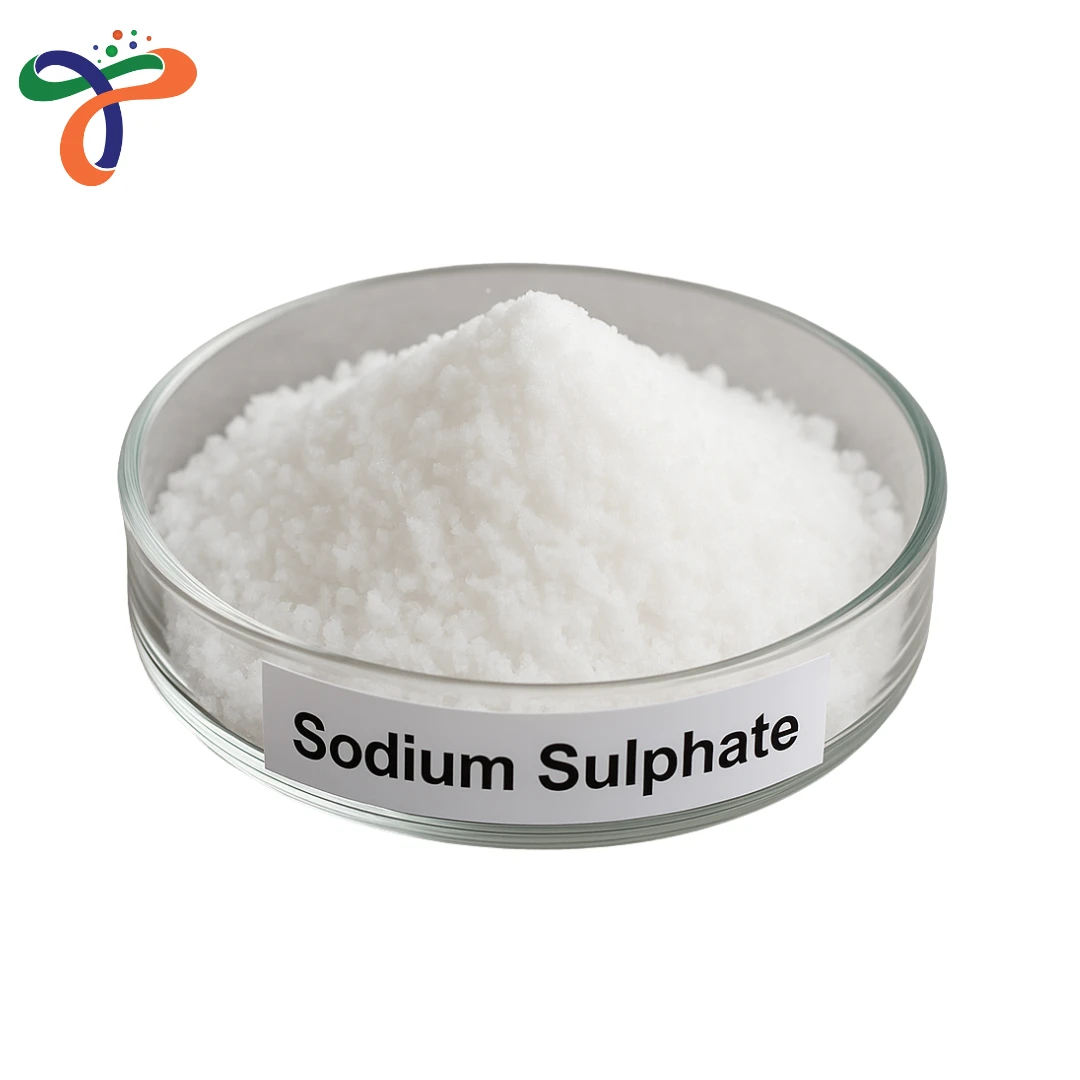
Sodium Sulphate | 7757-82-6
Cas No :
7757-82-6
Synonyms :
Form :
Solid
Molecular Weight :
142.04 G/mol
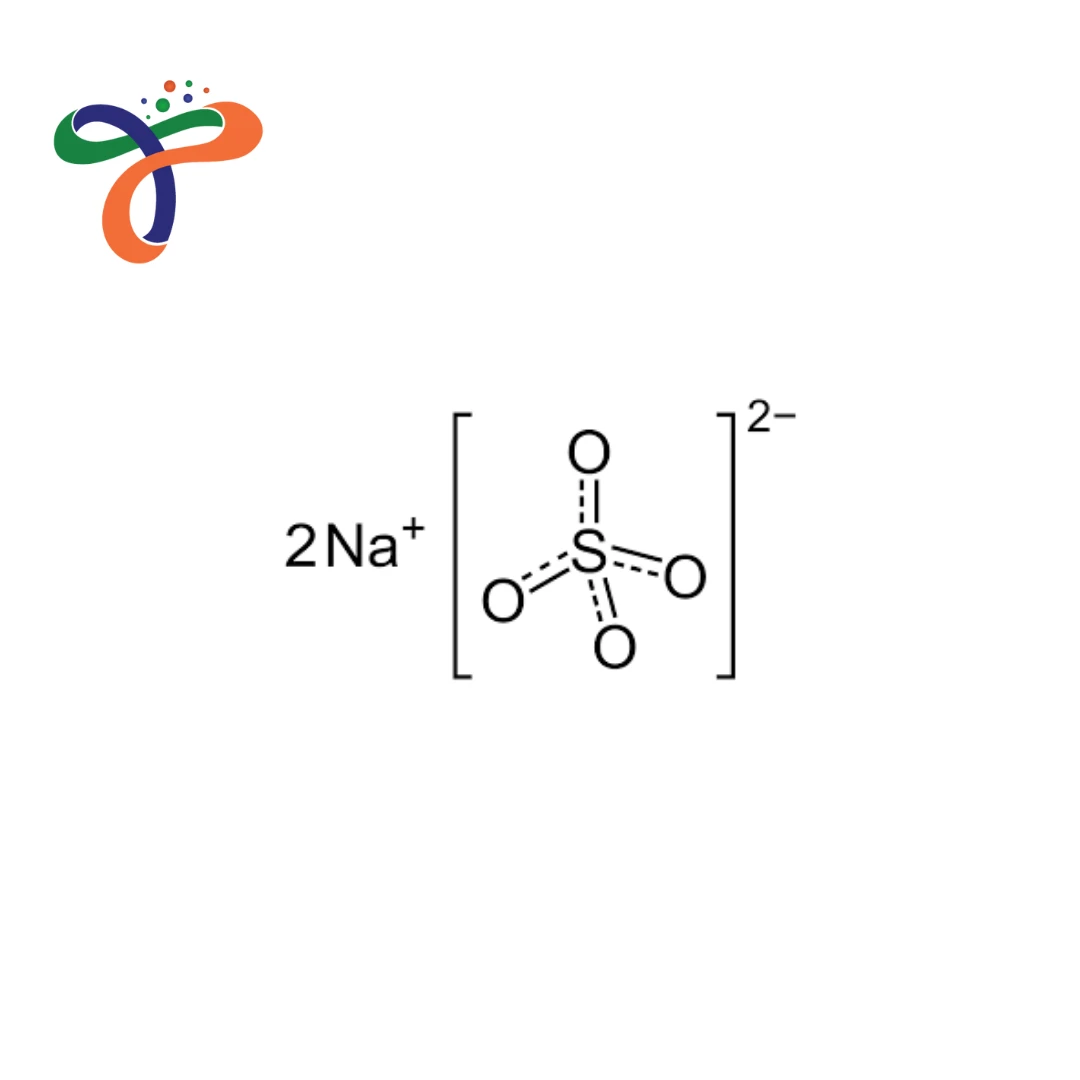
Molecular Formula :
NA2SO4
Boiling Point :
1600 °c
Melting Point :
884 °c
Solubility :
Soluble In Water; About 21 G Per 100 G Water At 20 °c
Description :
Overview of Sodium Sulphate
Sodium Sulphate is a widely used industrial inorganic salt valued for its chemical stability, high purity availability, and consistent performance across multiple manufacturing sectors. It is typically supplied as a white crystalline or powdery solid and is used in large-scale industrial processes where sulphate content, solubility, and formulation stability are critical.
Sodium sulphate is commonly used in detergents, textiles, glass manufacturing, pulp & paper processing, chemical manufacturing, and specialty industrial applications. Its non-reactive nature and compatibility with a wide range of formulations make it a reliable raw material in Home care chemicals.
Applications of Sodium Sulphate
Detergent & Cleaning Product Manufacturing
Sodium Sulphate is extensively used in detergent and cleaning product manufacturing as a filler and processing aid. It helps improve powder flow, formulation consistency, and production efficiency in large-scale detergent manufacturing. It is often used alongside Sodium Carbonate in detergent formulations.
Textile & Dye Processing
Sodium Sulphate is widely used in textile dyeing and finishing processes where it acts as an electrolyte to promote uniform dye absorption. It supports consistent colour development and stable processing conditions. It is commonly used with Sodium Sulfite in textile processing systems.
Glass Manufacturing
Sodium Sulphate is used in glass manufacturing where it functions as a fining agent to remove air bubbles and improve glass clarity. It supports stable melting behaviour and consistent glass quality in industrial furnace operations.
Chemical Manufacturing & Industrial Processing
Sodium Sulphate is used in chemical manufacturing where it serves as a raw material or processing aid in various industrial reactions. It supports reliable performance and formulation stability in industrial chemical systems. It may be used with Sodium Chloride depending on process requirements.
Safety & Handling Guidelines
Store in a dry, cool, and well-ventilated area
Keep containers tightly sealed to prevent contamination
Avoid inhalation of fine dust during bulk handling
Avoid prolonged contact with the eyes
Use protective gloves, goggles, and suitable industrial clothing
Maintain proper housekeeping to prevent dust accumulation
Dispose of packaging as per local industrial regulations
Where to Buy Sodium Sulphate?
Sodium Sulphate Manufacturer
Sodium Sulphate is manufactured for industrial applications where consistent purity, controlled particle size, and reliable performance are required for detergents, textiles, glass, and chemical processing industries.
Sodium Sulphate Supplier & Distributor
Sodium Sulphate is supplied in bulk and industrial-grade packaging for manufacturers requiring dependable quality and continuous supply. As a raw home care material distributor, Chemicalbull Pvt. Ltd. supports customers with reliable sourcing and standard documentation for industrial requirements.
MSDS for Sodium Sulphate
The MSDS for Sodium Sulphate provides detailed information on safe handling, storage conditions, exposure controls, first-aid measures, and emergency response procedures. Always review the MSDS before industrial use.
Frequently Asked Questions (FAQs)
What is Sodium Sulphate used for?
Sodium Sulphate is used in detergent manufacturing, textile dyeing, glass production, pulp and paper processing, and chemical manufacturing applications.Is Sodium Sulphate safe for industrial use?
Sodium Sulphate is generally considered safe for industrial use when handled properly. Dust exposure should be minimized, and appropriate PPE should be used.Is Sodium Sulphate soluble in water?
Yes, Sodium Sulphate is soluble in water, making it suitable for solution-based industrial processing systems.
ChemicalBull supplies Sodium Sulphate across India, serving customers in Andhra Pradesh, Arunachal Pradesh, Assam, Bihar, Chhattisgarh, Goa, Gujarat, Haryana, Himachal Pradesh, Jharkhand, Karnataka, Kerala, Madhya Pradesh, Maharashtra, Manipur, Meghalaya, Mizoram, Nagaland, Odisha, Punjab, Rajasthan, Sikkim, Tamil Nadu, Telangana, Tripura, Uttar Pradesh, Uttarakhand, and West Bengal, as well as the Union Territories of Andaman & Nicobar Islands, Chandigarh, Dadra & Nagar Haveli and Daman & Diu, Delhi, Jammu & Kashmir, Ladakh, Lakshadweep, and Puducherry. We serve pharmaceutical, chemical, research, academic, laboratory, manufacturing, and industrial customers with reliable nationwide delivery.