Urea | 57-13-6
Cas No :
57-13-6
Synonyms :
Form :
Solid
Molecular Weight :
60.06 G/mol
Molecular Formula :
CH4N2O
Boiling Point :
180 °c
Flash Point :
232 °c
Solubility :
108 G/100 G Water At 20 °c
Description :
Overview of Urea
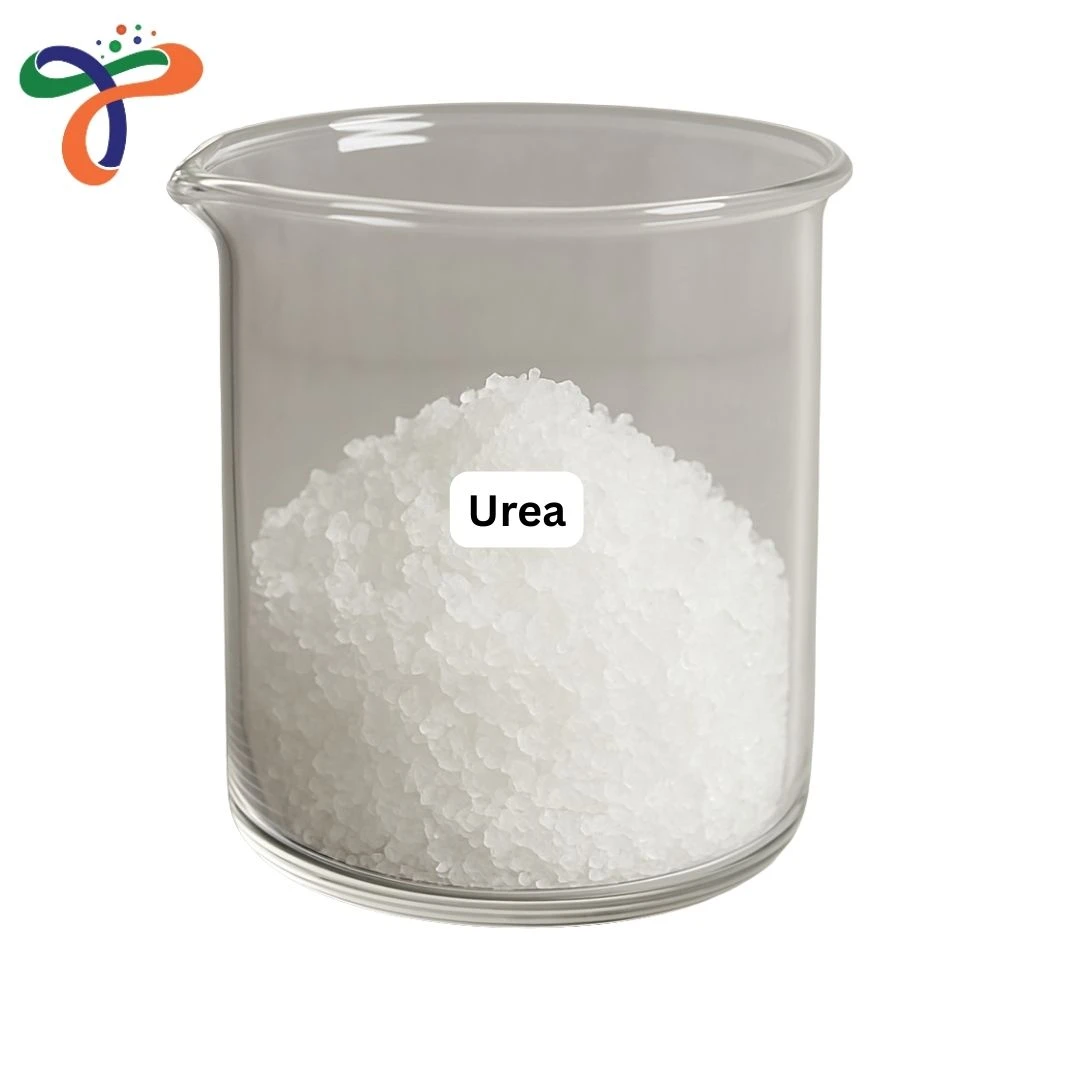
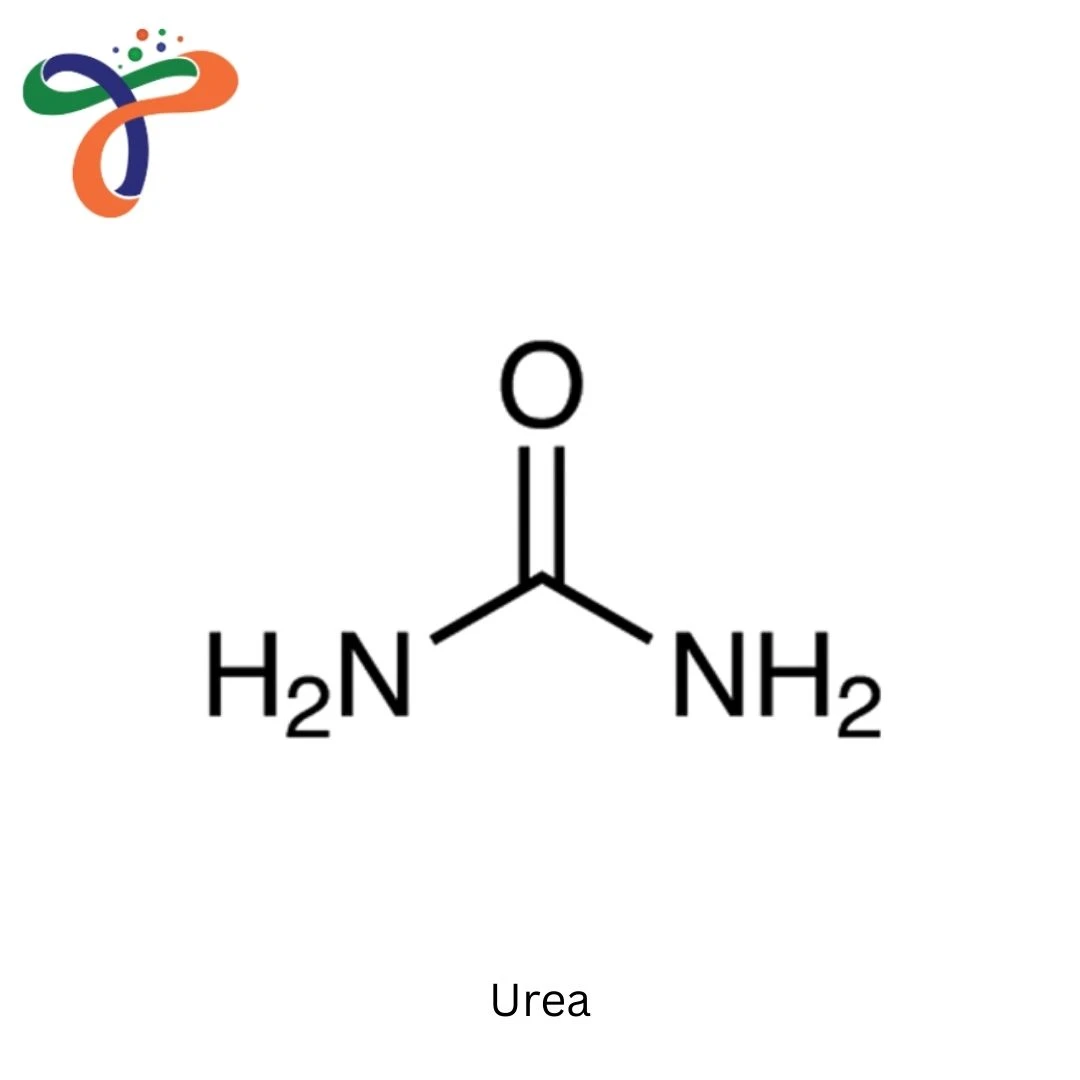
Urea is an organic compound with the chemical formula CO(NH₂)₂ and is one of the most widely used nitrogen fertilizers in agriculture. Urea is sold in white granules, or prills, and contains approximately 46% nitrogen, making it highly effective for promoting plant growth and improving crop yield.
Simply put, urea gives plants the nitrogen they need to quickly grow leaves, stems, and tillers. In the soil, it converts to ammonium, which plants can use immediately. This makes urea ideal for top-dressing and side-dressing.
Urea is also used in the production of compounds such as urea phosphate, which is applied in fertilizers and industrial formulations. These derivatives enhance nutrient delivery and improve efficiency in agricultural and chemical processes.
Applications of Urea
Nitrogen Fertilization & Growth Boost
Urea is widely used as a nitrogen fertilizer in agriculture. It contains approximately 46% nitrogen, making it one of the most effective fertilizers for improving crop growth and soil fertility. Urea fertilizer(Urea khad) is commonly applied as granules for easy handling and uniform distribution in fields.
- It helps crops grow strong and encourages the development of more shoots.
- Urea is an important top-dress fertilizer for rice, wheat, and maize.
- Critical for Fertilizer Industry nutrition programs.
Foliar & Fertigation Applications
- Dissolves completely for drip irrigation and foliar feeding.
- Plants can quickly absorb urea through their leaves, especially during times of growth stress.
- Complements Zinc Sulphate Anhydrous micronutrients.
Protein Enhancement in Crops
Urea increases grain protein content in wheat and barley.
- It supports high-yield farming and helps produce quality crops.
- Works with 1-Naphthaleneacetic Acid growth regulators.
- Pairs with Zinc Sulphate Heptahydrate.
Soil & Crop Management
- Programs that support programs using Diatomaceous earth for soil and health.
- Improves the effectiveness of fumigation caused by 1,2-Dibromoethane.
- The most important base fertilizer to ensure sustainable yields.
Safety & Handling Guidelines
Follow the safety guidelines for working with Urea the same way you would for other fertilizers.
- Keep it in a dry, cool area away from moisture so that it doesn't get clogged.
- Use gloves and safety glasses to beware of dust inhalation when handling.
- Make sure you keep Urea clear of the strong acids and copper-rich materials.
- Integrate into soil right away following application to stop the volatilization.
- Go through your Material Safety Data Sheet (MSDS) to find detailed safety information.
Urea MSDS
The MSDS for Urea gives detailed information about its solubility, decomposition risks, safe storage, application methods, and soil interactions. This information is important for farmers and fertilizer blenders.
ChemicalBull provides the MSDS, recommended application rates, and compatibility information for urea with every order.
Urea Manufacturer, Supplier & Distributor
Urea Manufacturer in India
Urea is manufactured for global agriculture requiring high-analysis nitrogen fertilizers in the Fertilizer Industry.
Urea Supplier & Distributor
ChemicalBull is a trusted manufacturer, supplier, and distributor of Urea. You can find it at ChemicalBull in prilled, granular, and liquid forms.
- Urea has a 46-0-0 NPK analysis and contains low levels of biuret.
- It is available in bulk super sacks and 50kg bags to suit farms of any size.
- Each order comes with full documentation and analysis certificate.
Frequently Asked Questions (FAQs)
-
How much Urea per acre?
Apply urea at 50 to 100 kg per acre, based on your crop’s nitrogen needs and soil test results. -
Does Urea burn plants?
Urea can cause foliar burn if sprayed above 2% concentration or during hot weather. -
What Are Urea Granules Used For?
Urea granules are primarily used in agriculture as a nitrogen-rich fertilizer. They help promote plant growth, improve crop yield, and enhance soil nutrient levels. Due to their solid form, urea granules are easy to store, transport, and apply in farming operations.
ChemicalBull supplies Urea across India, serving customers in Andhra Pradesh, Arunachal Pradesh, Assam, Bihar, Chhattisgarh, Goa, Gujarat, Haryana, Himachal Pradesh, Jharkhand, Karnataka, Kerala, Madhya Pradesh, Maharashtra, Manipur, Meghalaya, Mizoram, Nagaland, Odisha, Punjab, Rajasthan, Sikkim, Tamil Nadu, Telangana, Tripura, Uttar Pradesh, Uttarakhand, and West Bengal, as well as the Union Territories of Andaman & Nicobar Islands, Chandigarh, Dadra & Nagar Haveli and Daman & Diu, Delhi, Jammu & Kashmir, Ladakh, Lakshadweep, and Puducherry. We serve pharmaceutical, chemical, research, academic, laboratory, manufacturing, and industrial customers with reliable nationwide delivery.