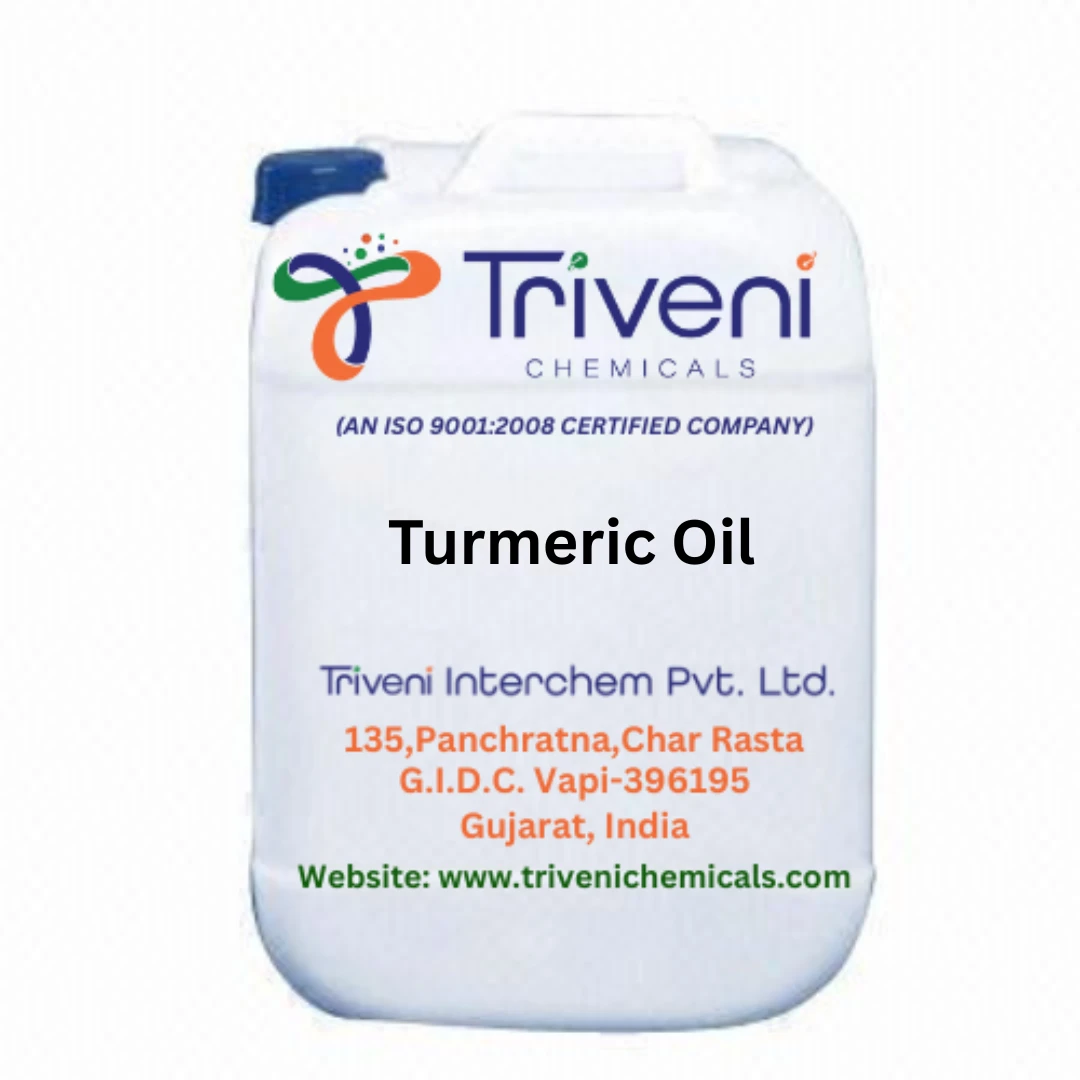
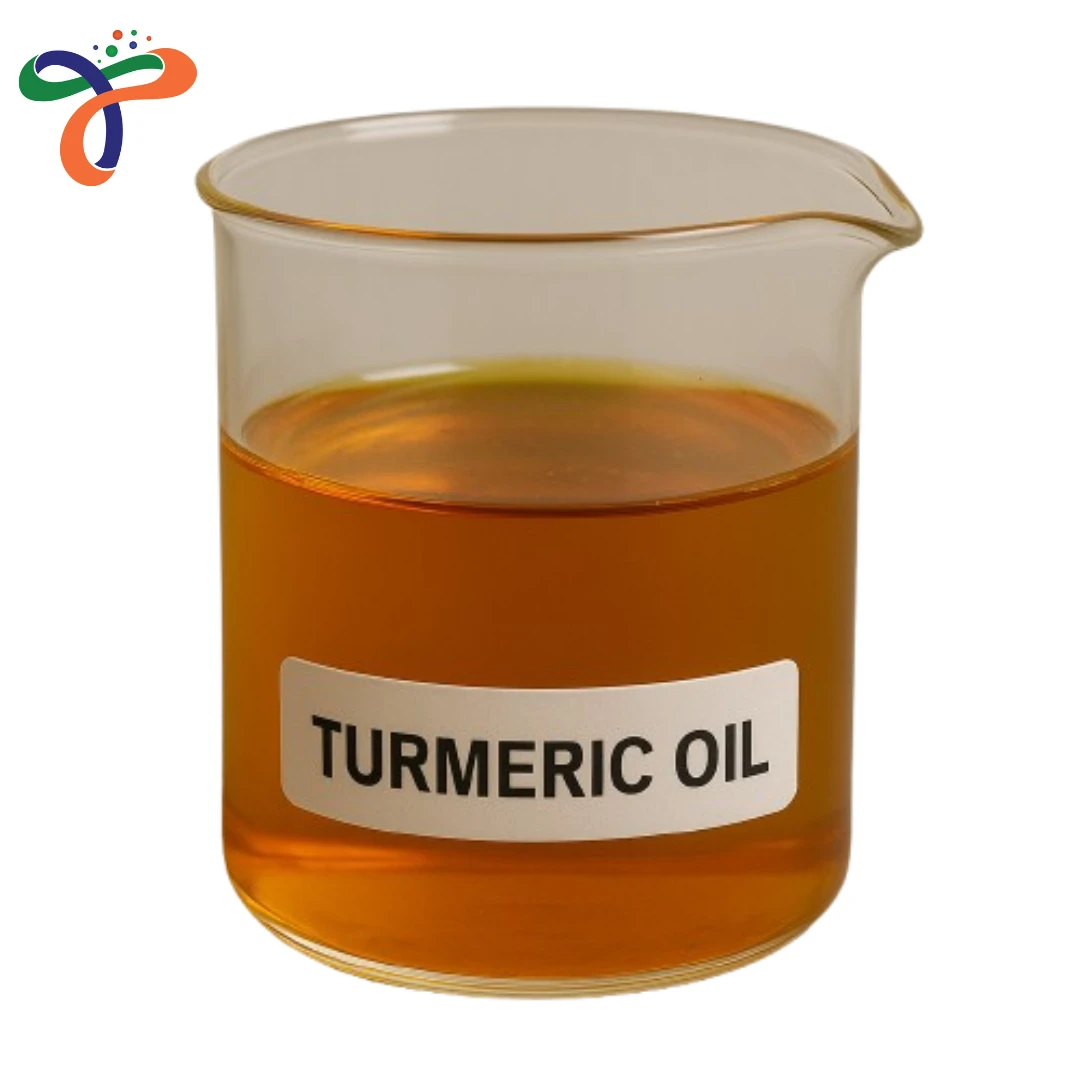
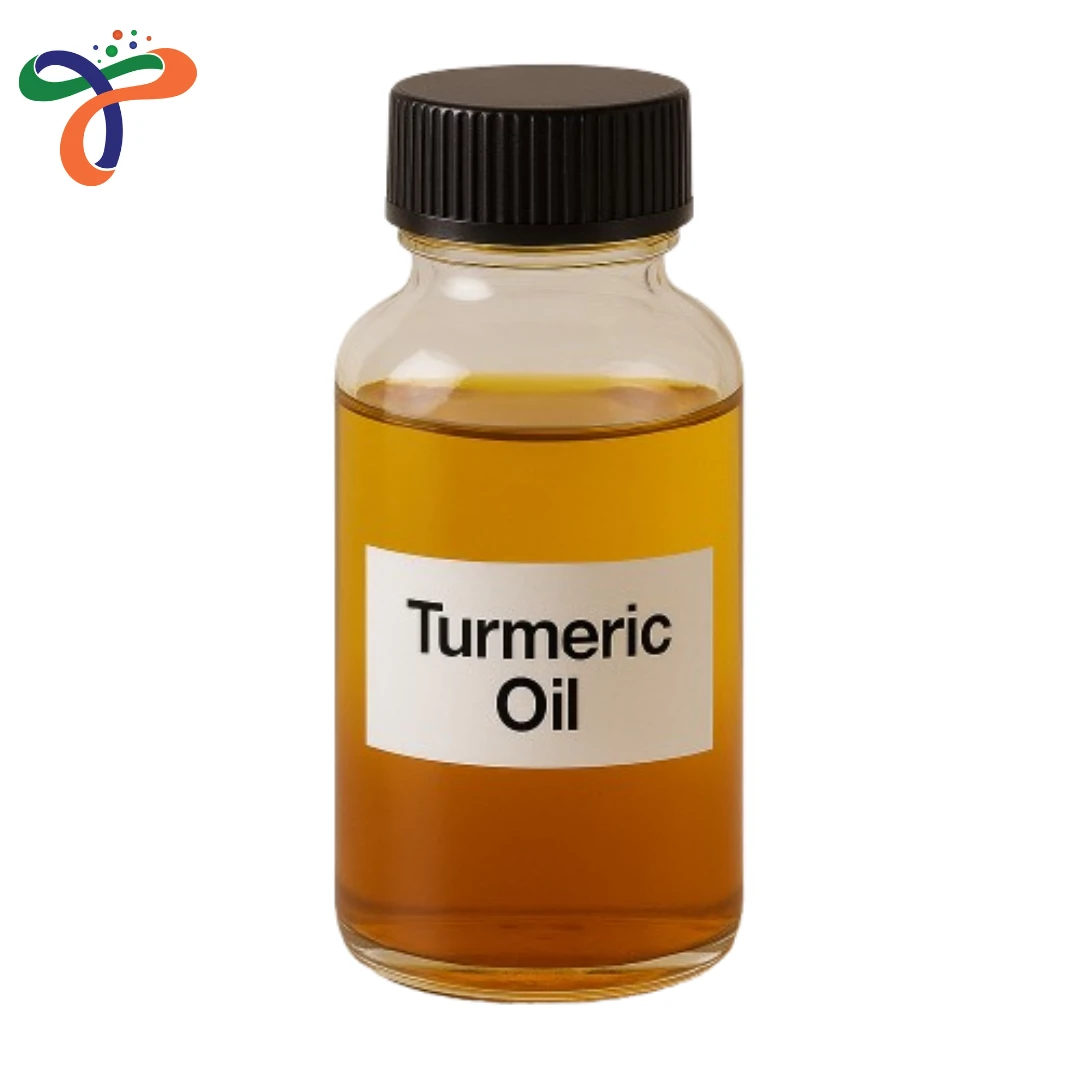
Turmeric Oil | 8024-37-1
Cas No :
8024-37-1
Synonyms :
Form :
Liquid
Molecular Weight :
368.38 G/mol (curcumin)
Molecular Formula :
C21H20O6
Boiling Point :
109–113 °c
Flash Point :
99 °c
Solubility :
Insoluble In Water; Soluble In Ethanol, Dmso, Oils
Description :
Overview of Turmeric Oil
Turmeric Oil is a natural essential oil extracted from the rhizomes of the Curcuma longa plant. Known for its warm, earthy, and slightly spicy aroma, it is widely used in fragrances, food flavouring, cosmetics, and therapeutic applications.
Chemically, Turmeric Oil contains bioactive compounds such as Turmerone, Zingiberene, and Ar-Turmerone, which contribute to its aromatic, antioxidant, and antimicrobial properties. The Oil typically appears as a yellow to orange viscous liquid and is soluble in most organic solvents while being insoluble in water.
Suppose you're wondering what turmeric oil is used for. In that case, it's valued for its skin benefits, soothing aroma, and natural healing properties that make it suitable for both industrial and home applications.
Applications of Turmeric Oil
Fragrance & Perfumery Industry
- Adds warm, earthy, and spicy notes to perfumes, soaps, and air fresheners.
- Commonly blended with Ginger Oil, Patchouli Oil, and Cedarwood Oil to create rich, oriental, and natural-inspired fragrance compositions.
Food & Flavour Industry
- Used as a flavouring agent in beverages, sauces, soups, and confectionery for a warm and slightly bitter taste.
- Compatible with natural esters like Ethyl Butyrate and Methyl Anthranilate to develop complex flavour profiles.
Pharmaceutical & Therapeutic Applications
- Contains antimicrobial, anti-inflammatory, and antioxidant properties, making it valuable in herbal remedies and wellness products.
- Incorporated in supplements, topical creams, and aromatherapy formulations for stress relief and skin health.
Cosmetic & Personal Care Applications
- Used in skincare products, shampoos, and lotions for its fragrance and potential skin-beneficial properties.
- Helps enhance texture and sensory experience in creams and massage oils.
Industrial & Chemical Applications
- Serves as a raw material for synthesising turmeric-derived compounds and aroma chemicals.
- Used in natural dye formulations and cosmetic research.
Safety & Handling Guidelines for Turmeric Oil
- Store in a cool, dry, and well-ventilated area away from heat, flame, and oxidising agents.
- Avoid direct skin or eye contact; use gloves and protective eyewear when handling.
- Keep containers tightly closed to maintain quality and prevent oxidation.
Where to Buy Turmeric Oil
Turmeric Oil Manufacturer in India:
High-purity Turmeric Oil is available from ISO-certified manufacturers, ensuring global quality compliance and timely delivery.
Turmeric Oil Distributor & Supplier :
ChemicalBull.com provides bulk and retail Turmeric Oil for fragrance, food, cosmetic, and therapeutic industries worldwide.
Turmeric Oil MSDS
Request the Material Safety Data Sheet (MSDS) from Chemical Bull for complete information on handling, safety, and chemical properties.
Frequently Asked Questions (FAQs)
1. What is Turmeric Oil used for?
Turmeric Oil is used in perfumes, cosmetics, food flavouring, and therapeutic products for its warm, earthy aroma and bioactive properties.
2. Does Turmeric Oil lighten the skin?
Yes, it helps brighten and even skin tone by reducing pigmentation and blemishes naturally.
3. Who should not use Turmeric Oil?
People with sensitive skin, allergies, or pregnant women should avoid direct use without medical advice.
4. What are the best ways to use Turmeric Oil at home?
You can use turmeric oil at home by adding a few drops to your diffuser, massage oil, or skincare cream for relaxation and a natural glow.
5. Can Turmeric Oil be used for the face and wrinkles?
Yes, Turmeric Oil for the face is beneficial for reducing wrinkles, acne, and dark spots, improving overall skin health.
ChemicalBull supplies Turmeric Oil across India, serving customers in Andhra Pradesh, Arunachal Pradesh, Assam, Bihar, Chhattisgarh, Goa, Gujarat, Haryana, Himachal Pradesh, Jharkhand, Karnataka, Kerala, Madhya Pradesh, Maharashtra, Manipur, Meghalaya, Mizoram, Nagaland, Odisha, Punjab, Rajasthan, Sikkim, Tamil Nadu, Telangana, Tripura, Uttar Pradesh, Uttarakhand, and West Bengal, as well as the Union Territories of Andaman & Nicobar Islands, Chandigarh, Dadra & Nagar Haveli and Daman & Diu, Delhi, Jammu & Kashmir, Ladakh, Lakshadweep, and Puducherry. We serve pharmaceutical, chemical, research, academic, laboratory, manufacturing, and industrial customers with reliable nationwide delivery.