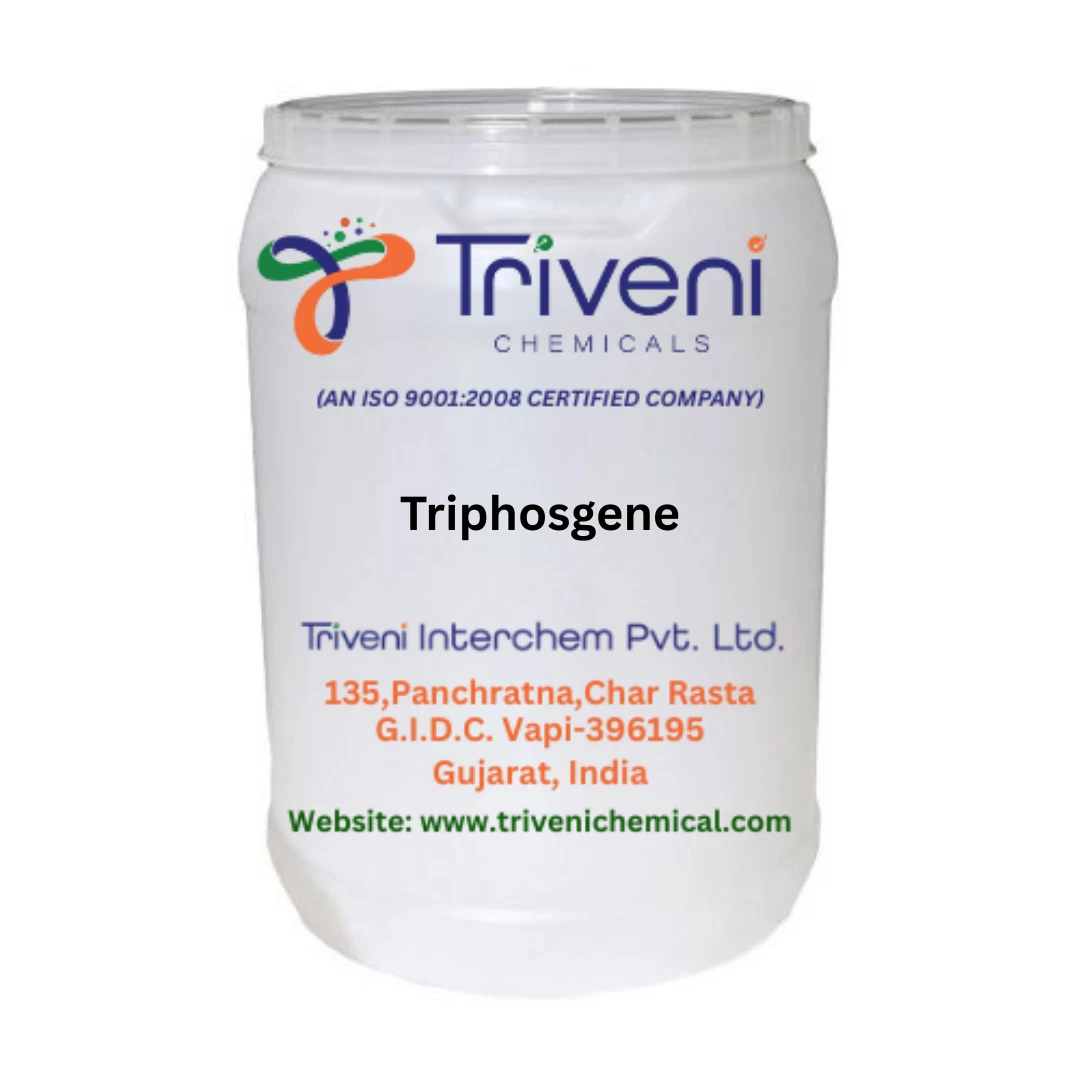
Triphosgene | 11109133
Cas No :
11109133
Synonyms :
Form :
Solid
Molecular Weight :
296.66 G/mol
Molecular Formula :
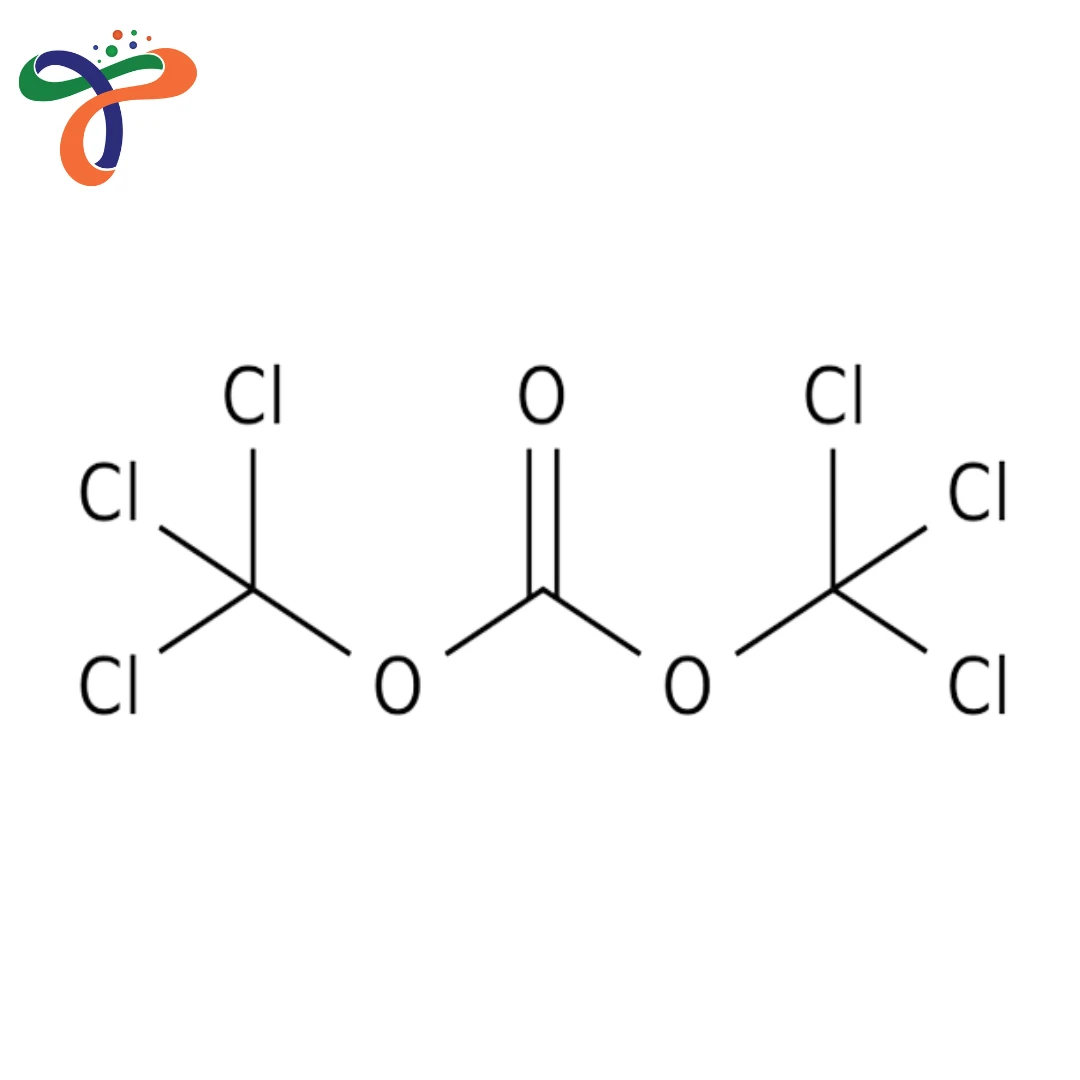
C3CL6O3
Boiling Point :
164 °c
Melting Point :
75 °c
Flash Point :
170 °c
Solubility :
Slightly Soluble In Water; Soluble In Acetone, Dichloromethane, Chloroform
Description :
Triphosgene Supplier & Manufacturer In India
ChemicalBull is a trusted Triphosgene supplier, manufacturer, distributor, wholesaler, and exporter in India. ChemicalBull supplies Triphosgene CAS 32315-10-9 in bulk for pharmaceutical intermediate manufacturers, fine chemical producers, organic synthesis companies, specialty chemical manufacturers, research organizations, distributors, wholesalers, procurement teams, and global export buyers.
Triphosgene, also known as Bis(trichloromethyl) Carbonate, is a solid phosgene substitute used in organic synthesis, pharmaceutical intermediate manufacturing, chloroformylation, carbonylation, chlorination, dehydration reactions, and specialty chemical production.
Request Bulk Triphosgene Price, MSDS, TDS, COA, product specification, and export documentation from ChemicalBull today.
Overview of Triphosgene
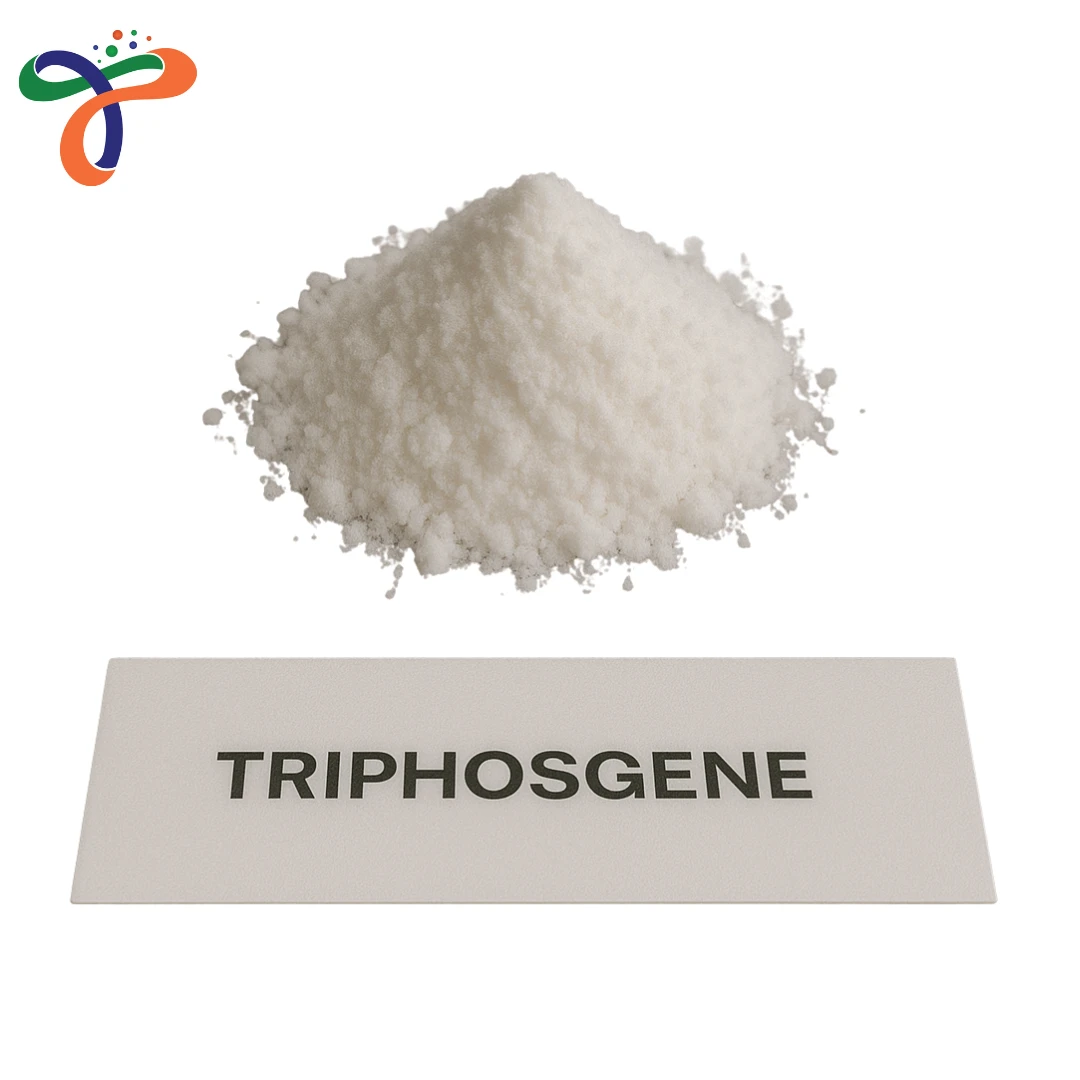
Triphosgene, or Bis(trichloromethyl) carbonate (BTC), is a white crystalline solid that acts as a stable and efficient "phosgene equivalent." As a premier Pharmaceutical Intermediate Supplier, Chemical Bull provides high-purity Triphosgene, allowing chemists to perform complex carbonylation and chlorination reactions without the extreme hazards associated with gaseous phosgene.
Triphosgene is commonly used by pharmaceutical, fine chemical, and specialty chemical manufacturers. It is selected for synthesis applications where phosgene-type reactivity is required under controlled industrial or laboratory conditions.
ChemicalBull supplies Triphosgene for bulk commercial and export requirements with support for product availability, documentation, packaging, pricing, and procurement.
Applications of Triphosgene
Pharmaceutical Intermediate Manufacturing
Triphosgene is used in pharmaceutical intermediate manufacturing where carbonylation, chloroformylation, and controlled phosgene-equivalent chemistry are required. It supports synthesis routes for APIs, intermediates, and advanced organic compounds.
Organic Synthesis
Triphosgene is used as a reagent in organic synthesis. It is commonly applied in chloroformylation, carbonylation, chlorination, dehydration, and coupling-type reactions. Sigma-Aldrich describes Triphosgene as useful in chloroformylations, carbonylations, chlorinations, and dehydration reactions.
Fine Chemical Production
Triphosgene is used by fine chemical manufacturers for specialty synthesis, carbonyl compound formation, and high-value intermediate production.
Specialty Chemical Manufacturing
Triphosgene supports production of specialty chemicals where controlled phosgene-like reactivity is needed. It is used by manufacturers working with advanced chemical building blocks and performance intermediates.
Research & Process Development
Triphosgene is used in R&D and process development environments for reaction optimization, route development, and controlled synthesis studies.
Safety, Handling & Professional Storage
Due to its potential to release toxic gases, strict compliance is mandatory:
Handling: Triphosgene is toxic if inhaled or swallowed. It must be handled inside a high-efficiency fume hood using standard PPE (Personal Protective Equipment), including chemical-resistant gloves and full-face shields.
Storage: Store in a cool, dry, and well-ventilated area in a tightly sealed container. It is moisture-sensitive; exposure to humidity can cause it to decompose and release hazardous fumes.
Regulatory Compliance: Our Triphosgene is supplied with a comprehensive COA and MSDS, ensuring it meets the technical and safety standards of global R&D labs.
Why Buy Triphosgene from Chemical Bull?
Buy Triphosgene in bulk from ChemicalBull for pharmaceutical intermediate manufacturing, organic synthesis, fine chemical production, chloroformylation, carbonylation, specialty chemical manufacturing, and process development.
Triphosgene Manufacturer
Chemical Bull offers the technical purity and safety documentation required for high-risk reagents.
99% Minimum Assay: We guarantee a high-purity crystalline form to ensure predictable reaction kinetics in your synthesis.
Secure Logistics: Specialized packaging designed to prevent moisture ingress and ensure safe domestic and international transport.
Expert Support: We provide the necessary technical data sheets to help your safety officers integrate this reagent into your workflow.
Triphosgene Supplier & Distributor
As a trusted provider in the Pharmaceutical Intermediates sector, we offer bulk quantities with assured quality and competitive wholesale pricing. We also maintain a robust inventory of related synthesis tools like Propylene Glycol and specialized catalysts.
MSDS for Triphosgene
The MSDS for Triphosgene provides critical information regarding chemical stability, toxicological data, and emergency spill procedures. Given the hazardous nature of its decomposition products, referring to the MSDS is a prerequisite for any laboratory use. Buyers should review the latest Triphosgene MSDS before industrial handling, formulation, synthesis, transportation, or export use.
Source Triphosgene For Pharmaceutical & Specialty Chemical Manufacturing
Need Triphosgene for pharmaceutical intermediates, organic synthesis, fine chemicals, carbonylation, chloroformylation, or specialty chemical production?
ChemicalBull supports bulk Triphosgene sourcing for manufacturers, formulators, distributors, wholesalers, exporters, procurement teams, and global chemical buyers.
Share your Triphosgene requirement to get bulk price support, MSDS, COA, product specification, packaging options, wholesale supply assistance, and export documentation support from ChemicalBull.
Send your Triphosgene enquiry today and source reliable bulk supply for your next pharmaceutical.
Frequently Asked Questions (FAQs)
Who is a reliable Triphosgene supplier in India?
ChemicalBull is a trusted Triphosgene supplier in India, serving pharmaceutical intermediate manufacturers, fine chemical producers, specialty chemical companies, distributors, exporters, and procurement teams.What is the CAS Number of Triphosgene?
The CAS Number of Triphosgene is 32315-10-9.
Is Triphosgene used in pharmaceutical manufacturing?
Yes. Triphosgene is used in pharmaceutical intermediate manufacturing and organic synthesis where controlled phosgene-equivalent chemistry is required.Does ChemicalBull provide Triphosgene MSDS?
Yes. ChemicalBull can support buyers with Triphosgene MSDS, TDS, COA, product specification, packaging details, and handling information based on buyer requirements.How can I get Triphosgene price?
Share your required quantity, packaging size, delivery location, grade requirement, and documentation needs with ChemicalBull to receive a bulk Triphosgene quotation.
ChemicalBull supplies Triphosgene across India, serving customers in Andhra Pradesh, Arunachal Pradesh, Assam, Bihar, Chhattisgarh, Goa, Gujarat, Haryana, Himachal Pradesh, Jharkhand, Karnataka, Kerala, Madhya Pradesh, Maharashtra, Manipur, Meghalaya, Mizoram, Nagaland, Odisha, Punjab, Rajasthan, Sikkim, Tamil Nadu, Telangana, Tripura, Uttar Pradesh, Uttarakhand, and West Bengal, as well as the Union Territories of Andaman & Nicobar Islands, Chandigarh, Dadra & Nagar Haveli and Daman & Diu, Delhi, Jammu & Kashmir, Ladakh, Lakshadweep, and Puducherry. We serve pharmaceutical, chemical, research, academic, laboratory, manufacturing, and industrial customers with reliable nationwide delivery.