Triacontanol | 593-50-0
Cas No :
593-50-0
Synonyms :
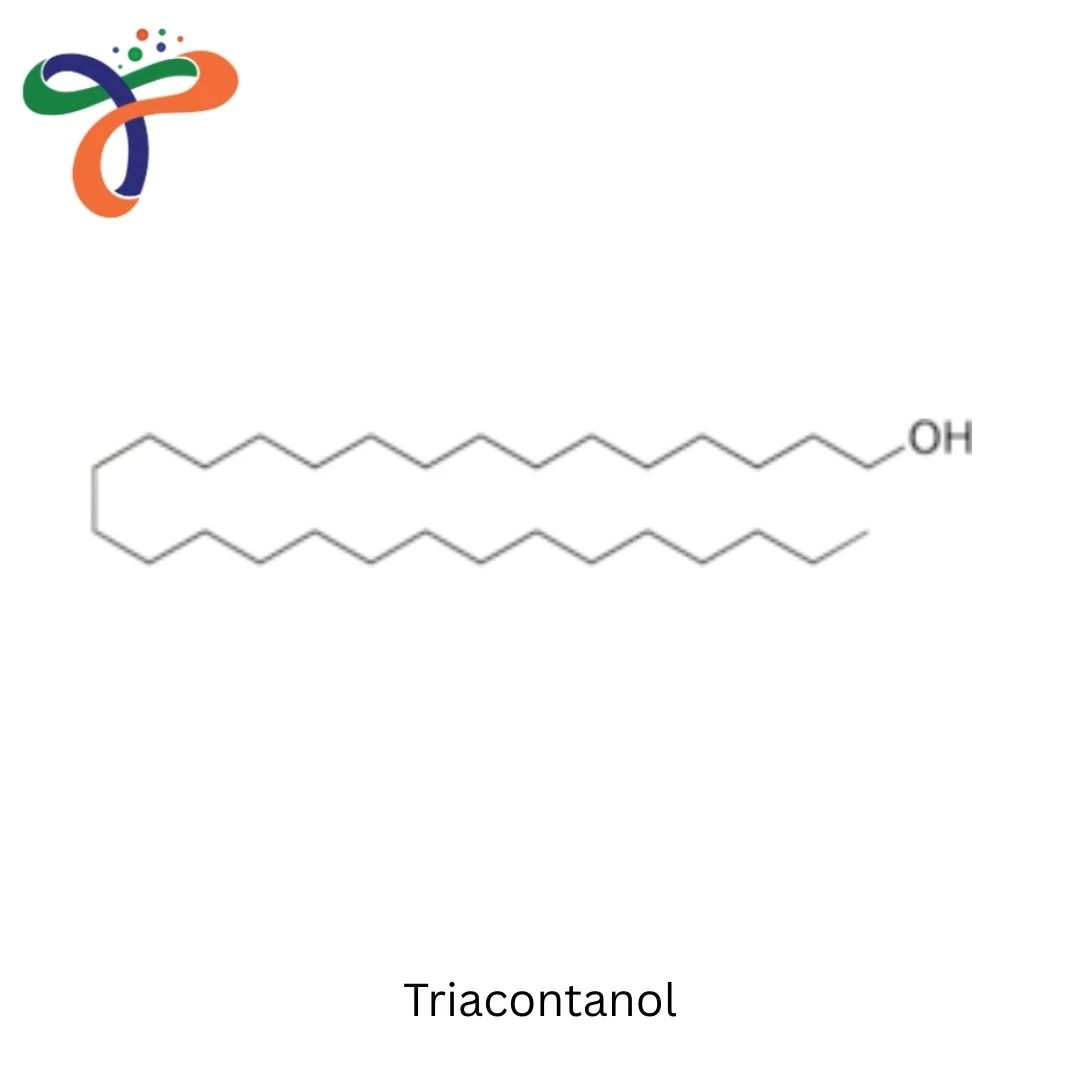
Molecular Formula :
C30H62O
Description :
Overview of Triacontanol
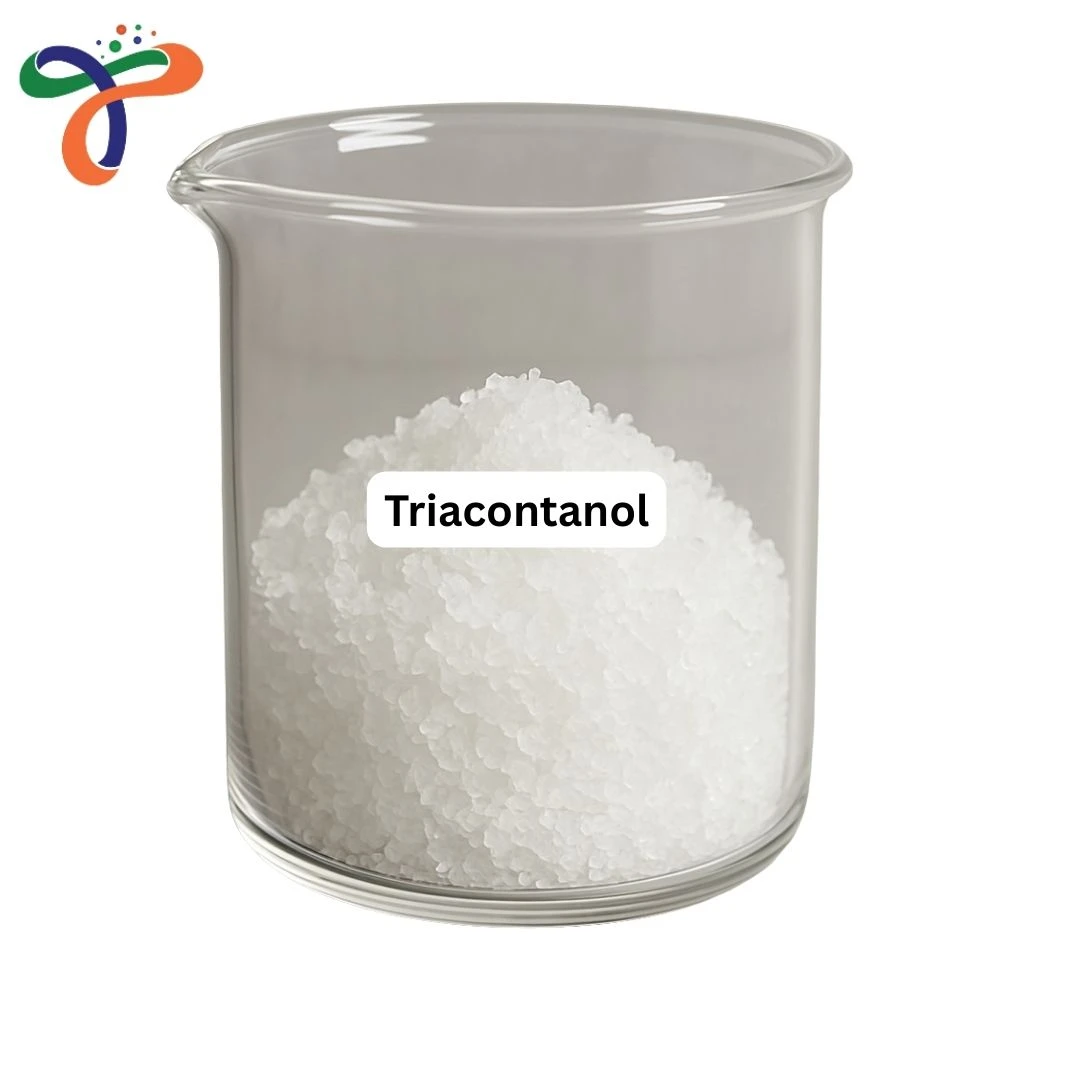
Triacontanol (CAS 593-50-0) is a natural plant growth regulator pulled from waxes in alfalfa leaves and beeswax, helping crops grow stronger by ramping up photosynthesis, root growth, and nutrient absorption for bigger yields. This eco-friendly fatty alcohol kicks in fast to spark enzyme action and build stress tolerance, with no harmful leftovers—perfect for modern farming in the agriculture industry paired with everyday agrochemicals. Growers turn to it as a triacontanol fertilizer to push grain and fruit production up by 15-50%, keeping fields thriving season after season.
Applications of Triacontanol
Cereal Crops (Rice, Wheat, Maize):
Spray it on as a triacontanol plant growth regulator at 0.1% strength (100-200 ml per acre) during tillering or booting, and you'll see grain yields jump 20-30% thanks to thicker dry matter buildup, richer chlorophyll levels, and smarter water use. It keeps wheat from toppling over and helps rice push out fuller panicles, working hand-in-hand with Nicotine for smarter pest control in the mix.
Horticultural Crops (Tomatoes, Grapes, Chilies):
Hit it at flowering or fruit set with 1-5 ppm doses to bulk up fruit size, deepen colors, sweeten the taste, and stretch shelf life while cutting flower drop and splits—often delivering 25-40% more harvest. It shines alongside Nectaryl to amp up those natural fruit scents, too.
Oilseeds and Pulses (Soybean, Cotton):
Under tough drought or heat, it lifts pod fill, stretches fiber length, and packs in more oil by 15-25%, especially at veggie or bloom stages to sharpen the harvest edge. Team it with Acetoin for even better nutrient flow through the plant.
Turf and Pastures:
Treat seeds or spray at 0.5-1 g/ha to toughen roots, pack in more tillers, speed up turf setup, and fend off dry spells for lusher lawns and better fodder— a natural fit with broader agrochemicals for steady pasture gains.
Safety & Handling Guidelines
-
Store Triacontanol in cool, dry spots with tight-sealed containers to hold its form steady (melts at 86-87°C).
-
Grab gloves, masks, and goggles to dodge dust when mixing or pouring.
-
It's non-toxic, won't catch fire, and plays safe on farms if you stick to the label.
-
Sweep up spills quickly and keep them out of streams during the plant growth regulators work.
Where to Buy Triacontanol?
Triacontanol Manufacturer
As a top chemical manufacturer, we craft pure Triacontanol for PGR blends in farming, locking in top quality to lift your crops every time.
Triacontanol Supplier & Distributor
Count on us as your go-to chemical supplier, trusted supplier and distributor, and bulk source for triacontanol plant growth regulator with tailored packs for local or worldwide needs. Check our products for full details and quick shipping.
MSDS for Triacontanol
The Material Safety Data Sheet spells out its gentle profile: just mild eye sting, nothing serious for skin or swallowing, and zero long-term worries. Ventilate well, flush any splashes with water, and tuck it away from oxidizers for smooth handling in industrial chemicals.
Frequently Asked Questions (FAQs)
-
How does triacontanol affect crop yield?
It fires up photosynthesis and nutrient pull, lifting rice by 20-30% and wheat by 15-20%. -
Is triacontanol a PGR?
Yes, a straight-up natural one that sparks cell growth and toughens plants against stress. -
What plants contain triacontanol?
Alfalfa leaves (3-4% wax), sugarcane, and beeswax are primary natural sources. -
Where to buy Triacontanol?
Right from solid chemical suppliers like Chemical Bull for your bulk farm orders. -
What is triacontanol dosage?
Go with 100 ml/acre of 0.1% EW, sprayed on leaves at 25-65 days for rice, cotton, or veggies.
ChemicalBull supplies Triacontanol across India, serving customers in Andhra Pradesh, Arunachal Pradesh, Assam, Bihar, Chhattisgarh, Goa, Gujarat, Haryana, Himachal Pradesh, Jharkhand, Karnataka, Kerala, Madhya Pradesh, Maharashtra, Manipur, Meghalaya, Mizoram, Nagaland, Odisha, Punjab, Rajasthan, Sikkim, Tamil Nadu, Telangana, Tripura, Uttar Pradesh, Uttarakhand, and West Bengal, as well as the Union Territories of Andaman & Nicobar Islands, Chandigarh, Dadra & Nagar Haveli and Daman & Diu, Delhi, Jammu & Kashmir, Ladakh, Lakshadweep, and Puducherry. We serve pharmaceutical, chemical, research, academic, laboratory, manufacturing, and industrial customers with reliable nationwide delivery.