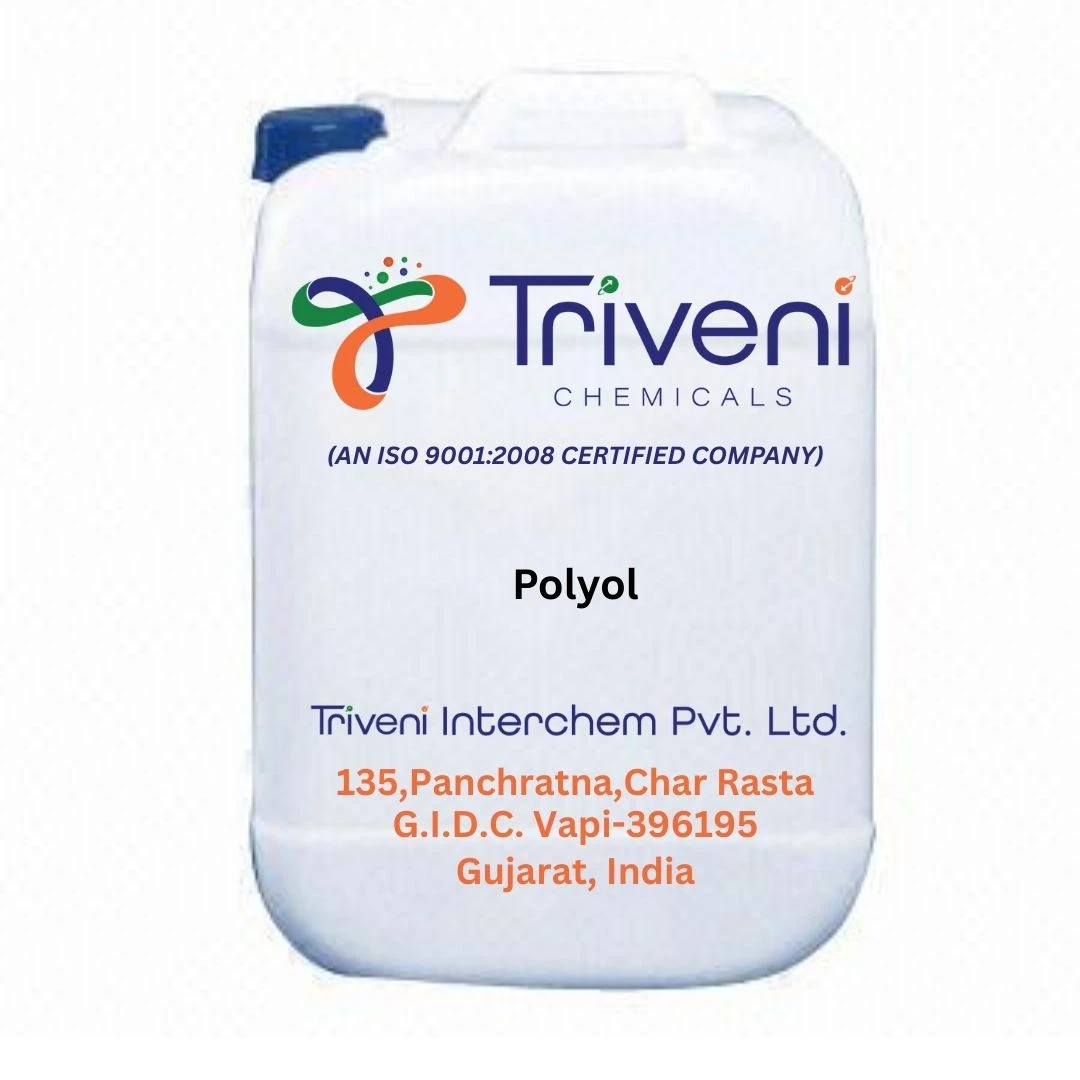
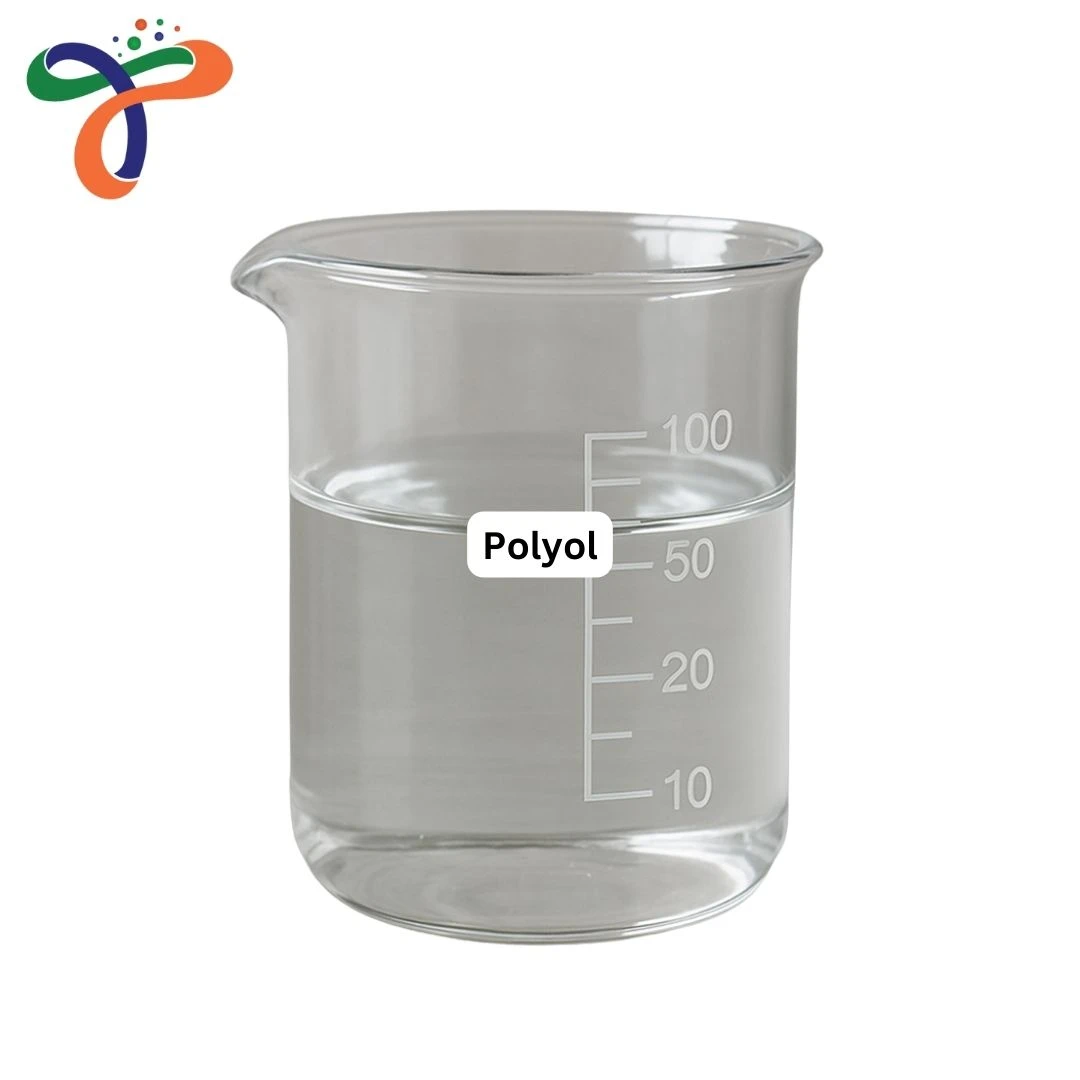
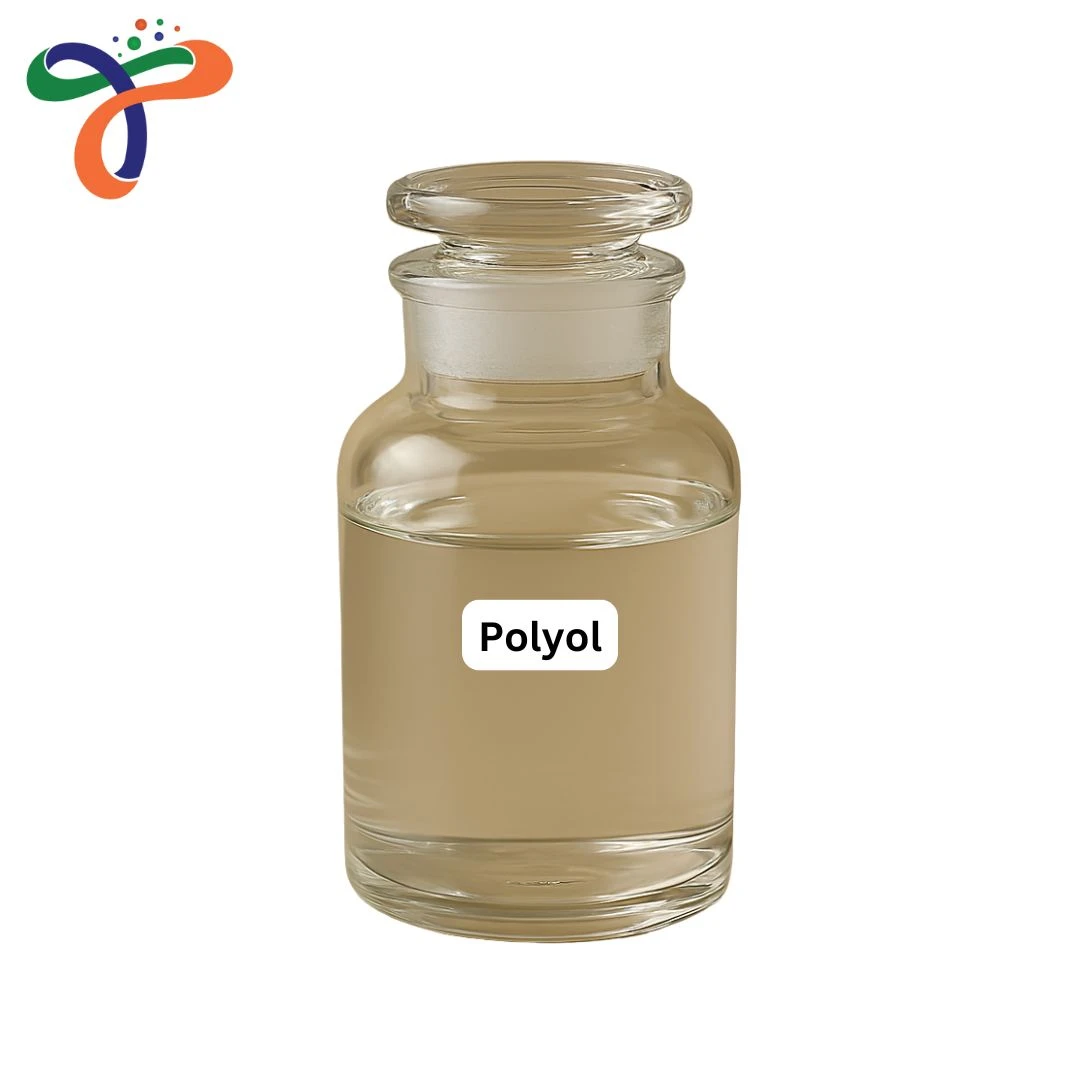
Polyol
Form :
Liquid
Molecular Weight :
62.07 G/mol
Boiling Point :
197.3 °c
Melting Point :
-12.9 °c
Flash Point :
111 °c
Solubility :
Miscible With Water
Description :
Polyol Suppliers & Manufacturers in India
Polyol is an incredibly versatile polyhydric alcohol that is widely utilized for the manufacture of polyurethane-based foam and coatings, as well as adhesives, glues, and Elastomers. It's admired for its exceptional reactivity with isocyanates, its flexibility and toughness, which make it ideal to be used in commercial and industrial projects.
The chemical formula for Polyol will vary based upon the particular type; however, it is generally composed of several hydroxyl (-OH) functional groups. Its structure is based on carbon-based backbones with numerous hydroxyl groups that provide superior cross-linking ability and Reactivity. Polyols are often employed as key ingredients for polymer synthesis as well as formulation design.
Applications of Polyol
Polyurethane Foam Production
- Functions as the primary part of rigid and flexible polyurethane foams
- Utilized for mattresses, furniture seats for cars, furniture, and insulation material
- Increases durability, comfort, and thermal properties of insulation
Coatings & Adhesives
- acts as an agent for film-forming and a binder for industrial coatings
- Utilized in sealants, adhesives, and construction materials
- Improves the adhesion, flexibility, and weather resistance
Elastomers & Plastics
- functions as a construction block for thermoplastics and thermoset elastomers.
- is used in automobile parts, footwear, and industrial equipment
- supports high-performance polymer manufacturing as well as specialty applications.
Specialty Industrial Applications
- Used in synthetic lubricants and surfactants, and in textile treatment S
- It can be used in conjunction with Ferric Nitrate, Ferric Sulfate, and various industrial chemicals to make specialized formulas.
- It is used in the formulation of paints, as well as composite materials and resin systems.
Safety & Handling Guidelines
- Use gloves that are chemical-resistant or goggles, and wear safety clothes
- Do not inhale vapors, as well as prolonged skin contact
- Utilize in areas that are well ventilated or with fume hoods
- Keep in sealed containers, in an area that is cool and dry
- Avoid powerful oxidizers and sources of heat
- Use MSDS and safety guidelines for industrial use strictly.
Why Choose ChemicalBull as a Polyol Supplier?
Polyol Manufacturer
ChemicalBull supplies high-quality Polyol suitable for polyurethane foam production, coatings, adhesives, and elastomer manufacturing applications.
Polyol Supplier & Distributor
- Bulk and customised packaging options available
- Export-grade material with COA, TDS & MSDS
- Reliable supply for manufacturers, formulators, and research institutions
- Explore related products: Ferric Nitrate, Ferric Sulfate, Formamide
Polyol MSDS
The Material Safety Data Sheet (MSDS) includes detailed information regarding safety precautions, hazards, storage conditions, as well as exposure limits and emergency procedures. Always read the MSDS prior to using Polyol in laboratory or industrial applications.
Frequently Asked Questions (FAQs)
-
What can Polyol be used for?
It's used for the manufacture of polyurethane foams as well as coatings, adhesives, specialty chemicals, and elastomers. -
What is the Polyol formulation?
Chemical formula is different in accordance with the type; however, it does contain numerous hydroxyl (-OH) functional groupings that are attached to the carbon backbone. -
Is Polyol safe to handle?
Yes, when handled with proper personal protective equipment and in accordance with MSDS and industrial safety guidelines.
ChemicalBull supplies Polyol across India, serving customers in Andhra Pradesh, Arunachal Pradesh, Assam, Bihar, Chhattisgarh, Goa, Gujarat, Haryana, Himachal Pradesh, Jharkhand, Karnataka, Kerala, Madhya Pradesh, Maharashtra, Manipur, Meghalaya, Mizoram, Nagaland, Odisha, Punjab, Rajasthan, Sikkim, Tamil Nadu, Telangana, Tripura, Uttar Pradesh, Uttarakhand, and West Bengal, as well as the Union Territories of Andaman & Nicobar Islands, Chandigarh, Dadra & Nagar Haveli and Daman & Diu, Delhi, Jammu & Kashmir, Ladakh, Lakshadweep, and Puducherry. We serve pharmaceutical, chemical, research, academic, laboratory, manufacturing, and industrial customers with reliable nationwide delivery.