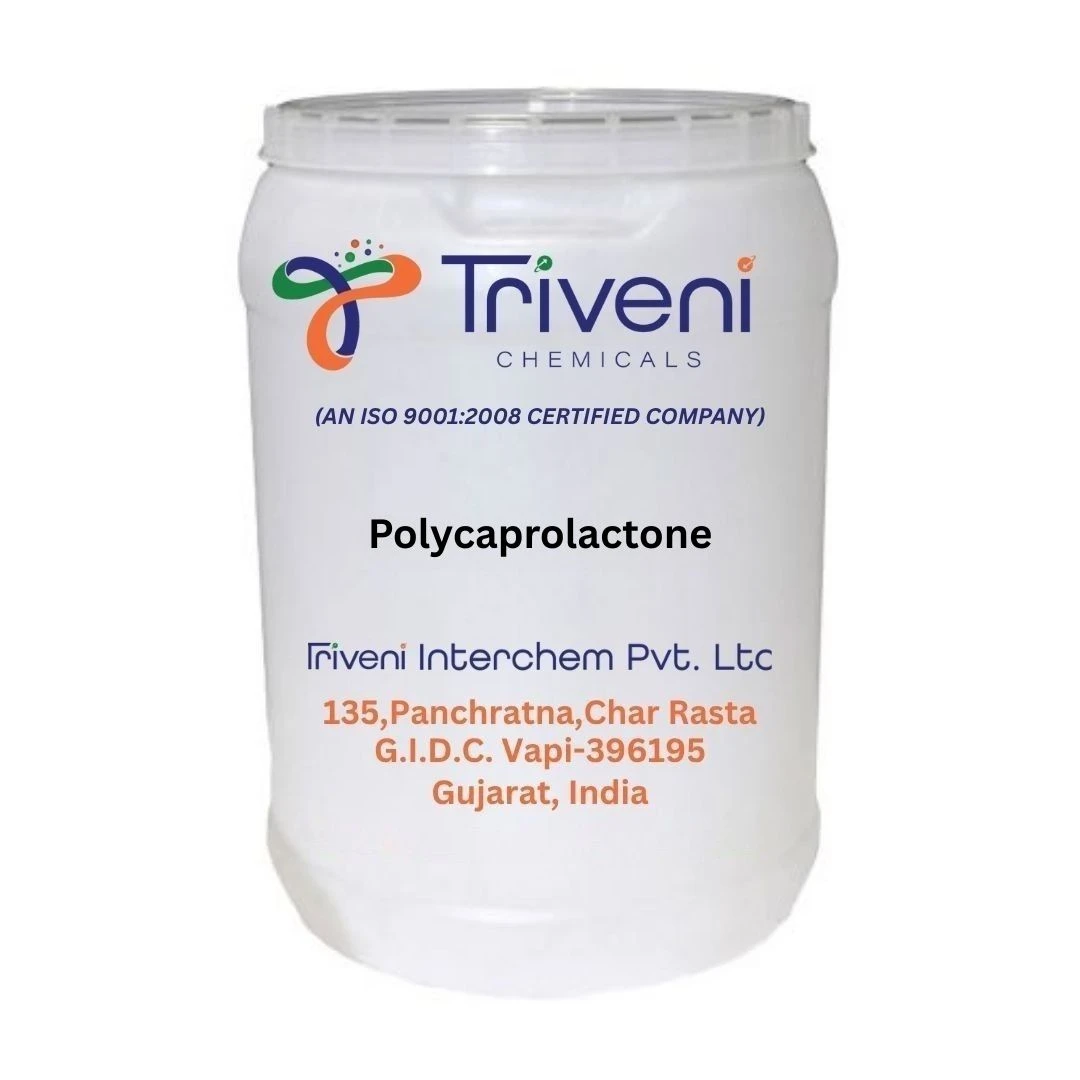
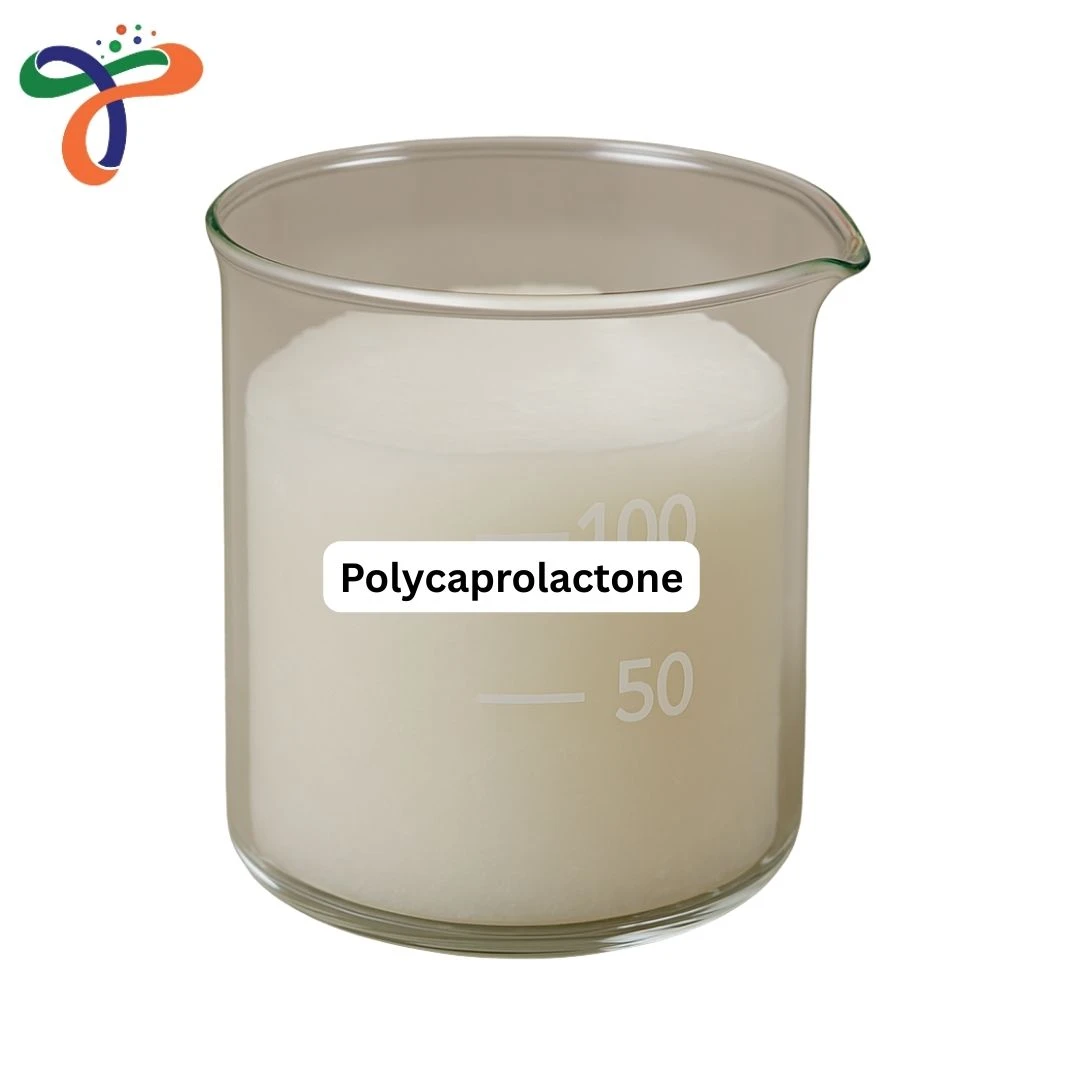
Polycaprolactone | 24980-41-4
Cas No :
24980-41-4
Form :
Solid
Molecular Weight :
50000 G/mol
Molecular Formula :
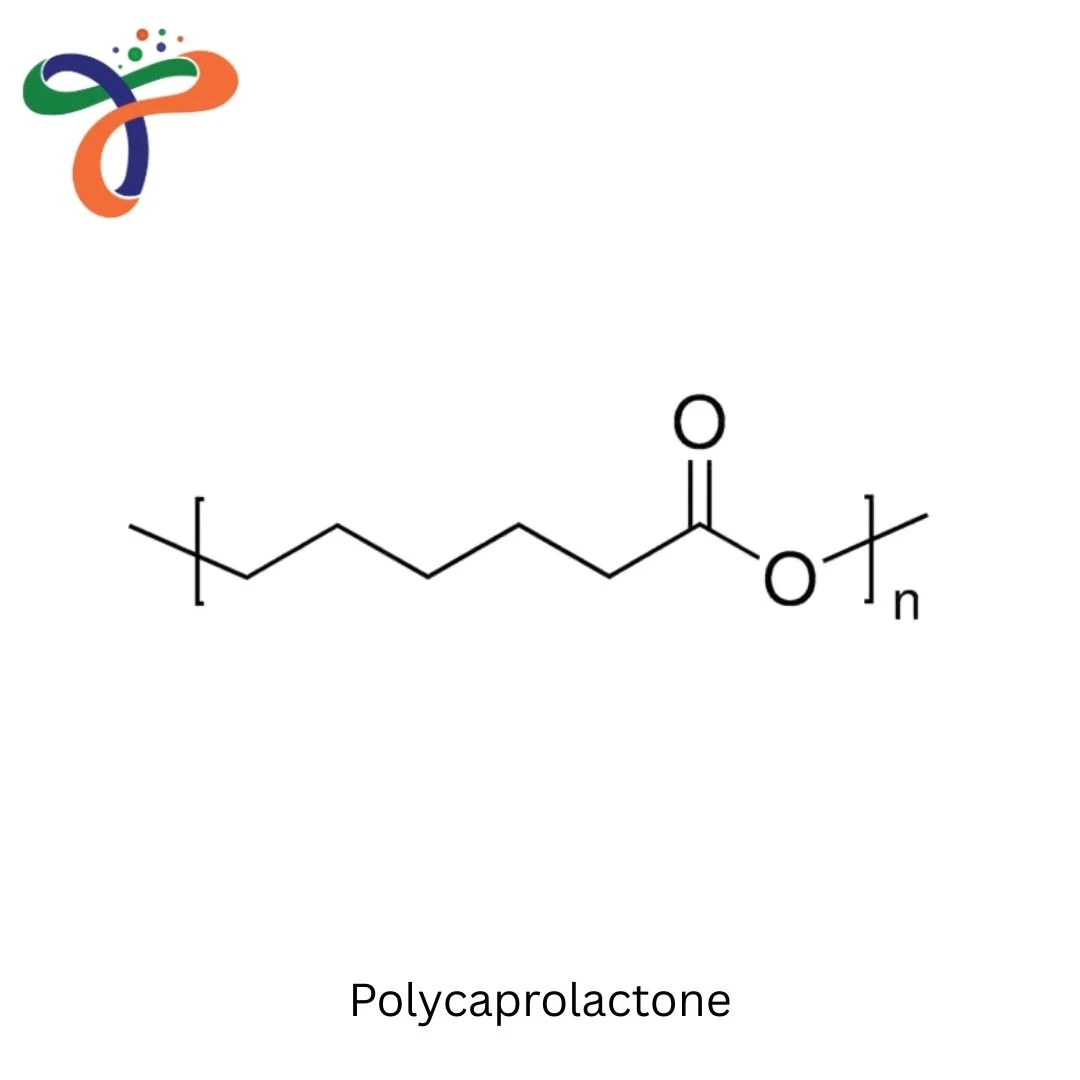
CH3(C6H10O2)NCH3
Boiling Point :
260 °c
Flash Point :
210 °c
Solubility :
Soluble In Chloroform, Dichloromethane, Thf, And Chlorobenzene; Insoluble In Water
Description :
Overview of Polycaprolactone
Polycaprolactone (PCL) is a biodegradable aliphatic polyester widely used as a specialty polymer, plastic modifier, and biodegradable resin. It is known for its low melting point, excellent flexibility, compatibility with other polymers, and controlled biodegradability.
Polycaprolactone is created through the ring-opening polymerization process of caprolactone monomer. This results in an elongated polyester structure that has high thermal stability and processing capability. Because of its unique combination of biodegradability and mechanical performance, PCL is used in both advanced and industrial applications.
Due to its versatility, Polycaprolactone is commonly used in biodegradable plastics, polymer blends, coatings, adhesives, and specialty industrial formulations.
Application of Polycaprolactone
Biodegradable Plastics & Polymer Blends
Polycaprolactone is widely utilized for Biodegradable formulations of plastic to enhance the toughness, flexibility and processing characteristics. It is frequently mixed with other biodegradable plastics to improve mechanical performance and reduce the degradation rate. In such systems, it is frequently evaluated alongside Polylactic Acid to balance rigidity and flexibility.
These applications are closely associated with polymers, where sustainability and performance must coexist.
Modifier for Specialty Polymers
For polymer modifications, Polycaprolactone works as a flexible and compatibilizer that improves impact resistance and the length of stiff polymer structures. It may also be compared with biodegradable alternatives such as Polybutylene Succinate depending on the required flexibility and biodegradation profile.
Coatings, Adhesives & Sealants
Polycaprolactone can be found in formulations for adhesives and coatings to improve adhesion, flexibility and chemical resistance. Its low melting point allows for the ease of processing and smooth film creation. These uses align closely with requirements in coatings and plastics, where controlled flexibility and durability are essential.
Specialty Industrial & Polymer Systems
In specialty industrial formulations, Polycaprolactone is used as a carrier resin or performance modifier. It may be processed alongside intermediates such as Caprolactam in advanced polymer development and research-based applications.
Safety and Handling Guidelines
-
Keep it in a cool, dry, and well-ventilated location
-
Seal containers tightly to stop contamination
-
Avoid contact with hot material
-
Wear protective gloves and appropriate workwear while the process
-
Follow standard polymer handling and storage practices
-
Dispose of packaging according to local regulations
Where to Buy Polycaprolactone?
Polycaprolactone Manufacturer
Polycaprolactone is manufactured under controlled industrial conditions to meet quality standards required for biodegradable plastics, polymer modifiers, and specialty industrial applications.
Polycaprolactone Supplier & Distributor
Polycaprolactone is supplied and distributed in industrial-grade quantities for polymer manufacturers, compounders, coating formulators, and specialty material producers. It is available for domestic and international markets with reliable logistics and supply support.
MSDS for Polycaprolactone
The Material Safety Data Sheet (MSDS) for Polycaprolactone includes detailed information on safe handling exposure control, storage conditions and emergency response procedures. The user should read the MSDS prior to processing or using.
Frequently Asked Questions (FAQs)
-
What is Polycaprolactone?
Polycaprolactone is a biodegradable polyester used as a specialty plastic, polymer modifier, and performance resin. -
What is the structure of Polycaprolactone?
Polycaprolactone has a linear aliphatic polyester structure formed from caprolactone monomer units. -
Is Polycaprolactone biodegradable?
Yes, Polycaprolactone is biodegradable and breaks down slowly under suitable environmental conditions. -
What is Polycaprolactone used for?
It is used in biodegradable plastics, polymer blends, coatings, adhesives, sealants, and specialty industrial applications. -
Where to buy Polycaprolactone?
Polycaprolactone can be sourced from Chemicalbull, a reliable supplier and distributor offering consistent quality and dependable supply support for industrial applications.
ChemicalBull supplies Polycaprolactone across India, serving customers in Andhra Pradesh, Arunachal Pradesh, Assam, Bihar, Chhattisgarh, Goa, Gujarat, Haryana, Himachal Pradesh, Jharkhand, Karnataka, Kerala, Madhya Pradesh, Maharashtra, Manipur, Meghalaya, Mizoram, Nagaland, Odisha, Punjab, Rajasthan, Sikkim, Tamil Nadu, Telangana, Tripura, Uttar Pradesh, Uttarakhand, and West Bengal, as well as the Union Territories of Andaman & Nicobar Islands, Chandigarh, Dadra & Nagar Haveli and Daman & Diu, Delhi, Jammu & Kashmir, Ladakh, Lakshadweep, and Puducherry. We serve pharmaceutical, chemical, research, academic, laboratory, manufacturing, and industrial customers with reliable nationwide delivery.