Polybutene 1300
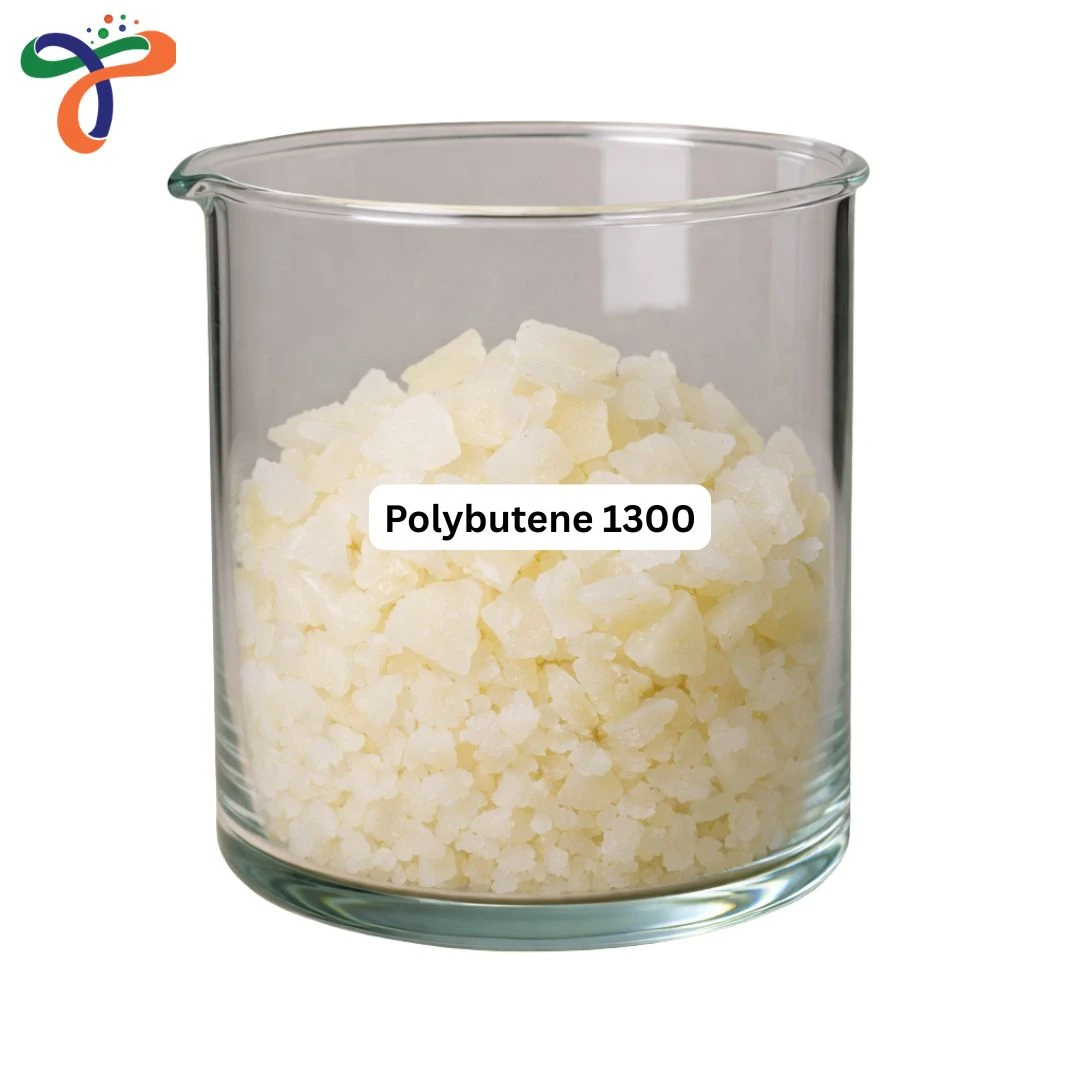
Form :
Solid
Molecular Weight :
1300 G/mol
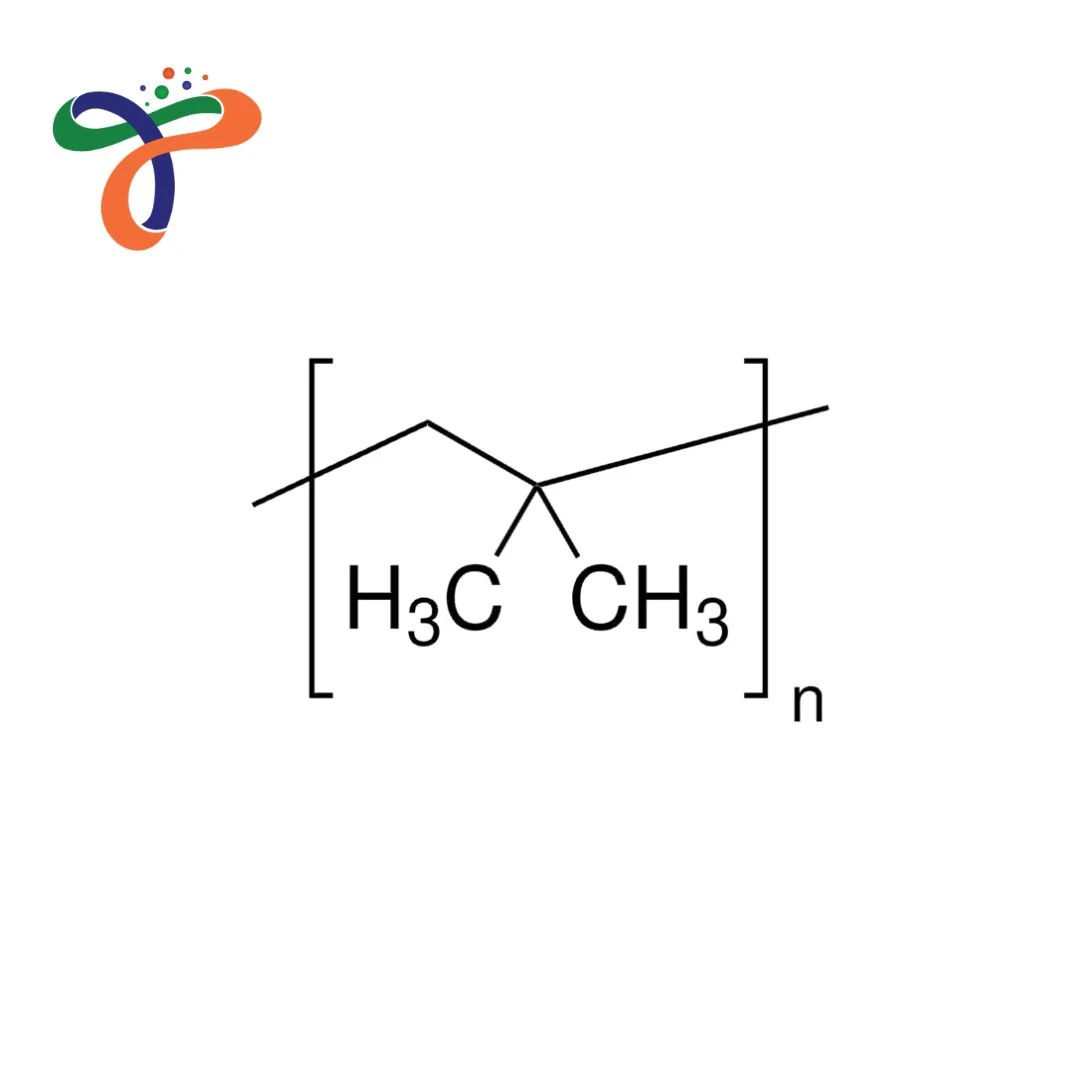
Molecular Formula :
(C4H8)X
Boiling Point :
260 °c
Melting Point :
60 °c
Flash Point :
110 °c
Solubility :
Soluble In Hydrocarbon Solvents; Insoluble In Water
Description :
Overview of Polybutene 1300
Polybutene 1300 is a very high molecular weight polymer, derived from isobutylene. It is widely utilized for the Plastic & Rubber Chemicals industry to enhance performance, as well as a tackifier and viscosity modulator. It's a transparent to translucent yellow viscous fluid that is renowned for its exceptional thermal durability, water resistance, and adhesion properties.
Polybutene 1300 is employed in sealants, adhesives, fluids, and lubricants, as well as polymer modification techniques, in which it enhances flexibility, tack, and stability over the long term. Because it is non-drying and has a non-volatile character, it is frequently used in formulations that require endurance and consistency.
It is also used in industrial greases, printing inks, cable compounds, and rubber processing, making it a versatile chemical in multiple industrial applications.
Related products available on ChemicalBull include Polybutene 800, Polyisobutylene (PIB), Butene Polymers, and Tackifier Resins – widely used in adhesives, lubricants, coatings, and rubber applications. Explore more on our Home Page, Plastic & Rubber Chemicals Category, and Applications Page for detailed industrial uses.
Applications of Polybutene 1300
Adhesives & Sealants Industry
- Used as a tackifier and adhesive modifier
- Improves stickiness, bonding strength, and flexibility
- Enhances the performance of hot melt and pressure-sensitive adhesives
- Provides long-term stability in sealant formulations
Lubricants & Greases
- Used as a viscosity improver in industrial lubricants
- Enhances lubrication properties and film strength
- Improves water resistance in grease formulations
- Provides long-lasting lubrication performance
Rubber & Polymer Industry
- Acts as a processing aid in rubber compounds
- Improves the elasticity and flexibility of rubber products
- Enhances the performance of synthetic elastomers
- Used in polymer modification systems
Printing Inks & Coatings
- Used in printing ink formulations for improved flow
- Enhances gloss, adhesion, and stability
- Improves consistency in coating systems
- Used in specialty ink and coating applications
Cable & Industrial Applications
- Used in cable filling compounds and insulation systems
- Provides moisture resistance and flexibility
- Improves the durability of industrial materials
- Used in automotive and construction applications
Safety & Handling Guidelines
- Use appropriate PPE such as gloves and safety goggles
- Avoid prolonged skin contact
- Store in a cool, dry, and well-ventilated area
- Keep the container tightly closed when not in use
- Avoid exposure to excessive heat or ignition sources
Polybutene 1300 MSDS
Polybutene 1300 is generally low in toxicity and stable under normal conditions, but may cause mild irritation upon direct contact. Follow standard MSDS safety guidelines during handling and storage.
Where to Buy Polybutene 1300?
Polybutene 1300 Manufacturer
ChemicalBull supplies high-quality Polybutene 1300 suitable for adhesives, sealants, lubricants, rubber processing, and industrial applications.
Polybutene 1300 Supplier & Distributor
- Available in bulk industrial packaging
- Suitable for adhesives, lubricants, inks, and polymer industries
- COA, MSDS, and technical specifications available
Frequently Asked Questions (FAQs)
-
What is Polybutene 1300 used for?
Polybutene 1300 is used in adhesives, sealants, lubricants, rubber processing, and printing inks. -
What are the properties of Polybutene 1300?
It offers high viscosity, excellent stability, water resistance, and strong tack properties. -
Is Polybutene 1300 safe?
Yes, it is low in toxicity, but it should be handled with basic industrial safety precautions.
ChemicalBull supplies Polybutene 1300 across India, serving customers in Andhra Pradesh, Arunachal Pradesh, Assam, Bihar, Chhattisgarh, Goa, Gujarat, Haryana, Himachal Pradesh, Jharkhand, Karnataka, Kerala, Madhya Pradesh, Maharashtra, Manipur, Meghalaya, Mizoram, Nagaland, Odisha, Punjab, Rajasthan, Sikkim, Tamil Nadu, Telangana, Tripura, Uttar Pradesh, Uttarakhand, and West Bengal, as well as the Union Territories of Andaman & Nicobar Islands, Chandigarh, Dadra & Nagar Haveli and Daman & Diu, Delhi, Jammu & Kashmir, Ladakh, Lakshadweep, and Puducherry. We serve pharmaceutical, chemical, research, academic, laboratory, manufacturing, and industrial customers with reliable nationwide delivery.