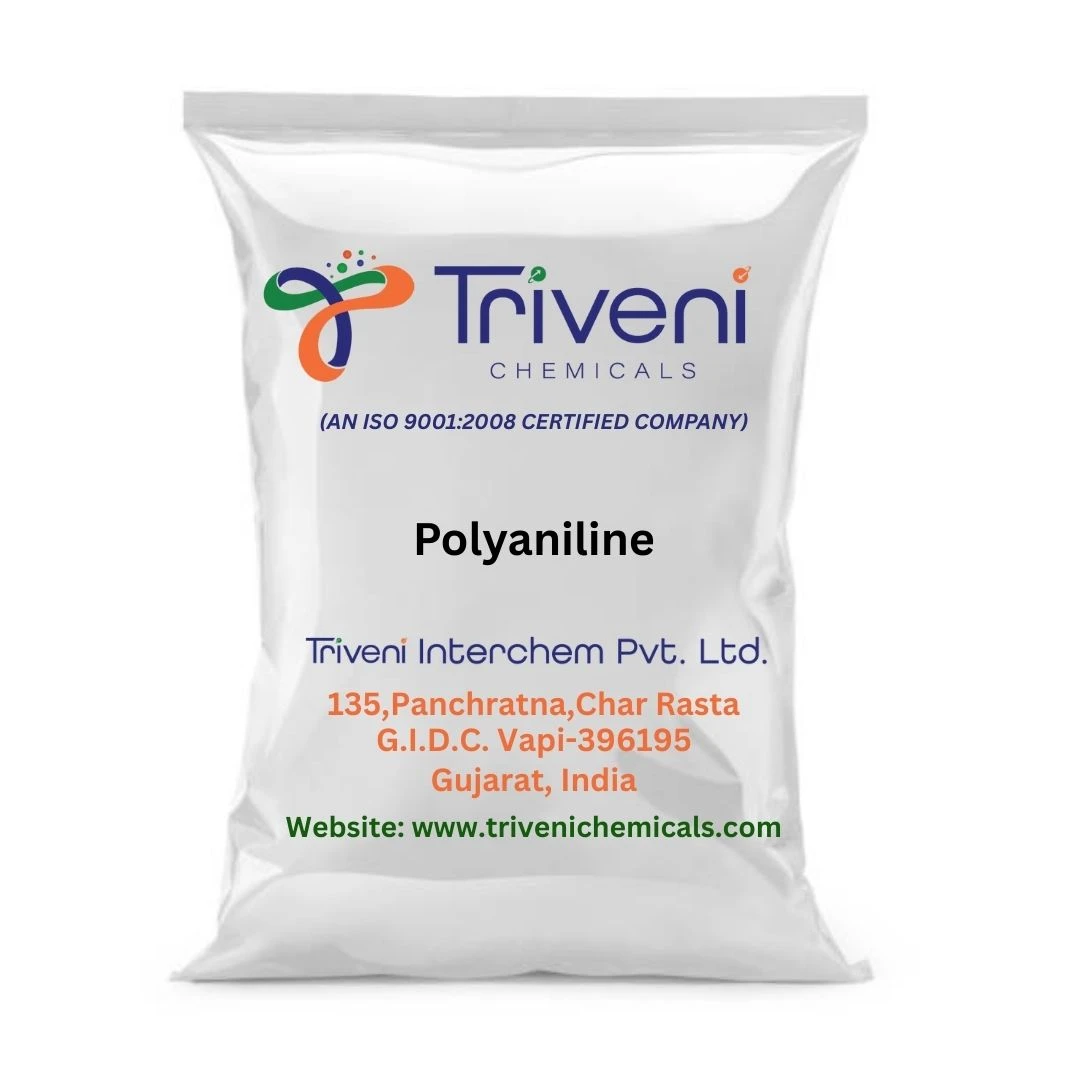
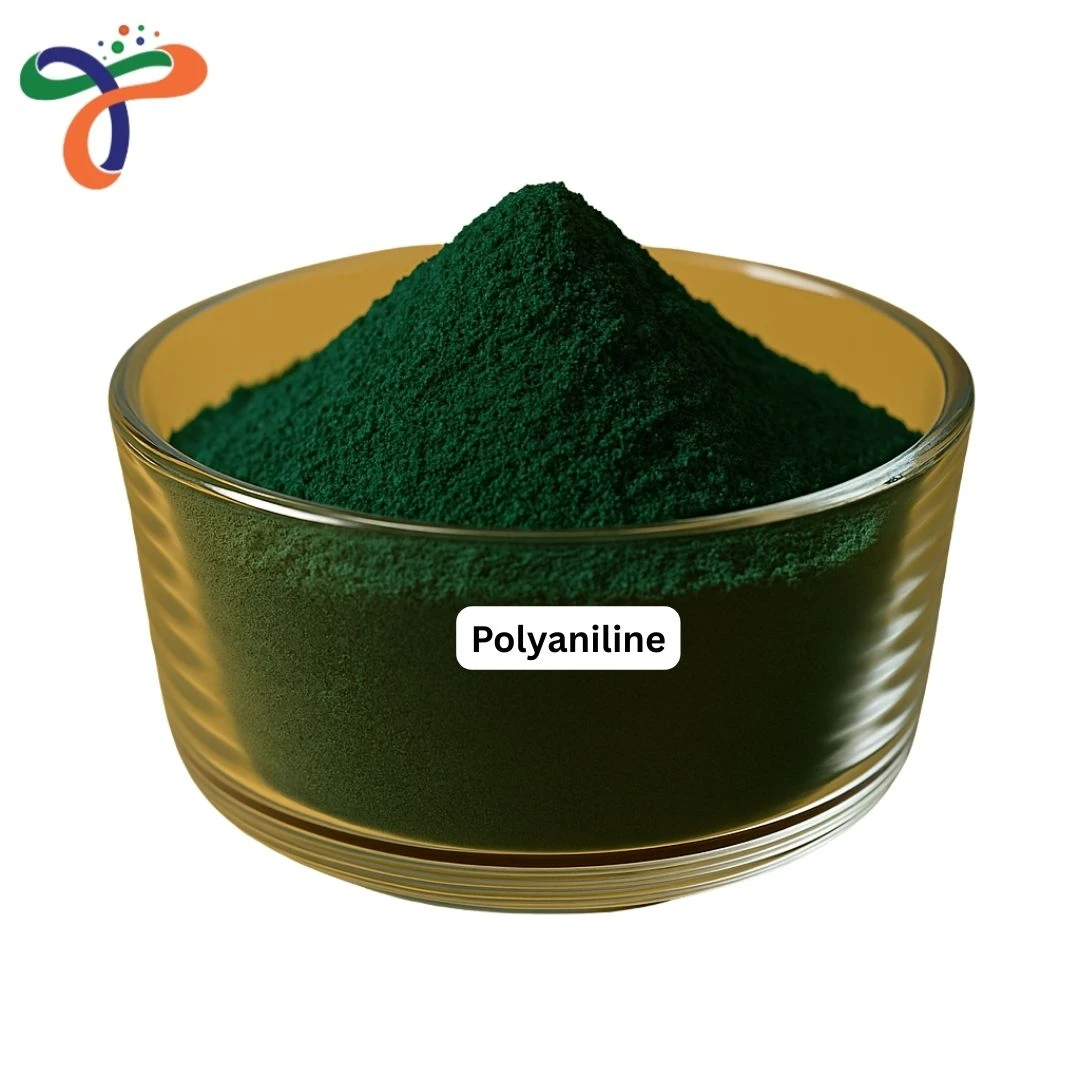
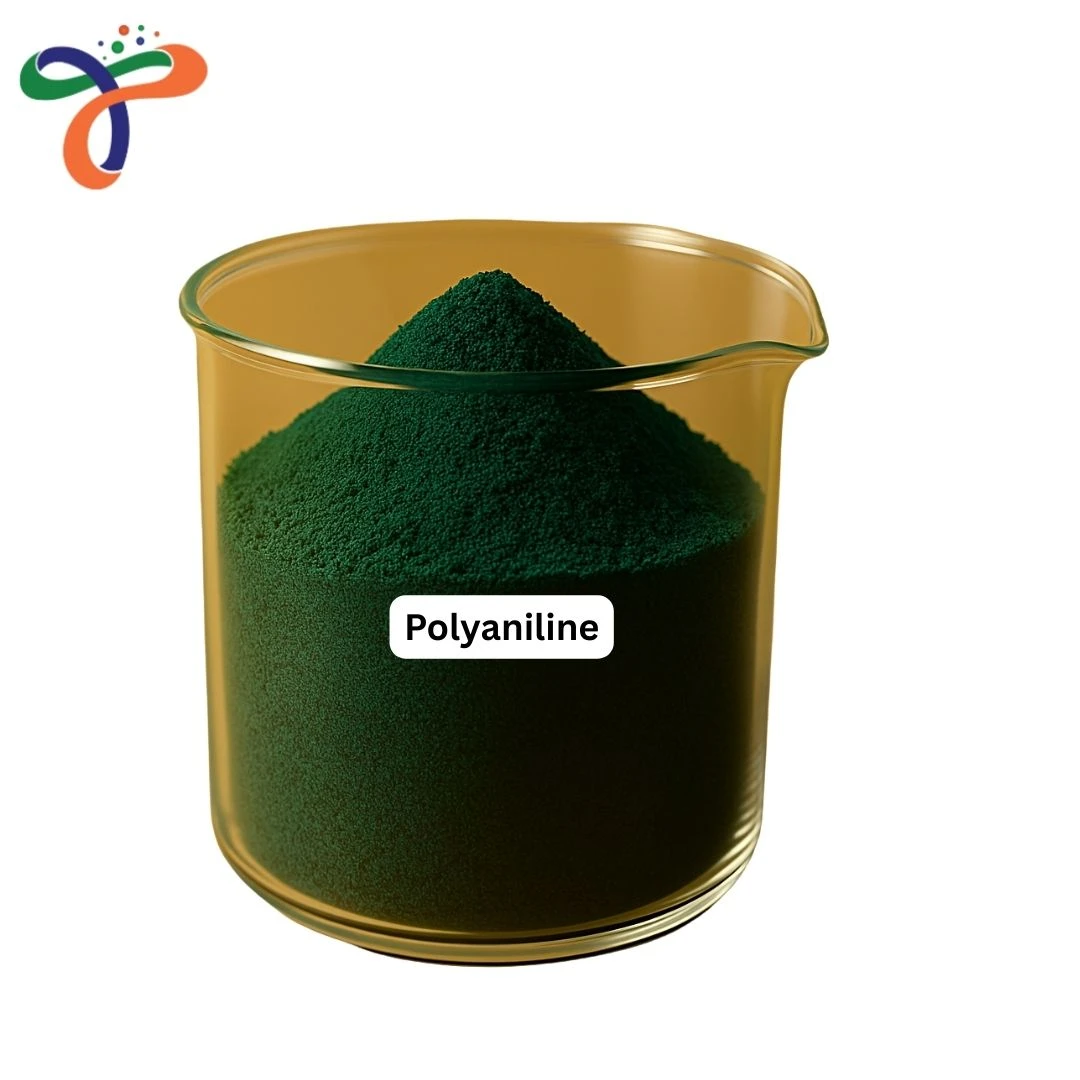
Polyaniline | 25233-30-1
Cas No :
25233-30-1
Form :
Powder
Boiling Point :
350 °c
Flash Point :
300 °c
Solubility :
Insoluble In Water And Most Organic Solvents; Soluble In Strong Acids To Form Doped Salts
Description :
Overview of Polyaniline
Polyaniline is a conductive polymer widely known for its unique electrical properties, environmental stability, and versatility across industrial and research applications. Unlike conventional plastics, Polyaniline can conduct electricity when properly doped, making it an important material in advanced functional polymer systems.
For non-technical buyers, Polyaniline can be understood as a special plastic that can carry electrical charge. This property allows it to be used in electronics, coatings, sensors, and energy-related applications where both conductivity and durability are required.
Polyaniline is classified under conductive polymers and specialty polymer materials, supporting innovation-driven applications in electronics, coatings, and industrial manufacturing.
Applications of Polyaniline
Antistatic & Conductive Coatings
Polyaniline is widely used in antistatic and conductive coating formulations. It helps dissipate static electricity and provides controlled conductivity on surfaces used in electronics, packaging, and industrial equipment.
Electronics, Sensors & Energy Devices
In electronic and sensor applications, Polyaniline is used in electrodes, sensors, and energy-storage components such as batteries and supercapacitors. Its reversible redox behavior makes it suitable for advanced electrical systems.
Corrosion Protection & Industrial Coatings
Polyaniline is used in corrosion-resistant coatings for metals. It forms protective layers that help reduce oxidation and extend the service life of industrial equipment and structures.
Research, Composites & Specialty Polymers
Polyaniline is commonly used in research, composite materials, and specialty polymer blends. It is combined with materials such as Epoxy Resin, Polyurethane, and Conductive Fillers to develop functional composites with enhanced electrical properties.
Safety & Handling Guidelines
-
Store in a cool, dry, and well-ventilated area
-
Keep containers tightly sealed to prevent contamination
-
Avoid inhalation of fine powder during handling
-
Prevent prolonged contact with skin and eyes
-
Use protective gloves, masks, and suitable industrial clothing
-
Avoid generation of excessive dust
-
Follow standard polymer handling practices
-
Dispose of packaging according to local regulatory guidelines
Where to Buy Polyaniline?
Polyaniline Manufacturer
Polyaniline is manufactured for use in conductive coatings, electronic components, corrosion protection systems, and specialty polymer applications requiring consistent conductivity and material stability.
Polyaniline Supplier & Distributor
Polyaniline is supplied in bulk and industrial-grade quantities for electronics manufacturers, coating formulators, research institutions, and specialty material producers. It is available for domestic and international markets with dependable supply support and standard quality documentation.
As a trusted conductive polymer chemical supplier, reliable bulk distributor, and experienced industrial sourcing partner, we support manufacturers with consistent access to advanced polymer materials, ensuring stable quality, scalable volumes, and smooth procurement.
Polyaniline MSDS
The Material Safety Data Sheet (MSDS) for Polyaniline provides detailed information on safe handling, storage conditions, exposure controls, first-aid measures, and emergency response procedures. Users should always review the Polyaniline MSDS before handling or using the product in industrial environments.
Frequently Asked Questions (FAQs)
-
What is Polyaniline used for?
Polyaniline is used in conductive coatings, antistatic materials, sensors, batteries, corrosion protection systems, and specialty polymer composites. -
What type of polymer is Polyaniline?
Polyaniline is a conductive polymer with electrical properties that can be adjusted through doping. -
Does Polyaniline have a melting or boiling point?
Polyaniline does not have a true melting or boiling point; it decomposes at high temperatures. -
Is Polyaniline suitable for industrial applications?
Yes, it is widely used in industrial coatings, electronics, and functional polymer systems. -
Is Polyaniline available in bulk supply?
Yes, Polyaniline is available in bulk quantities for industrial, commercial, and research applications.
ChemicalBull supplies Polyaniline across India, serving customers in Andhra Pradesh, Arunachal Pradesh, Assam, Bihar, Chhattisgarh, Goa, Gujarat, Haryana, Himachal Pradesh, Jharkhand, Karnataka, Kerala, Madhya Pradesh, Maharashtra, Manipur, Meghalaya, Mizoram, Nagaland, Odisha, Punjab, Rajasthan, Sikkim, Tamil Nadu, Telangana, Tripura, Uttar Pradesh, Uttarakhand, and West Bengal, as well as the Union Territories of Andaman & Nicobar Islands, Chandigarh, Dadra & Nagar Haveli and Daman & Diu, Delhi, Jammu & Kashmir, Ladakh, Lakshadweep, and Puducherry. We serve pharmaceutical, chemical, research, academic, laboratory, manufacturing, and industrial customers with reliable nationwide delivery.