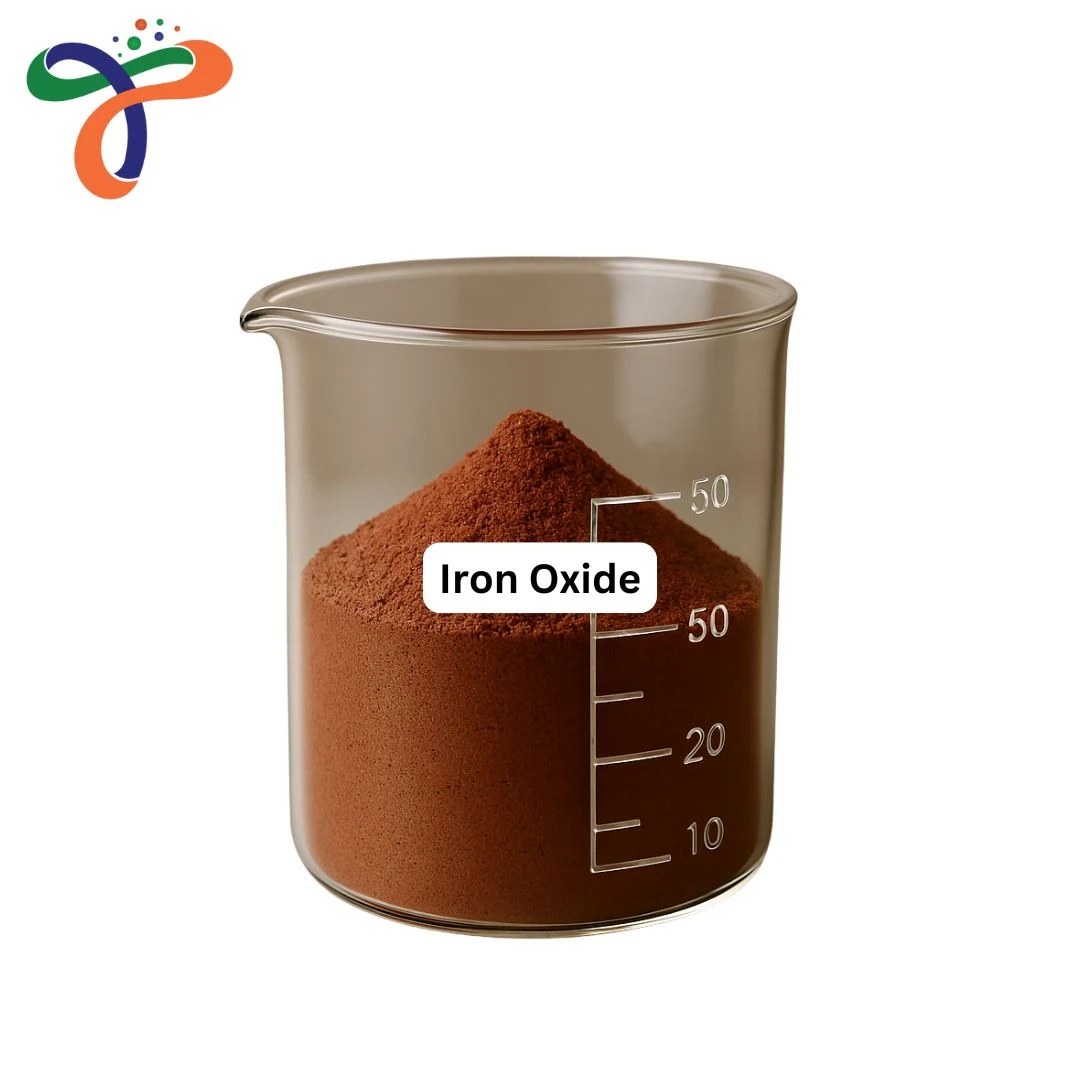
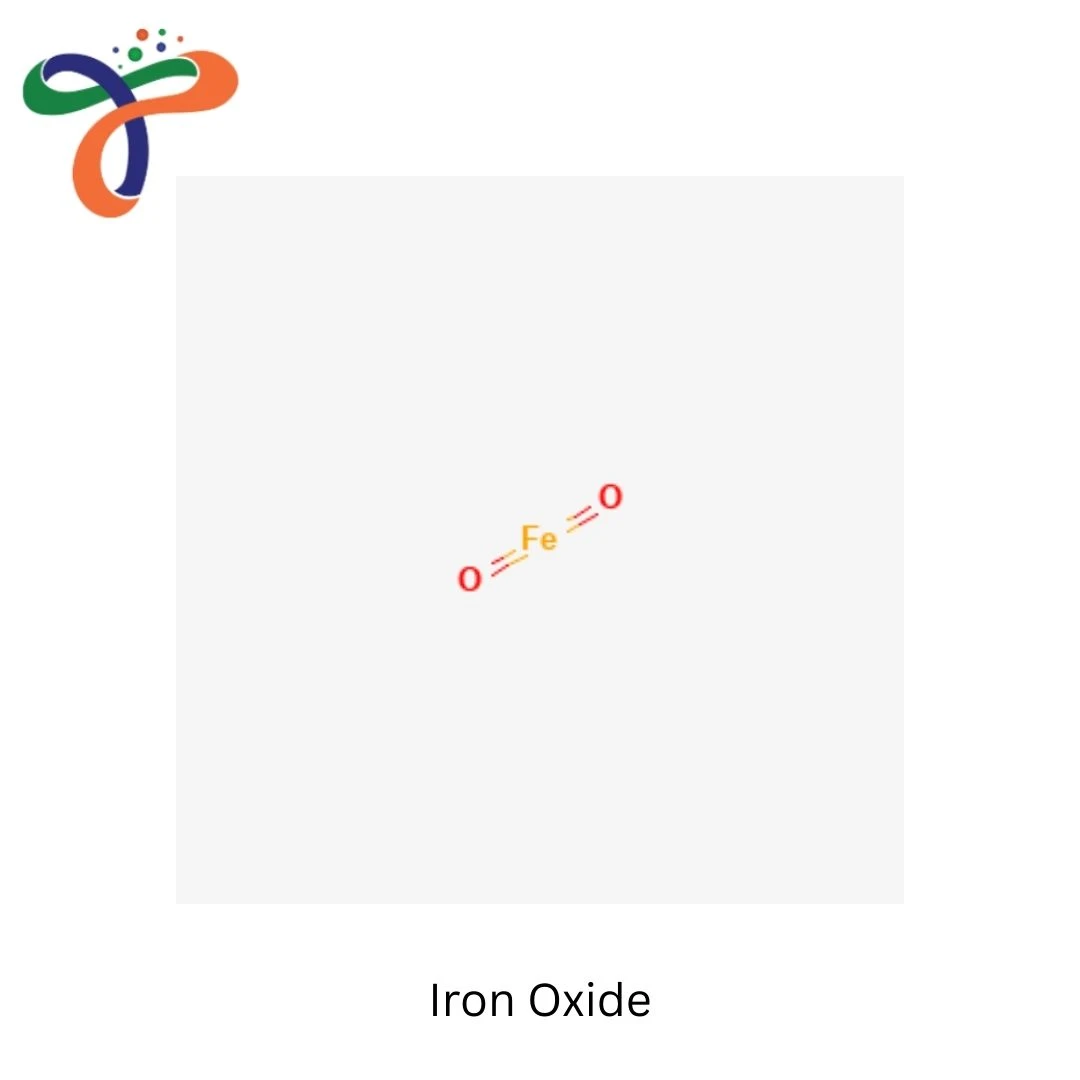
Iron Oxide | 1309-37-1
Cas No :
1309-37-1
Form :
Powder
Molecular Weight :
159.69 G/mol
Boiling Point :
2980 °c
Melting Point :
1565 °c
Flash Point :
3000 °c
Solubility :
Insoluble In Water; Insoluble In Organic Solvents; Dissolves In Acids
Description :
Overview of Iron Oxide
Iron Oxide is a widely used inorganic compound available in multiple forms and grades, commonly used as a pigment, functional filler, and industrial raw material. It is valued for its colour stability, chemical resistance, magnetic properties (in certain grades), and compatibility with a wide range of industrial systems.
The term Iron Oxide is used as a broad commercial and industrial name covering different oxide forms of iron, and it is commonly used in technical documentation, safety data sheets, and commercial trade. As an industrial material, Iron Oxide plays an important role in construction, paints & coatings, ceramics, rubber, plastics, and specialty industrial applications.
Applications of Iron Oxide
Paints, Coatings & Pigments
Iron Oxide is extensively used as a pigment in paints and coatings due to its excellent colour strength, UV resistance, and durability. It provides stable red, yellow, brown, and black shades and is often used alongside Titanium Dioxide and Carbon Black in coating formulations.
Construction Materials
In construction applications, Iron Oxide is used for colouring concrete, cement, pavers, tiles, and roofing materials. It ensures uniform colouring and long-term weather resistance and complements materials such as Cement, Fly Ash, and Calcium Carbonate.
Ceramics & Glass Manufacturing
Iron Oxide is used in ceramic bodies, glazes, and glass formulations to control colour, melting behaviour, and thermal properties. It is commonly used alongside Aluminium Oxide and Silica Sand in ceramic processing.
Rubber, Plastics & Industrial Applications
Iron Oxide is used as a filler and colouring agent in rubber and plastic products. Certain grades are also used in magnetic materials, polishing compounds, and specialty industrial applications.
Safety & Handling Guidelines
-
Store in a cool, dry, and well-ventilated area
-
Protect from moisture and contamination
-
Avoid inhalation of dust
-
Prevent contact with eyes and prolonged skin exposure
-
Use appropriate PPE including gloves, goggles, and protective clothing
-
Dispose of material according to regulatory guidelines
Where to Buy Iron Oxide?
Iron Oxide Manufacturer
Iron Oxide is manufactured for industrial applications requiring consistent colour, controlled particle size, and reliable performance across multiple industries.
Iron Oxide Supplier & Distributor
Iron Oxide is supplied in bulk and industrial packaging formats for paints, construction materials, ceramics, rubber, plastics, and specialty industrial users. As a trusted chemical supplier and reliable distributor, Chemicalbull Pvt. Ltd. supports customers with dependable sourcing, documentation, and compliant logistics across a wide industrial chemical portfolio.
MSDS for Iron Oxide
The MSDS for Iron Oxide provides detailed information on hazards, safe handling procedures, storage conditions, exposure controls, first-aid measures, and emergency response guidelines. Always review the MSDS before industrial use.
Frequently Asked Questions (FAQs)
-
What is Iron Oxide mainly used for?
Iron Oxide is mainly used as a pigment, colouring agent, and functional filler in paints, construction materials, ceramics, rubber, and plastics. -
Is Iron Oxide hazardous?
Iron Oxide is generally considered low in hazard, but dust inhalation should be avoided. Proper PPE and MSDS guidelines should be followed. -
Is Iron Oxide suitable for outdoor applications?
Yes, Iron Oxide pigments offer excellent weather resistance and colour stability for outdoor use. -
Can Iron Oxide be used in concrete colouring?
Yes, it is widely used for colouring concrete, cement products, tiles, and pavers. -
Is Iron Oxide used in ceramic applications?
Yes, it is commonly used in ceramic bodies and glazes to control colour and firing behaviour.
ChemicalBull supplies Iron Oxide across India, serving customers in Andhra Pradesh, Arunachal Pradesh, Assam, Bihar, Chhattisgarh, Goa, Gujarat, Haryana, Himachal Pradesh, Jharkhand, Karnataka, Kerala, Madhya Pradesh, Maharashtra, Manipur, Meghalaya, Mizoram, Nagaland, Odisha, Punjab, Rajasthan, Sikkim, Tamil Nadu, Telangana, Tripura, Uttar Pradesh, Uttarakhand, and West Bengal, as well as the Union Territories of Andaman & Nicobar Islands, Chandigarh, Dadra & Nagar Haveli and Daman & Diu, Delhi, Jammu & Kashmir, Ladakh, Lakshadweep, and Puducherry. We serve pharmaceutical, chemical, research, academic, laboratory, manufacturing, and industrial customers with reliable nationwide delivery.