Indole | 120-72-9
Cas No :
120-72-9
Synonyms :
Form :
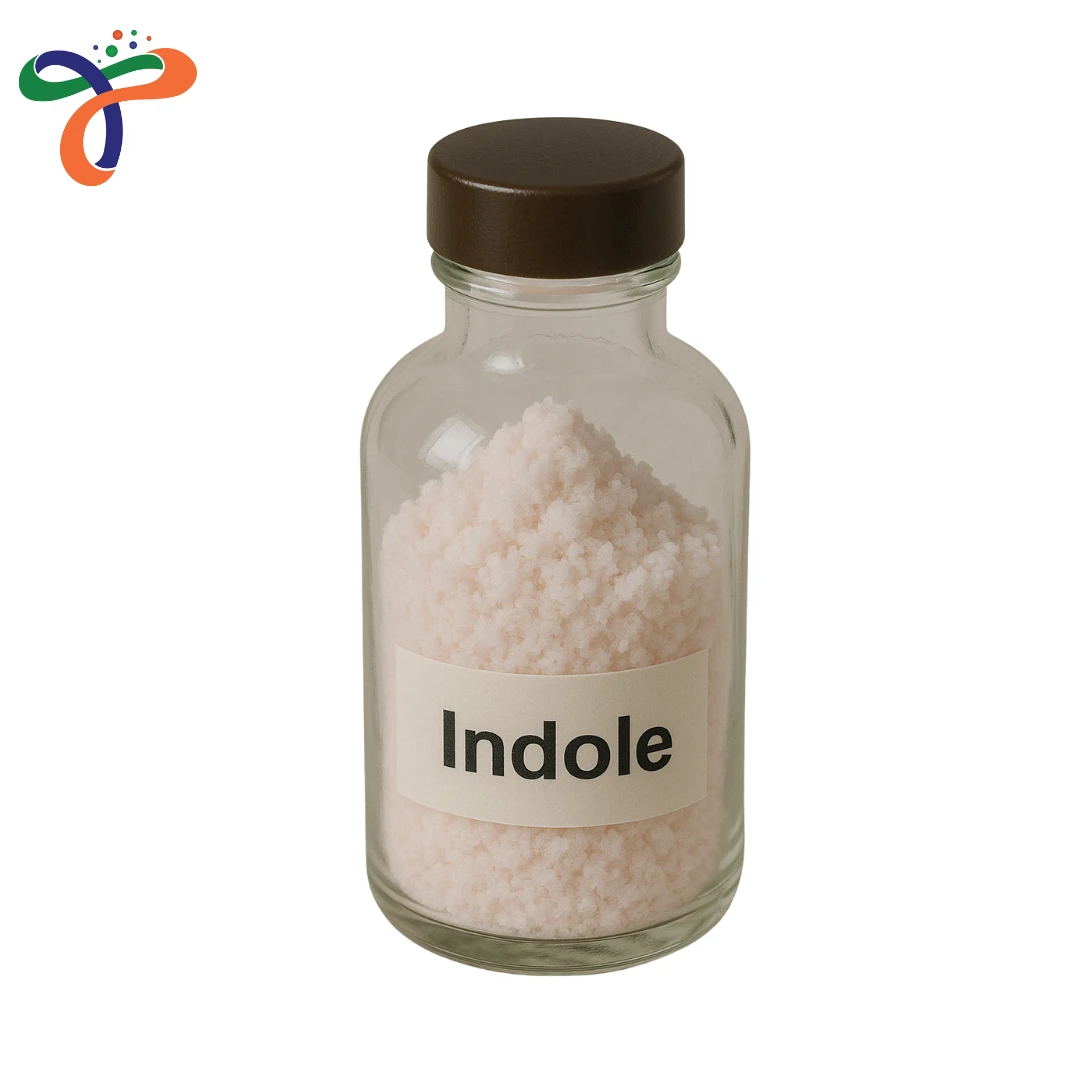
Powder
Molecular Weight :
117.15 G/mol
Molecular Formula :
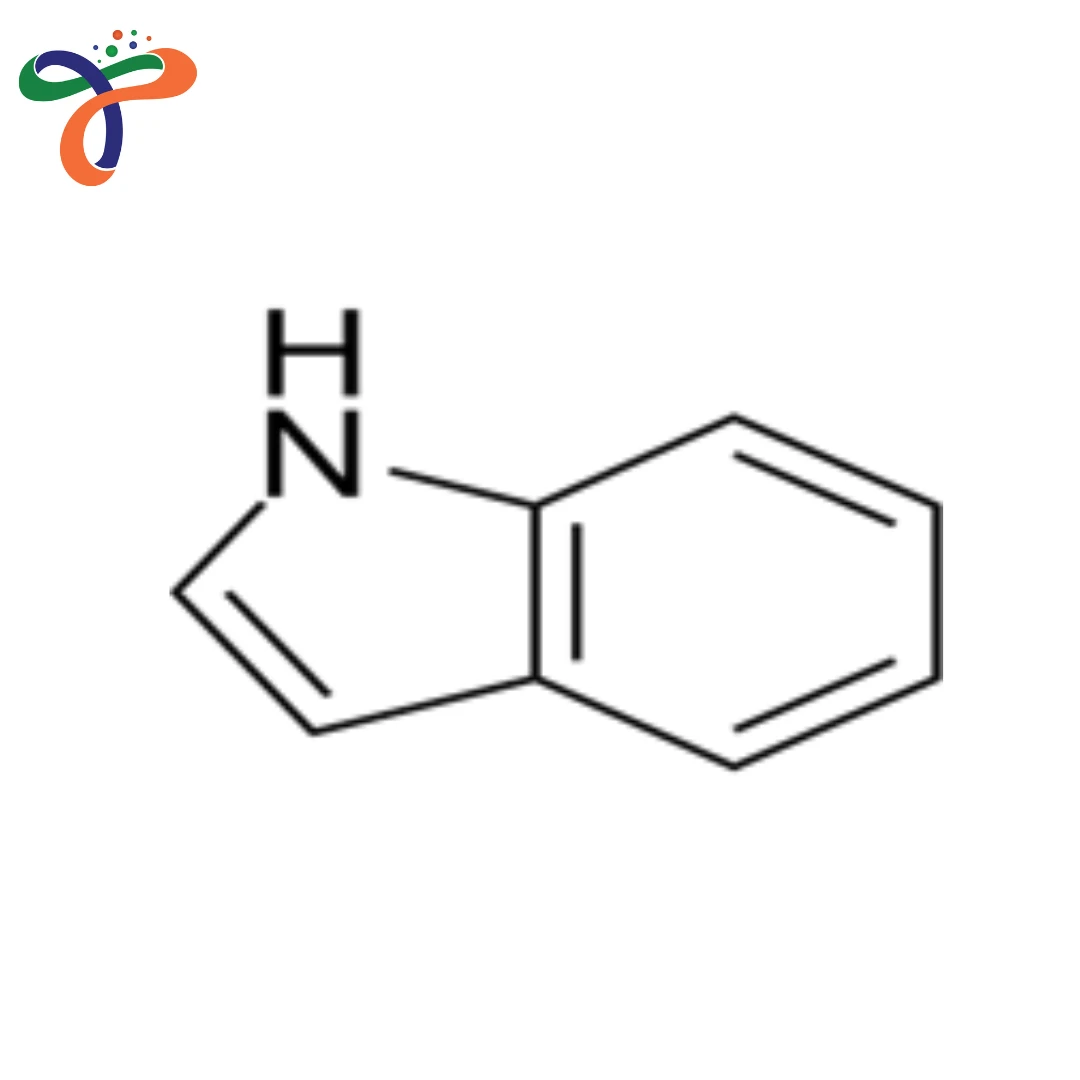
C₈H₇N
Boiling Point :
253–254°c
Melting Point :
51–54°c
Flash Point :
230°f
Solubility :
Slightly Soluble In Water ; Soluble In Methanol, Ethanol, Ether, Toluene, Benzene
Description :
Overview of Indole
Indole is a heterocyclic aromatic organic compound with widespread fragrances, pharmaceuticals, and biochemistry applications. Indole naturally occurs in essential oils, coal tar, and in the extracts of plants. Indole is known for its floral, musky smell and is integral to perfume preparations, flavourings, and medicines.
Applications of Indole
-
Fragrance and Perfumery
- Used in low concentrations (0.1-1%) to impart floral notes (jasmine, orange blossom) with a warm, animalic undertone in perfumes and fine fragrances.
- Enhances complexity in floral, oriental, and chypre compositions, often blended with jasmine or neroli accords.
-
Flavoring Agent
- Adds subtle floral and savoury notes to food and beverages (FEMA GRAS-approved), used sparingly in dairy, fruit, or savoury flavours.
- Contributes to aroma profiles in cheese, coffee, and fermented products due to its natural presence in microbial processes.
-
Pharmaceutical and Chemical Synthesis
- Serves as a key precursor for synthesising tryptophan, indole alkaloids, and drugs like antidepressants (e.g., SSRIs) and anti-cancer agents.
- Used in producing indole derivatives for anti-inflammatory, antimicrobial, and antiviral applications.
-
Agrochemicals and Plant Growth Regulators
- Acts as a building block for synthesising plant hormones like indole-3-acetic acid (IAA), promoting root growth and plant development.
- Incorporated into pesticides and herbicides to enhance efficacy in agricultural formulations.
-
Industrial and Research Applications
- Utilised in biochemical research to study microbial metabolism, as indole is a byproduct of tryptophan degradation in bacteria (e.g., E. coli).
- Employed in dye production (e.g., indigo) and as a reagent in organic chemistry for synthesising heterocyclic compounds.
Safety Precautions When Handling Indole
- Storage: Keep in a cool, dry, well-ventilated area away from heat and direct sunlight.
- Protective measures: Use gloves, goggles, and protective clothing to prevent skin and eye irritation.
- Fire and spill precautions: Flammable, avoid ignition sources and handle spills using absorbent materials.
Where to Buy Indole?
Indole Manufacturer in India:
ChemicalBull is a leading manufacturer supplying high-quality indole for fragrance, pharmaceutical, and industrial applications.
Indole Distributor & Supplier in Shanghai:
ChemicalBull provides bulk and customised packaging options with reliable global shipping.
Indole MSDS (Material Safety Data Sheet)
Request the Material Safety Data Sheet (MSDS) from ChemicalBull for handling instructions, safety guidelines, and exposure limits.
Frequently Asked Questions (FAQs)
-
Where can I purchase indole in Shanghai?
You can buy premium-quality indole from ChemicalBull, a trusted manufacturer, supplier, and distributor. -
Is indole safe for use in perfumes and pharmaceuticals?
Yes, indole is commonly used in controlled amounts in perfumes and pharmaceutical formulations, following regulatory standards.
ChemicalBull supplies Indole across India, serving customers in Andhra Pradesh, Arunachal Pradesh, Assam, Bihar, Chhattisgarh, Goa, Gujarat, Haryana, Himachal Pradesh, Jharkhand, Karnataka, Kerala, Madhya Pradesh, Maharashtra, Manipur, Meghalaya, Mizoram, Nagaland, Odisha, Punjab, Rajasthan, Sikkim, Tamil Nadu, Telangana, Tripura, Uttar Pradesh, Uttarakhand, and West Bengal, as well as the Union Territories of Andaman & Nicobar Islands, Chandigarh, Dadra & Nagar Haveli and Daman & Diu, Delhi, Jammu & Kashmir, Ladakh, Lakshadweep, and Puducherry. We serve pharmaceutical, chemical, research, academic, laboratory, manufacturing, and industrial customers with reliable nationwide delivery.