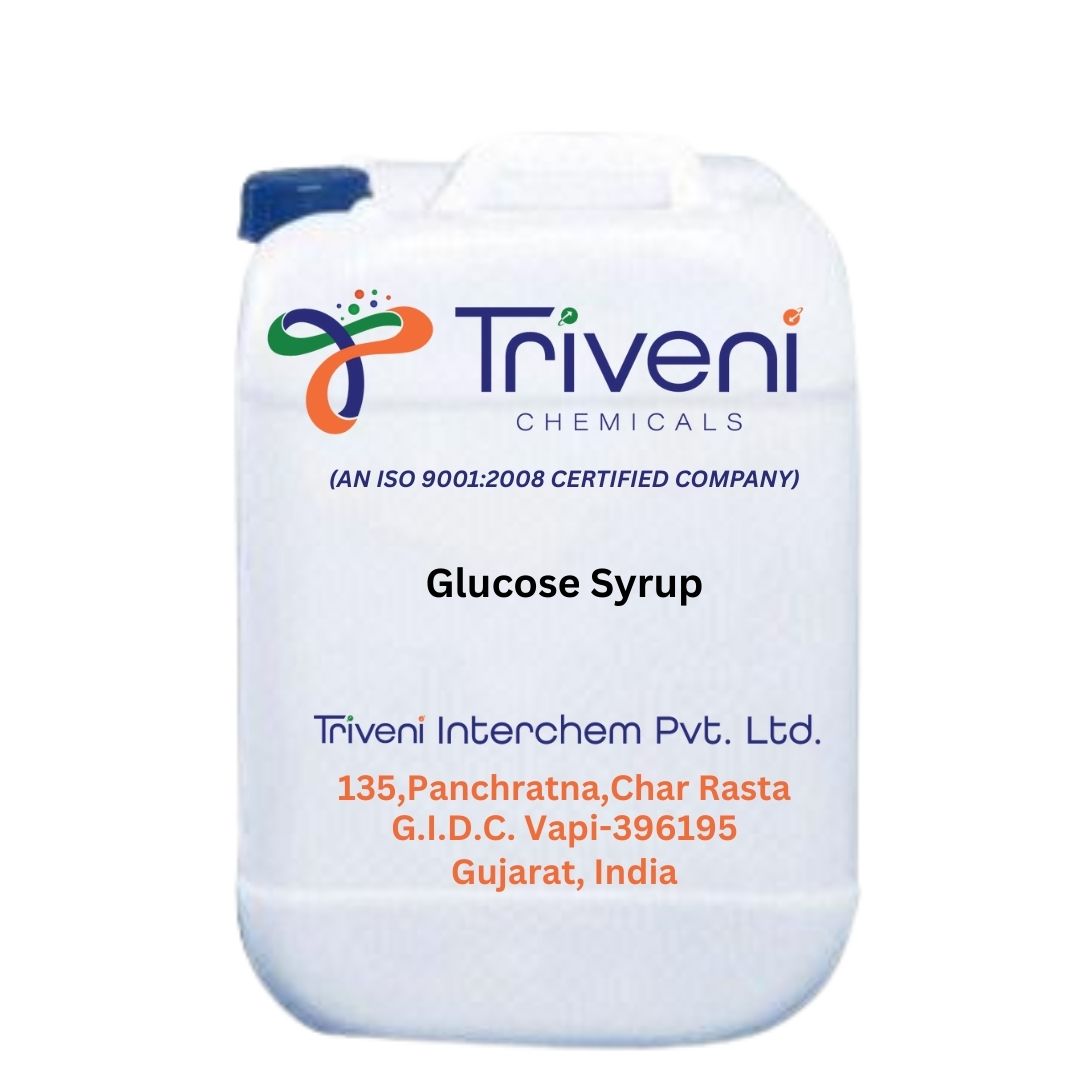
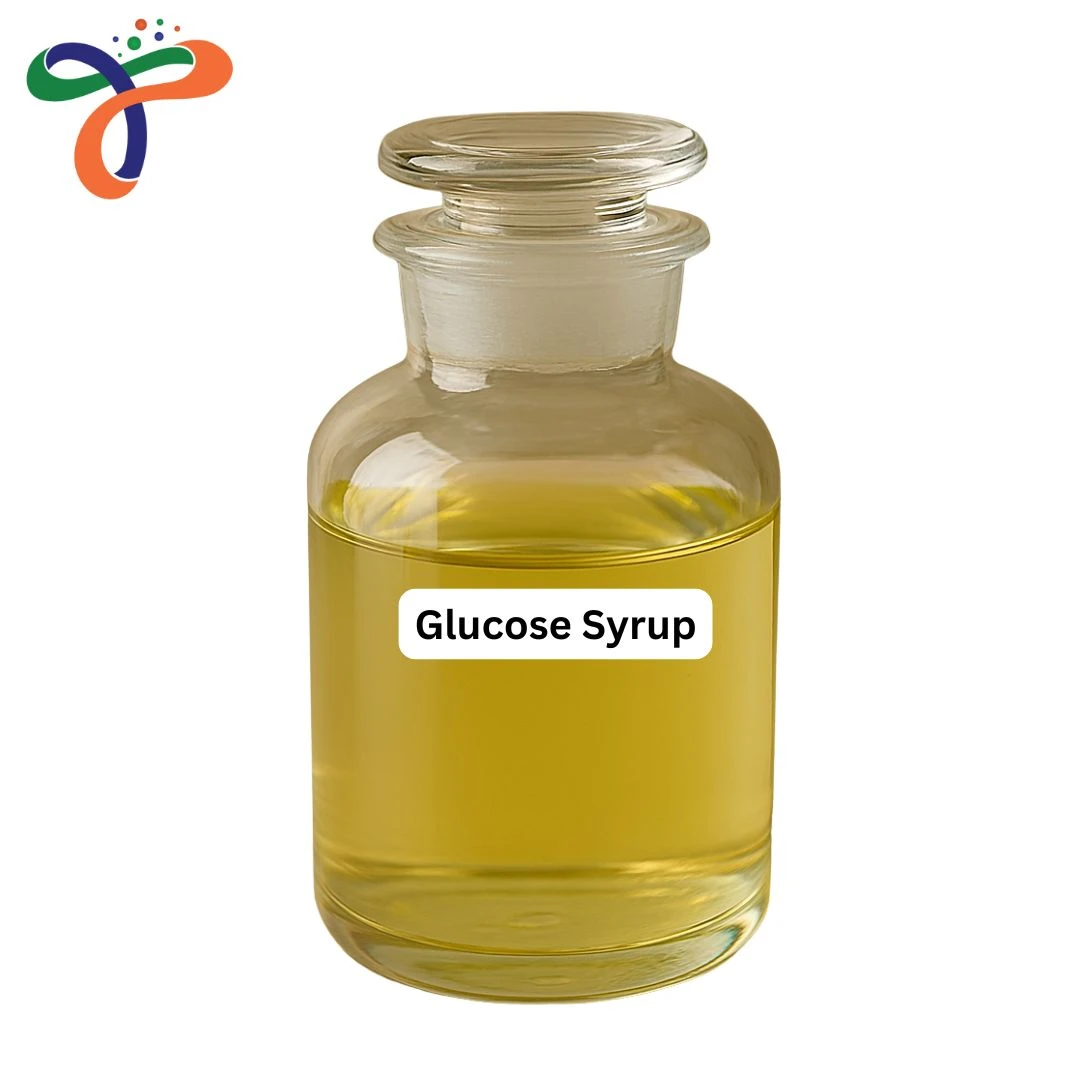
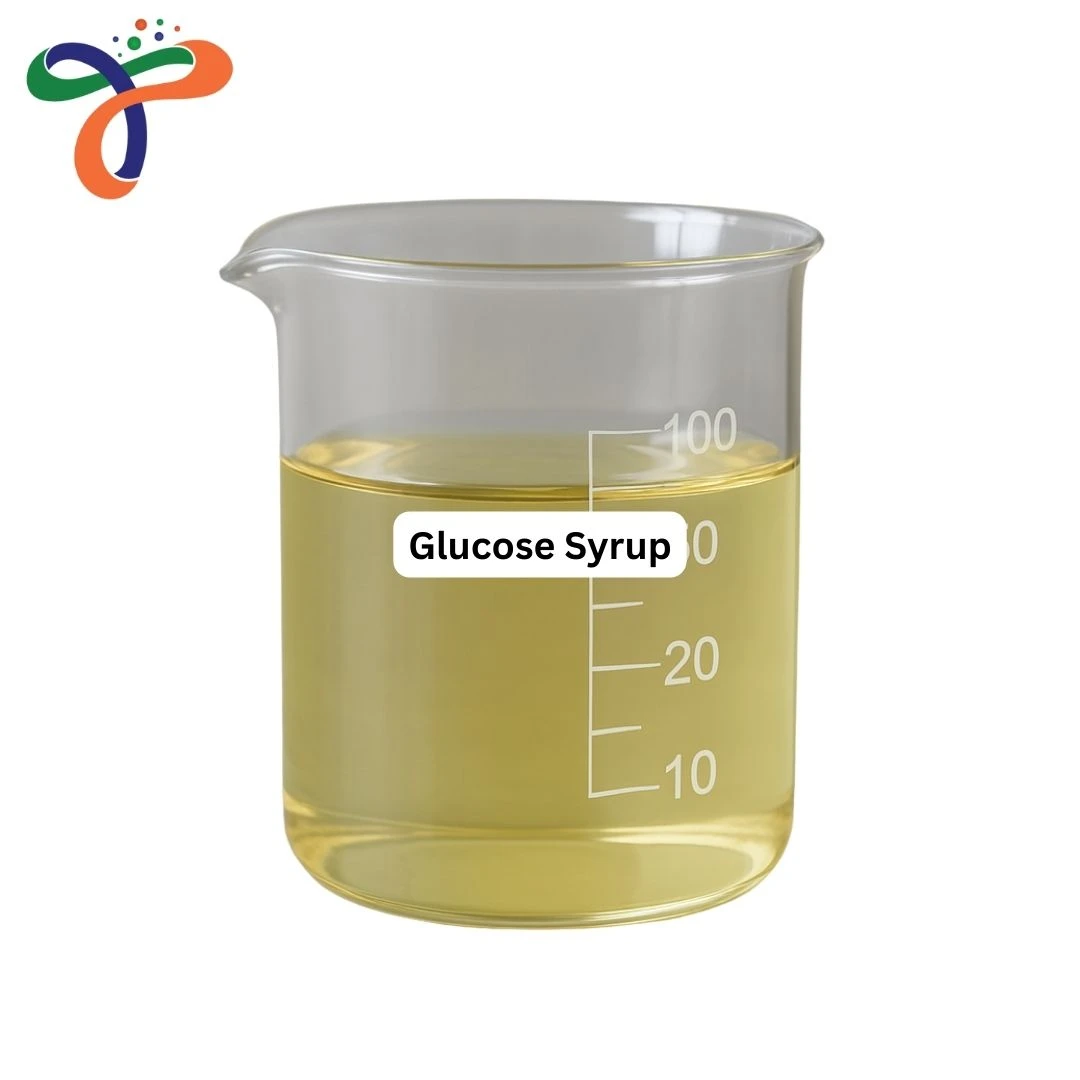
Glucose Syrup
Form :
Liquid
Molecular Weight :
180.16 g/mol
Boiling Point :
165 °C
Melting Point :
-5 °C
Flash Point :
160 °C
Solubility :
Highly soluble in water.
Description :
Glucose Syrup Supplier & Distributor In India
ChemicalBull is a trusted Glucose Syrup supplier, distributor, wholesaler, and exporter in India, offering bulk supply for confectionery manufacturers, bakery product makers, beverage companies, ice cream producers, food processing units, pharmaceutical syrup manufacturers, sweetener blend companies, snack brands, wholesalers, and global B2B buyers.
Glucose Syrup, also known as Liquid Glucose, is a versatile food ingredient used as a sweetener, thickener, humectant, texture improver, crystallization controller, and moisture-retention ingredient. Buyers searching for Glucose Syrup price, Glucose Syrup uses, Liquid Glucose supplier, bulk Glucose Syrup, food grade Glucose Syrup, and Glucose Syrup supplier in India can source material from ChemicalBull with COA, MSDS, TDS, packing details, and export documentation support.
Overview of Glucose Syrup
Glucose Syrup is a carbohydrate-based liquid sweetener produced by controlled starch hydrolysis. It is commonly supplied as a clear, viscous liquid and is valued in industrial food processing for its sweetness, stability, solubility, viscosity control, moisture retention, and texture-improving properties.
In bulk manufacturing, Glucose Syrup is widely used in confectionery, bakery products, beverages, ice creams, jams, sauces, pharmaceutical syrups, fermentation processes, and specialty food formulations. Its predictable performance makes it useful for manufacturers who need consistent sweetness, smooth mouthfeel, controlled crystallization, and reliable processing behaviour.
B2B buyers source Glucose Syrup for applications where product consistency, easy blending, stable viscosity, and cost-effective sweetening are important. Before bulk purchase, buyers should check DE value, Brix, viscosity, colour, pH, microbial limits, food-grade suitability, packing size, COA, MSDS, TDS, and regulatory documentation.
Why Choose ChemicalBull For Glucose Syrup?
ChemicalBull helps B2B buyers source Glucose Syrup with reliable availability, consistent quality, secure packaging, competitive bulk pricing, and quick quotation support.
Our team supports food, beverage, confectionery, bakery, pharmaceutical, and export buyers with specification confirmation, document assistance, packing details, domestic dispatch coordination, export supply support, and repeat procurement planning for regular production requirements.
Applications of Glucose Syrup
Industrial Food & Processing Applications
Glucose Syrup can be found in food processing industries as a texturiser, sweetener, and viscosity-altering agent. It prevents crystallisation, enhances mouthfeel, and increases stability of the product. It is often processed with Dextrose anhydrous, Maltodextrin, as well as Sucrose as part of controlled, industrial formulation systems.
Fermentation & Biochemical Processing
In industries that rely on fermentation, Glucose Syrup is used as a carbon fuel source to help support the growth of microbial species as well as biochemical processes. Its sugar composition is controlled to ensure the same performance throughout bio-processing and industrial fermentation. It is usually evaluated using the use of polydextrose in processing systems that use carbohydrates.
Pharmaceutical & Speciality Industrial Formulations
Glucose Syrup is used as an excipient and stabilising agent in industrial pharmaceutical and speciality formulations, where solubility, binding properties, and controlled sweetness are required under regulated manufacturing conditions.
Compliance & Safety Note
Glucose Syrup is a food ingredient and should be used according to applicable food safety regulations, finished product category, permitted use level, labelling requirements, and local market compliance standards.
Buyers should verify food-grade suitability, intended application, allergen declaration, source material, microbiological specification, import-export rules, and finished product regulatory requirements before use, resale, or formulation.
Get Glucose Syrup Price & Bulk Supply Support
Need Glucose Syrup for confectionery, bakery products, ice creams, beverages, jams, jellies, sauces, toppings, pharmaceutical syrups, food processing, or bulk sweetener applications?
Share your required quantity, grade, DE value, Brix requirement, packing size, application, delivery location, and document needs with ChemicalBull. Our team will provide current Glucose Syrup price, stock availability, specification details, packaging options, COA, MSDS, TDS, and bulk supply support for domestic and export requirements.
MSDS for Glucose Syrup
The MSDS for Glucose Syrup contains specific information on safe handling procedures, storage conditions, exposure control in the first-aid category, and emergency responses. Always read the MSDS prior to use in industrial settings.
Frequently Asked Questions (FAQs)
-
What is Glucose Syrup?
Glucose Syrup is a starch-derived carbohydrate solution consisting mainly of glucose, maltose, and higher saccharides, used in industrial processing applications.
Is Glucose Syrup used in confectionery?
Yes. Glucose Syrup is widely used in confectionery because it helps control crystallization, improve texture, maintain chewiness, and support product stability.
-
What is the structure of Glucose Syrup?
Glucose Syrup consists of linked glucose molecules with varying chain lengths, depending on the degree of starch hydrolysis. -
What is Glucose Syrup used for?
It is used in industrial food processing, fermentation systems, pharmaceutical excipients, and speciality industrial formulations. -
Does ChemicalBull provide Glucose Syrup COA, MSDS, and TDS?
Yes. ChemicalBull can provide COA, MSDS, TDS, product specification, packing details, batch information, and export documentation based on buyer requirement.
ChemicalBull supplies Glucose Syrup across India, serving customers in Andhra Pradesh, Arunachal Pradesh, Assam, Bihar, Chhattisgarh, Goa, Gujarat, Haryana, Himachal Pradesh, Jharkhand, Karnataka, Kerala, Madhya Pradesh, Maharashtra, Manipur, Meghalaya, Mizoram, Nagaland, Odisha, Punjab, Rajasthan, Sikkim, Tamil Nadu, Telangana, Tripura, Uttar Pradesh, Uttarakhand, and West Bengal, as well as the Union Territories of Andaman & Nicobar Islands, Chandigarh, Dadra & Nagar Haveli and Daman & Diu, Delhi, Jammu & Kashmir, Ladakh, Lakshadweep, and Puducherry. We serve pharmaceutical, chemical, research, academic, laboratory, manufacturing, and industrial customers with reliable nationwide delivery.