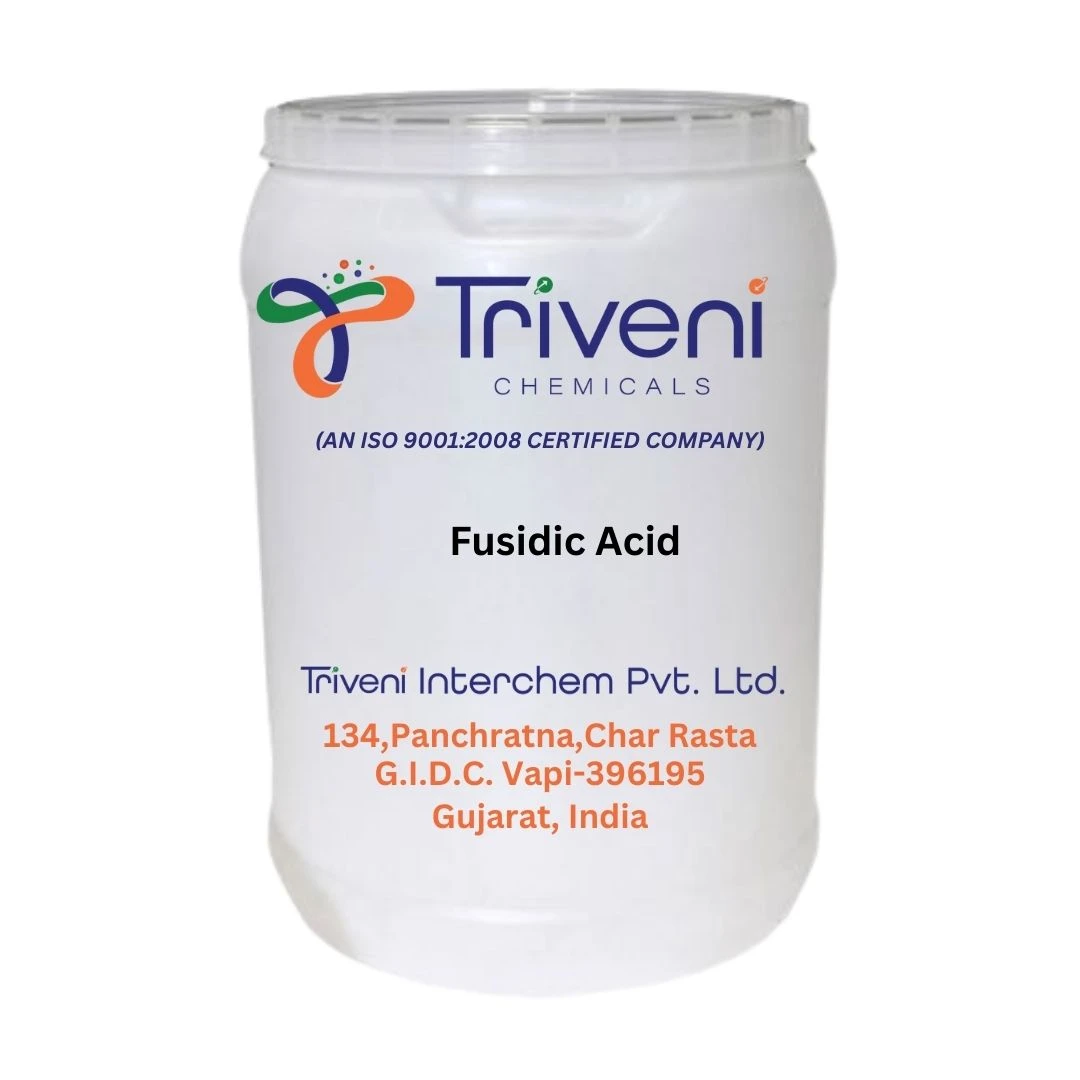
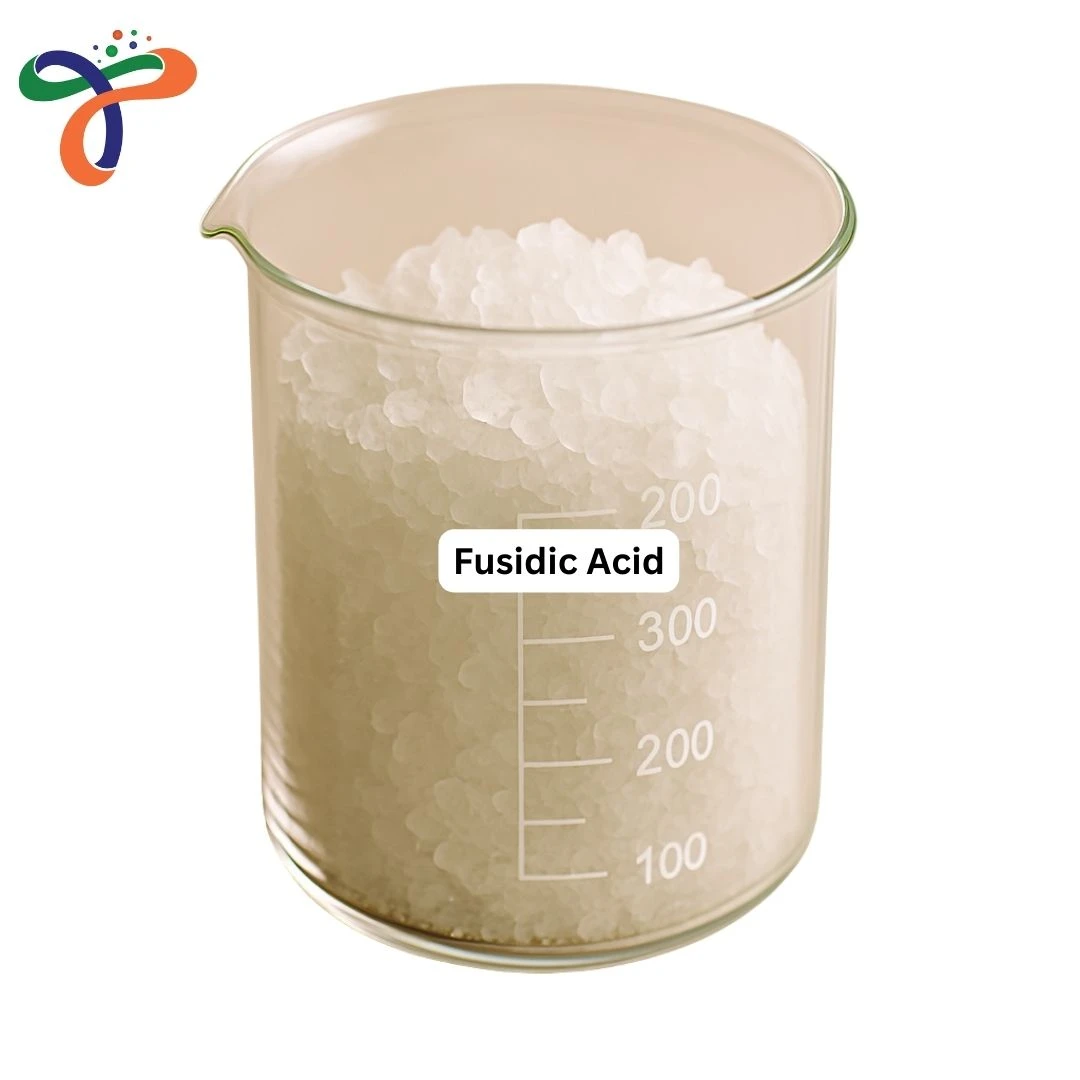
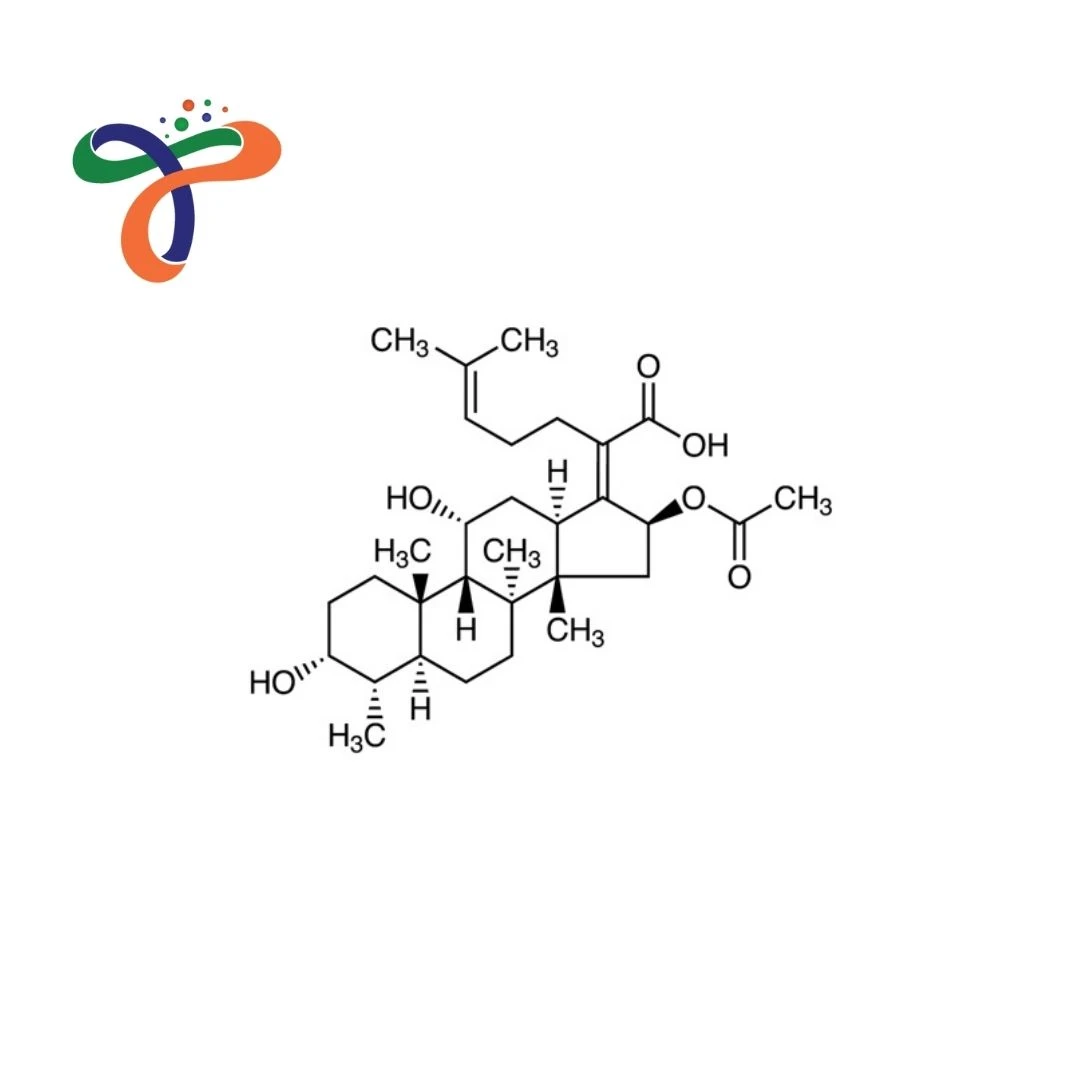
Fusidic Acid | 1859240
Cas No :
1859240
Form :
Solid
Molecular Weight :
524.66 G/mol
Molecular Formula :
C31H48O6
Boiling Point :
176 °c
Melting Point :
170 °c
Flash Point :
198 °c
Solubility :
Slightly Soluble In Water; Soluble In Methanol And Chloroform
Description :
Overview of Fusidic Acid
Fusidic Acid is a pharmaceutical-grade antibiotic compound primarily supplied as an active pharmaceutical ingredient (API) for topical and systemic antibacterial formulations. It is derived from fungal sources and is recognised for its selective activity against Gram-positive bacteria.
In pharmaceutical manufacturing, Fusidic Acid is valued for its targeted antibacterial profile, formulation compatibility, and stability in topical dosage forms. It is produced under regulated conditions to comply with pharmacopeial standards for purity, potency, and chemical identity.
As a pharma chemical, Fusidic Acid is handled within licensed pharmaceutical manufacturing and formulation environments.
Applications of Fusidic Acid
Pharmaceutical API Use
Fusidic Acid is used as an active pharmaceutical ingredient in the manufacture of antibacterial formulations, particularly topical creams, ointments, and eye preparations. Its antibacterial activity supports product development for dermatological and ophthalmic applications.
In API portfolio planning, Fusidic Acid is commonly positioned alongside Mupirocin, Neomycin Sulphate, and Gentamicin Sulphate for topical antibiotic formulation development.
Finished Dosage Form Manufacturing
Fusidic Acid is widely used in the production of topical pharmaceuticals because of its stability in formulation as well as compatibility with dosage forms that are semi solid. It enables controlled release of the drug and targeted antibacterial actions in the final product.
Systemic formulations using Fusidic Acid are manufactured under strict regulatory oversight due to resistance and safety considerations.
Pharmaceutical Research & Reference Use
Fusidic Acid may also be employed as a reference chemical in the field of pharmaceutical research and quality control testing as well as antimicrobial activity research studies. It is used in stability assays, potency testing, and in the study of comparative antibacterial profiles.
In research environments, it may be referenced alongside Erythromycin and Clindamycin for antibacterial activity comparison.
Safety & Handling Guidelines
- Keep it in a cool, humid, dry, and well-controlled space
- Guard against moisture and light
- Seal the containers tightly and properly labeled
- Beware of inhaling dust from the API.
- Use appropriate personal protective equipment
- Handle only in regulated pharmaceutical manufacturing areas
- Dispose of waste according to pharmaceutical regulatory guidelines
Where to Buy Fusidic Acid?
Fusidic Acid Manufacturer
Fusidic Acid is manufactured for pharmaceutical use under GMP-compliant conditions to ensure consistent quality, potency, and regulatory acceptance.
Fusidic Acid Supplier & Distributor
High-quality Fusidic Acid API is supplied in a compliant package suitable for licensed pharmaceutical or formulation companies. As a supplier of pharmaceutical chemicals and distributor, Chemicalbull Pvt. Ltd. provides secure sourcing through typical documents, COA, and support for regulatory requirements.
MSDS for Fusidic Acid
The MSDS for Fusidic Acid provides detailed information on chemical hazards, safe handling practices, storage requirements, exposure controls, and emergency response procedures. It should be reviewed prior to manufacturing or laboratory use.
Frequently Asked Questions (FAQs)
-
What is Fusidic Acid?
Fusidic Acid is a pharmaceutical-grade antibiotic compound supplied as an active pharmaceutical ingredient for antibacterial drug formulation. -
What is Fusidic Acid used for?
Fusidic Acid is used as an API in the manufacture of topical and systemic antibacterial pharmaceutical formulations. -
What is the mechanism of action of Fusidic Acid?
Fusidic Acid inhibits bacterial protein synthesis by interfering with elongation factor G (EF-G), resulting in effective suppression of bacterial growth.
ChemicalBull supplies Fusidic Acid across India, serving customers in Andhra Pradesh, Arunachal Pradesh, Assam, Bihar, Chhattisgarh, Goa, Gujarat, Haryana, Himachal Pradesh, Jharkhand, Karnataka, Kerala, Madhya Pradesh, Maharashtra, Manipur, Meghalaya, Mizoram, Nagaland, Odisha, Punjab, Rajasthan, Sikkim, Tamil Nadu, Telangana, Tripura, Uttar Pradesh, Uttarakhand, and West Bengal, as well as the Union Territories of Andaman & Nicobar Islands, Chandigarh, Dadra & Nagar Haveli and Daman & Diu, Delhi, Jammu & Kashmir, Ladakh, Lakshadweep, and Puducherry. We serve pharmaceutical, chemical, research, academic, laboratory, manufacturing, and industrial customers with reliable nationwide delivery.