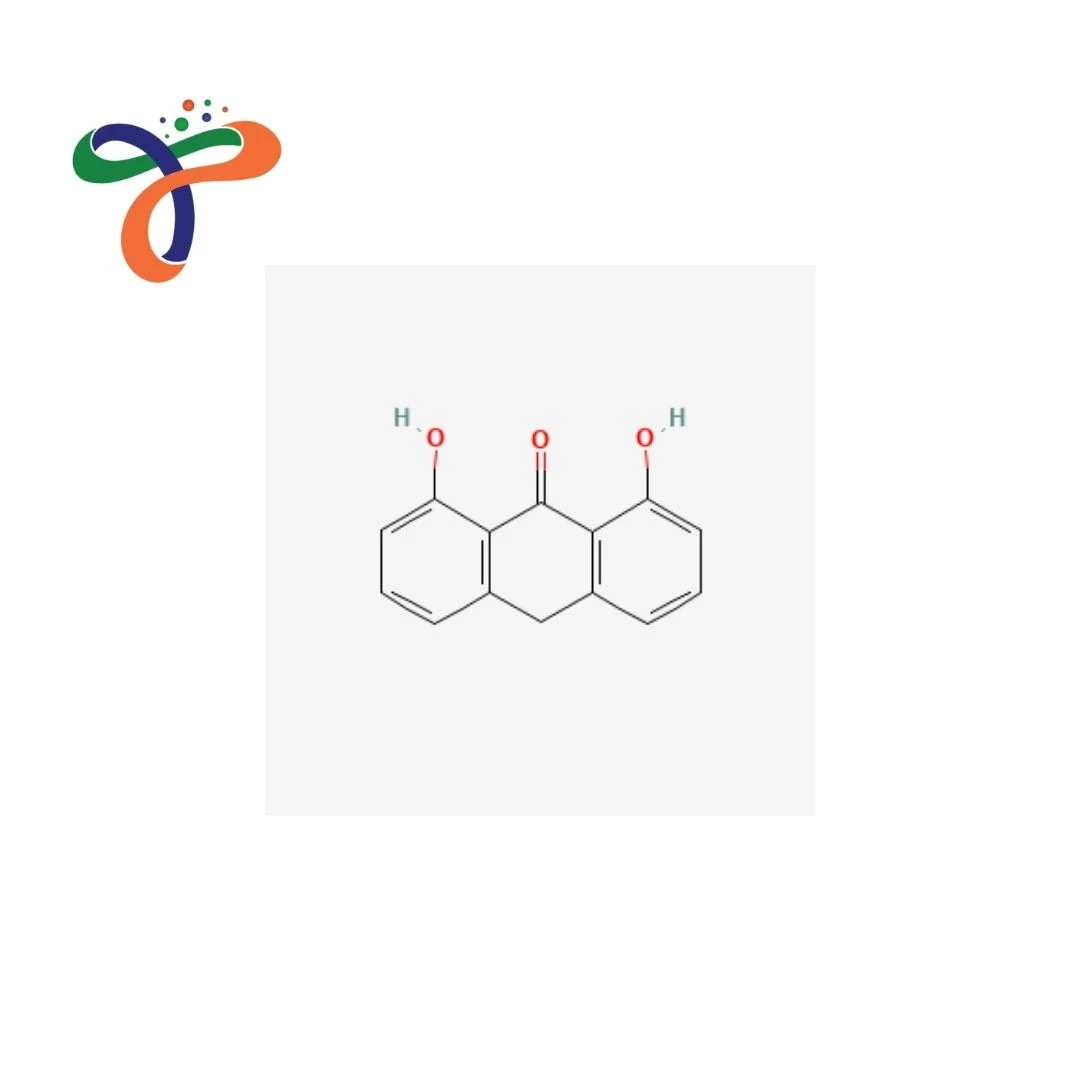
Dithranol | 1143-38-0
Cas No :
1143-38-0
Form :
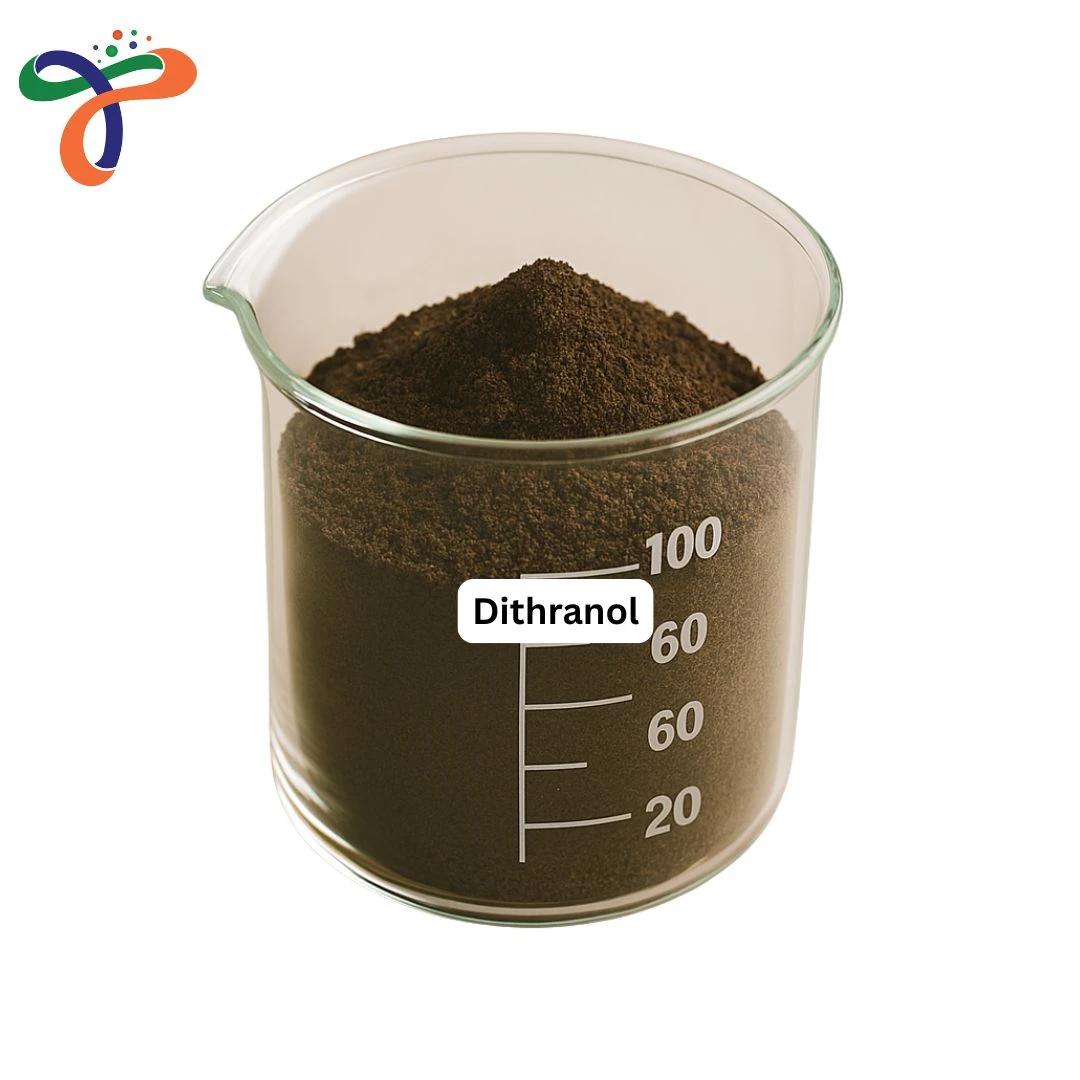
Powder
Molecular Weight :
240.35 G/mol
Molecular Formula :
C14H10O3
Boiling Point :
260 °c
Melting Point :
170 °c
Flash Point :
150 °c
Solubility :
Poorly Soluble In Water; Soluble In Acetone, Ethanol, Dmso, And Chloroform
Description :
Overview of Dithranol
Dithranol, also referred to as Anthralin, is a topical drug that is widely used in dermatology to aid in the treatment of chronic inflammatory skin conditions. It is most well-known for its use in the treatment of psoriasis, which has been employed as a clinical treatment for a number of years.
In pharmaceutical manufacturing, Dithranol is valued for its targeted therapeutic action, topical efficacy, and established clinical performance. It is produced under regulated conditions to meet pharmacopeial standards for purity, stability, and dermatological safety.
As a pharma chemical, Dithranol is formulated exclusively for topical use and handled within controlled pharmaceutical and dermatological environments.
Applications of Dithranol
Dermatological & Topical Therapeutic Use
Dithranol is extensively used in topical dermatological formulations for the management of chronic plaque psoriasis. It is applied under controlled treatment regimens, often in specialised dermatology clinics or supervised home therapy protocols.
Its controlled application helps regulate excessive skin cell proliferation and supports symptom management in long-standing inflammatory skin disorders.
Clinical Psoriasis Management Programs
In dermatology clinics, Dithranol can be found in specific psoriasis control programs that include short-contact therapy as well as inpatient treatment protocols. Its usage is customised to each patient's individual needs and the severity of the disease.
In treatment planning, Dithranol is often referenced alongside Calcipotriol, Coal Tar, and Salicylic Acid–based topical products for comparative therapeutic outcomes.
Speciality Dermatology Formulations
Dithranol is used in the development of specialised dermatology formulations where controlled skin irritation is part of the therapeutic mechanism. These formulations are designed to balance efficacy with patient tolerability and are manufactured under strict quality controls.
In dermatological product studies, Dithranol may be evaluated alongside Tacrolimus and Clobetasol Propionate for treatment positioning and protocol optimisation.
Safety & Handling Guidelines
- Keep it in a cool, humid, dry and well-controlled space
- Guard against light and air exposure
- Make sure containers are tightly sealed and clearly labelled
- Avoid contact with your eyes and the skin around them
- Use appropriate personal protective equipment during handling
- Apply only as directed in controlled medical settings
- Dispose of waste according to pharmaceutical regulatory guidelines
Where to Buy Dithranol?
Dithranol Manufacturer
Dithranol is manufactured for pharmaceutical and dermatological use under strict regulatory oversight to ensure consistent quality, stability, and therapeutic reliability.
Dithranol Supplier & Distributor
Dithranol Pharmaceutical grade is offered in conforming packaging that is appropriate for pharmaceutical companies that are licensed and dermatology-focused institutes. As a reputable pharmaceutical chemical distributor and supplier, Chemicalbull Pvt. Ltd. is a reliable source of supply with full documentation and assurance of quality.
MSDS for Dithranol
The MSDS for Dithranol includes detailed information on handling safety precautions, storage conditions, exposure control, dermatological safety, as well as emergency response procedures. It should be inspected prior to the formulation of a pharmaceutical product or use in clinical settings.
Frequently Asked Questions (FAQs)
-
What is Dithranol used for?
Dithranol is used primarily in the topical treatment of chronic plaque psoriasis under medical supervision. -
What are the side effects of Dithranol?
Common side effects include skin irritation, redness, burning sensation, and temporary staining of skin or clothing. -
Is Dithranol still used in modern dermatology?
Yes, Dithranol remains a clinically relevant treatment option, particularly in controlled or hospital-based psoriasis management programs.
ChemicalBull supplies Dithranol across India, serving customers in Andhra Pradesh, Arunachal Pradesh, Assam, Bihar, Chhattisgarh, Goa, Gujarat, Haryana, Himachal Pradesh, Jharkhand, Karnataka, Kerala, Madhya Pradesh, Maharashtra, Manipur, Meghalaya, Mizoram, Nagaland, Odisha, Punjab, Rajasthan, Sikkim, Tamil Nadu, Telangana, Tripura, Uttar Pradesh, Uttarakhand, and West Bengal, as well as the Union Territories of Andaman & Nicobar Islands, Chandigarh, Dadra & Nagar Haveli and Daman & Diu, Delhi, Jammu & Kashmir, Ladakh, Lakshadweep, and Puducherry. We serve pharmaceutical, chemical, research, academic, laboratory, manufacturing, and industrial customers with reliable nationwide delivery.