Diethylene Glycol | 111-46-6
Cas No :
111-46-6
Synonyms :
Form :
Liquid
Molecular Weight :
106.12 G/mol
Molecular Formula :
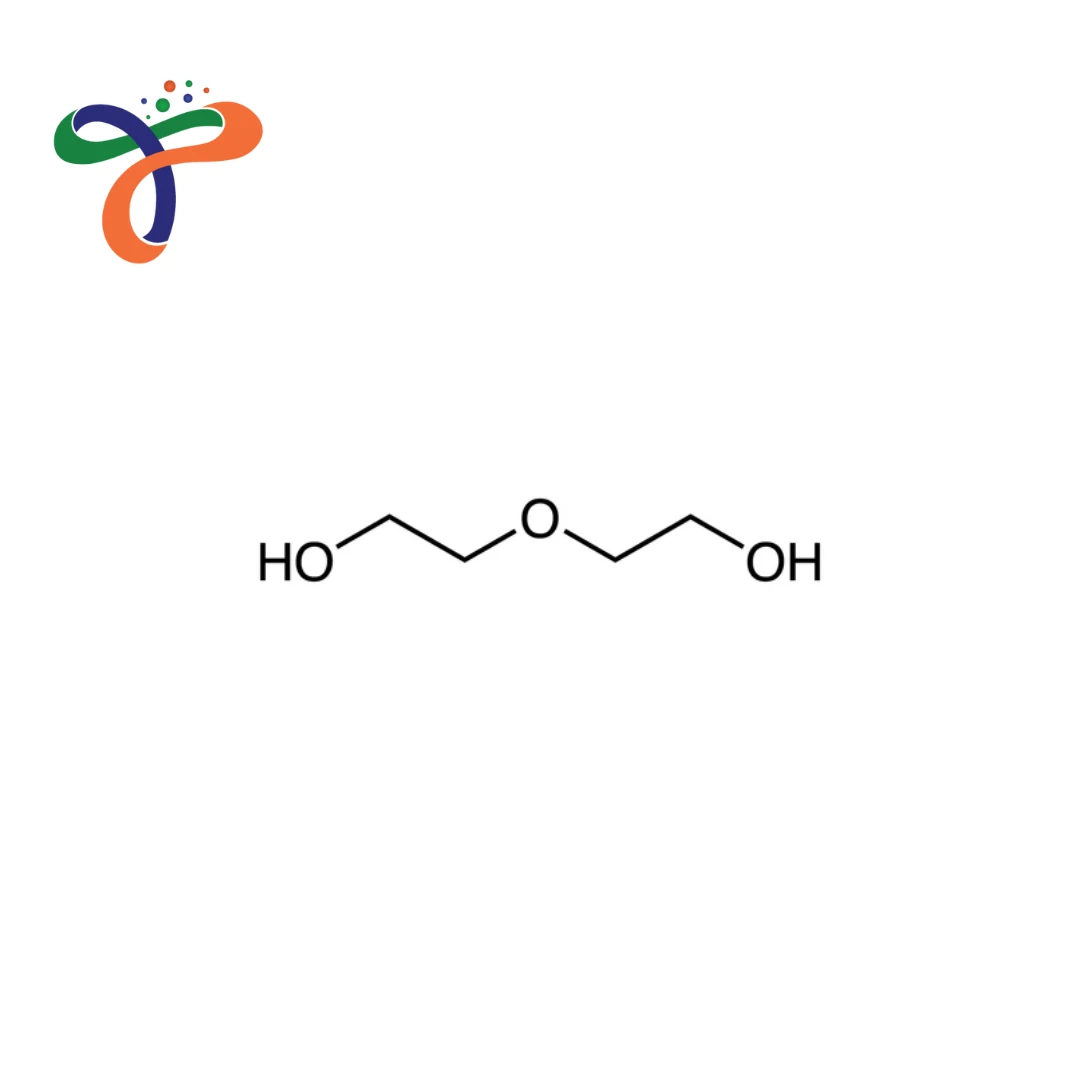
C4H10O3
Boiling Point :
244 °c
Melting Point :
-11 °c
Flash Point :
110 °c
Solubility :
Completely Miscible With Water; Miscible With Most Organic Solvents
Description :
Diethylene Glycol Suppliers, Manufacturers & Global Exporter
Diethylene Glycol (DEG) is a high-performance industrial chemical widely used in antifreeze formulations, chemical synthesis, polymers, resins, lubricants, coatings, and speciality manufacturing applications. Known for its excellent solvency, hygroscopic nature, thermal stability, and compatibility with water and organic compounds, Diethylene Glycol plays a vital role in modern industrial processing.
ChemicalBull is a trusted Diethylene Glycol supplier, manufacturer, distributor, wholesaler, and global exporter delivering high-purity industrial-grade DEG for manufacturers, formulators, chemical industries, and industrial buyers worldwide.
Overview of Diethylene Glycol
Diethylene Glycol is a clear, colourless, viscous organic liquid with the molecular formula C₄H₁₀O₃. The compound contains two hydroxyl groups attached to a diethylene backbone, providing strong solvency and excellent miscibility with water and many organic solvents. Its high boiling point and stable chemical behaviour make it suitable for demanding industrial formulations and manufacturing processes.
Industrial buyers prefer Diethylene Glycol because of its:
- Excellent solvent properties
- High thermal stability
- Reliable formulation compatibility
- Strong moisture absorption capability
- Wide industrial application range
Applications of Diethylene Glycol
Industrial & Chemical Manufacturing
-
Used as a solvent and intermediate in organic synthesis
-
Serves in the production of resins, plasticisers, and lubricants
-
Applied in corrosion inhibitors, dyes, and coatings
Antifreeze & Coolant Applications
-
Used in automotive and industrial antifreeze formulations
-
Lowers freezing point and raises boiling point in coolant systems
-
Compatible with other glycols and corrosion inhibitors
Plasticizers & Polymers
-
Acts as a component in plasticiser formulations for PVC and other polymers
-
Enhances flexibility and durability in polymer products
-
Supports resin and adhesive production
Laboratory & Research Applications
-
Employed as a reagent and solvent in chemical and analytical laboratories
-
Supports small-scale and industrial-scale chemical processes
-
Can be combined with N-Butylamine, N-Butyllithium, and N-Chlorosuccinimide in industrial chemical reactions
Safety & Handling Guidelines
-
Wear gloves that are chemically resistant or goggles and wear a protective Clot Hing
-
Beware of inhalation of volatiles and contact with the skin for a prolonged period of time.
-
Make use of it in rooms with adequate ventilation or in fume auto hoods
-
Storage in tightly sealed containers, in an area that is cool and dry
-
Avoid powerful oxidisers, acids as well as heating sources
-
Be sure to follow MSDS and safety guidelines for industrial use completely
Why Choose ChemicalBull as a Diethylene Glycol Manufacturer & Supplier?
Diethylene Glycol Manufacturer
ChemicalBull supplies high-purity Diethylene Glycol suitable for industrial, pharmaceutical, polymer, and laboratory applications.
Diethylene Glycol Supplier & Distributor
-
Bulk and customised packaging options available
-
Export-grade material with COA, TDS & MSDS
-
Reliable supply for manufacturers, formulators, and research institutions
Explore related products: N-Butylamine, N-Butyllithium, N-Chlorosuccinimide.
Diethylene Glycol MSDS
The Material Safety Data Sheet (MSDS) provides detailed information on hazards, safe handling, storage conditions, exposure limits, and emergency procedures. Always review the MSDS before using Diethylene Glycol in industrial or laboratory applications.
Frequently Asked Questions (FAQs)
-
What is Diethylene Glycol used for?
Diethylene Glycol is used in chemical synthesis, antifreeze formulations, polymers, plasticisers, and laboratory applications. -
What is the chemical formula of Diethylene Glycol?
The chemical formula is C₄H₁₀O₃. -
Is Diethylene Glycol safe to handle?
Yes, when handled with proper personal protective equipment and in accordance with MSDS and industrial safety guidelines. -
Do you export Diethylene Glycol internationally?
Yes, export-grade Diethylene Glycol is available with COA, TDS, MSDS, and industrial packaging support for international shipments.
-
Is industrial-grade Diethylene Glycol available?
Yes, high-purity industrial-grade Diethylene Glycol is available for commercial and industrial manufacturing requirements.
ChemicalBull supplies Diethylene Glycol across India, serving customers in Andhra Pradesh, Arunachal Pradesh, Assam, Bihar, Chhattisgarh, Goa, Gujarat, Haryana, Himachal Pradesh, Jharkhand, Karnataka, Kerala, Madhya Pradesh, Maharashtra, Manipur, Meghalaya, Mizoram, Nagaland, Odisha, Punjab, Rajasthan, Sikkim, Tamil Nadu, Telangana, Tripura, Uttar Pradesh, Uttarakhand, and West Bengal, as well as the Union Territories of Andaman & Nicobar Islands, Chandigarh, Dadra & Nagar Haveli and Daman & Diu, Delhi, Jammu & Kashmir, Ladakh, Lakshadweep, and Puducherry. We serve pharmaceutical, chemical, research, academic, laboratory, manufacturing, and industrial customers with reliable nationwide delivery.