Chromic Acid | 7738-94-5
Cas No :
7738-94-5
Form :
Solid
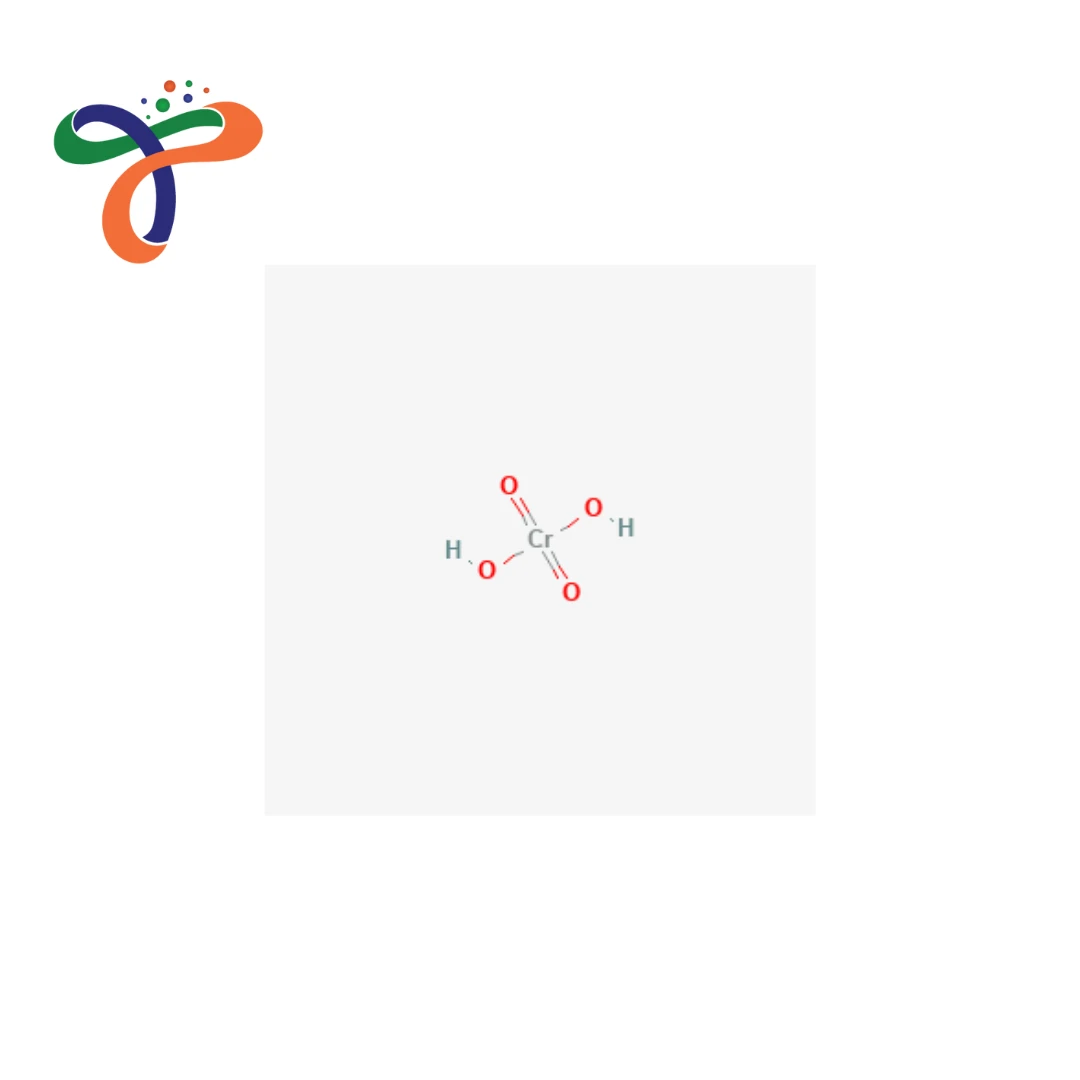
Molecular Formula :
CRH2O4
Description :
Overview of Chromic Acid
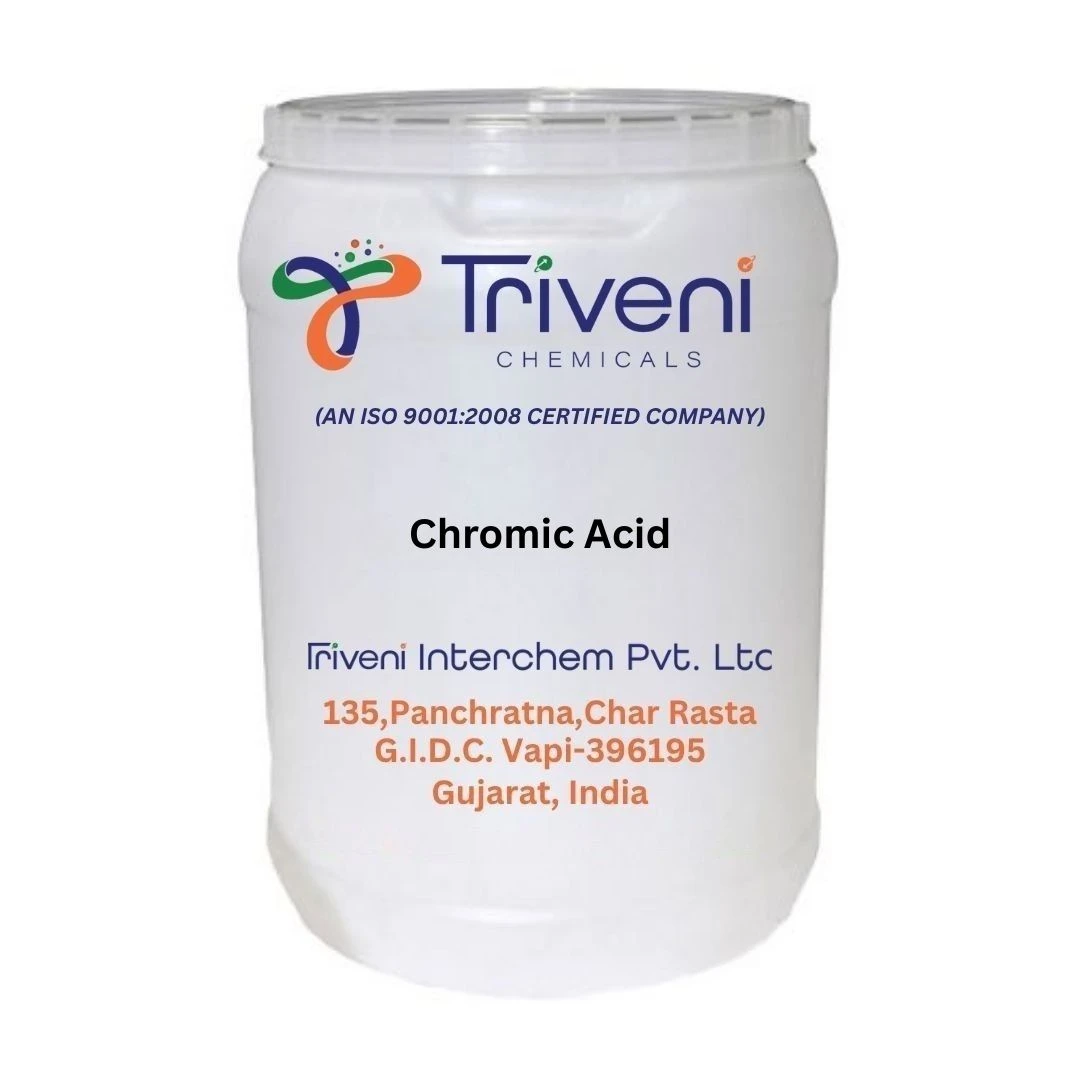
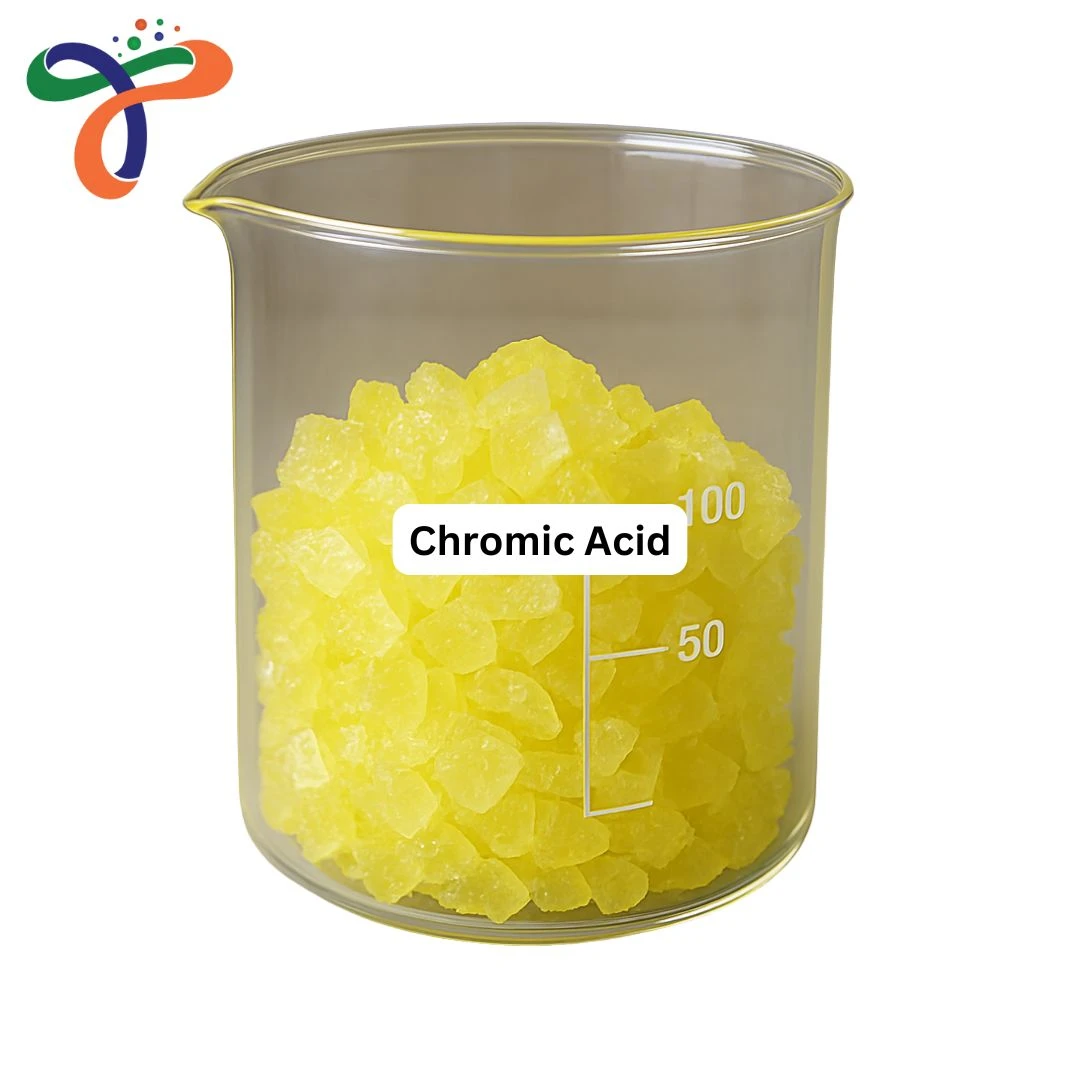
Chromic Acid (H₂CrO₄) is a highly powerful and corrosive compound commonly used in a variety of industrial, chemical, and laboratory applications. It is a strong oxidizing agent, primarily consisting of chromium in the hexavalent state, which gives it its potent reactivity. Chromic Acid is typically available as a dark red or orange solution and is highly soluble in water. It is commonly prepared by dissolving chromium trioxide (CrO₃) in water or in sulfuric acid.
Due to its oxidizing properties, Chromic Acid is utilized in cleaning processes, electroplating, and as a reagent in organic synthesis. It is a critical component in laboratory and industrial processes, including glassware cleaning, metal finishing, and the production of certain dyes and pigments.
Related products include Chromic Acid Formula, Chromic Acid Uses, and Chromic Acid Suppliers.
Applications of Chromic Acid
Glassware Cleaning
- Chromic Acid is widely used in laboratories for cleaning glassware, particularly in cases where stubborn organic residues need to be removed.
- It is mixed with sulfuric acid to form a highly effective cleaning solution that can clean and decontaminate glass surfaces by breaking down organic compounds.
Electroplating
- Used in the electroplating process for metals like aluminum and steel to create a chromium coating, providing corrosion resistance and enhancing the aesthetic appearance of the metal.
- Plays a role in the production of decorative and functional chromium coatings on products like car parts, tools, and hardware.
Organic Synthesis
- Chromic Acid is used as a reagent in organic chemistry, particularly in oxidation reactions.
- It is involved in converting alcohols to carbonyl compounds, such as aldehydes or ketones, and is also used in various other organic transformations.
Wood Preservation and Dyes
- Used in the production of certain types of dyes and pigments.
- Chromic Acid plays a role in wood preservation processes, helping prevent decay and damage from fungi or insects.
Water Treatment
- Employed in industrial water treatment processes, particularly for the removal of certain types of organic contaminants in water systems.
- Chromic Acid is used in some purification processes where high oxidation potential is required to break down pollutants.
Safety & Handling Guidelines
- Store in a cool, dry, and well-ventilated area, away from incompatible substances such as flammable materials
- Use appropriate PPE, including gloves, goggles, and protective clothing when handling Chromic Acid and its solutions
- Work with Chromic Acid in a fume hood or a well-ventilated area to avoid inhalation of fumes or dust
- Follow COA, MSDS, and regulatory guidelines strictly
- Chromic Acid is highly toxic and corrosive, so it should be handled with extreme caution. Ensure proper disposal of waste to avoid environmental contamination
Where to Buy Chromic Acid?
Chromic Acid Manufacturer
ChemicalBull is a trusted supplier of high-quality Chromic Acid, meeting industry standards for various applications, including cleaning, electroplating, and chemical synthesis.
Chromic Acid Supplier & Distributor
- Available in bulk for use in industrial applications, cleaning, and laboratory procedures
- Suitable for electroplating, metal finishing, and chemical reagent requirements
- COA, MSDS, and regulatory documents provided
MSDS
Includes detailed safety instructions, hazard identification, and storage guidelines.
Frequently Asked Questions (FAQs)
-
What is Chromic Acid used for?
Chromic Acid is used in various applications, including cleaning glassware, electroplating, organic synthesis, wood preservation, and water treatment. -
What does Chromic Acid do?
Chromic Acid is a powerful oxidizing agent, which means it can break down organic materials, clean glassware, and serve as a reagent in various chemical reactions. -
How do you make Chromic Acid for cleaning glassware?
To make Chromic Acid for cleaning glassware, a common procedure is to mix chromium trioxide (CrO₃) with concentrated sulfuric acid (H₂SO₄). This forms a strong solution that can effectively clean organic residues.
ChemicalBull supplies Chromic Acid across India, serving customers in Andhra Pradesh, Arunachal Pradesh, Assam, Bihar, Chhattisgarh, Goa, Gujarat, Haryana, Himachal Pradesh, Jharkhand, Karnataka, Kerala, Madhya Pradesh, Maharashtra, Manipur, Meghalaya, Mizoram, Nagaland, Odisha, Punjab, Rajasthan, Sikkim, Tamil Nadu, Telangana, Tripura, Uttar Pradesh, Uttarakhand, and West Bengal, as well as the Union Territories of Andaman & Nicobar Islands, Chandigarh, Dadra & Nagar Haveli and Daman & Diu, Delhi, Jammu & Kashmir, Ladakh, Lakshadweep, and Puducherry. We serve pharmaceutical, chemical, research, academic, laboratory, manufacturing, and industrial customers with reliable nationwide delivery.