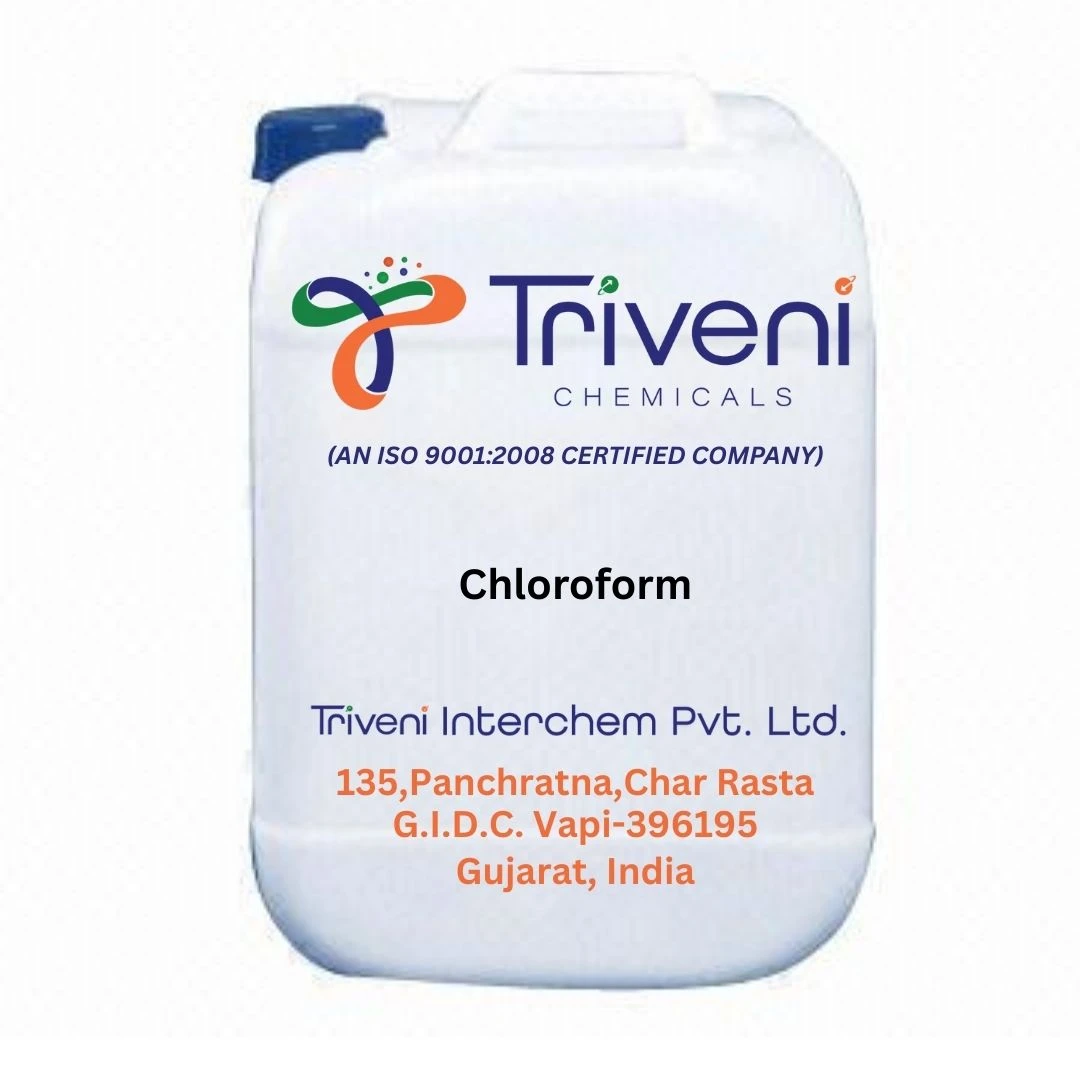
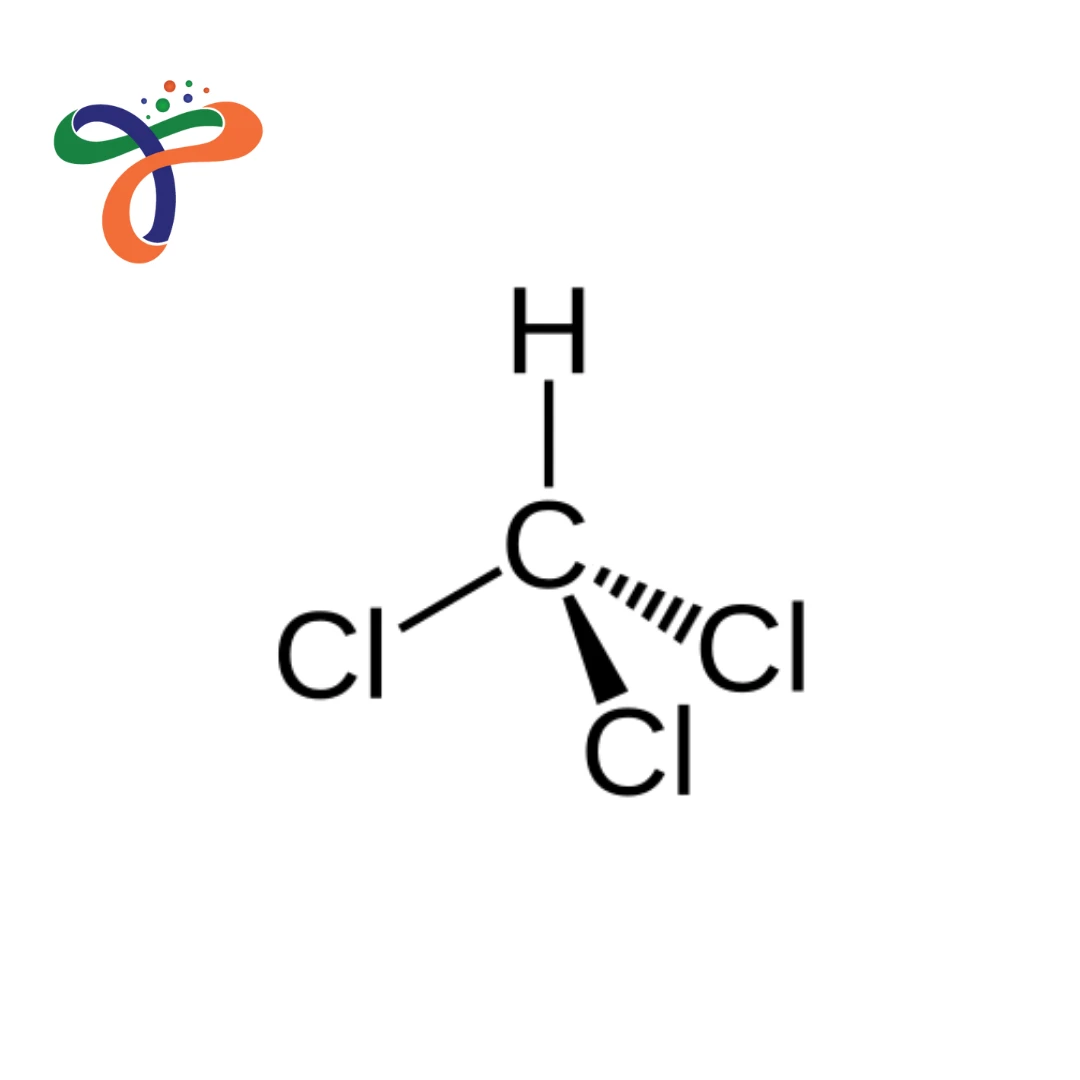
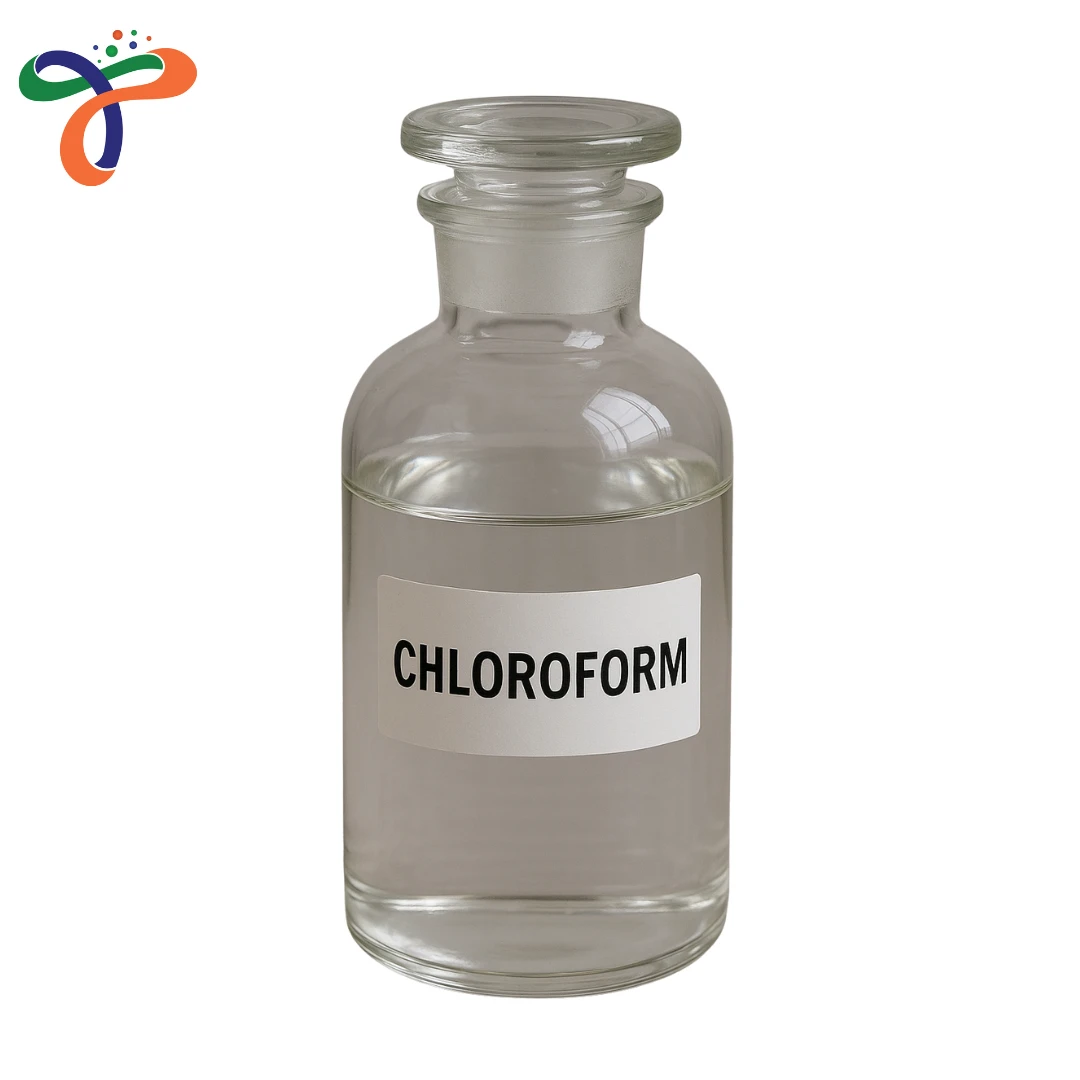
Chloroform | 67-66-3
Cas No :
67-66-3
Synonyms :
Form :
Liquid
Molecular Weight :
119.37 G/mol
Molecular Formula :
CHCL3
Boiling Point :
61.2 °c
Melting Point :
-63.5 °c
Flash Point :
-20 °c
Solubility :
Slightly Soluble In Water; Miscible With Most Organic Solvents (e.g., Ether, Alcohol)
Description :
Chloroform Supplier & Manufacturer In India
ChemicalBull is a trusted Chloroform supplier, manufacturer, distributor, wholesaler, and exporter in India. ChemicalBull supplies Chloroform in bulk for pharmaceutical manufacturers, chemical synthesis companies, laboratory reagent suppliers, analytical testing laboratories, agrochemical intermediate manufacturers, industrial solvent buyers, research institutions, distributors, wholesalers, procurement teams, and global export buyers.
Chloroform, also known as Trichloromethane, is an industrial chemical and chlorinated solvent used in chemical synthesis, pharmaceutical intermediates, laboratory analysis, extraction processes, analytical testing, research applications, and industrial chemical processing.
Request Bulk Chloroform Price, MSDS, TDS, COA, product specification, packaging details, and export documentation from ChemicalBull today.
Overview of Chloroform
Chloroform is a chlorinated organic chemical widely used in industrial, pharmaceutical, laboratory, and chemical synthesis applications. It has CAS Number 67-66-3.
In B2B chemical procurement, Chloroform is mainly sourced as a solvent, reagent, and chemical intermediate for controlled industrial and laboratory use. It is used by pharmaceutical companies, analytical laboratories, chemical processors, research organizations, and specialty chemical manufacturers that require consistent product quality, proper documentation, and reliable bulk supply.
ChemicalBull supplies Chloroform for bulk commercial and export requirements with support for product availability, technical documents, packaging details, pricing, procurement assistance, and export coordination.
Commercial Applications & Industrial Use
Chloroform’s unique chemical stability and solvency make it a vital component across several major industrial categories:
-
Pharmaceutical Intermediate: Chloroform is an essential solvent used in the pharmaceutical industry for the extraction and purification of antibiotics, alkaloids, and vitamins. It plays a critical role in the synthesis of various Active Pharmaceutical Ingredients (APIs).
-
Refrigerant Precursor: The most significant industrial application of Chloroform is as a feedstock for the production of Fluorocarbon 22 (R-22), which is used in air conditioning systems and as a precursor to Teflon (PTFE).
-
Industrial Solvent: Due to its ability to dissolve fats, waxes, resins, and oils, it is widely utilized as a specialized solvent in the rubber and adhesive industries.
-
Agrochemical Formulations: It is employed in the development of certain pesticides and fumigants, acting as a carrier or intermediate in the chemical reaction process.
-
Chemical Synthesis: It is used in chemical synthesis and specialty chemical manufacturing as a chlorinated solvent and reagent.
-
Laboratory Analysis: It is used in laboratory analysis, testing, research, sample preparation, and method development.
Related Products are :
Trichloroethylene (TCE)
Where to Buy Chloroform?
Chloroform Manufacturer
ChemicalBull helps manufacturers source Chloroform for chemical synthesis, pharmaceutical intermediates, laboratory analysis, extraction processes, industrial solvent applications, agrochemical intermediates, and research use.
Chloroform Supplier & Distributor in India
As a leading Industrial Solvents and Intermediates supplier in India, we manage a global network covering major ports. We specialise in bulk volume procurement, offering competitive B2B pricing and export-ready packaging for international markets. Whether you need small-scale drums or large tankers, our logistics team ensures safe, compliant, and timely delivery.
Why Manufacturers Choose ChemicalBull For Chloroform
Industrial Chemicals Manufacturers choose ChemicalBull for Chloroform because ChemicalBull supports bulk industrial sourcing with reliable supply assistance, technical documentation, packaging details, and export support.
Key Benefits For Manufacturers
- Bulk Chloroform supply for industrial and commercial requirements
- Suitable for chemical synthesis, pharmaceutical intermediates, laboratory analysis, extraction, and industrial solvent applications
- Support for manufacturers, laboratories, and procurement teams
- MSDS, TDS, COA, and product specification assistance
- Grade, purity, packing, and documentation support
- Wholesale and distributor-level supply support
- Export documentation assistance for global buyers
- Fast response for price and availability enquiries
- Support for repeat B2B procurement and planned supply requirements
ChemicalBull helps manufacturers source Chloroform with the required documents, packaging information, bulk pricing, and procurement support for India and global export markets.
MSDS for Chloroform
Chloroform Handling halogenated hydrocarbons requires strict safety protocols regarding volatility, inhalation risks, and specialized storage requirements. We provide comprehensive Material Safety Data Sheets (MSDS) and COAs to ensure your technical staff handles the product safely. To begin your procurement process, please contact our industrial chemical export department for a customized quote today.
Frequently Asked Questions (FAQ)
-
Who is a reliable Chloroform supplier in India?
ChemicalBull is a reliable Chloroform supplier in India for manufacturers, laboratories, distributors, wholesalers, procurement teams, and export buyers.
-
What is the CAS Number for Chloroform?
The CAS Registry Number for Chloroform is 67-66-3. -
Does ChemicalBull provide Chloroform MSDS and COA?
Yes. ChemicalBull can support buyers with Chloroform MSDS, TDS, COA, product specification, packaging details, and export documentation.
-
How to get Chloroform price from ChemicalBull?
To get Chloroform price, share your required quantity, grade, purity, packaging size, delivery location, and application with ChemicalBull.
-
Is ChemicalBull a global exporter of Chloroform?
Yes. ChemicalBull supports Chloroform export enquiries for global buyers with bulk supply, packaging details, technical documents, and export documentation support.
ChemicalBull supplies Chloroform across India, serving customers in Andhra Pradesh, Arunachal Pradesh, Assam, Bihar, Chhattisgarh, Goa, Gujarat, Haryana, Himachal Pradesh, Jharkhand, Karnataka, Kerala, Madhya Pradesh, Maharashtra, Manipur, Meghalaya, Mizoram, Nagaland, Odisha, Punjab, Rajasthan, Sikkim, Tamil Nadu, Telangana, Tripura, Uttar Pradesh, Uttarakhand, and West Bengal, as well as the Union Territories of Andaman & Nicobar Islands, Chandigarh, Dadra & Nagar Haveli and Daman & Diu, Delhi, Jammu & Kashmir, Ladakh, Lakshadweep, and Puducherry. We serve pharmaceutical, chemical, research, academic, laboratory, manufacturing, and industrial customers with reliable nationwide delivery.