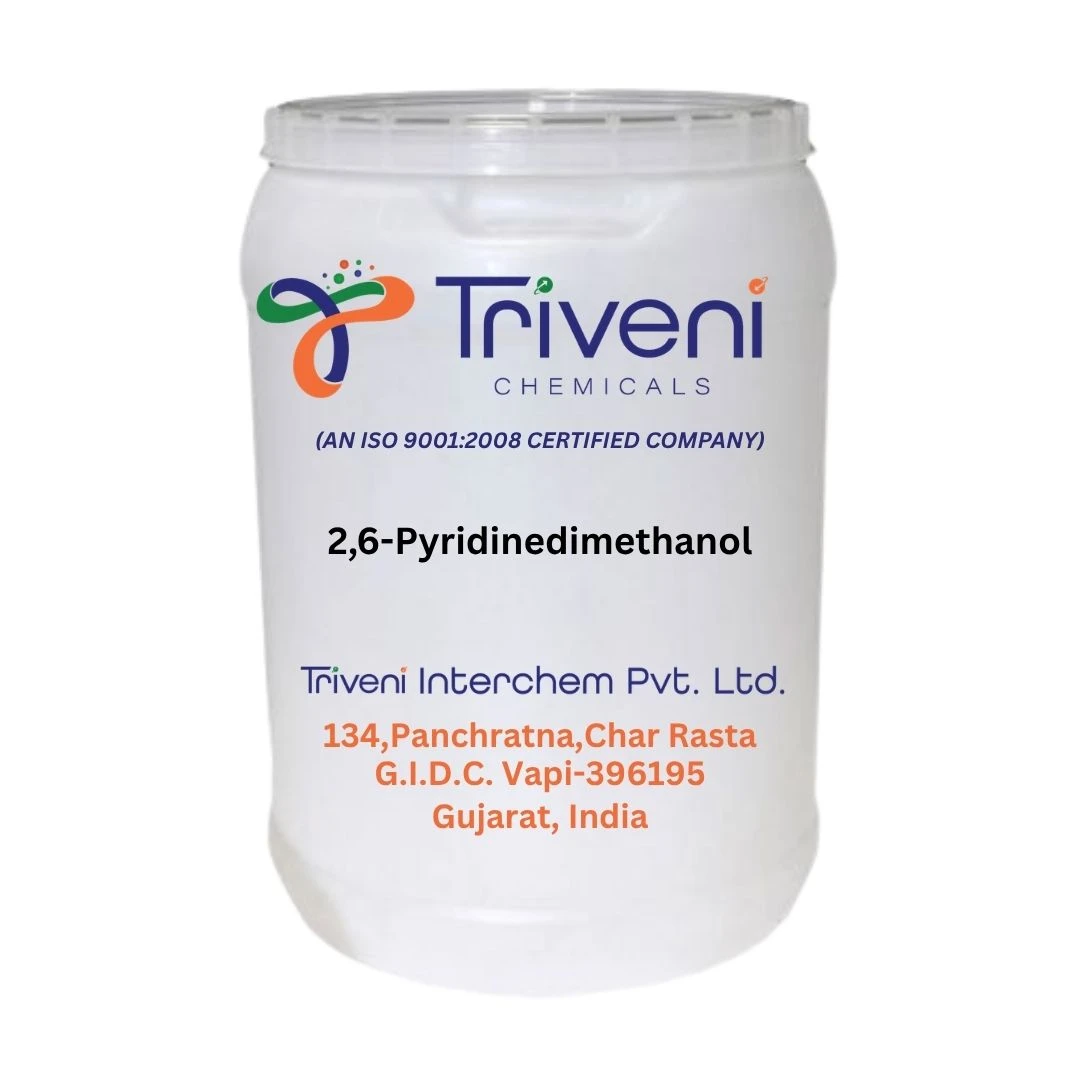
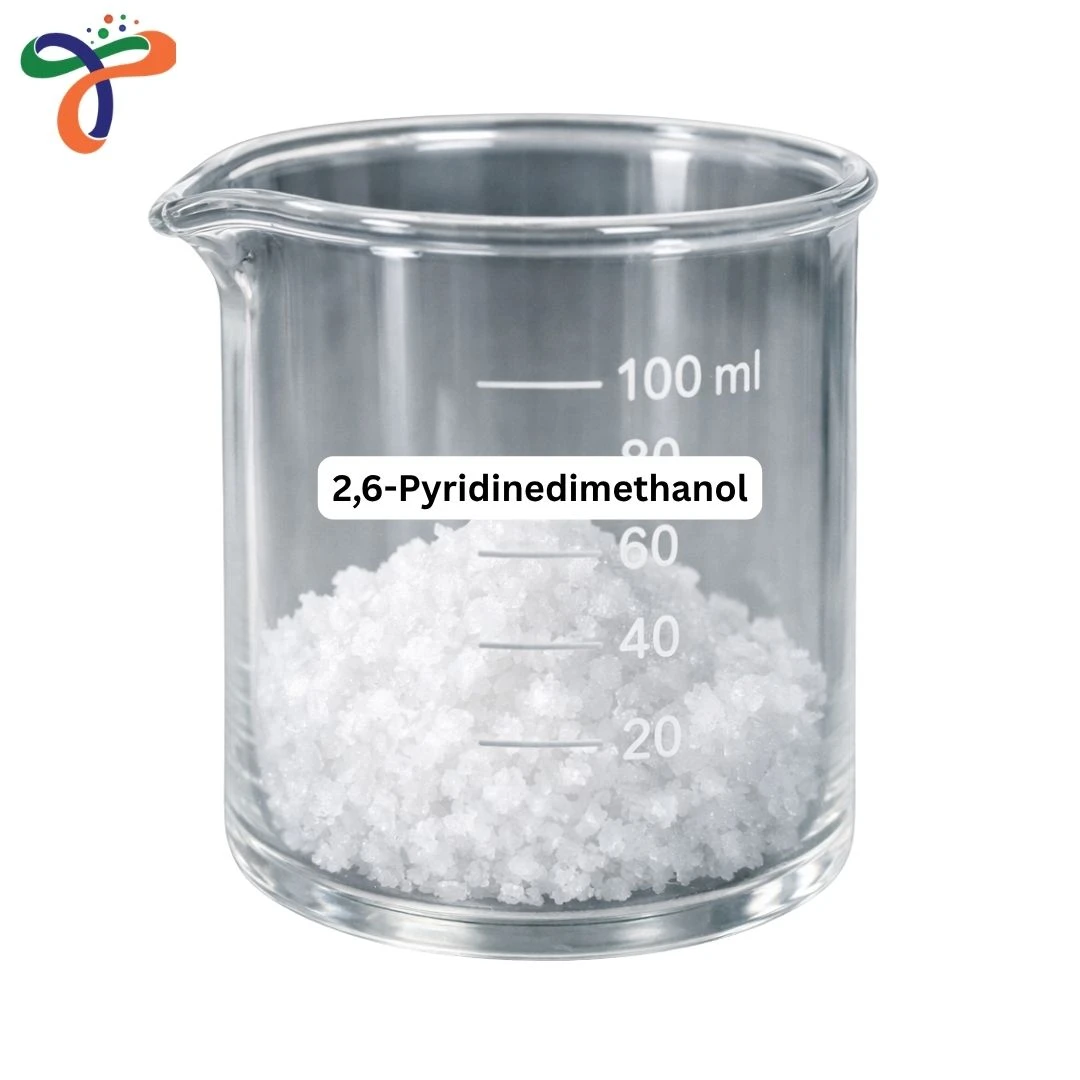
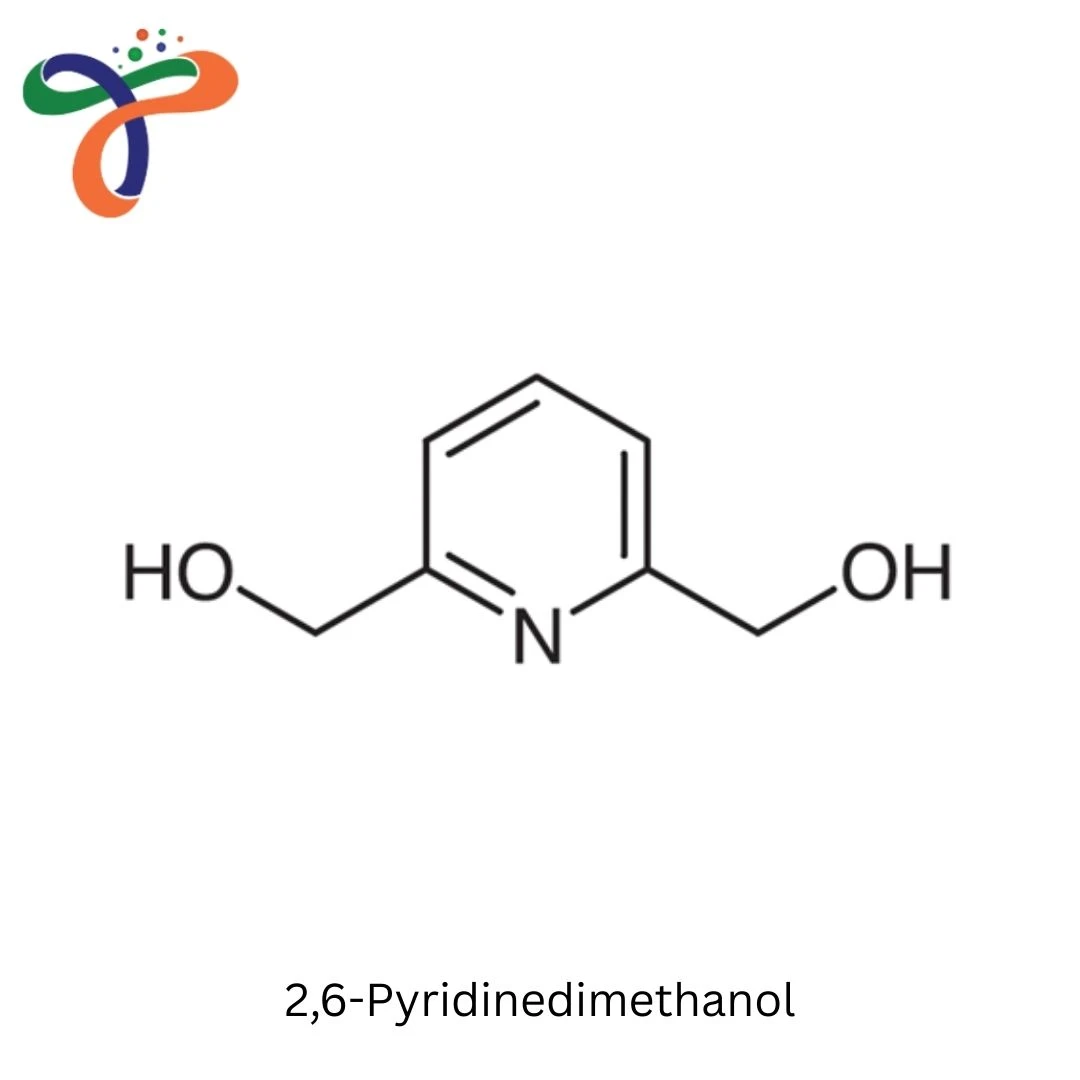
2,6-pyridinedimethanol
Description :
Overview of 2,6-Pyridinedimethanol
2,6-Pyridinedimethanol is a versatile organic compound commonly used in chemical synthesis, particularly in the production of pharmaceuticals, agrochemicals, and specialty materials. This compound contains both a pyridine ring and a hydroxymethyl group, making it an important intermediate in various synthetic pathways. Its unique structure allows it to participate in multiple reactions, contributing to the development of highly functional chemical products.
In industrial applications, 2,6-Pyridinedimethanol is often used as a key building block in the synthesis of active pharmaceutical ingredients (APIs), enhancing the development of therapeutic compounds. Additionally, when combined with other chemicals like Methylmagnesium Chloride and Sulfuric Acid AR, it supports the production of complex materials and catalyzed reactions, improving reaction efficiency and product yields. At ChemicalBull Pvt. Ltd., we provide high-quality 2,6-Pyridinedimethanol to meet the diverse needs of the chemical and pharmaceutical industries.
Applications of 2,6-Pyridinedimethanol
Pharmaceutical Intermediate
2,6-Pyridinedimethanol is widely used in the pharmaceutical industry as an intermediate in the synthesis of APIs. It plays a crucial role in the preparation of drugs that target a variety of conditions, from central nervous system disorders to metabolic diseases. Its structure makes it ideal for producing compounds with enhanced biological activity.
Agrochemical Synthesis
In agrochemical manufacturing, 2,6-Pyridinedimethanol is utilized to produce herbicides and fungicides, helping to protect crops from pests and diseases. Its ability to form stable complexes with other chemical groups is critical in designing effective agrochemicals that enhance crop yield and protection.
Material Science
2,6-Pyridinedimethanol is also employed in the synthesis of specialty materials, including resins, coatings, and polymers. Its incorporation into material science applications helps improve the properties of the final product, such as durability and resistance to environmental factors.
Catalysis and Chemical Synthesis
When combined with chemicals like Methylmagnesium Chloride and Sulfuric Acid AR, 2,6-Pyridinedimethanol is used in catalyzed reactions and chemical synthesis processes. It serves as a crucial component in various synthetic pathways, improving reaction efficiency and enabling the production of complex chemical compounds.
Safety & Handling Guidelines
- Store in a cool, dry, and well-ventilated area, away from direct sunlight and moisture.
- Always use appropriate personal protective equipment (PPE), including gloves, goggles, and protective clothing when handling.
- Avoid inhaling dust or vapors and ensure proper ventilation in the work area.
- Follow the Material Safety Data Sheet (MSDS) for handling, storage, and disposal recommendations.
Where to Buy 2,6-Pyridinedimethanol?
2,6-Pyridinedimethanol Manufacturer
Produced under strict quality control processes to ensure consistency and high purity for various industrial applications.
2,6-Pyridinedimethanol Supplier & Distributor
ChemicalBull Pvt. Ltd. is a trusted supplier of 2,6-Pyridinedimethanol, offering bulk quantities at competitive prices for the pharmaceutical, agrochemical, and materials industries.
2,6-Pyridinedimethanol MSDS
Available on request, detailing the safety, handling, storage, and disposal procedures for the safe use of this chemical.
Frequently Asked Questions
-
What are the main uses of 2,6-Pyridinedimethanol?
It is primarily used as a pharmaceutical intermediate, agrochemical precursor, and material science building block. -
How does 2,6-Pyridinedimethanol contribute to catalysis?
It participates in catalyzed reactions by forming stable intermediates that improve reaction yields and efficiency. -
Can 2,6-Pyridinedimethanol be used in drug synthesis?
Yes, it is widely used in the pharmaceutical industry to synthesize active pharmaceutical ingredients (APIs) for various therapeutic purposes.
ChemicalBull supplies 2,6-pyridinedimethanol across India, serving customers in Andhra Pradesh, Arunachal Pradesh, Assam, Bihar, Chhattisgarh, Goa, Gujarat, Haryana, Himachal Pradesh, Jharkhand, Karnataka, Kerala, Madhya Pradesh, Maharashtra, Manipur, Meghalaya, Mizoram, Nagaland, Odisha, Punjab, Rajasthan, Sikkim, Tamil Nadu, Telangana, Tripura, Uttar Pradesh, Uttarakhand, and West Bengal, as well as the Union Territories of Andaman & Nicobar Islands, Chandigarh, Dadra & Nagar Haveli and Daman & Diu, Delhi, Jammu & Kashmir, Ladakh, Lakshadweep, and Puducherry. We serve pharmaceutical, chemical, research, academic, laboratory, manufacturing, and industrial customers with reliable nationwide delivery.