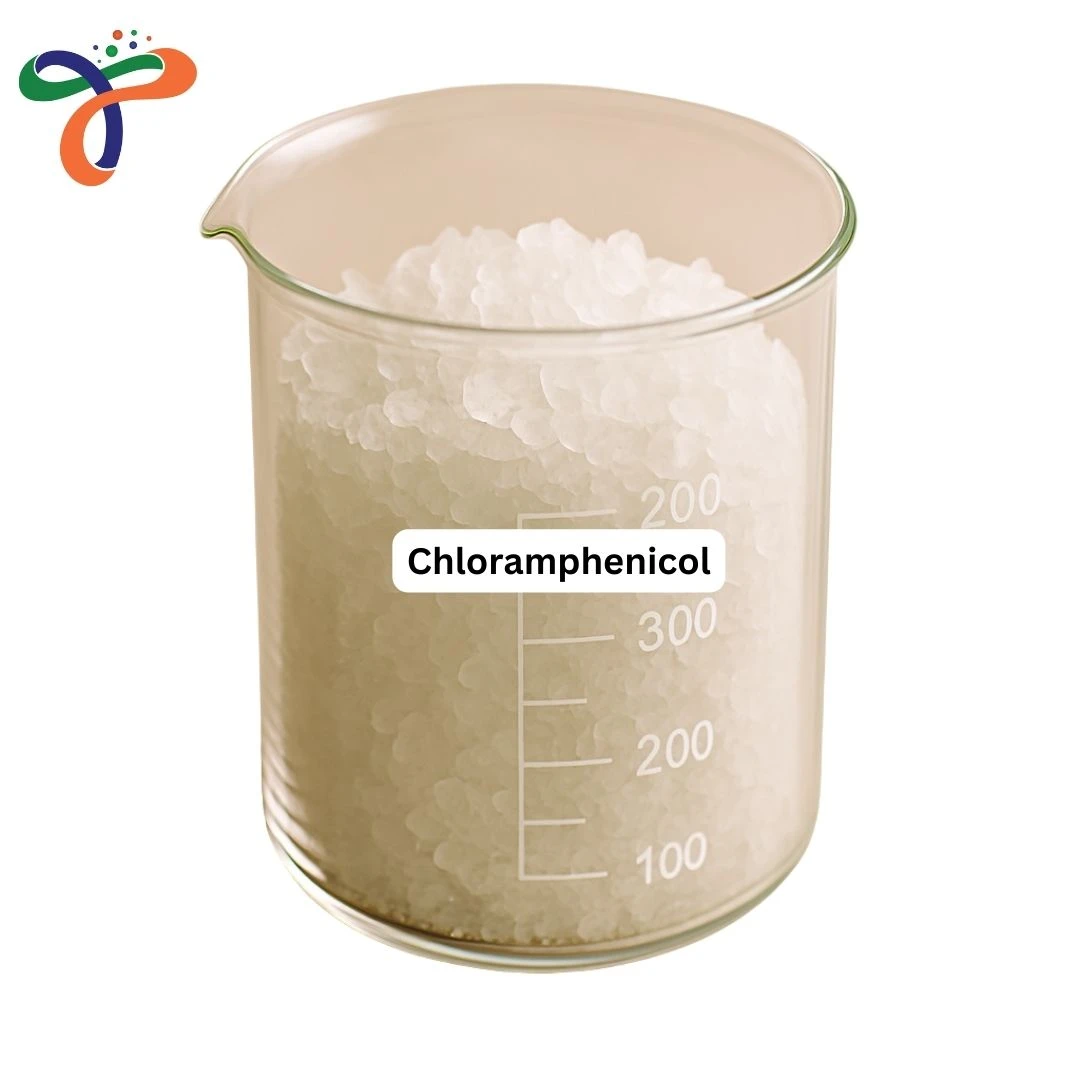
Chloramphenicol | 56-75-7
Cas No :
56-75-7
Form :
Solid
Molecular Weight :
323.13 G/mol
Molecular Formula :
C11H12CL2N2O5
Boiling Point :
411 °c
Melting Point :
134 °c
Flash Point :
230 °c
Solubility :
Slightly Soluble In Water; Soluble In Acetone And Methanol
Description :
Overview of Chloramphenicol
Chloramphenicol is a high-quality broad-spectrum antibiotic, which is an active ingredient in pharmaceuticals that are regulated antimicrobial formulations. It is an emulsified nitrobenzene derivative that has an established antibacterial effect against a broad range of gram positive and gram negative organisms.
In pharmaceutical manufacturing, Chloramphenicol is valued for its defined chemical structure, predictable antimicrobial performance, and suitability for oral, topical, and injectable dosage forms. It is produced under controlled conditions to meet pharmacopeial standards for purity, assay, and impurity control.
As a pharmaceutical chemical, Chloramphenicol is used in anti-infective formulations where controlled antibacterial action is required.
Applications of Chloramphenicol
Pharmaceutical API & Antimicrobial Formulations
Chloramphenicol is used as an active pharmaceutical ingredient in antimicrobial formulations for systemic and topical applications. Its broad-spectrum activity makes it suitable for specialised formulations where alternative antibiotics may be limited.
In antibacterial formulation development, it is often evaluated alongside Tetracycline Hydrochloride for comparative antimicrobial coverage.
Pharmaceutical Chemistry & Functional Characteristics
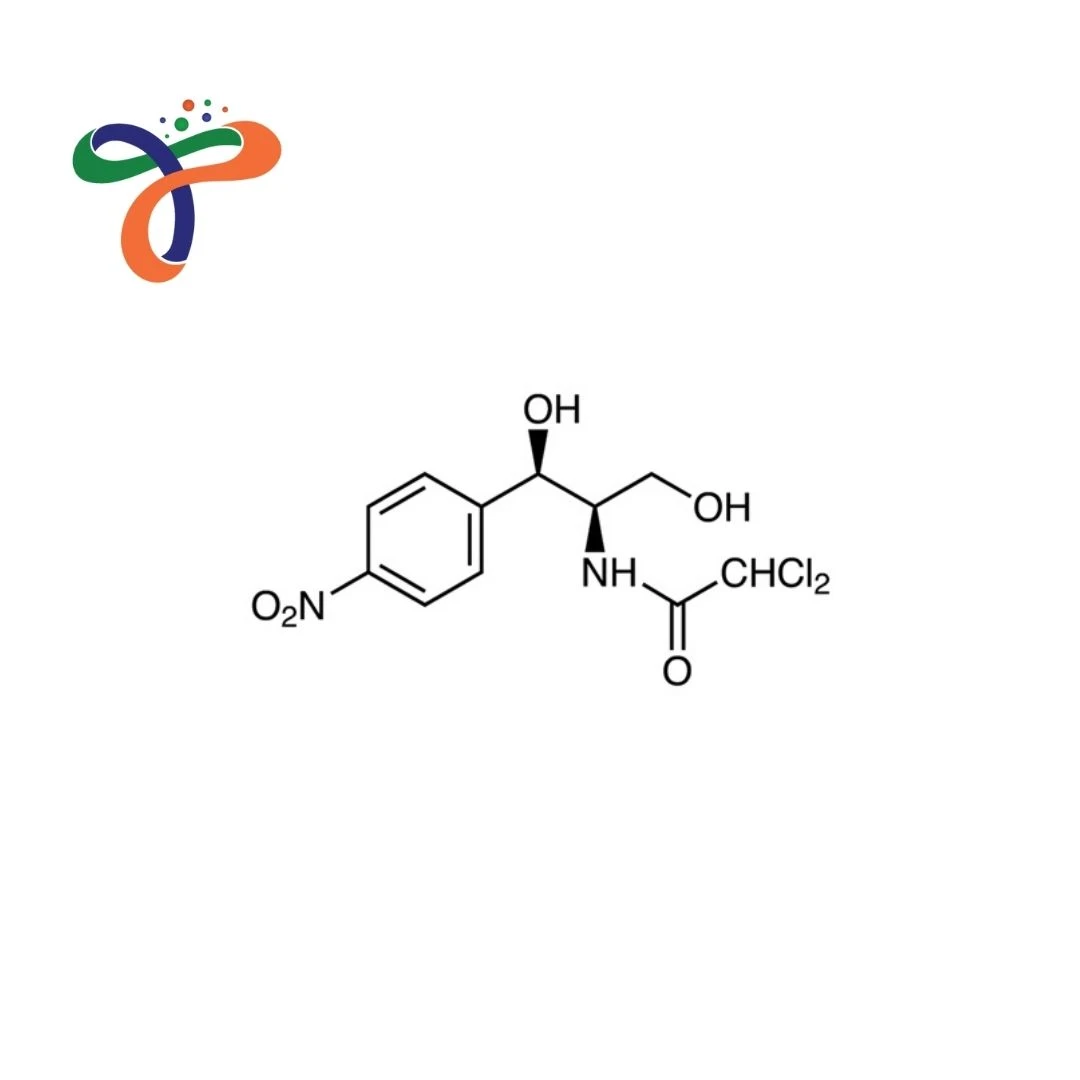
From a chemistry standpoint for pharmaceuticals the structure of chloramphenicol consists of a nitroaromatic-based ring connected to a dichloroacetamide moiety that contributes to its antibacterial property. The compound is known to have good chemical stability under controlled conditions in pharmaceuticals.
Industrial & Regulated Manufacturing Use
Chloramphenicol is manufactured as a high-potency pharmaceutical raw material with strict control over impurities and residual solvents. Due to its safety profile, its use is regulated and limited to specific therapeutic indications.
In anti-infective API research, it may be referenced alongside compounds such as Clindamycin Phosphate and Erythromycin for formulation and regulatory comparison.
Safety & Handling Guidelines
- Keep it in a cool, humid, dry, and well-controlled area
- Be sure to protect yourself from moisture and light
- Seal containers well and keep them clearly labeled
- Avoid inhalation of dust during handling
- Use appropriate personal protective equipment
- Handle under controlled pharmaceutical manufacturing conditions
- Dispose of waste according to regulatory guidelines
Where to Buy Chloramphenicol?
Chloramphenicol Manufacturer
Chloramphenicol is manufactured for pharmaceutical applications where strict quality control, regulated synthesis, and pharmacopeial compliance are essential.
Chloramphenicol Supplier & Distributor
Pharmaceutical-grade Chloramphenicol is supplied in suitable packaging for formulation manufacturers. As a pharmaceutical chemicals supplier and distributor, Chemicalbull Pvt. Ltd. supports reliable sourcing with standard documentation.
MSDS for Chloramphenicol
The MSDS for Chloramphenicol provides information on chemical hazards, handling precautions, storage conditions, exposure controls, and emergency measures. It should be reviewed before use in pharmaceutical manufacturing.
Frequently Asked Questions (FAQs)
-
What is Chloramphenicol antibiotic used for?
Chloramphenicol is used in pharmaceutical formulations to treat specific bacterial infections under regulated medical use. -
What is the structure of Chloramphenicol?
Chloramphenicol structure includes a nitrobenzene ring with dichloroacetamide and hydroxyl functional groups. -
What are the side effects of Chloramphenicol?
Chloramphenicol side effects are dose- and duration-dependent and have led to restricted use under medical supervision.
ChemicalBull supplies Chloramphenicol across India, serving customers in Andhra Pradesh, Arunachal Pradesh, Assam, Bihar, Chhattisgarh, Goa, Gujarat, Haryana, Himachal Pradesh, Jharkhand, Karnataka, Kerala, Madhya Pradesh, Maharashtra, Manipur, Meghalaya, Mizoram, Nagaland, Odisha, Punjab, Rajasthan, Sikkim, Tamil Nadu, Telangana, Tripura, Uttar Pradesh, Uttarakhand, and West Bengal, as well as the Union Territories of Andaman & Nicobar Islands, Chandigarh, Dadra & Nagar Haveli and Daman & Diu, Delhi, Jammu & Kashmir, Ladakh, Lakshadweep, and Puducherry. We serve pharmaceutical, chemical, research, academic, laboratory, manufacturing, and industrial customers with reliable nationwide delivery.