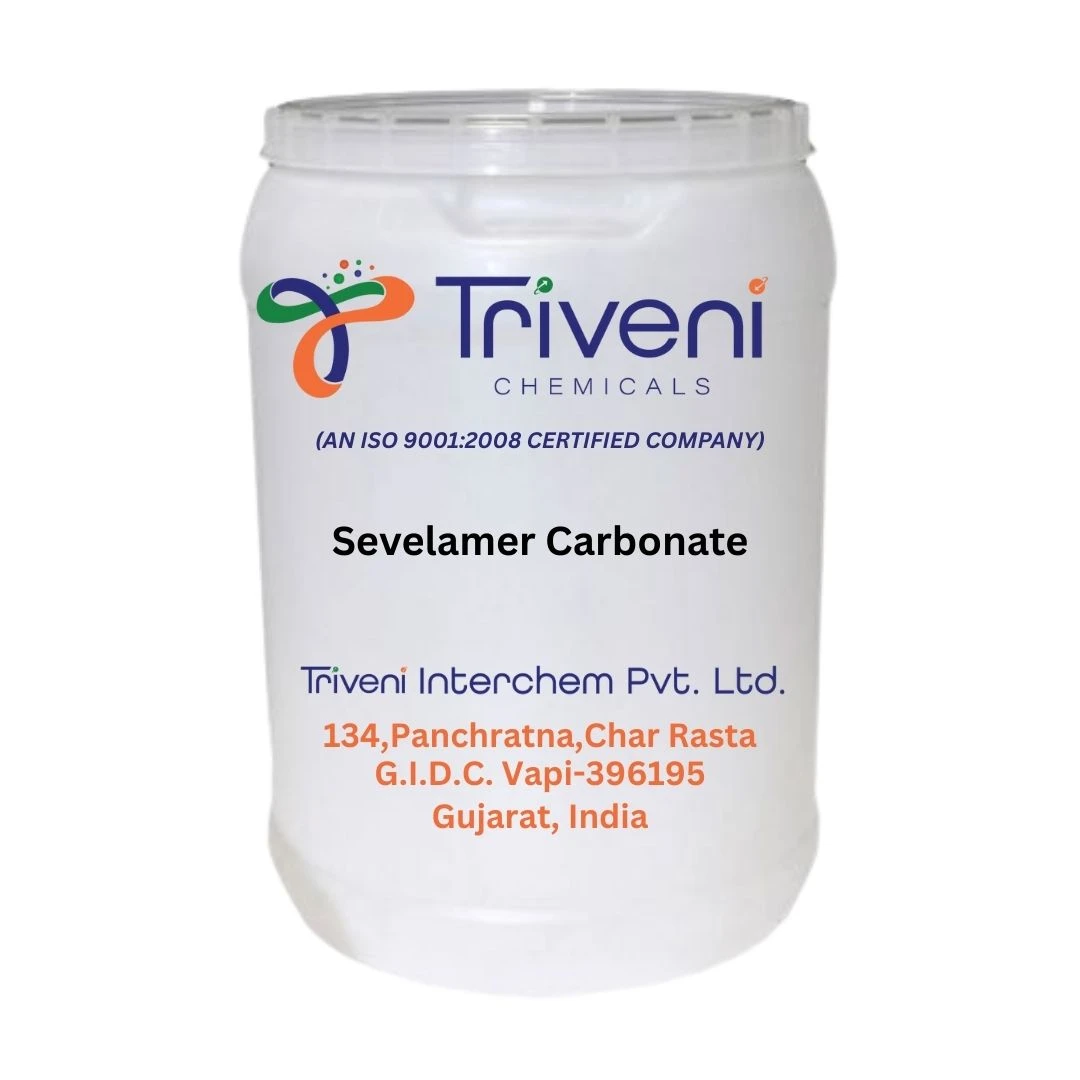
Sevelamer Carbonate | 845273-93-0
Cas No :
845273-93-0
Form :
Solid
Molecular Weight :
211.64
Molecular Formula :
C7H14CLNO4
Description :
Overview of Sevelamer Carbonate
Sevelamer Carbonate is a non-calcium and non-metal-phosphate binder for the treatment of hyperphosphatemia among patients suffering from chronic kidney diseases (CKD) and, in particular, dialysis patients.
Known for its ability to bind dietary phosphate in the gastrointestinal tract without increasing calcium load or containing aluminum, Sevelamer Carbonate is widely used in nephrology to manage mineral and bone disorders in patients with CKD.
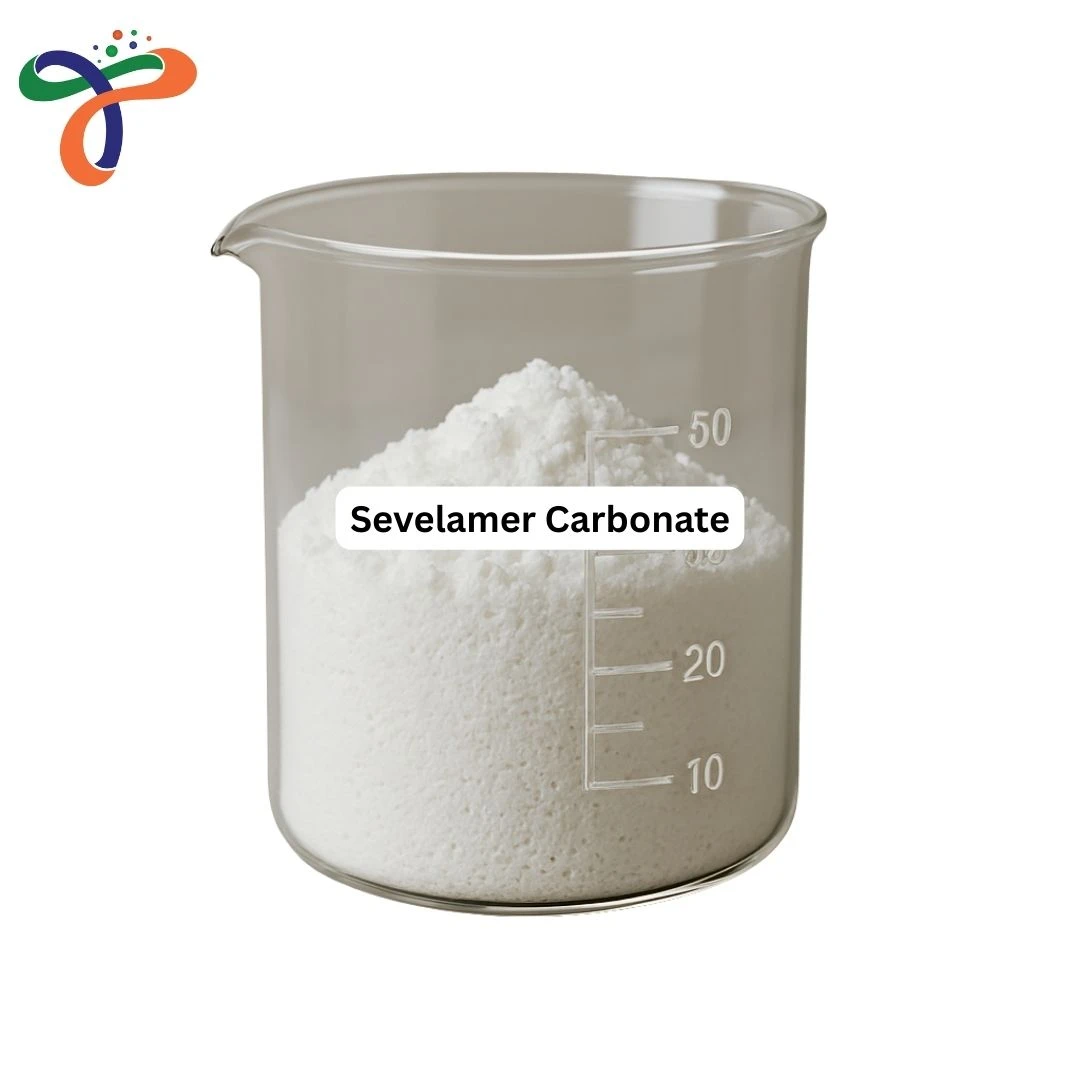
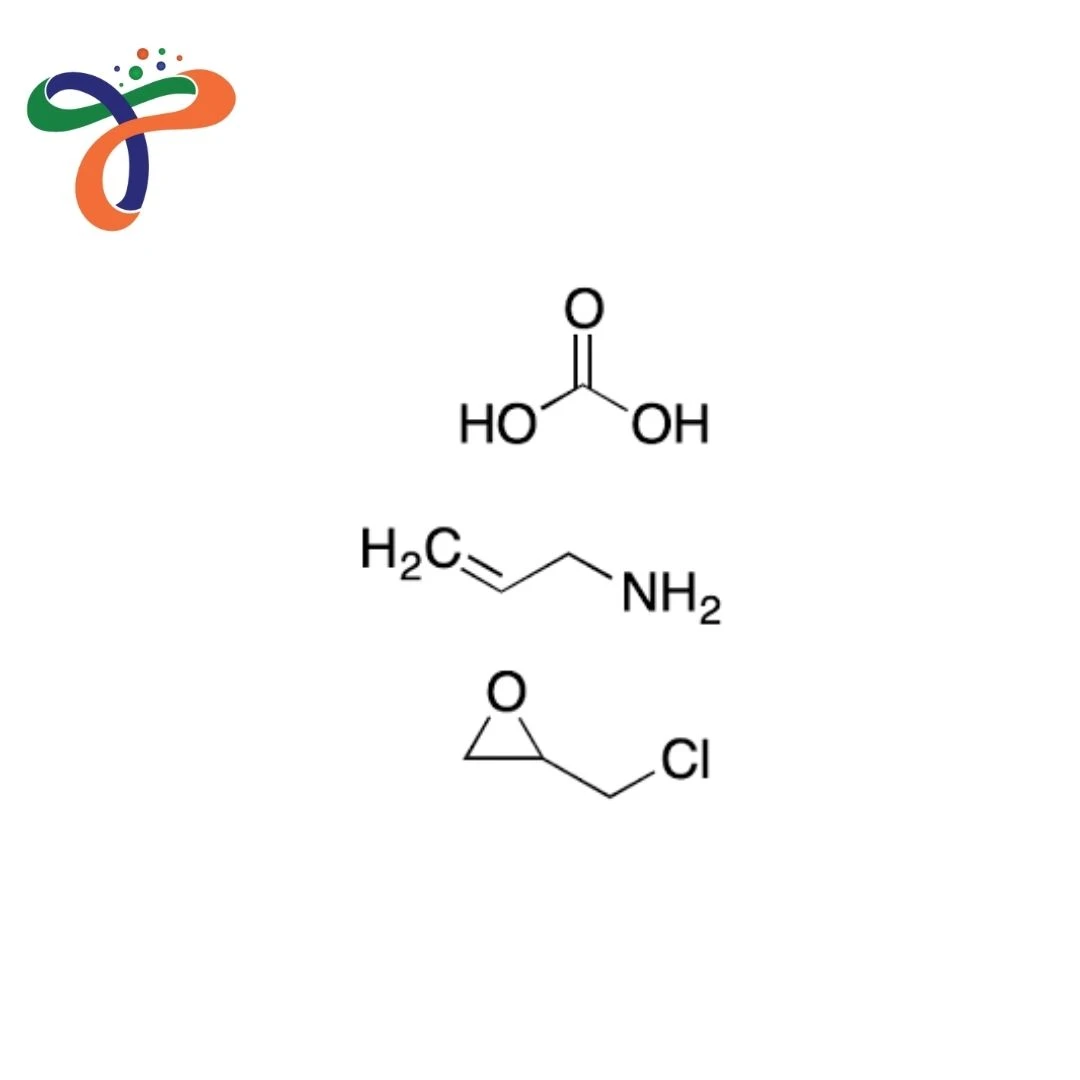
This API appears as a white to off-white powder, a polymeric compound based on allylamine hydrochloride crosslinked with epichlorohydrin. Its mechanism—binding dietary phosphate through ion exchange in the intestinal lumen—prevents phosphate absorption. At the same time, the carbonate component provides buffering capacity, reducing the incidence of metabolic acidosis compared to the hydrochloride salt.
Related products include Lanthanum Carbonate, Sevelamer Hydrochloride, Calcium Acetate, and other phosphate binders used in chronic kidney disease management and dialysis patient care.
Applications of Sevelamer Carbonate
Pharmaceutical API
- It is used in phosphate-binding medicines to treat CKD patients
- Effective in controlling serum phosphate levels in dialysis patients
- B is a dietary phosphate that's found within the gastrointestinal tract
- Prevents hyperphosphatemia-related complications
- Alternative to non-calcium and non-aluminum for traditional binding materials
- Reduces cardiovascular calcification risk
Formulation Development
- Utilized in tablets and powders for oral use
- Needs to be formulated with care for the ability to swallow and palatability.
- It is available in a variety of strengths (800 mg in the typical)
- Fil-coated tablets boost patients' acceptance
- Powder formulation is available for those who have difficulty swallowing
- It is usable when properly prepared in dose forms for suspensions and solids
Renal & Metabolic Treatment
- Limits serum phosphorus in CKD stages 3-5 as well as dialysis patients
- Lowers the risk of secondary hyperparathyroidism
- Reduces the risk of cardiovascular and bone complications of hyperphosphatemia.
- D does not contribute to the risk of calcium overload (vascular risk of calcification)
- Buffering capacity helps prevent metabolic acidosis
- Additional benefits: may improve lipid profiles, reduce inflammation
Handling and Safety Guidelines
- Beware of inhaling fine powder
- Make sure you wear gloves, goggles, or protective clothing while handling
- Place in a dry and cool location away from humidity
- Use the COA as well as the MSDS guidelines completely
Where to Buy Sevelamer Carbonate?
Sevelamer Carbonate Manufacturer
ChemicalBull supplies high-purity Sevelamer Carbonate API that meets IP/EP/USP quality standards for pharmaceutical formulations.
Sevelamer Carbonate Supplier & Distributor
- Available in bulk packing for formulation units
- Stable and high-purity grade for research and production
- COA, MSDS, and regulatory documents provided
MSDS
Includes detailed safety instructions, hazard identification, and storage guidelines.
Frequently Asked Questions (FAQs)
-
What is Sevelamer Carbonate used for?
Sevelamer Carbonate is used to control high phosphate levels (hyperphosphatemia) in adults and children with chronic kidney disease on dialysis. -
How does Sevelamer Carbonate work?
It binds to dietary phosphate in the intestines through ion exchange, forming insoluble complexes that are excreted in feces, thereby reducing phosphate absorption into the bloodstream. -
What is the difference between Sevelamer Carbonate and Sevelamer Hydrochloride?
Both have the same phosphate-binding base; Sevelamer Carbonate uses carbonate (provides buffering, reduces acidosis risk) while Sevelamer Hydrochloride uses hydrochloride salt (may contribute to metabolic acidosis).
ChemicalBull supplies Sevelamer Carbonate across India, serving customers in Andhra Pradesh, Arunachal Pradesh, Assam, Bihar, Chhattisgarh, Goa, Gujarat, Haryana, Himachal Pradesh, Jharkhand, Karnataka, Kerala, Madhya Pradesh, Maharashtra, Manipur, Meghalaya, Mizoram, Nagaland, Odisha, Punjab, Rajasthan, Sikkim, Tamil Nadu, Telangana, Tripura, Uttar Pradesh, Uttarakhand, and West Bengal, as well as the Union Territories of Andaman & Nicobar Islands, Chandigarh, Dadra & Nagar Haveli and Daman & Diu, Delhi, Jammu & Kashmir, Ladakh, Lakshadweep, and Puducherry. We serve pharmaceutical, chemical, research, academic, laboratory, manufacturing, and industrial customers with reliable nationwide delivery.