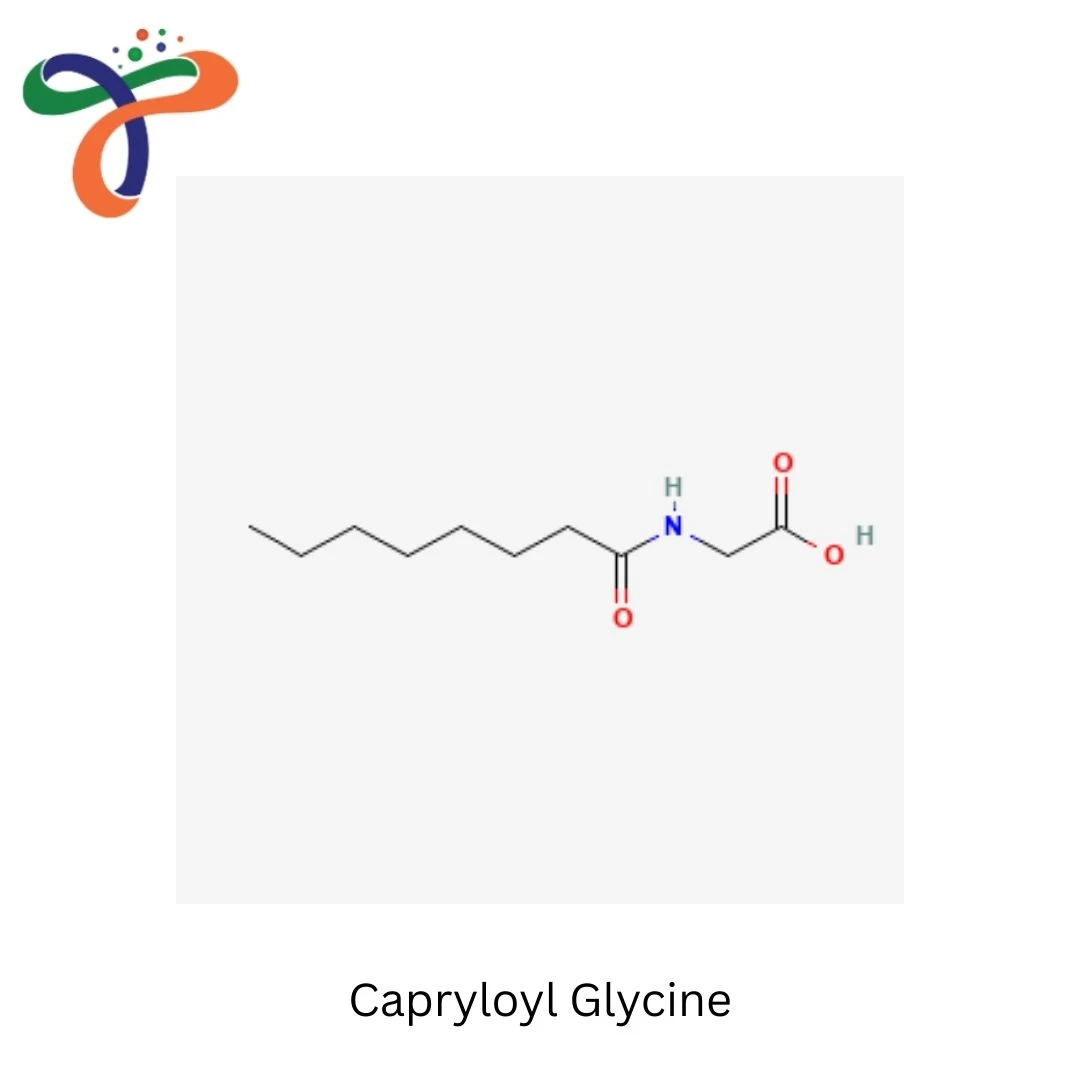
Capryloyl Glycine | 14246-53-8
Cas No :
14246-53-8
Synonyms :
Molecular Formula :
C10H19NO3
Description :
Overview of Capryloyl Glycine
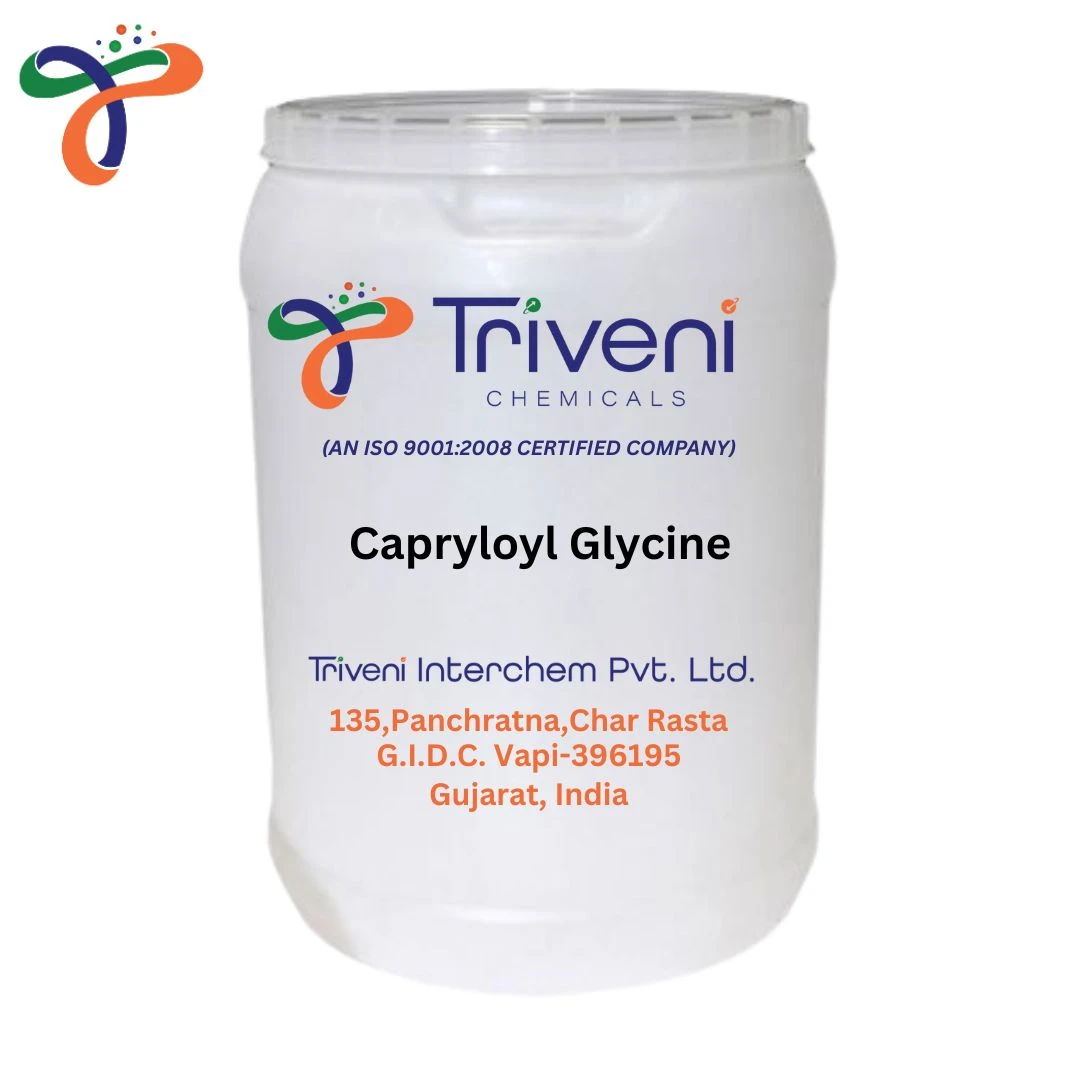
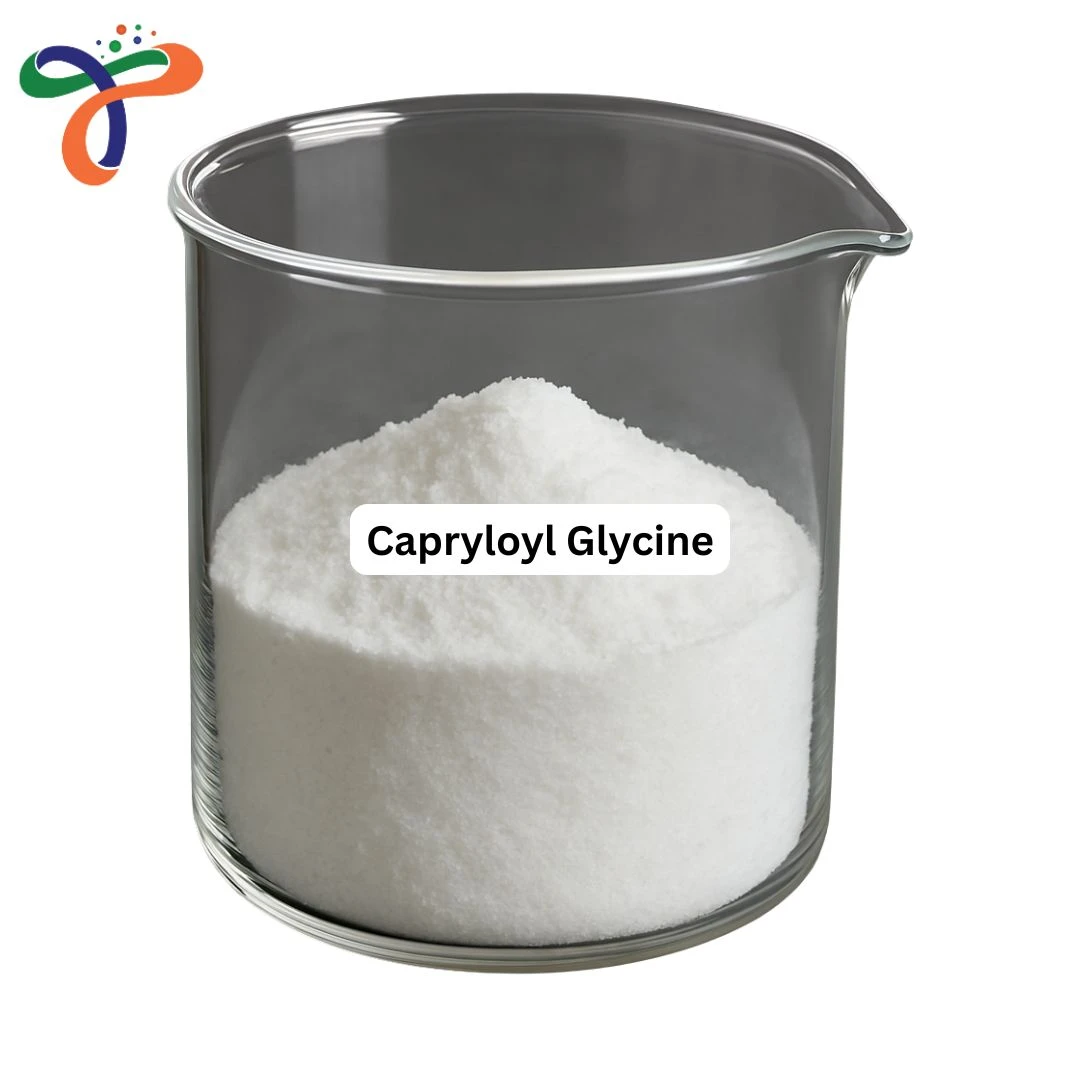
Capryloyl Glycine is a multifunctional amino acid–based active ingredient widely used in personal care and cosmetic formulations for its sebum-regulating, antimicrobial, and skin-purifying properties. It is derived from caprylic acid (C8) and glycine, offering an excellent balance of skin compatibility and targeted efficacy. It typically appears as a white to off-white powder.
In personal care products, Capryloyl Glycine is especially valued for oil control, acne prevention, and microbiome-balancing action. It helps regulate excess sebum, limits the growth of acne-causing bacteria, and supports clearer, healthier-looking skin. It is commonly used in acne creams, anti-blemish serums, face washes, toners, oily-skin moisturisers, scalp treatments, anti-dandruff shampoos, and deodorant formulations. It works synergistically with ingredients such as Niacinamide, Zinc PCA, Salicylic Acid, Lactic Acid, Undecylenoyl Glycine, and Tea Tree Oil to build effective solutions for oily and problem-prone skin.
In selected hygiene-focused and home-care-adjacent applications, Capryloyl Glycine is used in deodorising and antimicrobial systems, where odour control and skin friendliness are required.
ChemicalBull supplies quality-grade Capryloyl Glycine suitable for personal care manufacturing, ensuring consistent purity, reliable activity, and dependable bulk supply.
Applications of Capryloyl Glycine
Acne Care & Sebum-Control Products
-
Used in acne creams, gels, and serums
-
Helps regulate oil secretion
-
Supports clearer and more balanced skin
Facial Cleansers & Toners
-
Applied to face washes and toners
-
Provides purifying and antimicrobial benefits
-
Suitable for oily and combination skin
Scalp Care & Anti-Dandruff Products
-
Used in scalp serums and shampoos
-
Helps control scalp oiliness
-
Supports scalp microbiome balance
Deodorants & Odour-Control Products
-
Used in deodorants and hygiene formulations
-
Helps inhibit odour-causing bacteria
-
Supports long-lasting freshness
Safety & Handling Guidelines
-
Store Capryloyl Glycine in a cool, dry place
-
Keep containers tightly closed to avoid moisture uptake
-
Avoid inhalation of fine powder during handling
-
Use appropriate protective equipment during bulk processing
-
Follow standard cosmetic safety and hygiene practices
Where to Buy Capryloyl Glycine?
Capryloyl Glycine Manufacturer
ChemicalBull supplies Capryloyl Glycine for skin care, acne care, and scalp care applications, meeting consistent quality and performance standards.
Capryloyl Glycine Supplier & Distributor
-
Bulk and customised packaging options available
-
Suitable for cosmetic, dermatological, and hygiene product manufacturers
-
Reliable sourcing for domestic and international markets
-
Technical specifications and documentation provided
Capryloyl Glycine MSDS
The Material Safety Data Sheet (MSDS) for Capryloyl Glycine provides detailed guidance on safe handling, storage conditions, exposure controls, and emergency response measures. Users should always consult the official MSDS before handling or using the product in manufacturing and formulation processes.
Frequently Asked Questions (FAQs)
-
What is Capryloyl Glycine used for?
It is used for oil control, acne prevention, and antimicrobial action in personal care products. -
Is Capryloyl Glycine suitable for oily skin?
Yes, it is especially effective in oily and acne-prone skin formulations. -
Can Capryloyl Glycine be used in shampoos?
Yes, it is commonly used in scalp-care and anti-dandruff shampoos. -
How is Capryloyl Glycine different from Undecylenoyl Glycine?
Capryloyl Glycine is milder and often preferred for daily-use and sensitive formulations, while Undecylenoyl Glycine offers stronger antimicrobial action. -
Is Capryloyl Glycine safe for cosmetic use?
When used according to recommended cosmetic guidelines, it is considered safe for personal care applications.
ChemicalBull supplies Capryloyl Glycine across India, serving customers in Andhra Pradesh, Arunachal Pradesh, Assam, Bihar, Chhattisgarh, Goa, Gujarat, Haryana, Himachal Pradesh, Jharkhand, Karnataka, Kerala, Madhya Pradesh, Maharashtra, Manipur, Meghalaya, Mizoram, Nagaland, Odisha, Punjab, Rajasthan, Sikkim, Tamil Nadu, Telangana, Tripura, Uttar Pradesh, Uttarakhand, and West Bengal, as well as the Union Territories of Andaman & Nicobar Islands, Chandigarh, Dadra & Nagar Haveli and Daman & Diu, Delhi, Jammu & Kashmir, Ladakh, Lakshadweep, and Puducherry. We serve pharmaceutical, chemical, research, academic, laboratory, manufacturing, and industrial customers with reliable nationwide delivery.